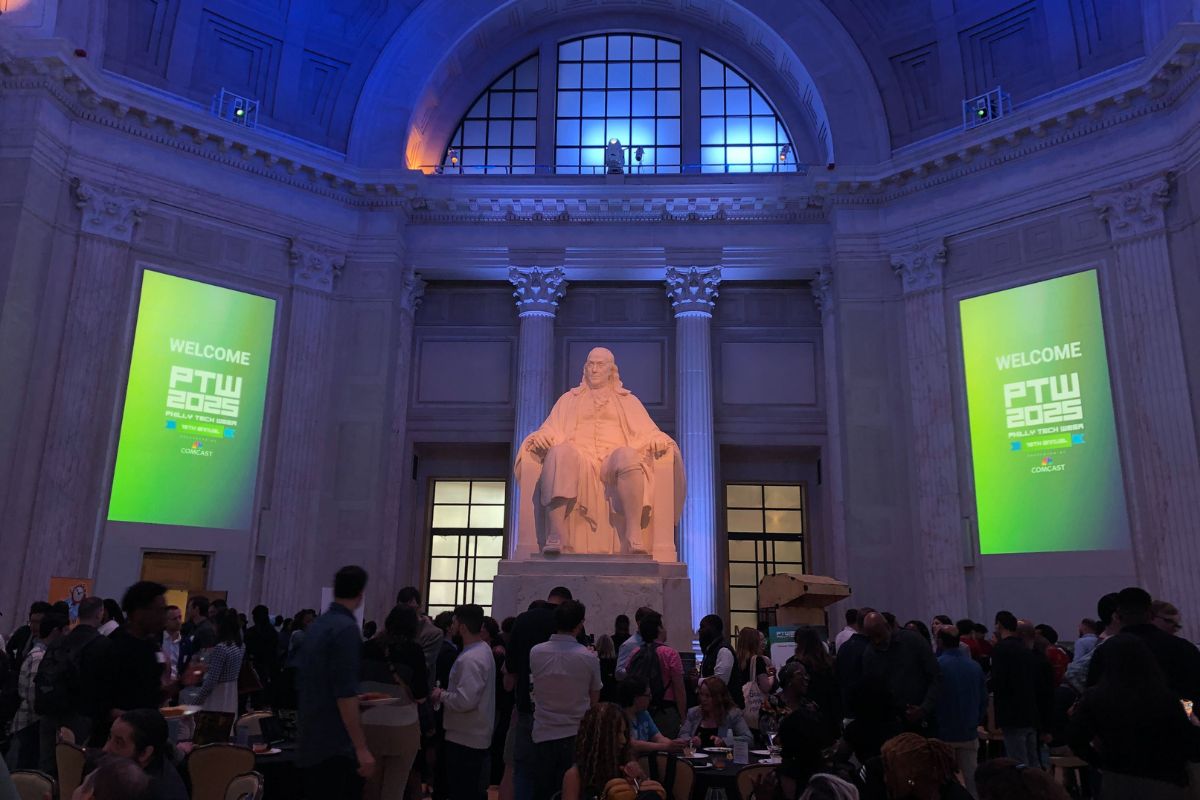
• Every one of the 70 regional ecosystems on the Technical.ly Ecosystems Map has an annual front-door gathering, and more than half run a startup, tech or innovation week.
• The format isn’t fading: 20 of those 37 standalone weeks launched their current version in 2020 or later.
• Pittsburgh’s new StartUP PGH shows why it works: Complex ecosystems can’t be run by one organization, but they can share one week. To stand out, build relationships first, sell experiences rather than events and avoid the crowded fall calendar.
Founders and investors and inventors and engineers get together plenty.
They swap thoughts on emerging tools and trade introductions to form tiny pirate ships that brave the stormy seas of the American economy.
Local tech, science and entrepreneurship communities have filled their calendars with events since the computer clubs in the 1970s, when an unusually portable emerging technology met a desire to exchange ideas. Not because it was a job, but because it was a passion. Among Silicon Valley’s defining characteristics was rampant gossiping and research leaks, typically among low-level workers over cheap beer.
This unusually distributed network approach has been called the fourth wave of economic development: a transition to a “systems stewardship” approach, as the chief of the economic development field’s primary trade group wrote this month ahead of their marking a 100th anniversary.
“Modern ecosystems are almost too complex to be governed by a single organization.”
Matt Smith, Pittsburgh Regional Alliance
Plenty of state and local economic leaders remain laggards, chasing the “broken math of buying jobs,” but as my recent three-part series argued, a focus on boosting homegrown entrepreneurship is overdue — whether or not you call that work ecosystem building.
One of the first steps toward a coordinated regional ecosystem is getting everyone to collaborate on something. Both Boulder Startup Week and Philly Tech Week, which we at Technical.ly launched, were first announced in 2010. We added Baltimore Innovation Week in 2012. Since then, this has become the most common approach: An organizing group picks dates and curates events from an array of hosts to serve both local identity-building and external amplification.
Next week is the annual Global Entrepreneurship Week coordinated by the Global Entrepreneurship Network, which stitches together hundreds of such gatherings around the world. In February, a separate “congressionally-chartered initiative” celebrates National Entrepreneurship Week.
“Modern ecosystems are almost too complex to be governed by a single organization,” said Matt Smith, chief growth officer of the Pittsburgh Regional Alliance, which helped organize StartUP PGH, an initiative that launched this fall. “The distributed model is actually the point.”
Whatever you call it, the goal is to show scale to outsiders and build identity among insiders. How widespread is the work? What’s driving it? And does it work as intended?
Every ecosystem has a front door
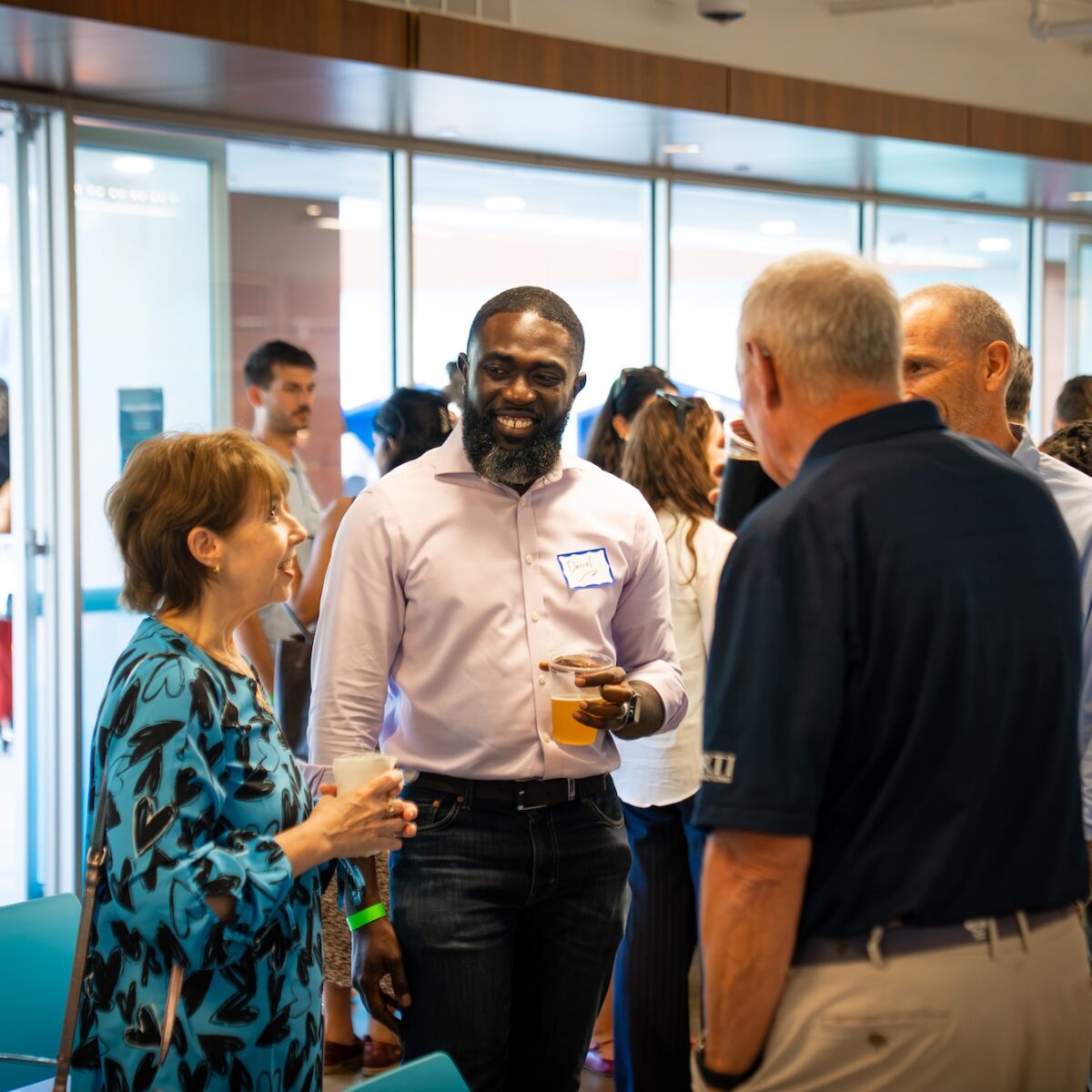
The model is a bit like Thanksgiving. The family comes together, everyone dresses up a bit, and for a few days the house is open: Here’s what we’ve built, what we’re arguing about and whom you have to meet. The scrappy meetup, the polished investor showcase and the institutional keynote share one calendar.
The name matters less than what you do with it. Chicago Techweek, which debuted after ours, once pressured us to rename Philly Tech Week. We declined. (That’s the same Techweek that drew national backlash in 2014 for a party flier featuring scantily clad women. VC firm Andreessen Horowitz revived the name with a Tech Week model they host in Boston, NYC, Los Angeles and San Francisco.)
For the latest update to the Technical.ly Ecosystems Map, we profiled 70 regional ecosystems across all 50 states, DC and Puerto Rico and named each one’s “best week to visit.” All of them have one.
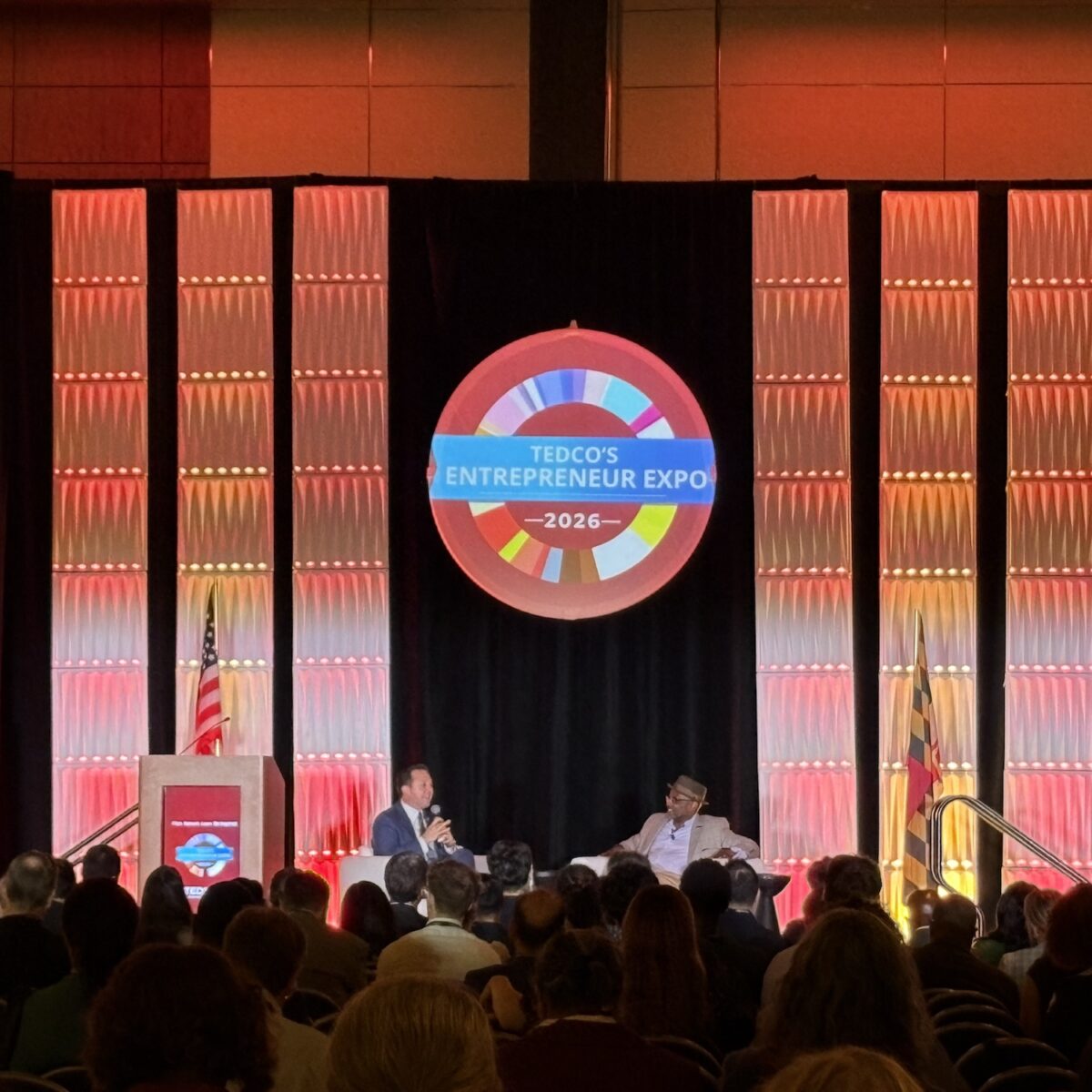
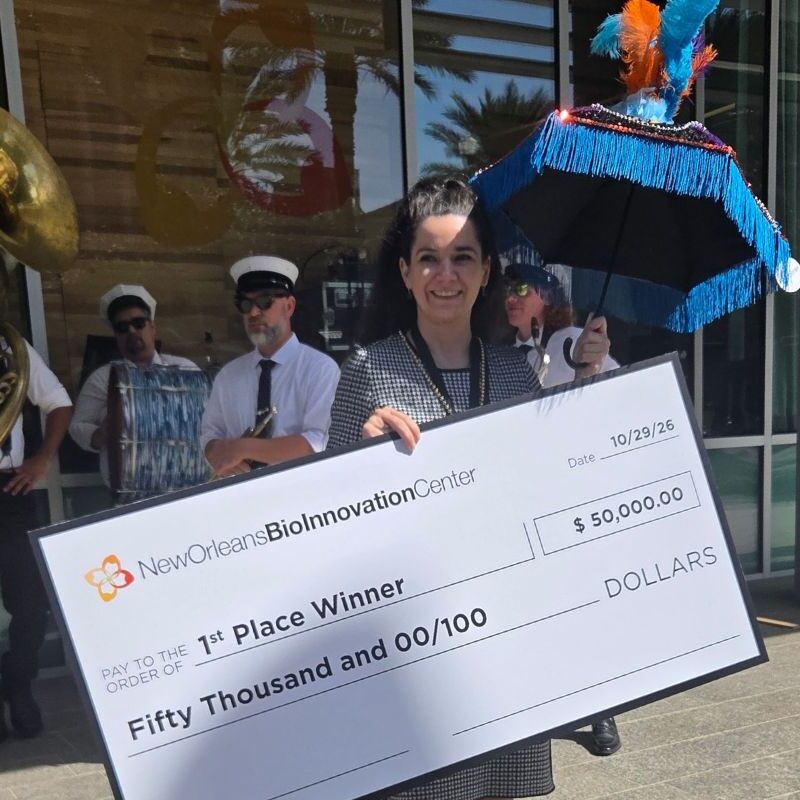
- 37 run their own multi-day week or festival. Examples include Philly Tech Week, Colorado Startup Week, Twin Cities Startup Week, New Orleans Entrepreneur Week, Tulsa Tech Week and Madison’s Forward Fest.
- 8 concentrate their programming in Global Entrepreneurship Week each November. Among them are Kansas City (which, thanks to the locally based Kauffman Foundation, helped build GEW), Memphis and Sioux Falls.
- 22 anchor on a single flagship conference. Venture Atlanta, eMerge Americas in Miami, Indianapolis’s Rally and Austin’s SXSW are in this group.
- 3 do something else entirely. Baton Rouge’s version is Tech Tailgates on LSU home-game Saturdays, organized by Nexus Louisiana.
“Part of the week-long model is simply proving you have enough for a week,” said Brian Brackeen, general partner at Lightship Capital and a Black Tech Week organizer.
Plenty of places are still working on proving it. Of the 35 ecosystems with their own week, 19 launched the current version in 2020 or later. Some are franchises, like Andreessen Horowitz’s Tech Weeks; many are revivals of weeks that lapsed. Last year we asked whether startup weeks had outlived their era of subsidized warehouse parties.
The answer: Many informal parties ended. The weeks didn’t.
Pittsburgh’s new version
The newest example is StartUP PGH, which ran Sept. 14–18. It pulled 15 partners, from Carnegie Mellon University to Allegheny County, into one coordinated week organized by CMU’s Meredith Meyer Grelli. Institutions that backed it said they put effort into coordinating with smaller and more distributed local groups.
Smith, of the Pittsburgh Regional Alliance, is a traditional economic developer learning the ecosystem strategy. He counted 55 outside organizations and more than 20 companies brought to town. At one event, a visitor could talk with a life sciences lead, walk five feet to a CMU researcher and then five more to the mayor.
“We would never have had the ability to do that if these events occurred throughout the year,” Smith said.
Victor Hwang, founder of pro-entrepreneurship Right to Start, put it this way: “If you can get a dozen groups to host their own things, it becomes a broader celebration of the whole ecosystem. It’s not one group that has to organize everything.”
The Startup PGH goal was unusually outward-facing: Raise Pittsburgh’s profile with outside investors and companies in AI, robotics and life sciences. Smith counted 55 organizations from outside the region and more than 20 companies brought to town that week. What the region offered them was proximity. At one event, a visitor could talk with a life sciences lead, walk five feet to a CMU researcher and then five more to the mayor.
Every week I’ve been part of sits on two spectrums. The first runs from centralized (one brand, one ticket) to distributed (many hosts, loose umbrella). The other runs from serving locals to attracting outsiders. You can do some of each, but you have to pick a priority.
Pittsburgh now runs both ends of the second dial. EXPlore: Pittsburgh Tech Week, launched in 2024 by Kenya Porter, serves local technologists and early-stage founders. StartUP PGH overlapped its final days and courted outside capital.
Neither end is easy. “The work is getting so many different groups and people to come together, if only for once a year: That’s hard for everybody,” said Maria Underwood, a Birmingham ecosystem builder and Sloss.Tech backer.
Making sure your week stands out
If every serious region has a week, how does yours stand out? Pittsburgh’s Smith offers two rules:
- Build relationships before you build a conference, and sell experiences, not events
- Give visitors real access to founders, labs, investors, customers and decision makers
The data suggests a third: Pick your dates with purpose.
Forty of the 70 gatherings land in the fall, and only two fall between December and February. An October week competes with San Francisco, Los Angeles, Atlanta and Newark for the same visiting investors. Winter is wide open.
When you get it going, the impact is real, said Damon McWhite, now a co-organizer of Philly Tech Week via 1Philadelphia.
“The access to tech opportunities that existed 15 years ago is not the same as it is today,” McWhite told me on Builders Live, acknowledging the work of stitching together disparate groups. “I’ve definitely seen changes, and I’ve seen advancement in the work.”
Institutions don’t share a stage by default. A week gives them a reason to, and it gives the smallest meetup the same calendar as the biggest university. I’ve been in coalitions like this for close to 20 years, and the work is never finished. That’s the point. A shared project is how an ecosystem learns to organize itself.