At the State Farmers Market in Raleigh, stalls offer an assortment of produce, plants and preserves.
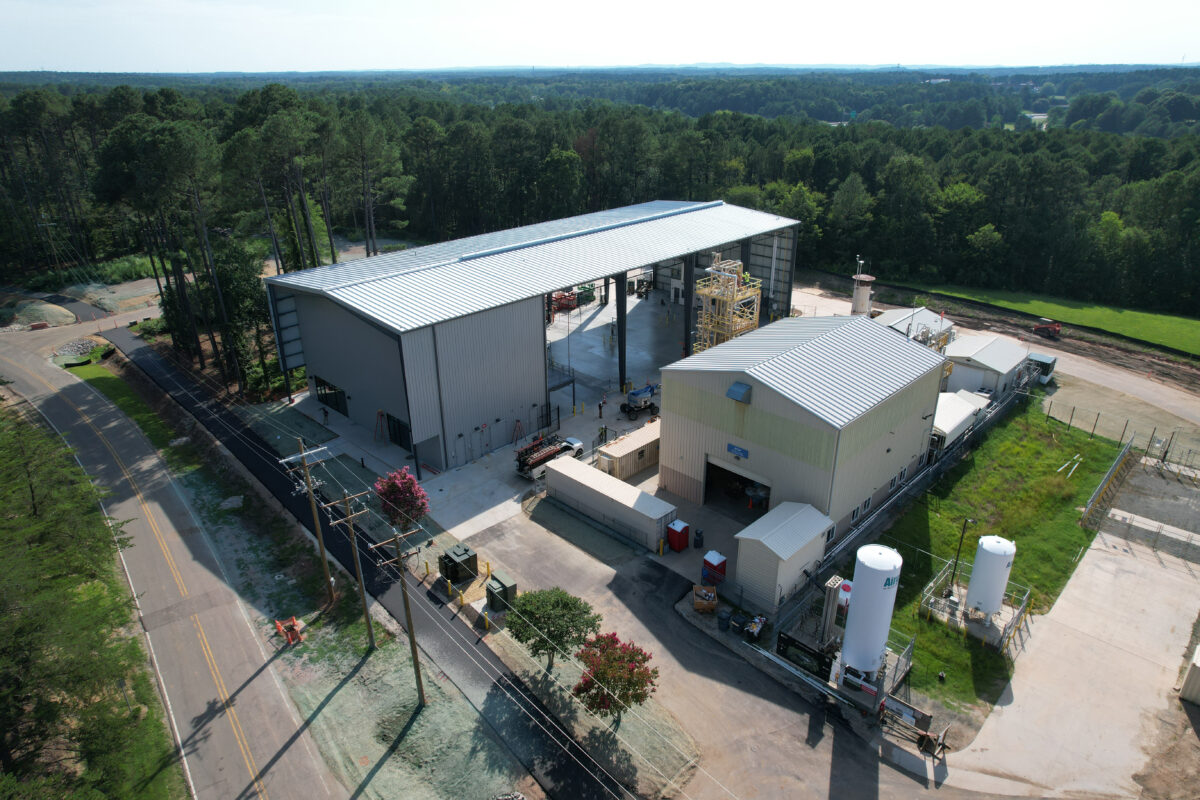
Some 20 miles to the northwest, stalls at RTI International’s Pilot Xcelerator offer chemicals, cooling systems and gasoline.
The similarity is no coincidence. It’s a “farmers market for science,” said Sameer Parvathikar, program director for the global nonprofit‘s new Research Triangle Park facility. Launched in September, its goal is to provide support for idea-stage startups to companies at the commercialization stage.
“What we find is that startups fail … because of all the things that are needed for an idea to succeed go beyond just the science.”
Building hard tech typically requires immense capital and deep institutional knowledge about laws and safety requirements. Instead of tackling these processes solo, services like this exist to outsource infrastructure. It’s common practice in biopharma, where companies like Chrysalis provide regulatory-compliant cleanrooms and shipping services for drug and biotech manufacturing.
Developing the tech is just one part of the process to bring a product to market, said RTI’s Parvathikar. Understanding how to establish a business model or gain government contracts are also necessary.
“What we find is that startups fail not because the science is bad,” Parvathikar told Technical.ly. “It’s because of all the things that are needed for an idea to succeed go beyond just the science.”
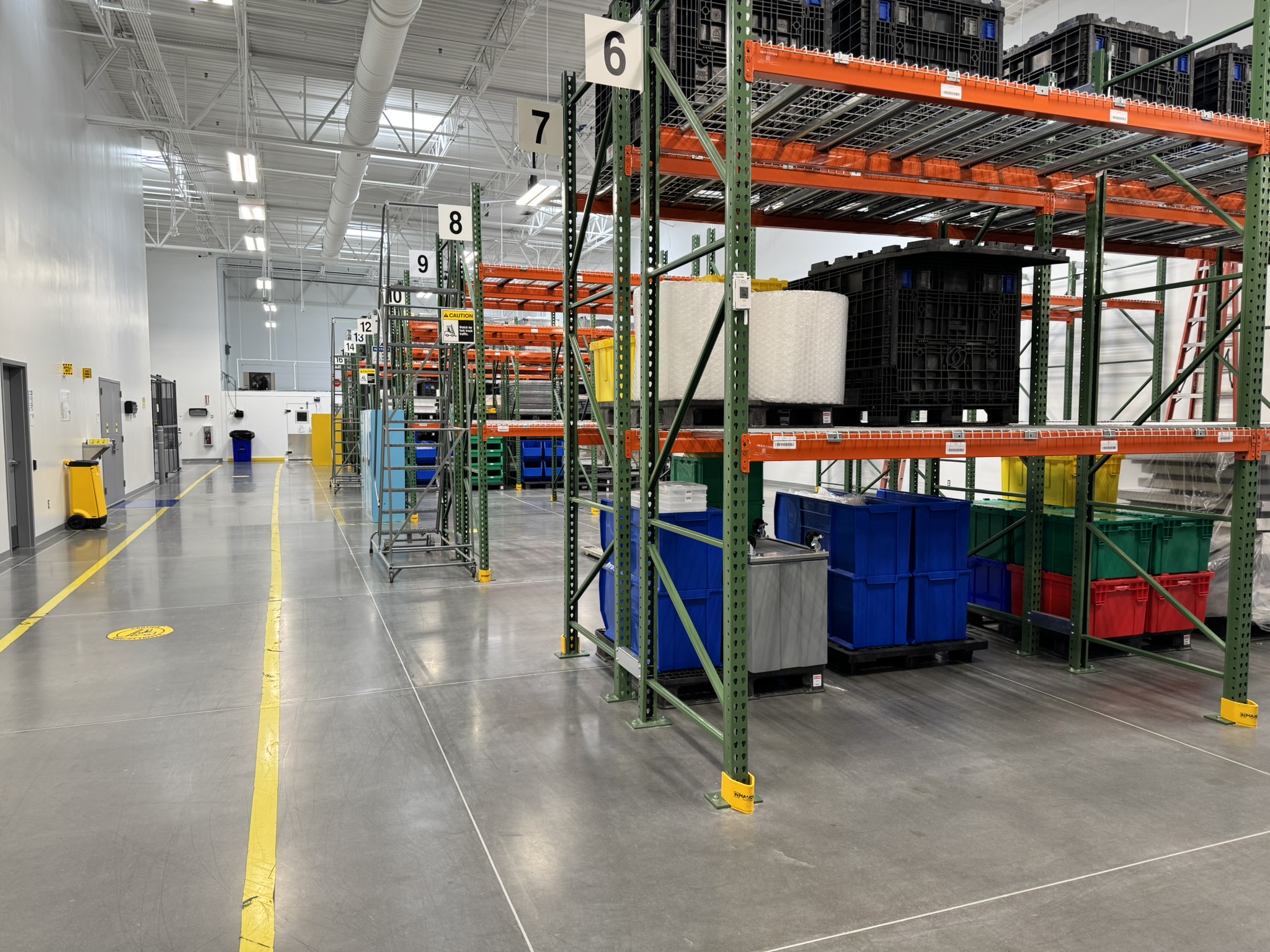
Outsourcing infrastructure is not a new concept. For example, CDMOs (contract development and manufacturing organizations) have been around since the mid-1990’s and provide services in drug development and manufacturing.
There’s a demand for this type of support in the Triangle region. RTI, founded in 1958, invested $14 million to expand its testing and development facility to 25,000 square feet. Chrysalis, founded in 2025, is a newcomer to the ecosystem. Each aims to provide accessible and specialized services for founders — while letting them maintain control of their work.
Clean rooms and 24/7 testing
In addition to its Raleigh site, Chrysalis has two locations in Massachusetts, where it is headquartered. It operates what it calls a “good manufacturing practice” platform for 15 companies, about half in the Research Triangle. The company also offers in-person services at a customer’s existing lab.
“The innovators, our customers, can focus on the science,” said Chrysalis CEO and cofounder Sarah Stevens. “And be assured that we are bringing the right process and support to them in terms of quality.”
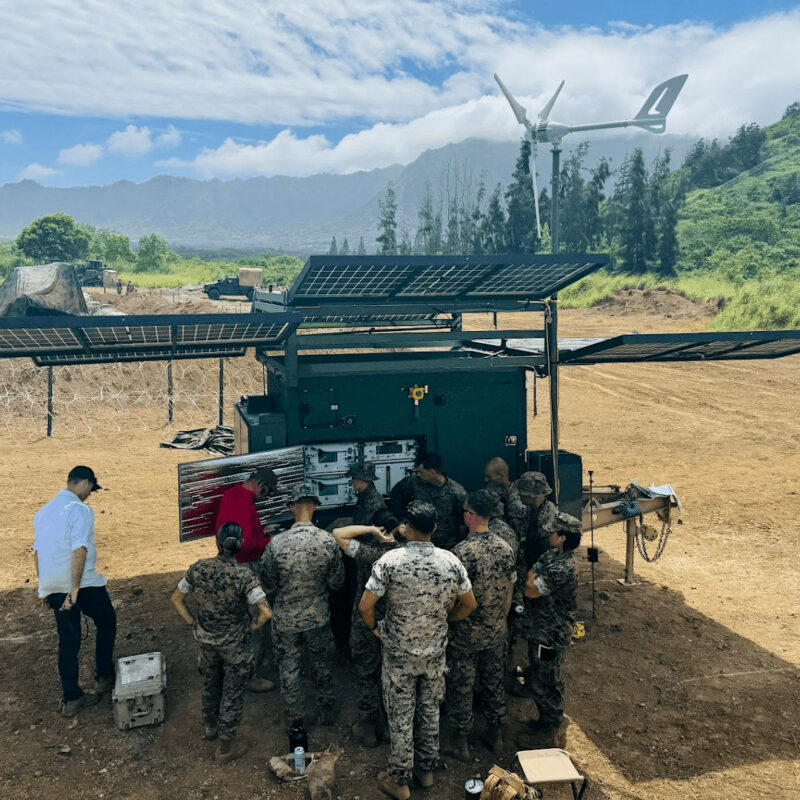
At the Pilot Xcelerator, startups use the organization’s services for various needs, from early-stage economic modeling and regulatory analysis to pilot testing technology. For companies requiring 24/7 testing, RTI’s 50-person operations and engineering team can run around-the-clock campaigns for months at a time.
Outside of manufacturing and testing, this program can help startups move an idea to a proof of concept, Parvathikar said.
The accelerator is currently working with about eight companies on site from across the country. Pricing depends on what services are needed and what is feasible for the startup. RTI also helps founders apply for grants and non-dilutive funding to support their access to the facilities.
“Our goal really is how can we lower all the barriers so that these companies can be successful,” Pravatikar said.
Who keeps the IP? It depends
Retaining ownership is a key perk of Chrysalis’s services, CEO Stevens said.
Instead of fully handing off materials, founders work alongside Chrysalis staff in the facilities to maintain control over the processes. Customers also retain all of their intellectual property, which is not always the case with other outsourcing services.
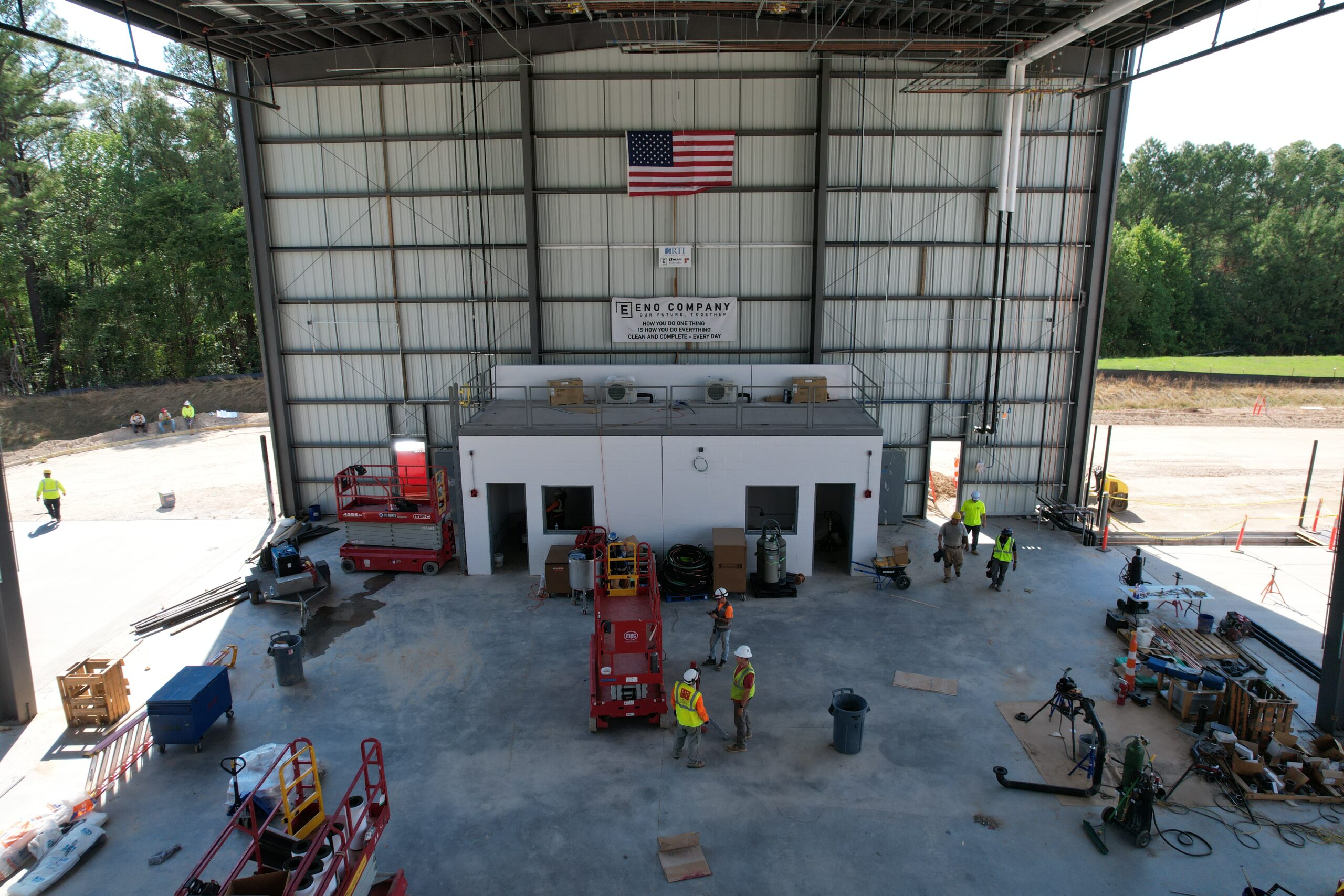
At the RTI Pilot Xcelerator, IP agreements depend on how a project is funded and structured. If a startup and RTI co-develop a technology under a joint grant, the IP arrangement relies on what the specific grant allows, Parvathikar said.
In some cases, a startup’s end product might require technology RTI has already developed. In those scenarios, the nonprofit can license its pre-owned IP to the companies. For example, RTI has spent nearly a decade developing low-cost carbon capture technology, which could be relevant for an energy startup to use, Parvathikar said.
RTI and Chrysalis both see being in North Carolina as a strategic advantage, citing the dense concentration of universities, academic hospitals and established pharmaceutical companies. RTI was the first tenant in Research Triangle Park when it was established to help keep local university graduates living in the state.
Today, that same retention goal applies to intellectual property and high-growth companies. That includes university spin-outs successfully reaching a stage of development then transferring their technology to facilities on the other side of the country, Stevens said. She wants to keep that work local, going as far as hosting open houses with investors to see clients’ tech.
“We provide this enabling part within the RTP, within the North Carolina infrastructure,” Stevens said, “This innovation, research and people — can stay there.”