Making an eco-friendly product is one thing. Getting people to buy it is another.
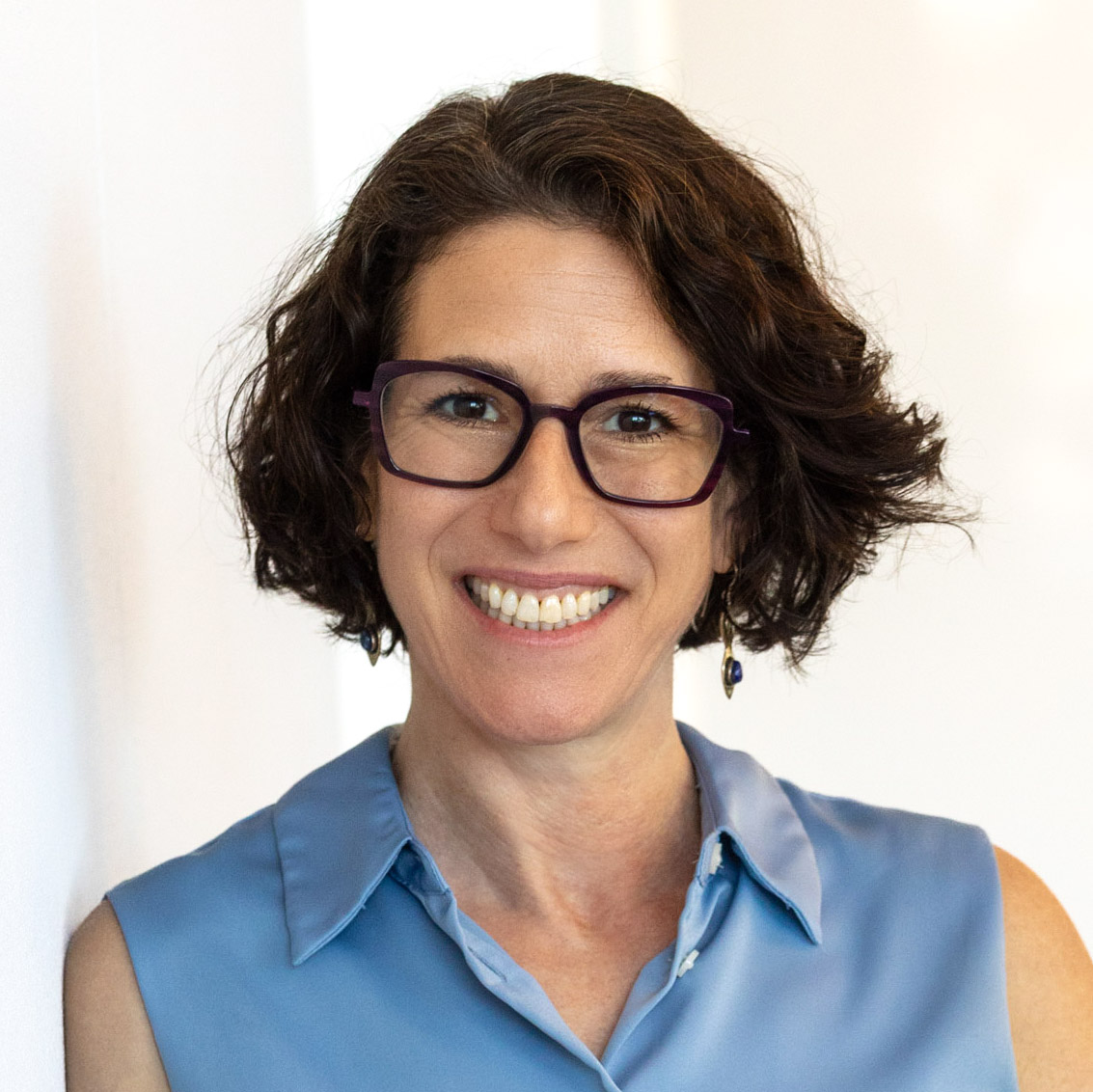
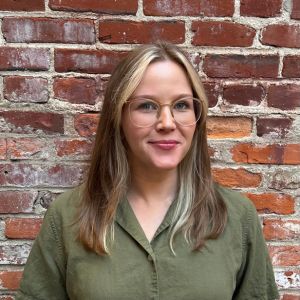
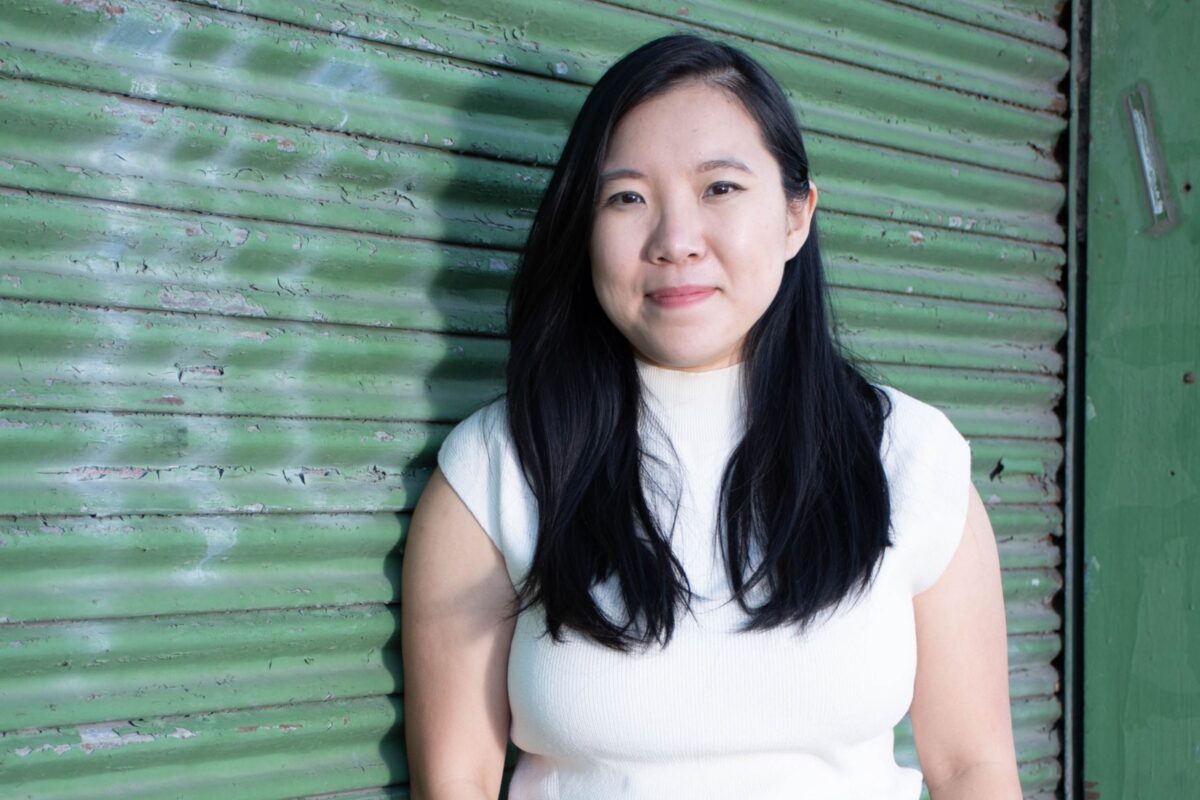
Melinda Su-En Lee, cofounder and CEO of Pittsburgh-based Parcel Health, learned that for companies trying to do both, finding the right balance can take plenty of trial and error.
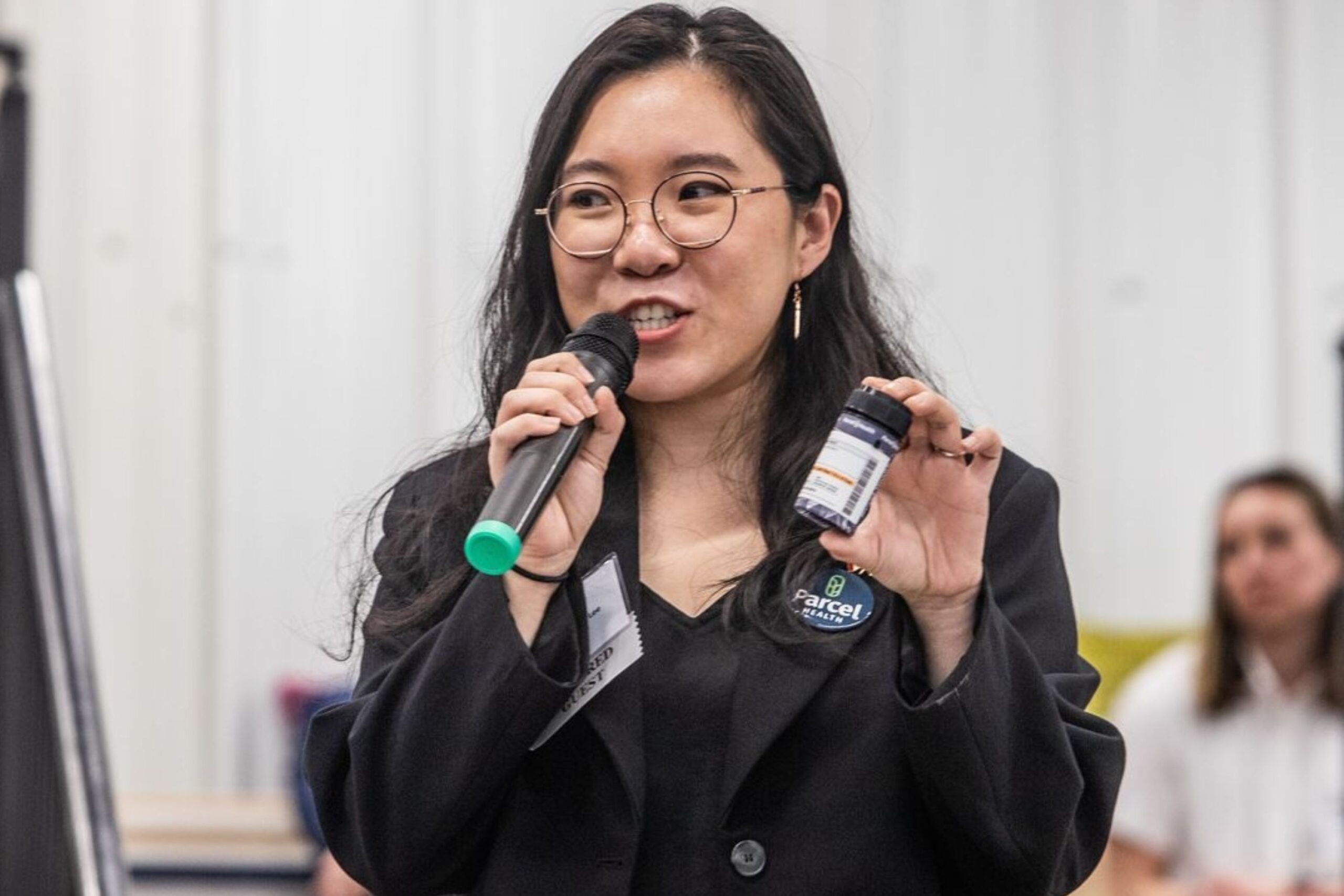
Founded in 2020, Parcel Health makes the Tully Tube, a pill bottle that the startup says uses up to 71% less plastic than traditional prescription containers.
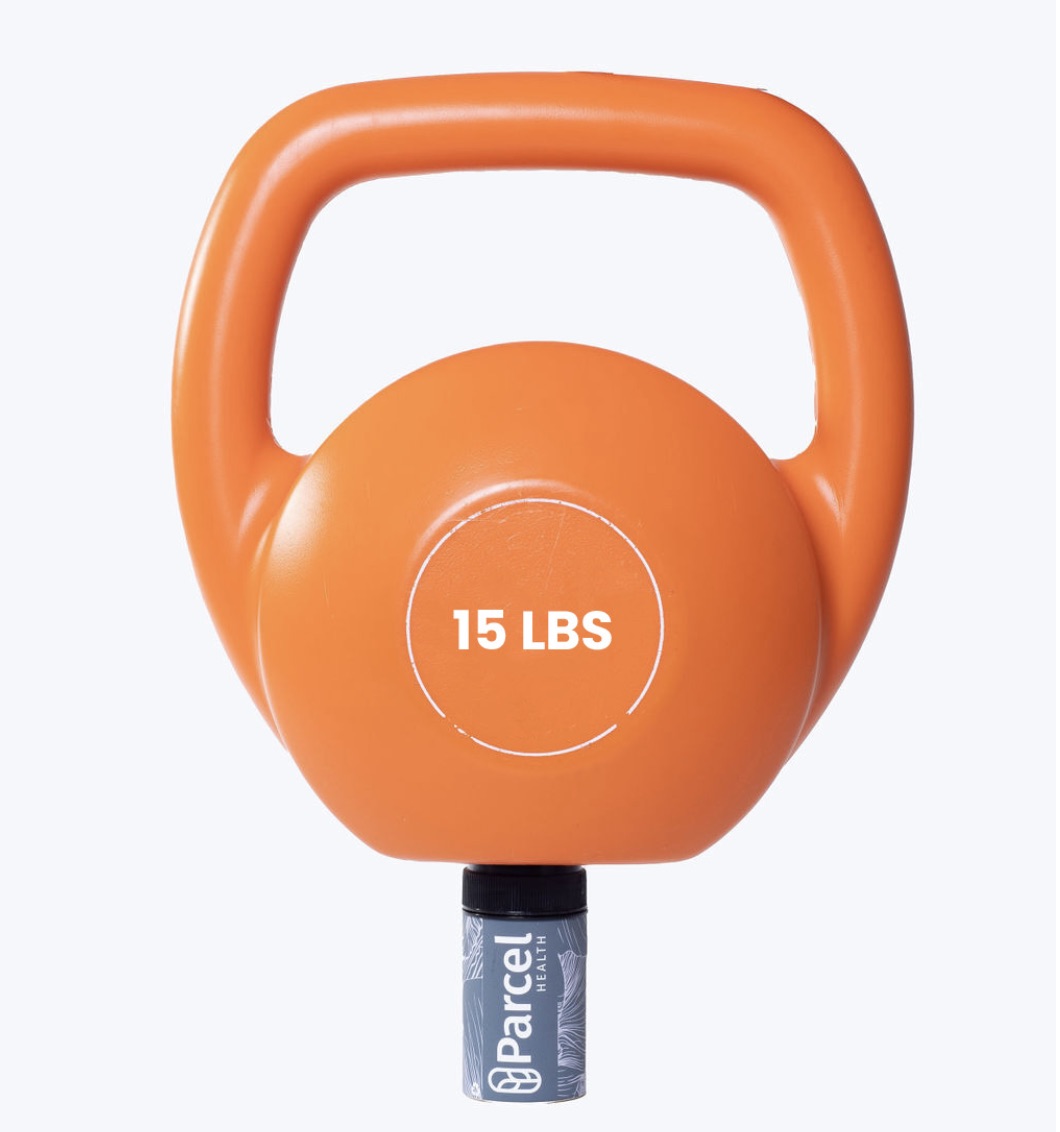
Today, the 2022 RealLIST Startup honoree has sold more than 1.5 million Tully Tubes to over 30 veterinary practices, pharmacies and health systems like UPMC and Allegheny Health Network. It’s landed on Fast Company’s World Changing Ideas list and TIME’s Best Inventions list, but building the Tully Tube hasn’t come easy.
“There were a lot of setbacks,” Lee told Technical.ly. “Nothing about building a company is easy.”
Parcel Health’s first products were entirely paper-based, but adoption was low. About three years in, Lee and cofounder Mallory Barrett made the difficult decision to incorporate plastic to make the products child-resistant and compatible with pharmacy automation equipment.
“It was the right decision because once we did it, the market responded very, very positively,” Lee said. “We would not have achieved the same amount of impact as we have now — with the amount of plastic waste we’ve reduced — if we were not willing to make that business decision at the time.”
In this edition of How I Got Here, Lee shares her journey from being a kid in Malaysia to a founder in Pittsburgh, what it takes to find the right cofounder and her advice for inexperienced entrepreneurs.
This Q&A has been edited for length and clarity.
What made you passionate about sustainability?
I was born and raised in Malaysia, so plastic waste was always top of mind for me growing up.
When I was a very young kid, before recycling was commonplace, I would volunteer at the recycling sorting center.
My parents hated that I was spending my weekends this way instead of doing something more productive, but I’ve always cared about the environment. I love nature and I love preserving nature.
As I grew up, I put that aside and pursued my career. I went to pharmacy school and realized how much plastic waste is generated by the industry, and a lot of that plastic waste is sent abroad to other countries, like Malaysia. It became this calling for me because it just really broke my heart.
I wanted to change things, and for a long time I thought I was the only person who felt that way, but genuinely every single healthcare provider — be it a pharmacist, a nurse, a surgeon or any type of physician — any time I bring this up, they have a long list of plastic waste that they’ve seen in their small practice that they want to solve.
A lot of us go into this profession to help people, and we didn’t necessarily sign up to be a participant in generating just mountains of waste.
How do you find the right cofounder fit?
I was going through thousands of pill bottles in pharmacy school and had an idea for a new type of product, but I didn’t know the first thing about product design.
So, I started searching online and found Mallory Barrett. She’d won a competition designing a reusable pill bottle. I read an interview she did and we had the exact same thought process, so I reached out to her on LinkedIn.
I had a personal rule: I always knew I would not start a business with a family member or a friend.

It was always my desire to start a business with somebody who shared the same passion, so that would be my primary advice.
My second piece of advice is to meet as many people as possible to determine fit. The right person is the one who ultimately is willing to argue with you and come to a resolution with you.
I think sometimes on the outside, people think Mallory and I just have the best time — and we do, we work phenomenally together — but we disagree a lot. We know that disagreement comes from a place of passion, not a place of disrespect. We both care about this so much and that makes arguing very easy when you know you’re both arguing to make the business better.
Why Pittsburgh?
I co-founded the company with Mallory. At the time, she was in Virginia, and I was in Ann Arbor, Michigan.
We registered the business in Ann Arbor because it was primarily still based there, but we received funding from Innovation Works’ AlphaLab Health, so we moved the company and headquartered it here.
AlphaLab Health is a joint partnership between Innovation Works and Allegheny Health Network (AHN). AHN would go on to be the first hospital pharmacy that adopted the Tully Tube. That then led to so many other health systems trusting us because AHN took the lead on that.
Pittsburgh is a very strategically situated city in terms of getting products delivered to most of the country. This is what I tell a lot of my coastal investors: Pittsburgh is centrally located. Our warehouses are based here, and we can get products out really quickly to Ohio, Michigan, New York and to the South. It’s been a great decision for us.
What advice would you give a healthtech founder at the beginning of their journey?
Go for bigger swings.
When you’re raised in a healthcare-academic environment, you’re very used to minimizing and calculating risk, but the world is a place of opportunity.
There’s a lot that you won’t know. To calculate risk, you have to know a lot, but the problem is you don’t know, so when you calculate risk it’s going to be an inaccurate portrayal anyway.