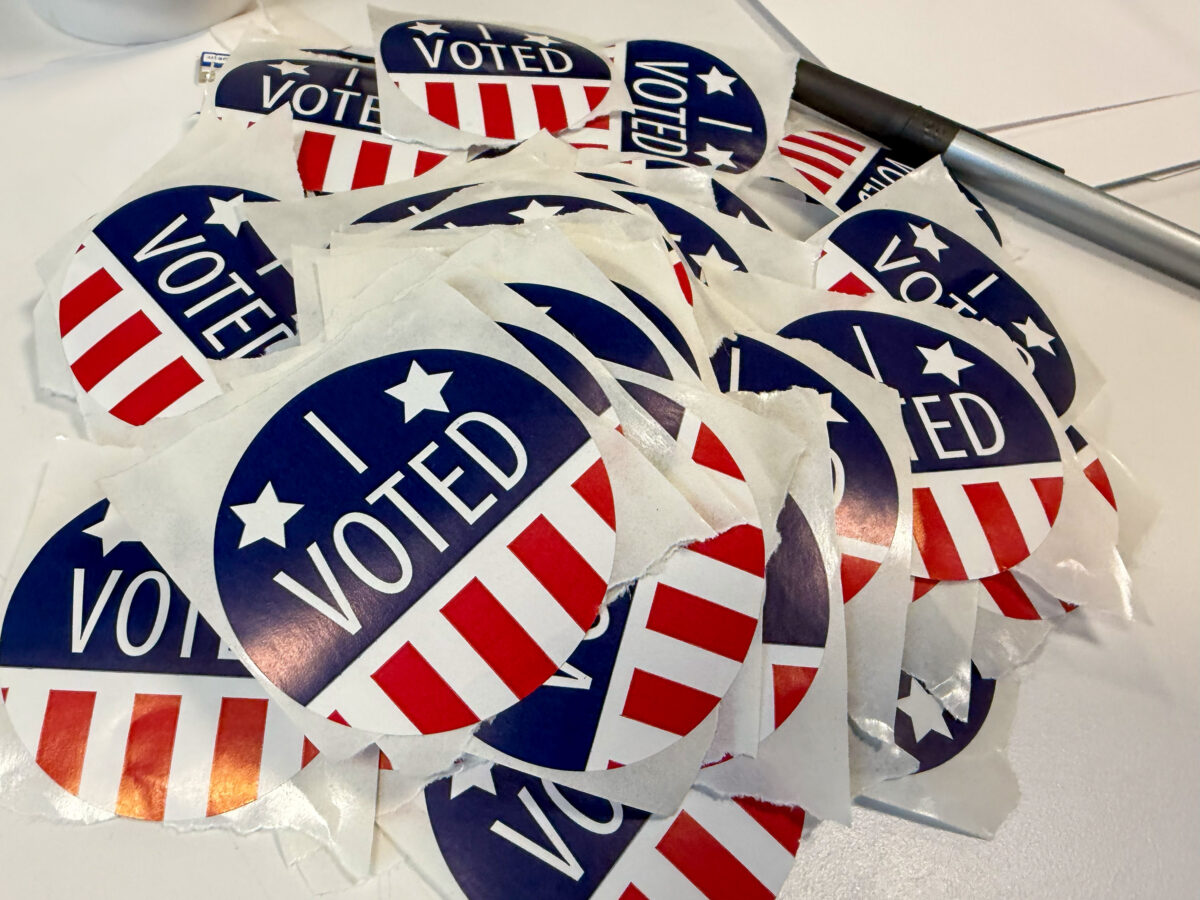
The Nov. 3 midterm elections will determine control of Congress and put governors’ offices and state legislatures on the ballot, with consequences for the people building local tech economies.
For founders, technologists, community leaders and their neighbors, stakes include public investment in startups and workforce training, plus the rules governing the data centers powering AI.
Pennsylvania and Maryland are choosing governors. Louisiana, North Dakota and Delaware voters are electing a US senator and their respective US House representatives. (Louisiana’s House contests are open primaries on Nov. 3, with runoffs on Dec. 12 if needed.)
Follow vote counts below on the races for governor, US Senate and US House via the Associated Press, and scroll to read Technical.ly reporting on the policy choices behind the campaigns.
Live election results
Tech and innovation on the ballot
Our reporting explores how election-year debates connect to the places where people work, build companies and live.
• How ChatGPT and Gemini handled our questions about the Pittsburgh election — Our tests of chatbot voting guidance found small but consequential errors. Use official election resources to check voting information!
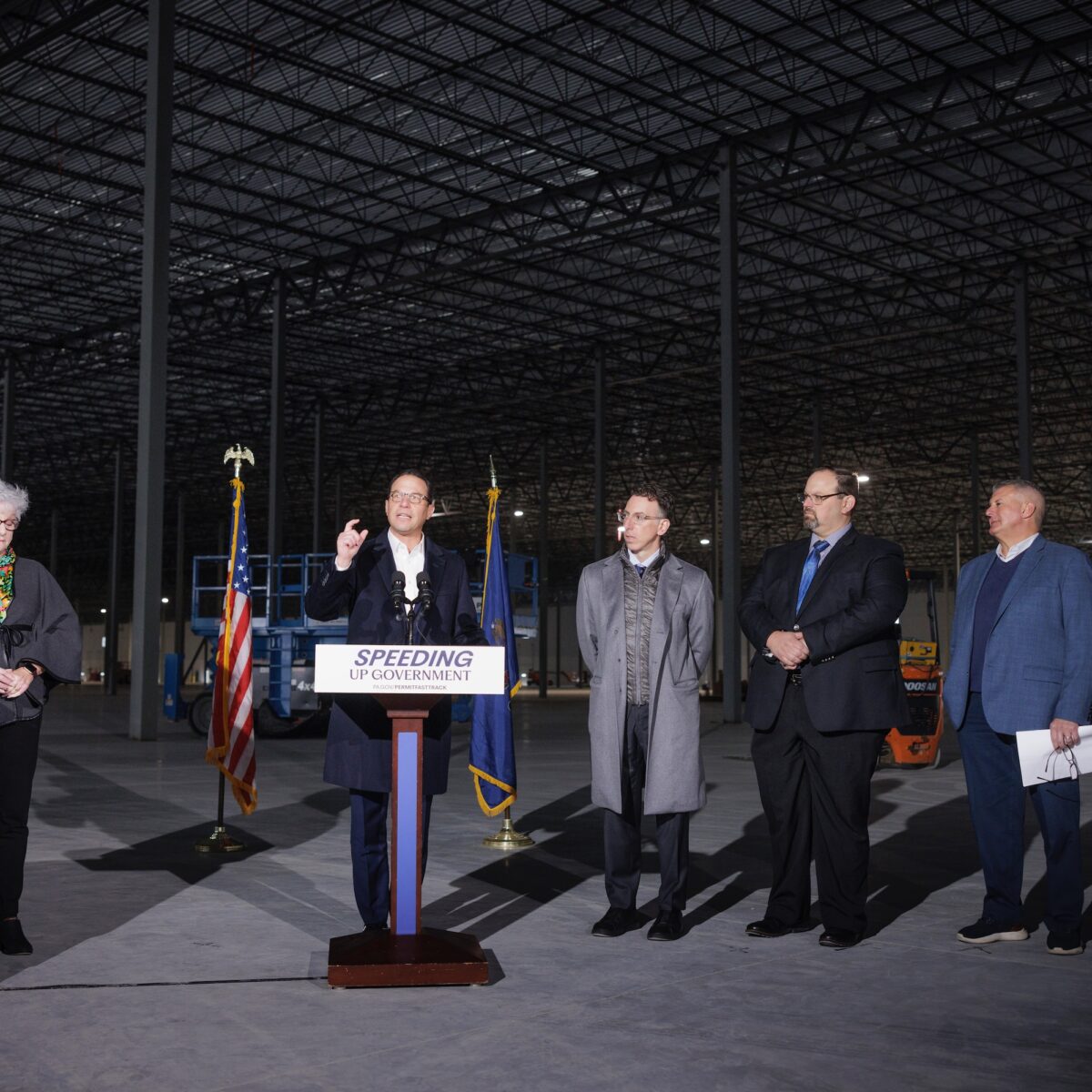
• Shapiro’s pivot: Where Pennsylvania’s major data center projects stand now — How the governor’s approach shifted amid public opposition, and where nine projects previously in expedited permitting stand.
• Crypto is becoming a campaign issue as midterms loom — At March’s DC Blockchain Summit, lawmakers and Senate hopefuls outlined approaches to digital-asset rules, consumer protections and innovation.
• Can state lawmakers control the data center boom in Southwestern Pennsylvania? — Pennsylvania legislative candidates’ positions on data centers, and what power they actually hold.
• Gov. Wes Moore forms task force to review Maryland data center proposals — The governor’s review process responds to a debate over development and public oversight.
• As data center pushback flips local elections, activists bring the fight to Annapolis — How opposition shaped local primaries and demands for statewide action in Maryland.
• New energy rules for data centers, new capital for startups: Inside PA’s $50.8B budget — The connections between state spending, entrepreneurship, career training and digital infrastructure.
• Louisiana has $113 million in federal money for startups, but it isn’t picking who gets it — How Louisiana channels federal small-business funding through local venture funds, and what that approach could mean for the state’s startup economy.
• Economic development’s broken math of buying jobs — Public subsidies for big employers face growing scrutiny, and how their costs compare with support for homegrown upstarts.
• Governors say they’re pro-entrepreneurship. Prove it. — Delaware Gov. Matt Meyer discusses how licensing, workforce systems and state policy can support entrepreneurs rather than just established companies.
• Where economic development goes now — Across party lines, states are testing policies to grow local businesses, with questions remaining about funding, accountability and lasting results.
• PA is distributing nearly $450 million in BEAD funding to connect 71,000 homes and businesses — Pennsylvania is moving broadband projects forward after federal rule changes delayed its plans, while advocates press for support for affordability and digital skills.
• Behind the Ballot: Election tech in PA — From vote to final tally, a look at how officials in Philly and surrounding counties process your ballot.
• Inside the tense City Hall hearing over Baltimore’s data center future — Councilmembers face the community as it debates industrial zoning.