Startup profile: Chrysalis
- Founded by: Brent Martin and Brittany Martin
- Year founded: 2025
- Headquarters: Baton Rouge, LA
- Sector: Healthtech
- Funding and valuation: $400,000 raised from an angel investor
- Key ecosystem partners: TOPx Department of Health and Human Services Tech Sprint for AI and Invisible Illness
A Baton Rouge startup is building an app to give you an AI-powered timeline of your personal health history, connecting everything from medication side effects to daily symptoms, weather and air quality.
Chrysalis founder Brent Martin and cofounder Brittany Martin developed the tool during a 12-week federal health technology sprint, with the goal of helping people with chronic illnesses identify patterns and be able to give doctors a more complete picture of their health. It creates a “cheat sheet” for medical providers, showing what’s working, how symptoms are connected and what care has looked like.
“The reason invisible illness is invisible is because we don’t know how to look for it sooner.”
Brittany Martin, Chrysalis
“The purpose of the app is that root cause analysis, where you suspect something and then you’re working with your care team to figure it out,” Brittany told Technical.ly.
Chrysalis went from concept to app during the couple’s time in the NIH program called the TOPx HHS Tech Sprint for AI and Invisible Illness, which gives founders the opportunity to develop technology that improves detection, care and decision-making for conditions like Lyme disease, long COVID and autoimmune diseases. It was selected as a Phase 1 winner, and the Martins are waiting to find out if they’ll receive an additional cash prize.
“If you as a founder can find any kind of initiative like this that forces you to have some outside accountability and deliverables,” Brittany said, “that’s really what’s accelerated us and forced us as a team to not compromise.”
With $400,000 in backing from an unnamed angel investor, the Chrysalis beta is expected to include conversational health history capture, condition and evidence tracking, clinician handoffs and drug and supplement information aimed at helping users make connections.
Patient advocacy built from personal experience
Health tracking apps are common, with options already available to track complex conditions or offer conversational features. Chrysalis aims to stand out by helping people be their own advocates. It’s designed for people acting as their own case managers for complex, hard-to-diagnose illnesses, and focuses on bridging the communication gap between patients and multiple doctors.
That focus stems partly from Brent’s own experience with Lyme disease, which he said took years to diagnose.
“The reason invisible illness is invisible is because we don’t know how to look for it sooner,” Brittany said.
The pair formally started Chrysalis in June 2025, initially focusing on privacy and infrastructure for using AI. The HHS sprint — and its challenge around making invisible illnesses more visible — gave them a reason to focus that technology on health.
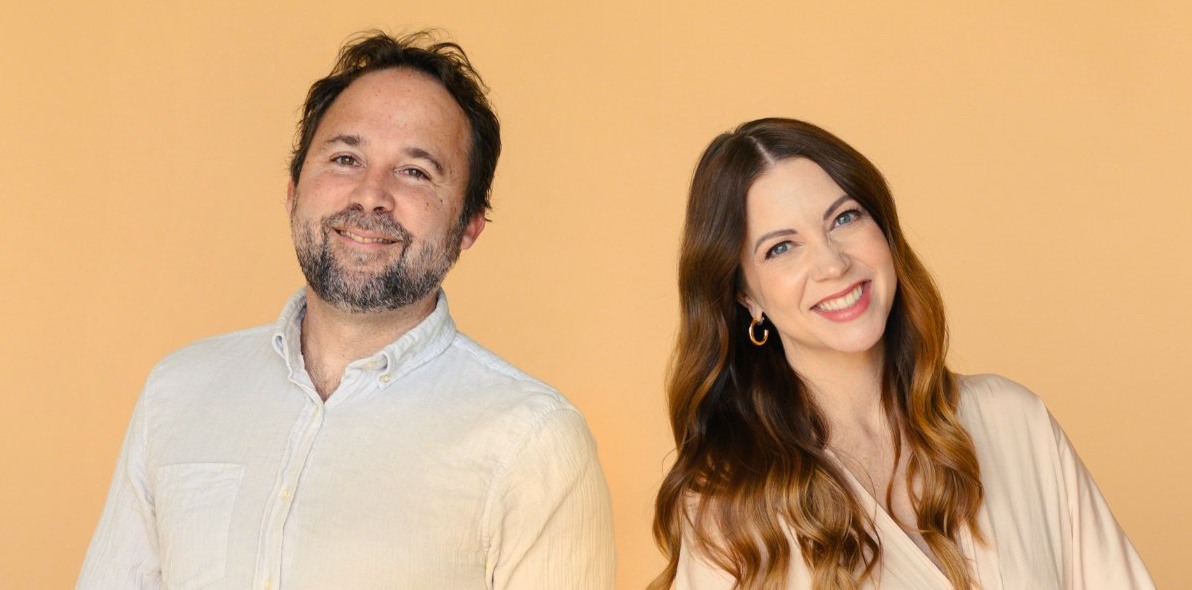
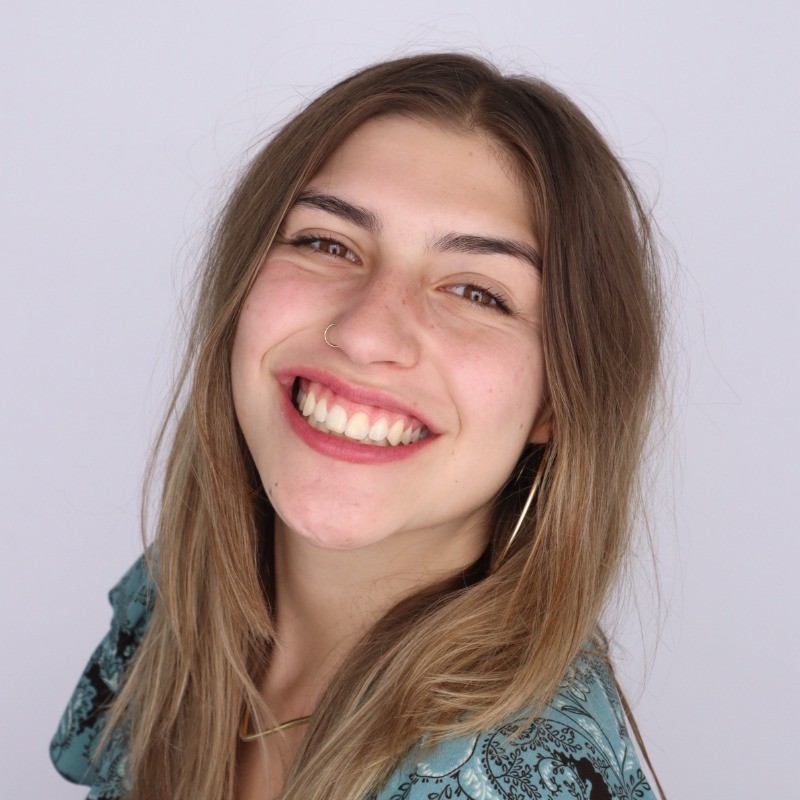
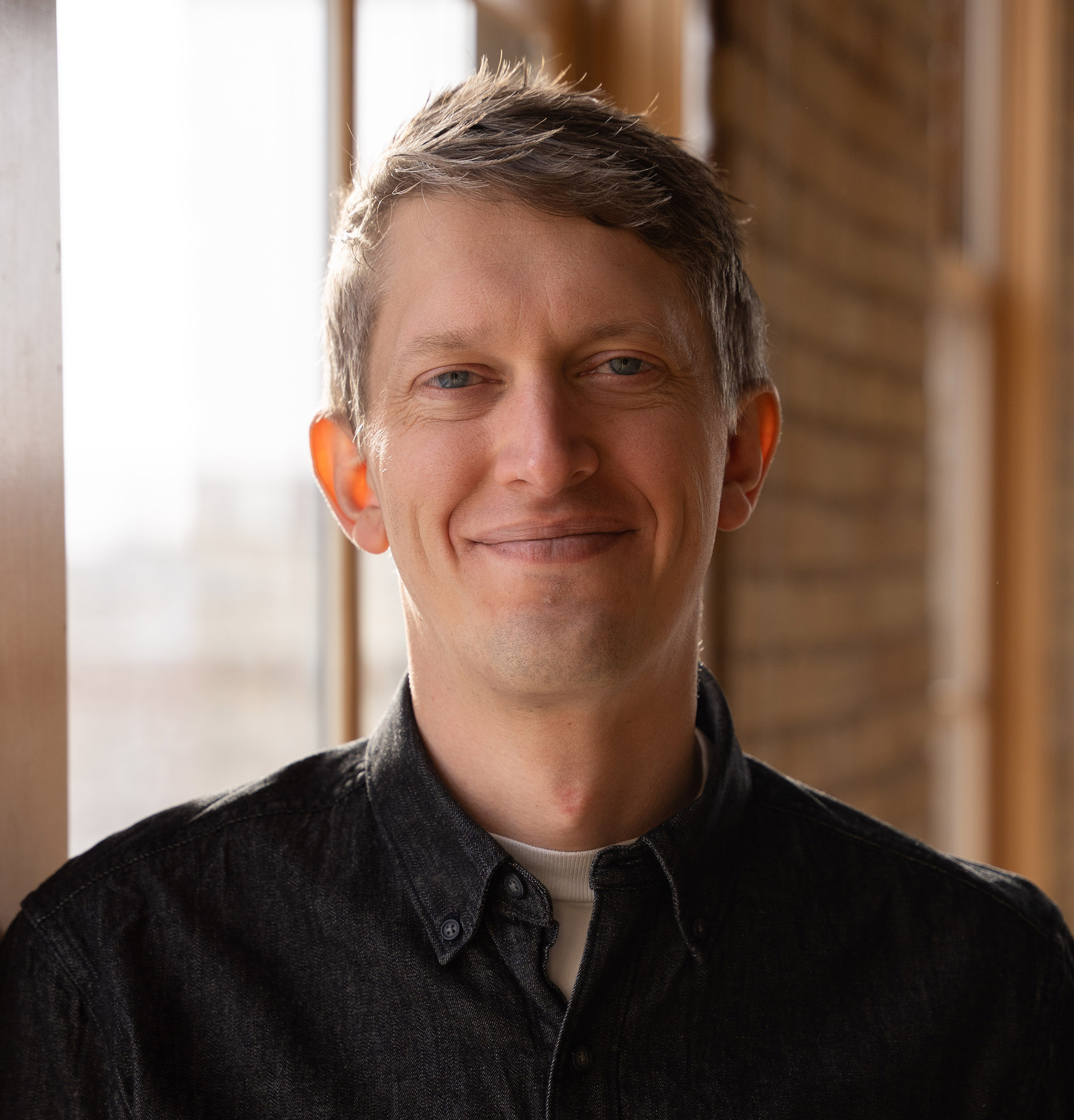
Brent and Brittany Martin, co-founders of Chrysalis (Eye Wander for Chrysalis)
“AI is what helps us to take that unstructured data and make it more structured,” Brent said, “and that’s kind of the big opportunity that AI has as we move into how do we apply AI to healthcare.”
The Martins say they’re building in Baton Rouge because it’s home. Both founders have roots in Louisiana and family nearby.
As they look beyond the federal program, they’re starting to explore local resources and opportunities focused on rural health. Brent said he has needed to go outside Louisiana for healthcare and treatment, shaping his interest in tools that could help bridge access gaps for patients who have to travel long distances for appointments.
The founders plan to begin beta testing early next year. They also want to keep developing the product, including modular clinician handoffs and tools for practitioners to add care plans. They expect to complete their SOC 2 Compliance and HIPAA-related work next month.
Longer term, they hope to use the app to capture what they call missing measures: information about chronic and invisible illness that isn’t routinely collected, such as patients’ pain levels and whether they feel believed.
With users’ consent, they envision sharing some of that information at the federal level to help track those gaps and support research.
“The experts need to connect with each other,” Brent said. “They need better data.”