Public funds are being aimed at some of Pittsburgh’s biggest economic challenges, including the housing shortage and the manufacturing base.
Allegheny County and a local philanthropic foundation awarded $30,000 at a region-wide hackathon focused on using AI to solve Pittsburgh’s housing supply problem.
Meanwhile, a major battery manufacturer is tapping into a federal loan to consolidate its regional footprint.
Keep reading for more details on these investments and other money moves.
Local property owner wins first place at $30k housing hackathon
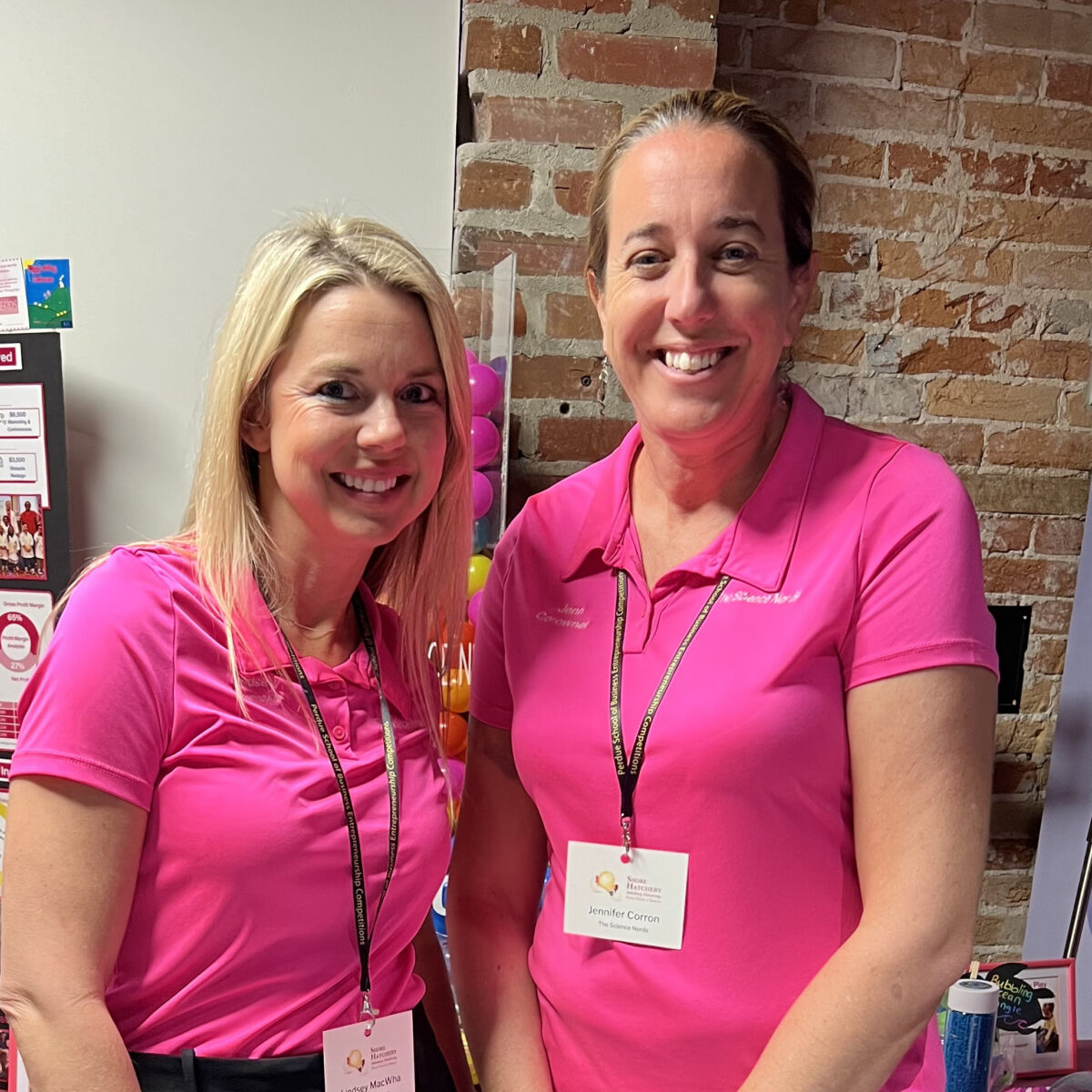
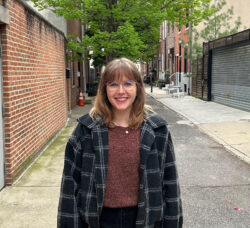
Real estate developer and landlord Paul Martinez beat out over 100 competitors at the AI Strike Team’s inaugural AI for Housing Hackathon on the last weekend of September.
Martinez took home $15,000 for his tool EaseScore.AI. The platform uses public records, zoning rules and other information about a property to show how easy it would be to build there.
With over a decade of experience in local real estate development, rentals, renovations and new construction, Martinez said his “brain was on fire with ideas” when he learned about the hackathon. His experience in real estate is also what he thinks set him apart from the 25 other hackathon projects.
“I’ve been through the actual process from beginning to end,” Martinez told Technical.ly. “I made something that I would personally use, and a tool that I think most people could use easily and understand.”
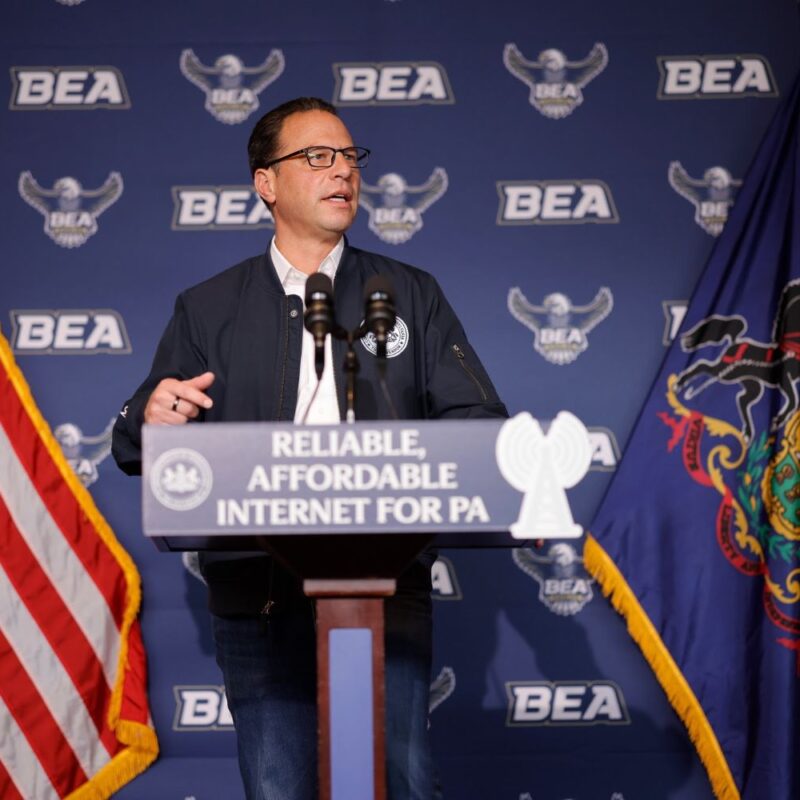
Allegheny County Executive Sara Innamorato announced the virtual hackathon at the AI Horizons Summit last month. The competition tasked participants with building AI tools that address major barriers in housing production, like permitting or fragmented data.
Penn State University student Rishabh Vobbilichetty won second place and $10,000 for the platform ByRight PGH, which evaluates city-owned lots for possible sale.
Ye Zhang from the University of Pennsylvania won third place and $5,000 for VisionPitts, a live map that shows planners and developers where different types of housing are needed across the city, using data on zoning, housing costs and the local renter population.
The top 10 project teams will now move on to a market-making event in Bakery Square later this month, according to AI Strike Team CEO Joanna Doven. Competitors will have a chance to pitch their tools to city, county and state public housing officials, as well as local developers.
The Heinz Endowments and Allegheny County Economic Development funded the cash prizes for the competition. The hackathon is part of an effort to make AI a tool for public benefit, according to Innamorato.
“AI will not solve the housing crisis,” Innamorato said in the winner announcement. “But if we put these tools in the hands of people who understand the problems — and connect builders directly with the people who can deploy their solutions — we can use AI to make systems work better, move faster and ultimately help get more housing built for everyone.”
Eos draws on $300M federal loan for facility consolidation
Eos Energy has received an $87 million advance on its federal loan guarantee to consolidate its manufacturing operations in the region.
The Pittsburgh-based battery manufacturer is using a portion of its $303.5 million loan guarantee from the US Department of Energy (DOE) to build a second production line at its Thorn Hill facility in Warrendale, PA. This second line will replace its manufacturing operations in Turtle Creek, PA.
“Running two lines under one roof drives more efficient use of our engineering, support resources and labor,” Eos COO John Mahaz said in the announcement. “This enables the operation to increase productivity and optimize manufacturing cost.”
Eos plans to continue using its Turtle Creek location for assembly, testing and shipping, according to an August press release, but the move will impact approximately 250 employees. Those workers have been offered roles at the Thorn Hill facility, Turtle Creek’s Building 200 or Eos’ corporate offices, per the release.
The consolidation project should be complete by early 2027 and Eos expects to reduce conversion costs by approximately 10% to 15%.
In late 2025, Eos announced it would move its corporate headquarters from New Jersey to Pittsburgh’s Nova Place by the end of 2026.
The commonwealth awarded $22 million for the move and Allegheny County pledged another $2 million, as the relocation was expected to create 735 new jobs and retain 265 current jobs, per a release from the governor’s office at the time.
Since 2024, Eos has drawn a total of approximately $178 million from its DOE loan to support its manufacturing buildout in western Pennsylvania.
“We built our manufacturing foundation in Turtle Creek, and we have outgrown the footprint we started with,” Eos CEO Joe Mastrangelo said in a prepared statement. “Bringing battery manufacturing together at Thorn Hill gives us the space and capacity we need for the next phase of growth while keeping jobs, investment and opportunity right here in Allegheny County.”
More money moves:
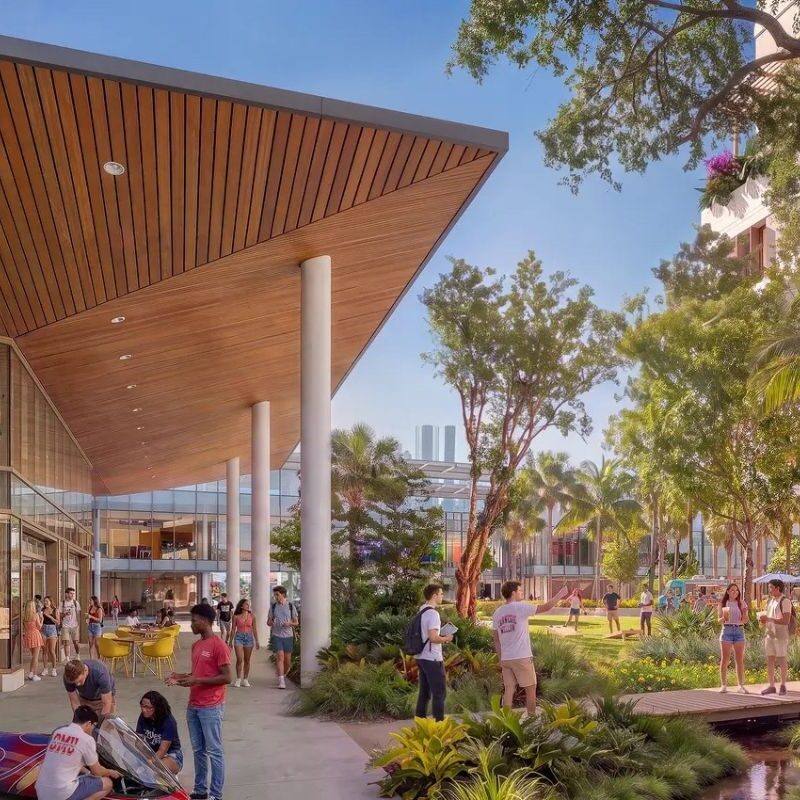
- Citadel CEO Ken Griffin gifted $3 billion to Carnegie Mellon University to fund Pittsburgh operations and establish a branch campus in Miami.
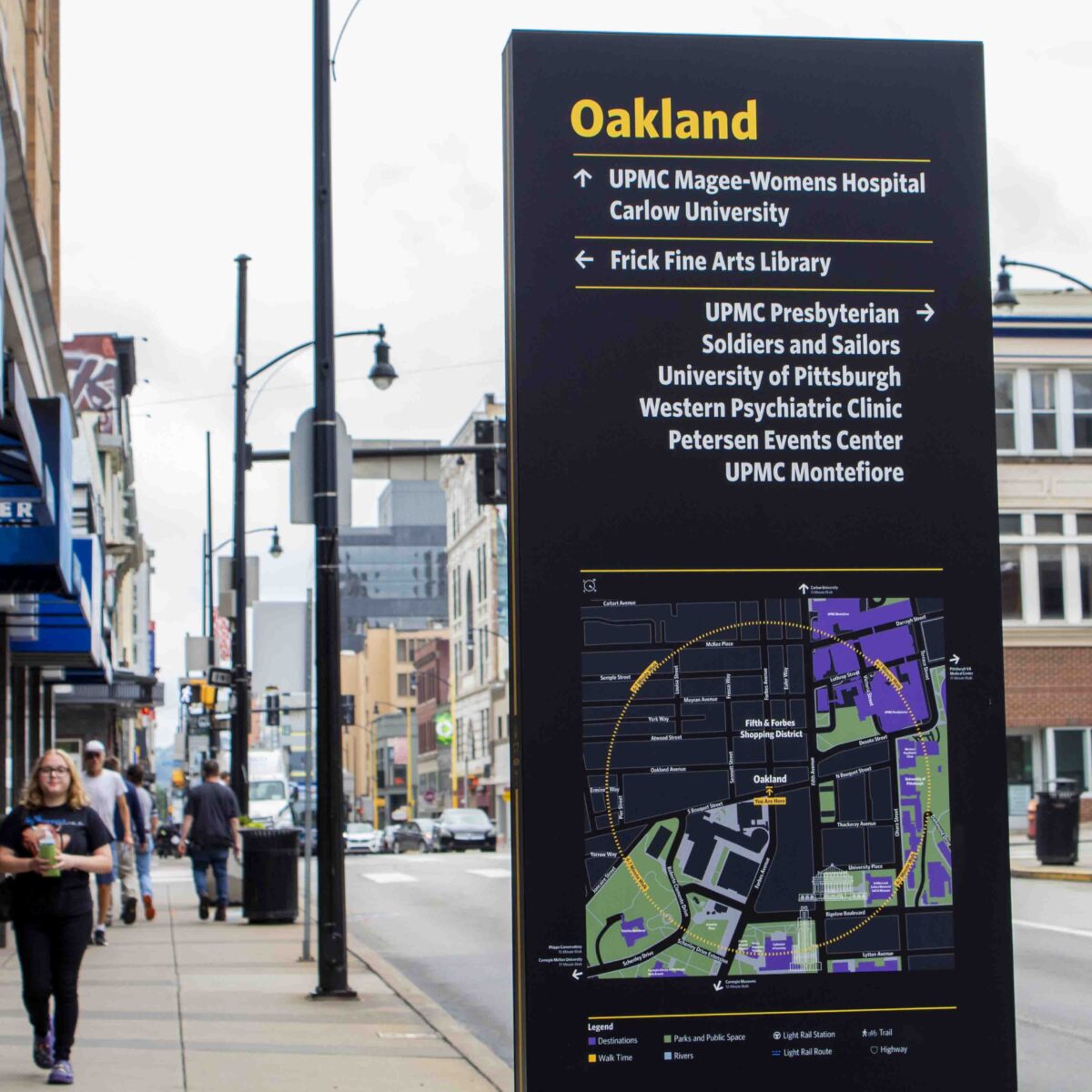
- The University of Pittsburgh announced a $20 million project to bring lab space and incubator programming to Oakland.
- Data center cooling startup Glacian Technologies won $10,000 at Pittsburgh Tech Week’s pitch competition.
- Local universities kicked off a 10-year, $320 million NSF engine to fund innovations for the US grid.
- Energy infrastructure startup CorePower reported a $10.6 million raise, with the company raising about $14 million total, according to filings.
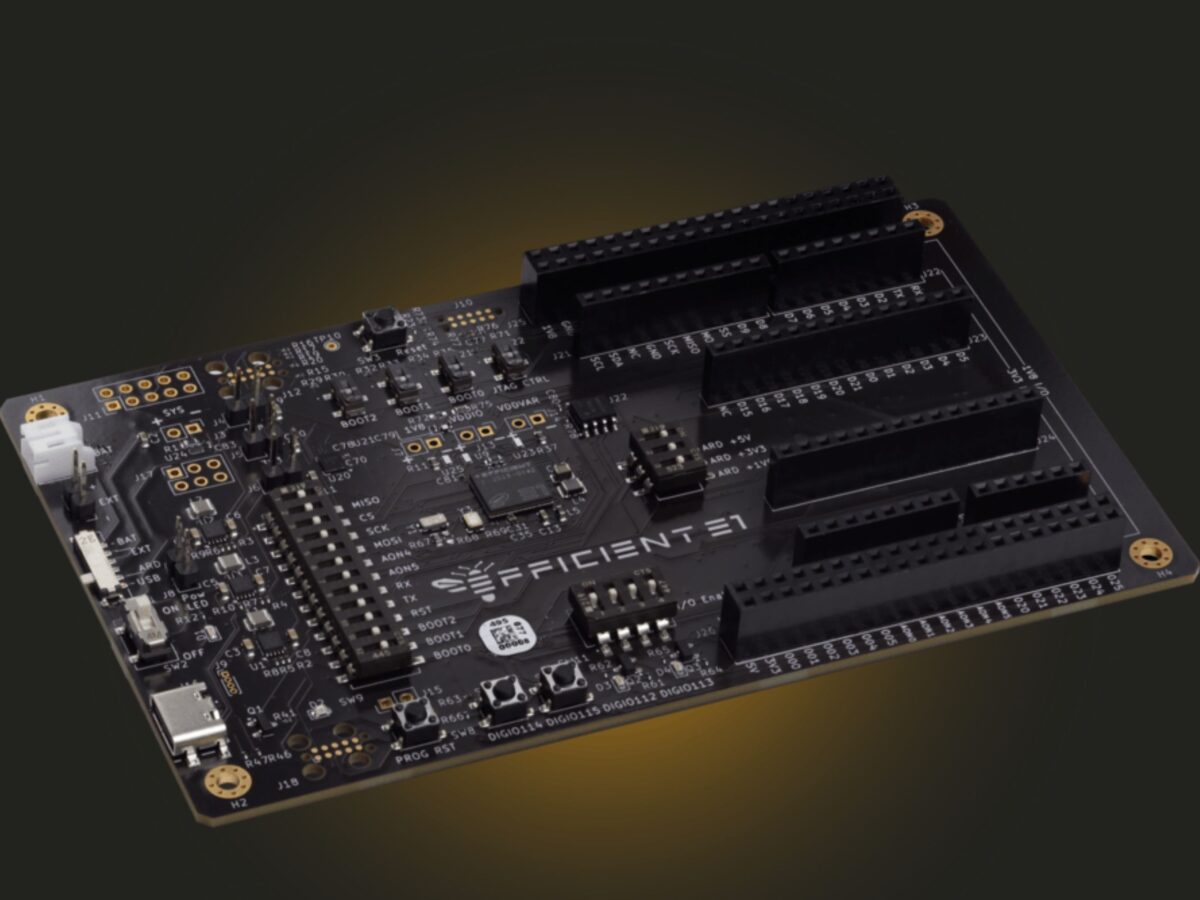
- Computer chip startup Efficient Computer announced it raised $97 million Series B at a $650 million valuation, after initial filings showed the company aimed to raise $103 million.
- Journey Robotics, an automated baggage-handling robotics company, secured second place and $2,500 at the Startup World Cup New York Regional Competition.
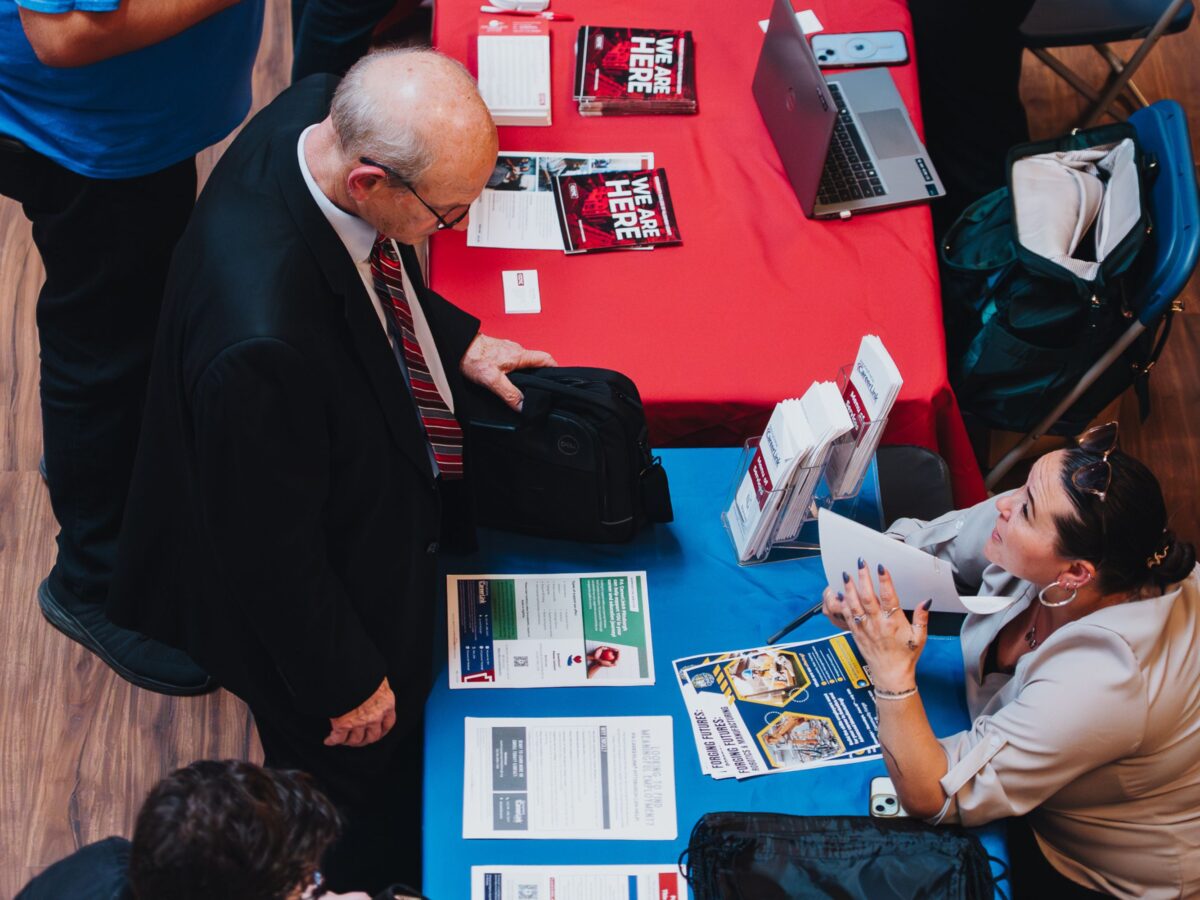
- The Richard King Mellon Foundation granted Frontline Gig $250,000 to connect residents to employment using its platform.
- Applications are now open for the $1.5 million Catalyze Pittsburgh Challenge. Prize money is available to organizations with new ideas for programs that connect students in the region to careers in emerging industries. Applications close Oct. 30.