
A Southern University student team took top honors in a statewide cancer-care tech competition with a digital platform designed to help patients hold on to their sense of self during treatment.
The DevDays 2026 Healthcare Challenge: Cancer Care & Prevention, hosted by Nexus Louisiana in partnership with health system partner Ochsner Health on Sept. 25, brought together 10 student developer teams from across the state after an intensive 10-week build using healthcare datasets and real-world clinical constraints.
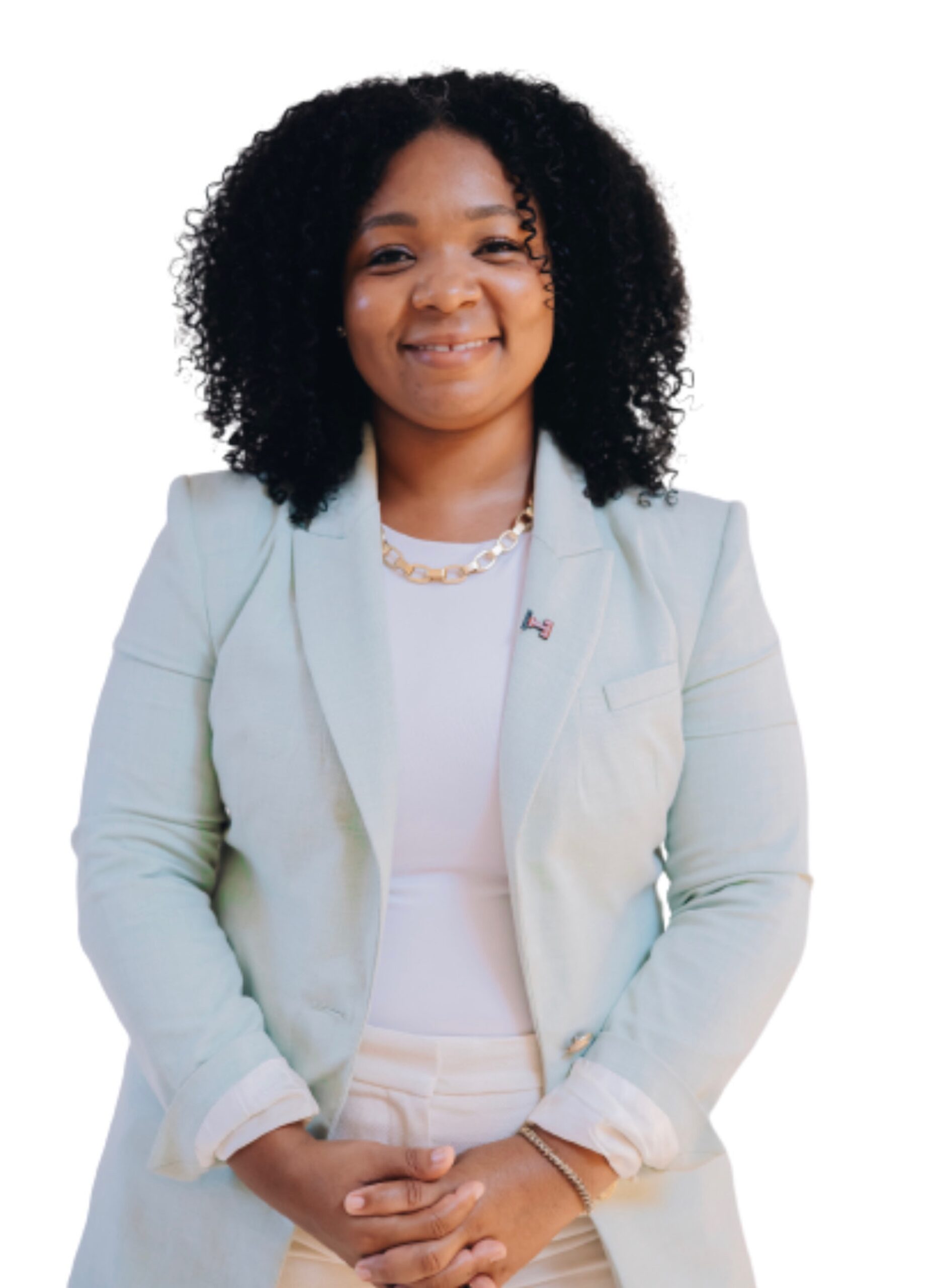
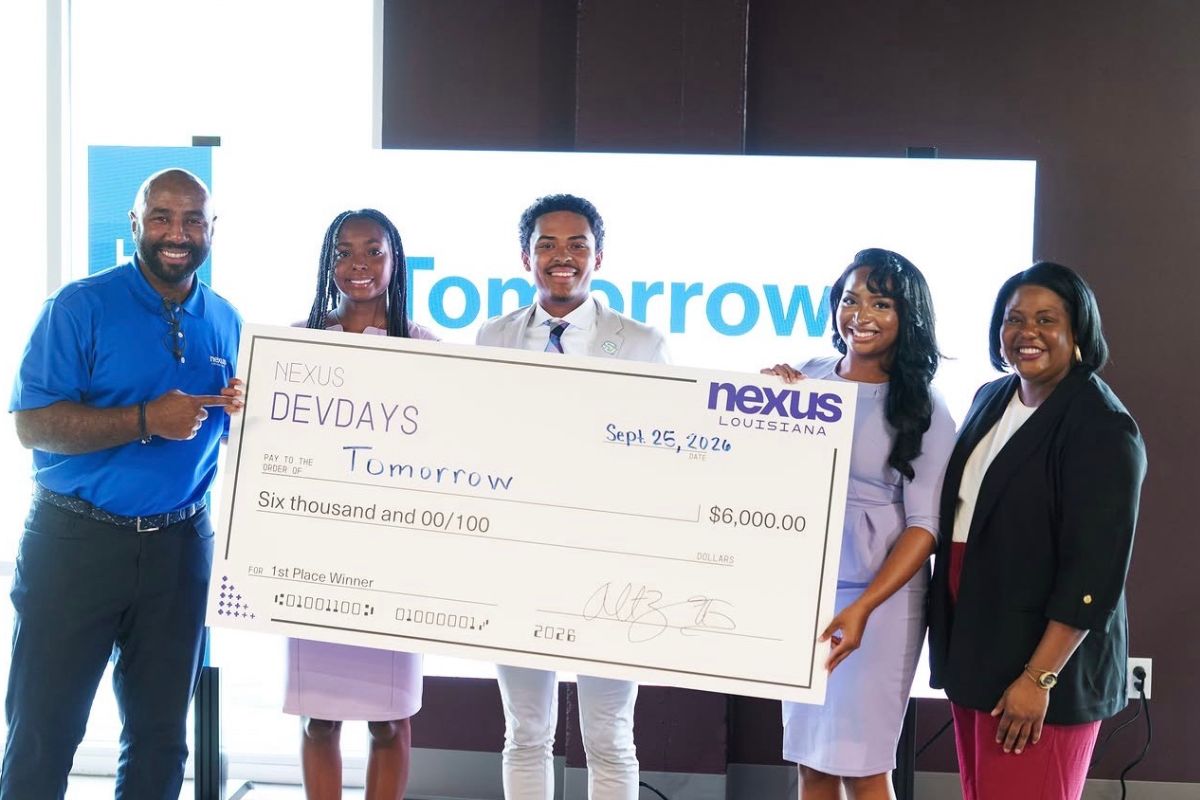
Taking first place — along with a $6,000 cash prize and automatic advancement to December’s Nexus Technology Cup — was Tomorrow, representing Southern University and A&M College, an HBCU flagship in Baton Rouge. The team was made up of student software developers Jha’Hannah Pink, Thomas Reid and Jalayah Jones.
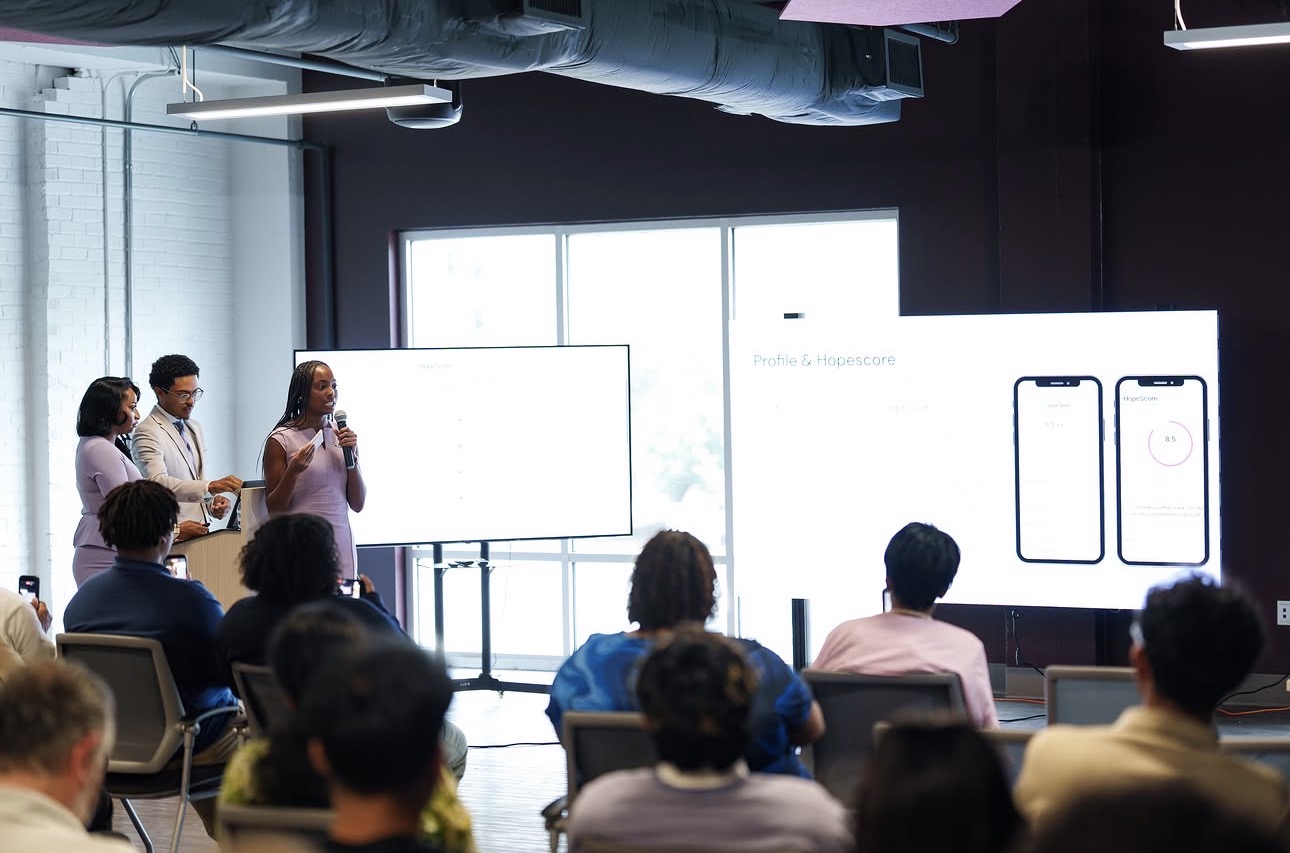
Tomorrow is a digital health platform designed to help protect emotional well-being and personal identity during cancer treatment.
The platform includes tools such as hopeScore, which tracks mental well-being; tomorrowSpark, which provides daily motivation; and a Legacy Vault for securely preserving personal memories and life stories. The project was also deeply personal for team lead Jha’Hannah Pink, whose uncle lost his fight with cancer.
“Tomorrow is about giving patients a reason to look forward to tomorrow,” Pink said.
Two other teams rounded out the top three, each taking on different challenges in cancer care.
Second place went to OncoReady from the University of Louisiana at Monroe, led by Pankaj Bhatta, Jeevan Parajuli and Swabhiman Paudel. Their platform provides software to help with clinical preparation and patient monitoring, with the goal of making pre-treatment preparation and onboarding easier for patients undergoing complex cancer therapies.
In third place was Cancer Krewe from the University of Louisiana at Lafayette, led by Kaitlyn Damare, Ky Smith and Amaya Erhabor. The team focused on the social and community aspects of cancer care, connecting patients with local care circles, peer support groups and navigation resources to help address the isolation that can come with long-term treatment.
“Each team approached the same problem differently, showing the many ways technology can support patients and families,” Tony Zanders, president and CEO of Nexus Louisiana, said. “There are real lives impacted by this technology.”
How DevDays fits into the larger vision
While immediate competition awards generate headlines, DevDays functions within a much larger blueprint aimed at bridging the gap between higher education, venture capital, and local economic development.
Generally, non-coastal states face a talent drain, with top computer science and engineering talent often migrating to places like Silicon Valley, New York, or Austin upon graduation. Today, Louisiana’s startup ecosystem is working to close that exit route.
This regional effort mirrors broader national efforts to build stronger technology communities outside traditional metro areas. Local health systems provide real-world problems and data, while venture organizations provide early-stage capital and connections that can give student founders a clearer path toward building companies within the state.
That push is also reinforced by Louisiana state policies designed to support innovation.
Louisiana offers tax incentives aimed at technology development and investment, including credits for research and development and digital interactive media and software development, as well as an Angel Investor Tax Credit for qualifying investments in certain Louisiana businesses. The programs have different eligibility requirements and benefits, but together they are part of the state’s broader effort to encourage research, technology development and private investment.
By embedding rising developers into an expanding network anchored by Nexus Louisiana, Louisiana Economic Development (LED), LA.IO, Source Louisiana, Tulane Innovation Institute, the Albert Lepage Center for Entrepreneurship and Innovation, and industry players like Ochsner Health, DevDays aims to create a space that can connect students directly to the people, companies and opportunities that could help turn what they build in school into something that works in the real world.
Before this event, Eli Brodsky, deputy director for Rural Health Transformation and Sustainability at the Louisiana Department of Health (LDH), shared the state’s investments in rural healthcare access. One of them is the Rural Tech Catalyst Fund, run by LDH and LA.IO. It supports companies testing and scaling technology that improves care in rural Louisiana, with funding paid out as projects hit milestones
“The old credential was where you went to school, whose badge you wore or what zip code you worked in,” LED Chief Innovation Officer Josh Fleig wrote recently. “The new credential is what you built — and whether it worked in the real world. Louisiana is a pretty good place to prove it.”