
A $320 million public-private collaboration across Appalachia is looking for innovative energy startups to help make its next move.
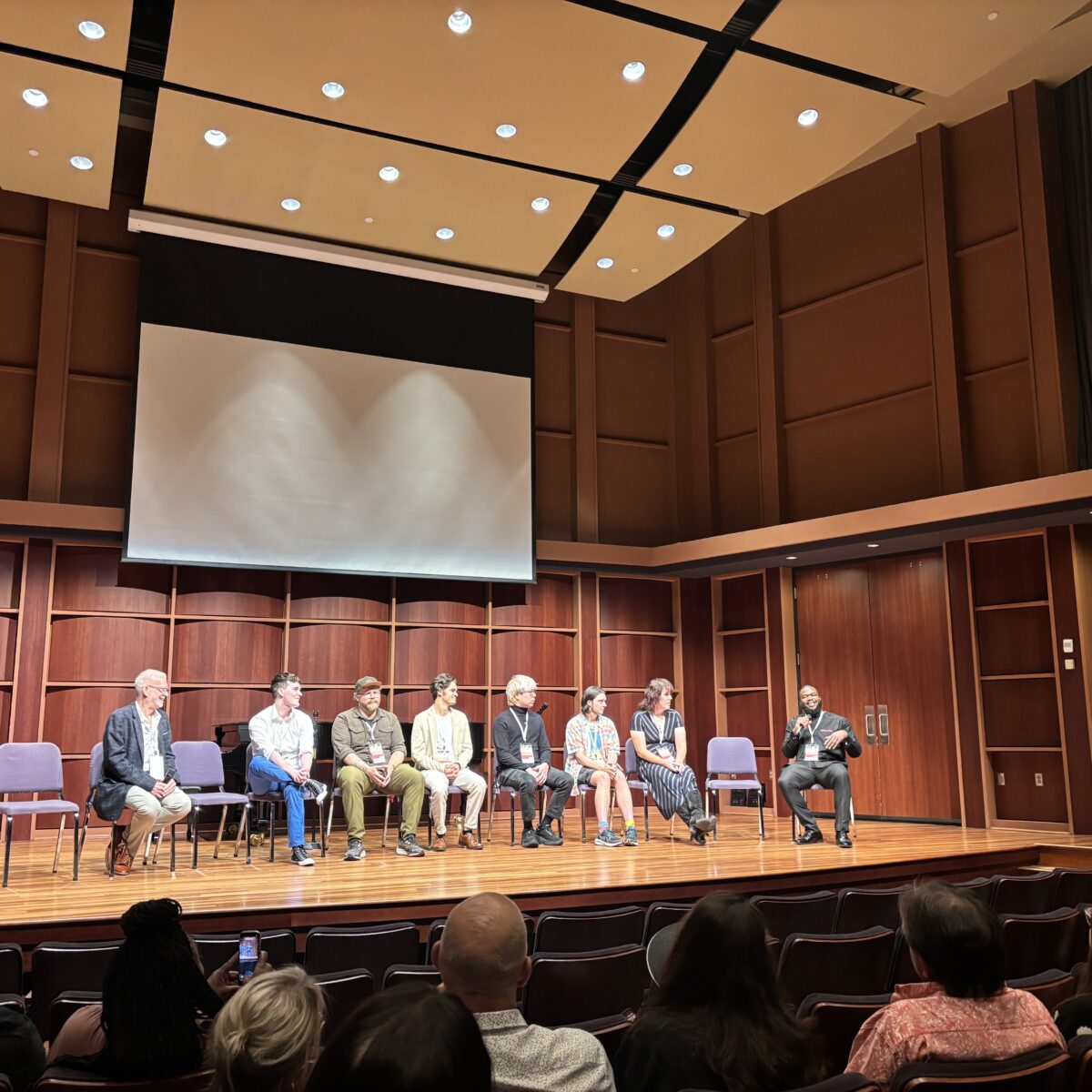
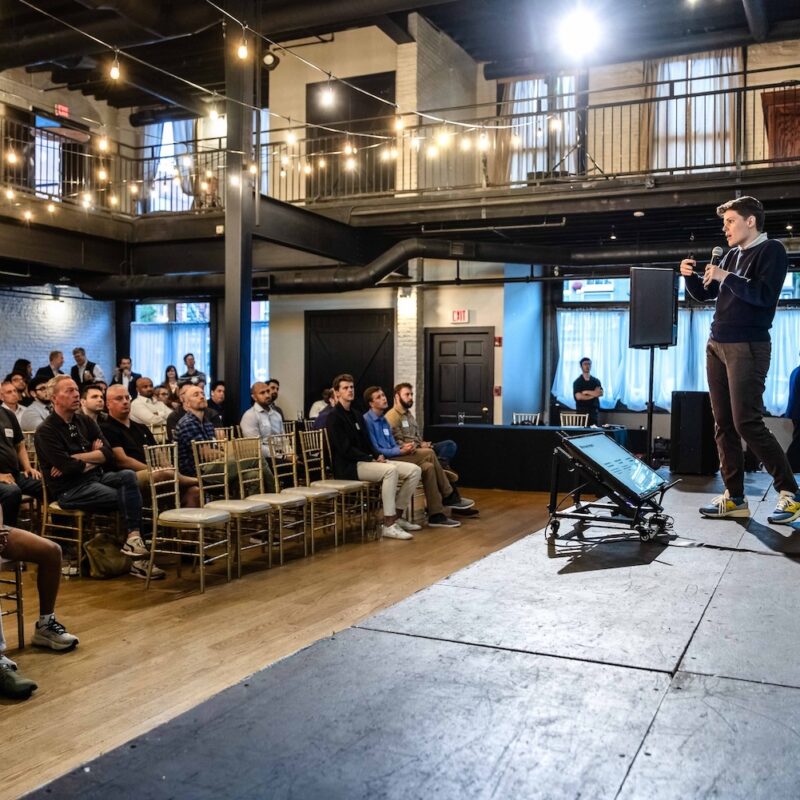
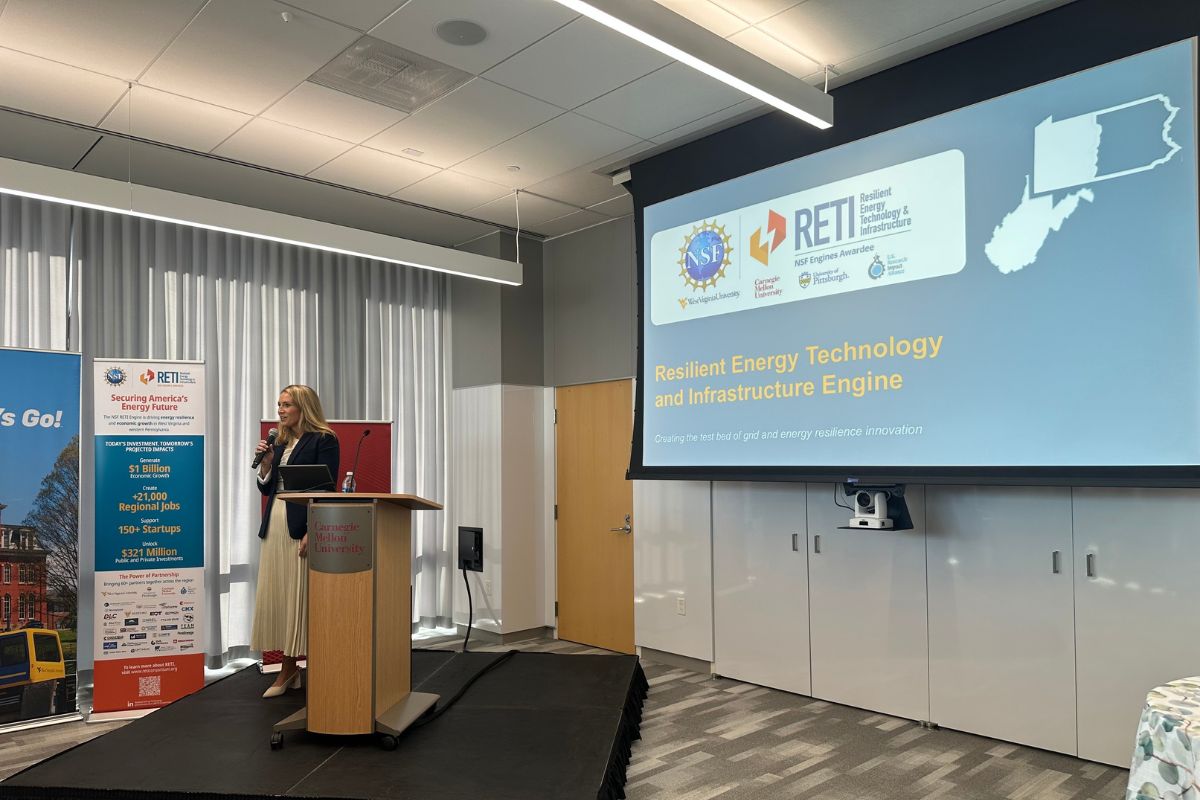
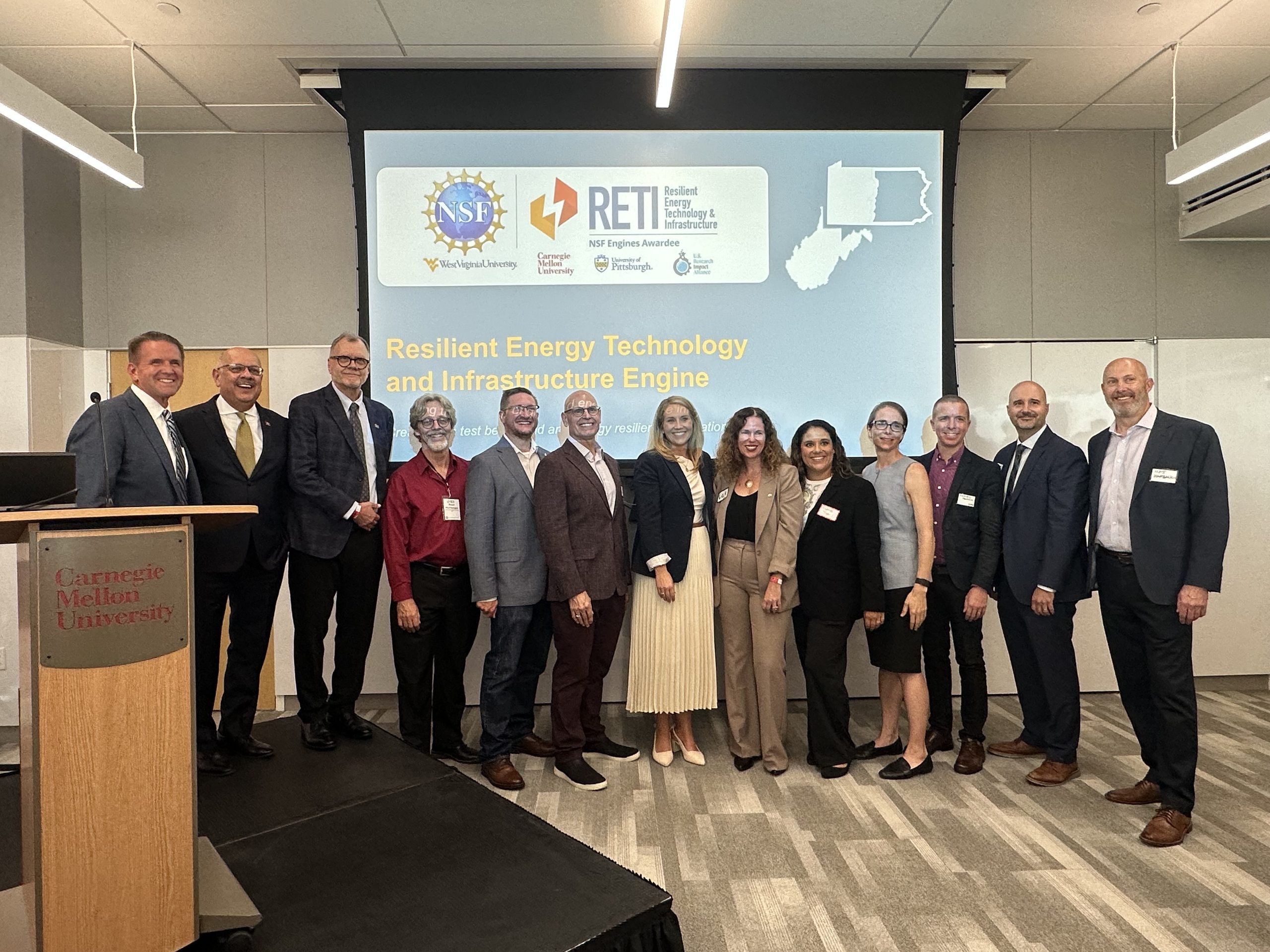
In July, the National Science Foundation (NSF) announced a 10-year grant with up to $160 million in funding for a Regional Innovation Engine program spanning western Pennsylvania and West Virginia. Over 60 regional partners — that have pledged another $161 million to the program — gathered Tuesday at CMU to kick off the engine and explain how local startups can get involved.
“Our grid is old, and it is becoming more and more vulnerable to both intentional and unintentional disruptions.”
Erienne Olesh, RETI Consortium
“Our grid is old, and it is becoming more and more vulnerable to both intentional and unintentional disruptions,” Resilient Energy Technology and Infrastructure (RETI) Consortium CEO Erienne Olesh said at the event. “We need hardware and software solutions to transport energy more reliably.”
Led by West Virginia University alongside Carnegie Mellon University (CMU) and the University of Pittsburgh (Pitt), the engine will research ways to improve the US grid’s resilience and energy efficiency, possibly fund those fixes through startup ventures.
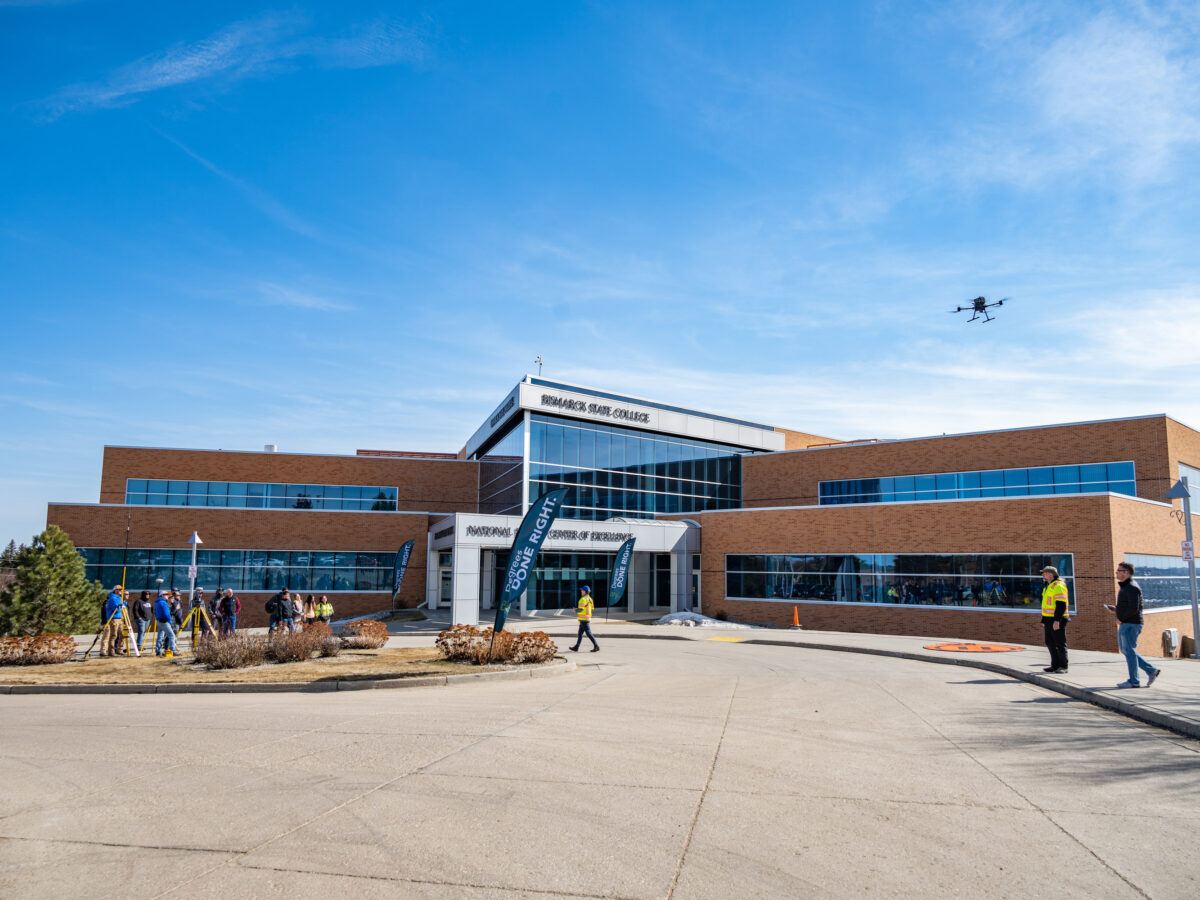
Along with working with existing startups, the engine is now looking to foster new ventures through entrepreneurship fellowships, business development workshops and testing facilities, primarily operated by CMU.
The university partnerships have been years in the making, according to Rob Rutenbar, senior vice chancellor for research at Pitt.
“It took years of planning and strategizing to get here,” Rutenbar said during opening remarks, adding that the impact of the engine “won’t be measured by the size of the grant but what we do with it.”
How startups can get involved
RETI has already identified about 100 startups for its pipeline, according to a flyer handed out at the event.
The engine is seeking startups focused on power generation, energy efficiency and sustainability.
The engine wants to work with startups to do two primary things within the first 18 months: Get products to first demo and validate market demand for a startup through customer discovery, Olesh said.
New founders and startups can apply to enter the pipeline — gaining access to possible mentorship, programming and customized technical-assistance awards — by emailing RETI’s Chief Commercialization Officer, Reed McManigle, at [email protected].
More info on programming can be found at reticonsortium.org.


Four pillars guide the engine
Other than startup support, RETI plans to engage the local ecosystem across three other domains, according to Olesh.
Research and development is one of the first steps. The engine will work with industry to identify technical problems and then fund research to solve those challenges.
“We are not investing in anything that’s not market-driven and industrial demanded,” Olesh said.
Workforce development will also play a role. The engines will find barriers to building talent pipelines for industrial sites and utility partners.
And, to make sure RETI’s impact surpasses the 10-year grant period, the engine’s team will craft policy proposals to make certain programs sustainable.
“There is money on the table,” Olesh said. “We will actually invest in solving these challenges.”