
Carnegie Mellon University has spent decades turning Pittsburgh research into startups.
Citadel CEO Kenneth Griffin’s $3 billion donation to the school will now bring that opportunity to a second home in Florida.
Carnegie Mellon University (CMU) on Wednesday announced a new CMU branch campus in Miami, using $2 billion of Griffin’s gift. The other $1 billion will be evenly split between CMU’s School of Computer Science and the rest of CMU’s Pittsburgh operations.
“I’m confident 10 years down the road we’ll look back and say these two areas are interlinked in terms of the disproportionate impact that we’re going to have on the nation.”
Farnam Jahanian, carnegie mellon university
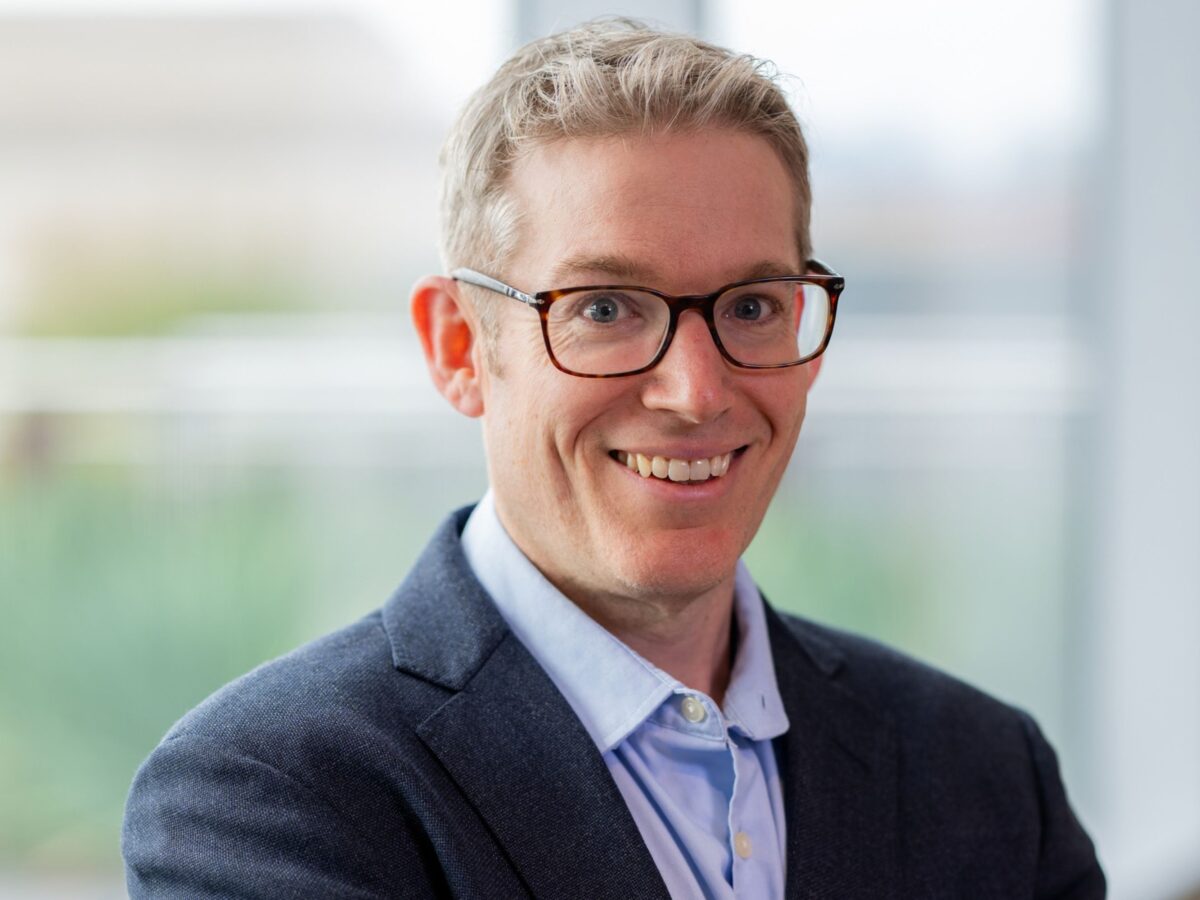
The new connection could be a boon for both cities, according to CMU President Farnam Jahanian.
“With this opportunity in Miami, we’re going to essentially create a similar kind of an ecosystem that complements what we have done in Pittsburgh,” Jahanian said at the donation announcement ceremony on Wednesday, “and I’m confident 10 years down the road we’ll look back and say these two areas are interlinked in terms of the disproportionate impact that we’re going to have on the nation.”
A push in the early 2020s garnered Miami some attention as a tech hub, according to Technical.ly’s Ecosystem Map. It has established sectors in fintech, healthtech, logistics and consumer platforms, and has benefited from its connections to Latin America.
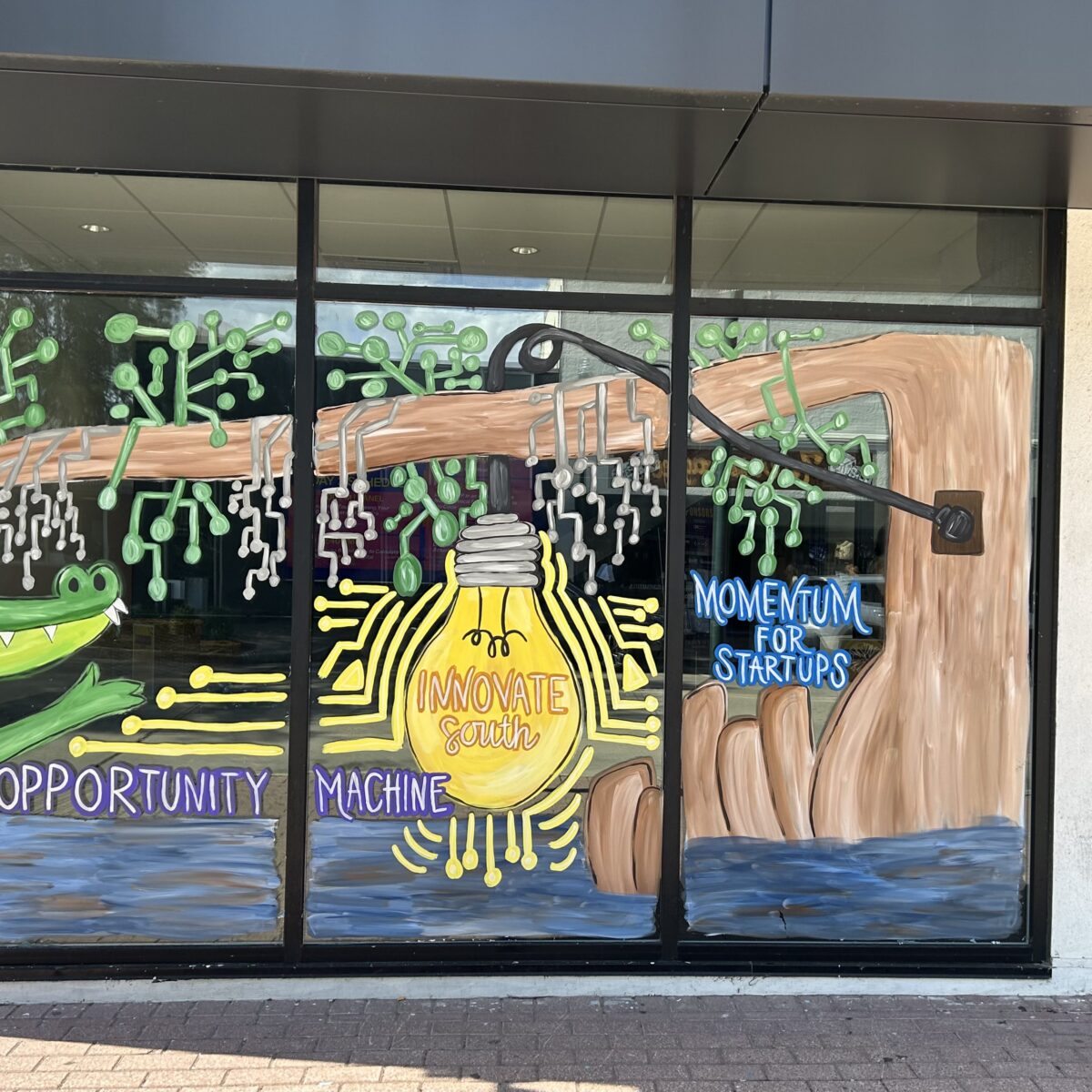
With the new campus, CMU will bring its “startup machine” — as CMU’s Vice Provost for Entrepreneurship Meredith Meyer Grelli calls it — to the south, where more students have begun to migrate.
The university spins out about 10 companies per year, per CMU data. There’s a total of 250 CMU-affiliated tech companies now operating across the US, according to Jahanian, with 100 being AI companies and another 100 being robotics.
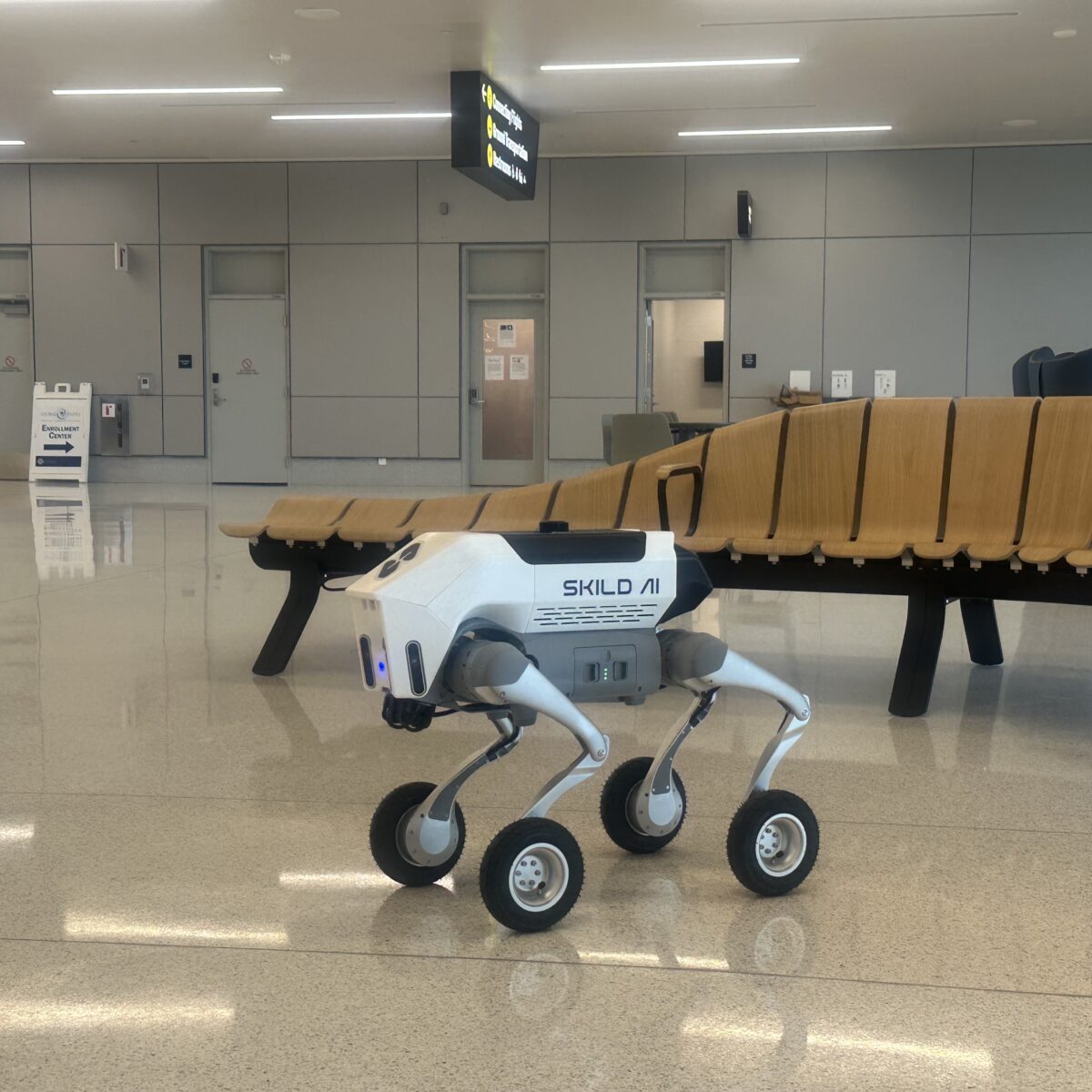
More than 75 of those alumni startups have reached unicorn status, according to data platform Dealroom, including well-known Pittsburgh companies like Duolingo, Skild AI and Gecko Robotics. The top 32 spinouts are valued at a combined $672 billion, per Dealroom’s analysis.
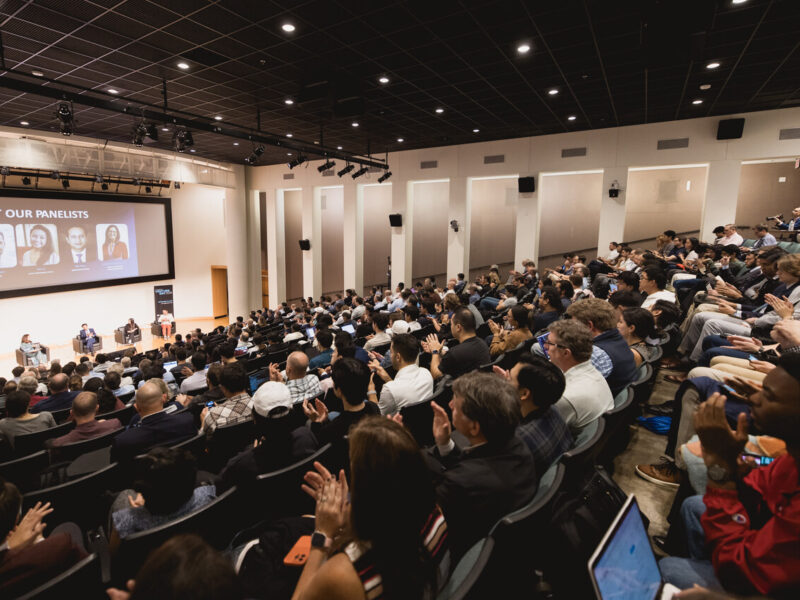
CMU’s Miami campus almost seems designed to produce a similar output of new ventures. The branch, planned for a 35-acre site in Miami’s Wynwood neighborhood, won’t be around departments or traditional majors. Instead, study will organize around societal challenge areas, like human health, climate resiliency or national security.
How Miami measures up
Pittsburgh and Miami are tech hubs built on somewhat different foundations.
While both cities have top-tier research universities, there are far fewer university-linked startups in Miami, according to Dealroom. Pittsburgh’s startup scene has also significantly benefited from healthcare institutions like UPMC and Highmark and its advanced manufacturing history, which has allowed the former steel town to become a hub for robotics and software companies.
When it comes to the culture, though, the two cities are more alike than it initially appears, according to Jahanian.
“As I’ve gotten to know Miami, very similar to Pittsburgh, Miami values hard work, and it celebrates success,” Jahanian said. “We can’t underestimate the cultural similarities between the two cities, and the fact that Miami was also built by immigrants.”
It’s unclear how the two ecosystems will ultimately interact after the branch campus is up and running, but some local leaders are hopeful the connection will be beneficial.
“Pittsburgh needs Miami’s growth velocity, capital and cultural energy,” AI Strike Team CEO Joanna Doven said in a prepared statement. “Miami can leverage what Pittsburgh has spent generations perfecting: deep technical talent, an industrial economy and a place where you can take an idea out of a lab and prove it in the real world.”
Pittsburgh’s venture capital lags behind its research output, while Miami’s climate risk and rising cost of living could make it hard for founders to set up shop, according to the ecosystem map.
As for the $1 billion donation to CMU Pittsburgh, the university has not yet disclosed details on how it will be spent, but talent acquisition is a priority, according to Jahanian.
“My trustees, my community, my students know what our priorities are,” Jahanian said. “It’s to recruit the best talent to come to Carnegie Mellon. It’s to make Carnegie Mellon more accessible and affordable for students from all socioeconomic backgrounds, and that’s been a journey we’ve been on for a number of years.”