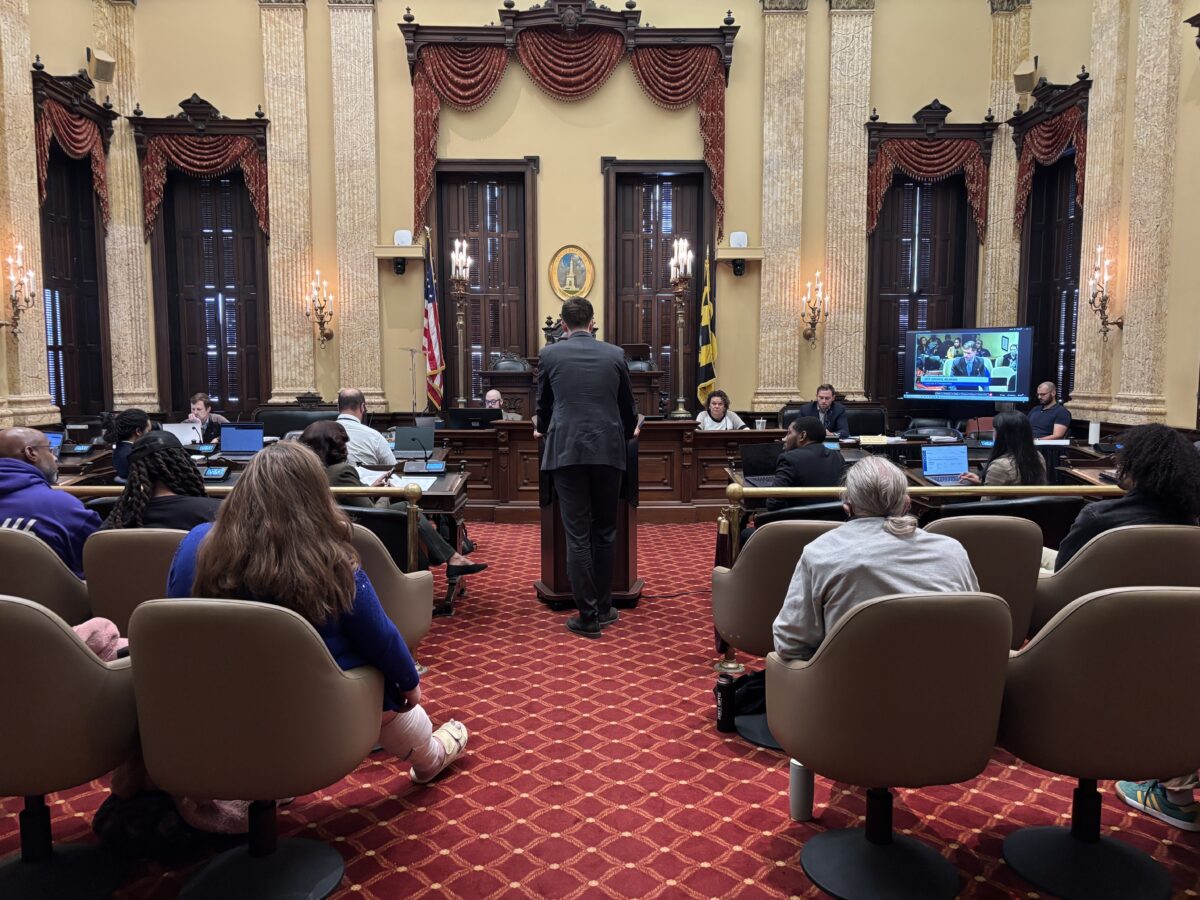
A proposed data center zoning bill met stiff backlash from Baltimore residents, with many calling for a total ban instead.
The bill would require a health equity assessment before data center construction begins. Its sponsor, Councilperson Phylicia Porter, framed the measure as a first step for data center regulations while the city remains under a development moratorium.
“Once a vote is called to ban data centers,” Porter said, “I welcome that in this chamber.”
“Our use of our zoning classifications are going to be ever most important.”
Baltimore City Councilperson Phylicia Porter
Dozens of community members packed City Hall for the bill’s first public hearing Sept. 24, forcing staff to open an overflow room with a live video feed. Many sat through hours of unrelated business before the measure finally hit the floor. Most blew past the two-minute speaking limit. Several took time off work. One person screamed.
“I’ve already missed seven hours of work to be here,” one resident said of the Thursday morning hearing, which was delayed almost an hour to accommodate the crowd. “But that’s how much this issue means to me.”
Attendees mostly raised concerns about data centers’ impacts on the environment and rising electric rates. Discussions also turned to broader AI concerns, including how it might affect Baltimore students and whether AI innovation will ever benefit average residents.
Those concerns are outside the immediate scope of the bill, which uses zoning code to regulate development. Currently, data centers are permitted in areas zoned for commercial development “by right,” meaning they require only a limited review by the city’s planning department. By mandating a health equity assessment, the bill would force data center projects into a “conditional use” process, opening them up to longer public scrutiny.
Porter, who chairs the council’s public health committee, brought the bill forward in April. She introduced several amendments clarifying that the proposed changes would take effect after the development moratorium ends next June.
Because of the council’s legislative rules, Porter is unable to call a vote on a complete data center ban. Council President Zeke Cohen, who sponsored the original moratorium bill, controls whether a ban comes forward.
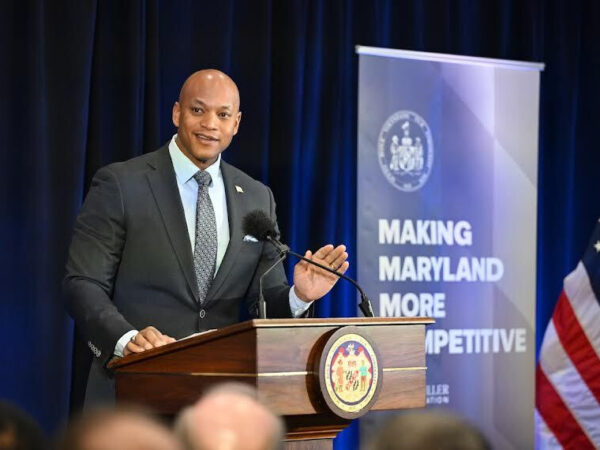
Zoning codes are one tool local officials can use to regulate data centers, said Porter, who represents District 10, which covers parts of South Baltimore. Earlier this month, Gov. Wes Moore announced a task force to help evaluate new projects. However, deciding where developers build remains up to municipalities.
“Our use of our zoning classifications are going to be ever most important,” Porter said.
Weighing community concerns and economic opportunity
Almost 9,000 people have signed an online petition supporting a data center ban in Baltimore. But economists warn that such a sweeping measure could backfire.
A day prior to the bill hearing, the city council hosted an informational session on Baltimore’s data center landscape. Speaker Mark Muro, a senior fellow at the Brookings Institution, approved of using the moratorium period to develop future planning rules.
However, he cautioned against an outright data center ban. Muro acknowledged data centers have delivered inconsistent economic benefits so far, but that could change.
Cities can demand hefty community benefit packages from Big Tech companies, Muro said. In Frederick County, for example, a developer proposed a $110 million agreement to fund local workforce and education programs. It’s a sharp departure from typical corporate courting, like the tax breaks often handed out to downtown Baltimore developments.
“Don’t bring the ‘fear of missing out’ stance,” Muro said. “Baltimore holds most of the cards here.”

One council member questioned whether data centers offer greater economic benefits than other large developments. Bogdan Vaduva, director of business investment at the Greater Baltimore Committee, said that manufacturing projects do typically bring more jobs. But data centers can lead to other economic perks.
Vaduva noted a recent Georgia Tech study, which found data center openings correlate with increased wages, business creation rates and household incomes in the surrounding county. However, these gains are often modest compared to data center tax incentives, and they mostly benefit metropolitan areas.
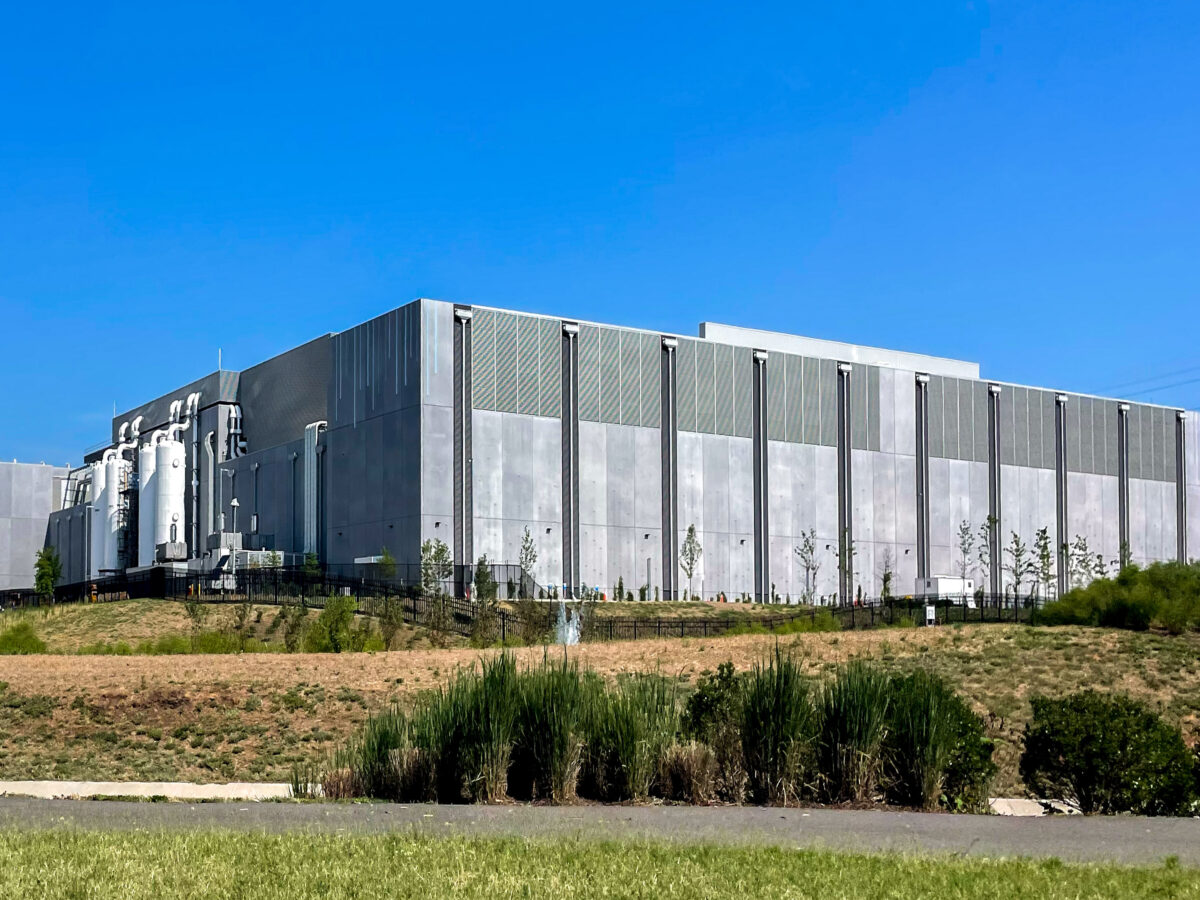
All potential benefits must be weighed against negative environmental impacts, said Councilperson James Torrance, who represents District 7, which covers parts of West Baltimore. In the city, many industrial zones border lower-income, Black neighborhoods, which could bear the brunt of data center noise and air pollution. According to the planning department, all of Baltimore’s current data centers sit within office buildings, but officials have previously eyed industrial areas for new development.
Torrance also recognized the difference between data centers housed within hospitals and universities and the massive commercial projects that could land at former industrial sites.
“I’m fine with small data centers,” Torrance said. “I just want to make sure we get it right for our communities.”