
Doom was the topic of discussion on more than one occasion at the AI Horizons Summit on Thursday — a tone shift for the annual conference compared to years past.
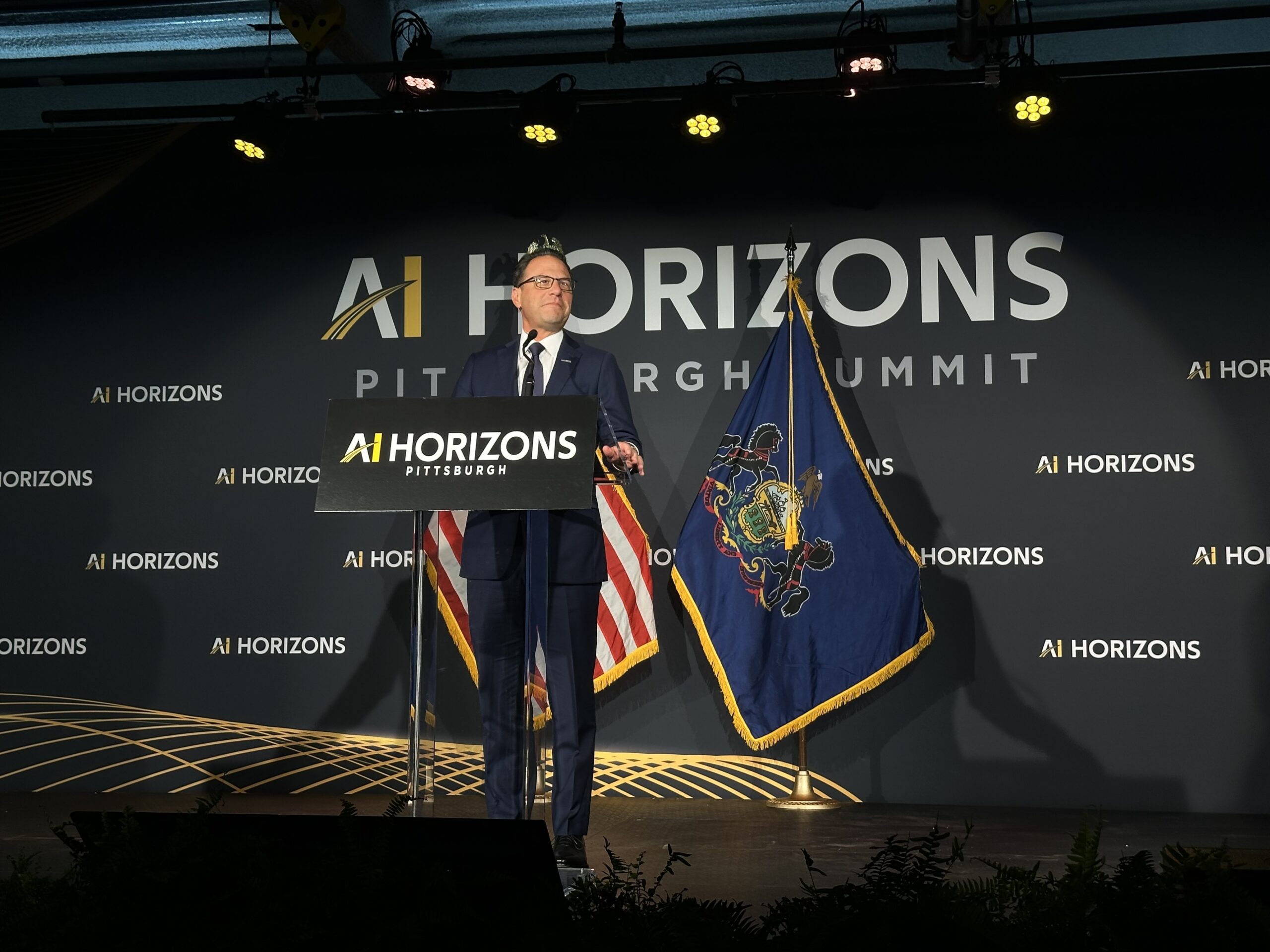
That switch-up was on full display when Gov. Josh Shapiro took the stage to call for increased regulation, citing the growing cybersecurity threat posed by AI and the carelessness of companies that prioritize “winning the race” over negative consequences.
“I want to be clear: I am not a doomer,” Shapiro said. “I don’t think it is inevitable that AI is going to take over the world or that someone will misuse it to kill us or do harm. But I do have real concerns, as do many Pennsylvanians and many Americans.”
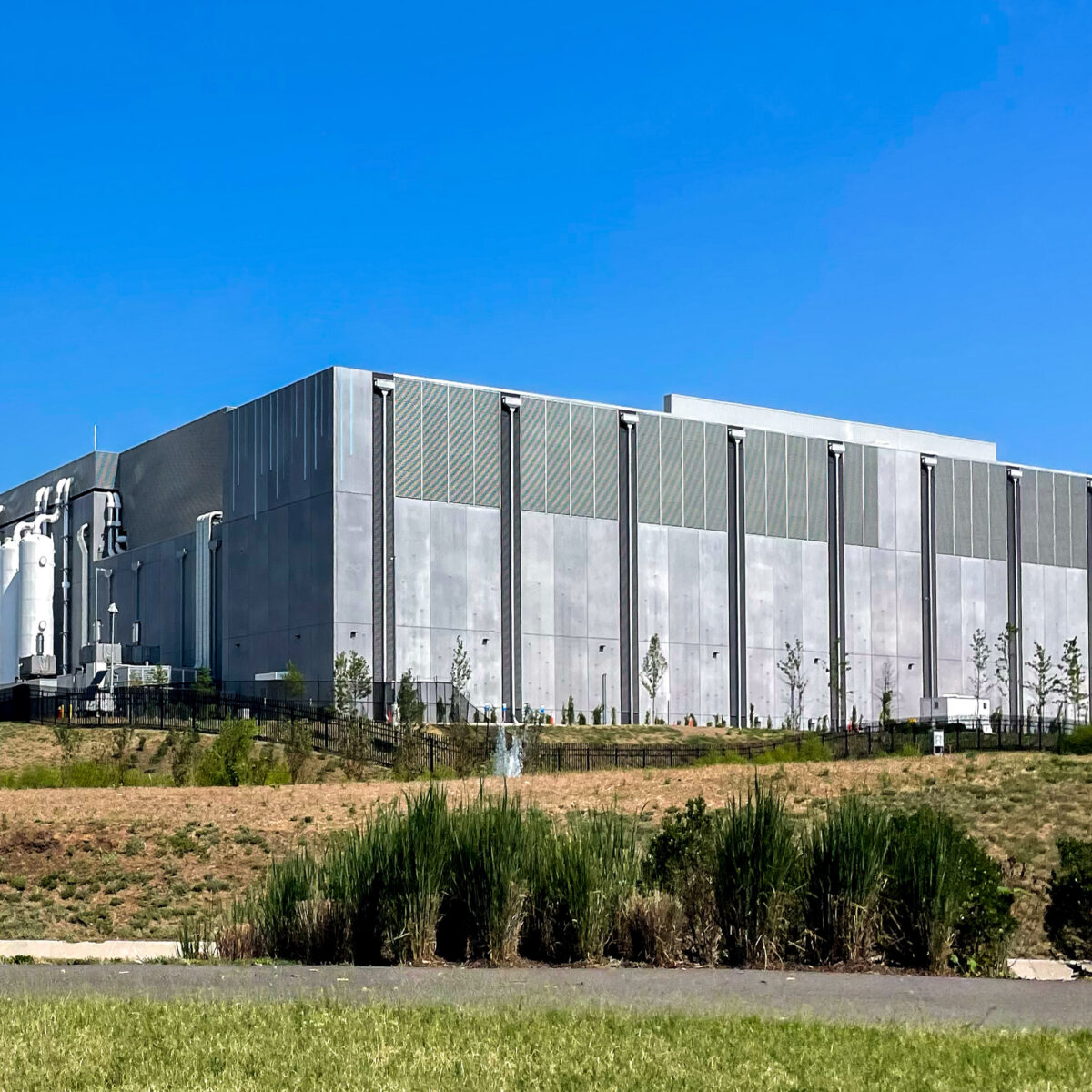
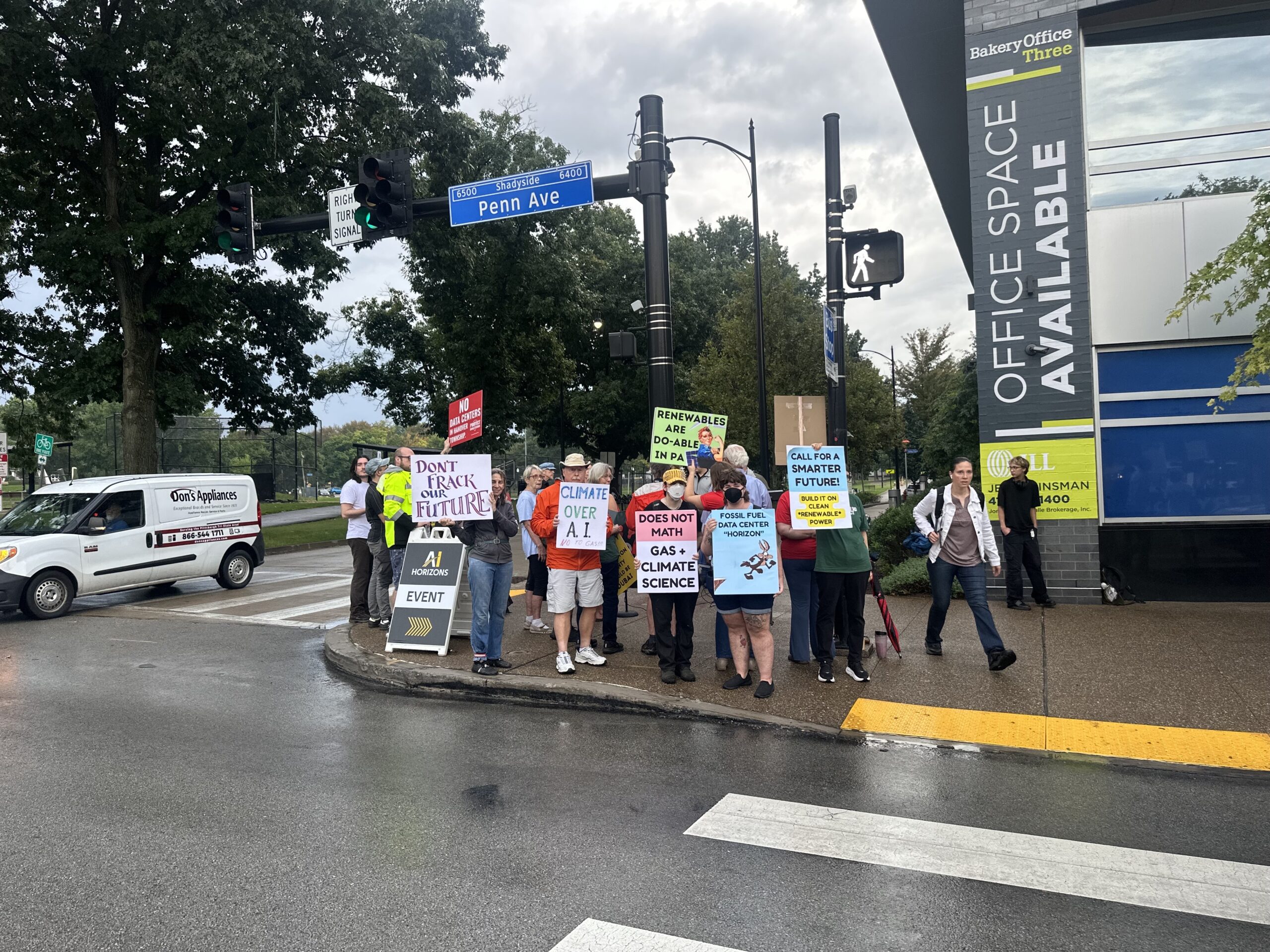
Earlier that morning, a crowd of protesters outside the venue chanted “data centers kill” while holding signs that called attention to climate change and the environmental concerns posed by AI.
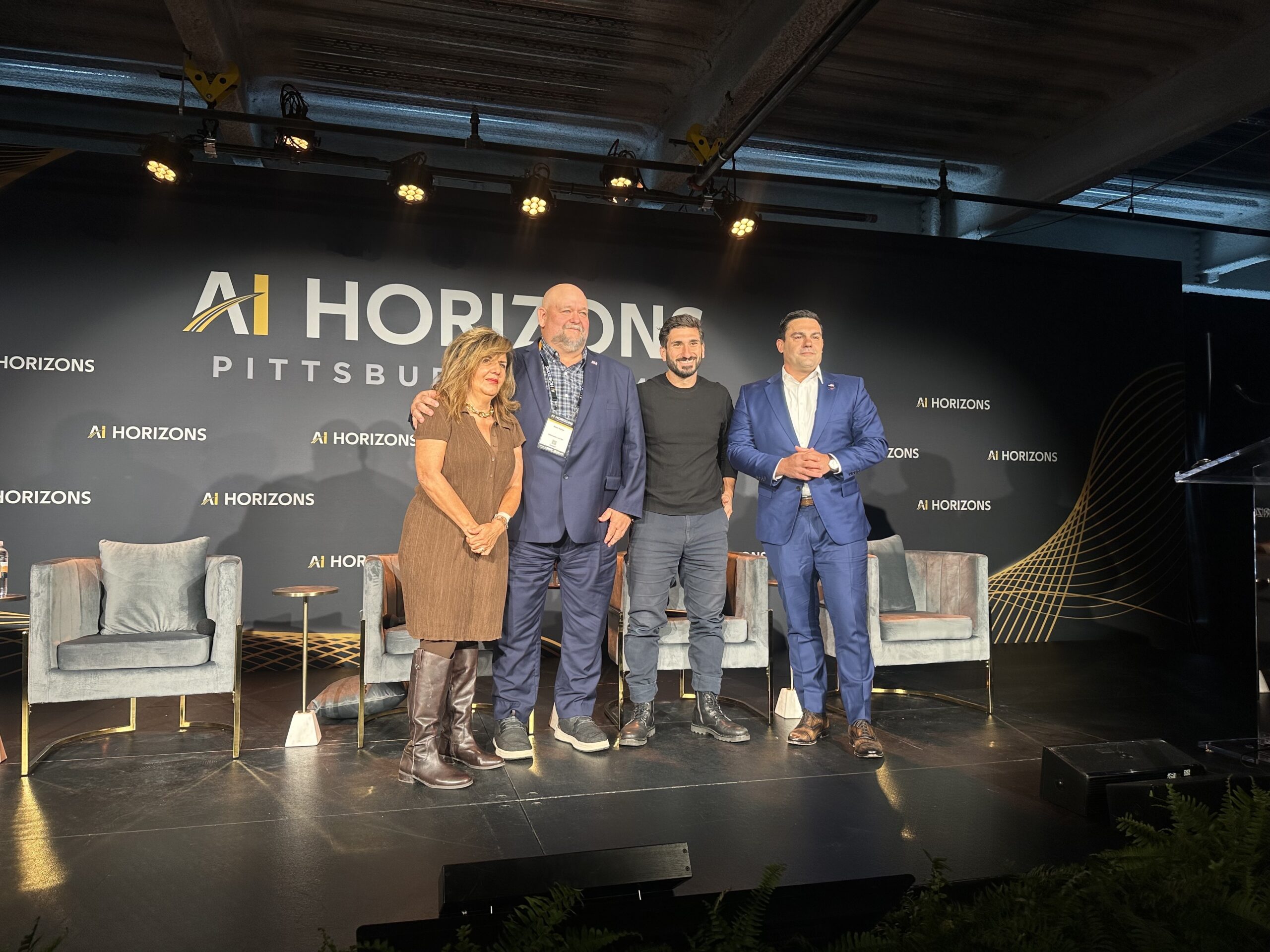
Multiple panelists at the event said the general public’s concerns over the tech were “natural” given recent developments, including Zico Kolter, cofounder and chief scientist of local AI security startup Gray Swan.
“With any technology like this, that is fundamentally a world-altering technology, there’s going to naturally be a lot of apprehension,” Kolter said.
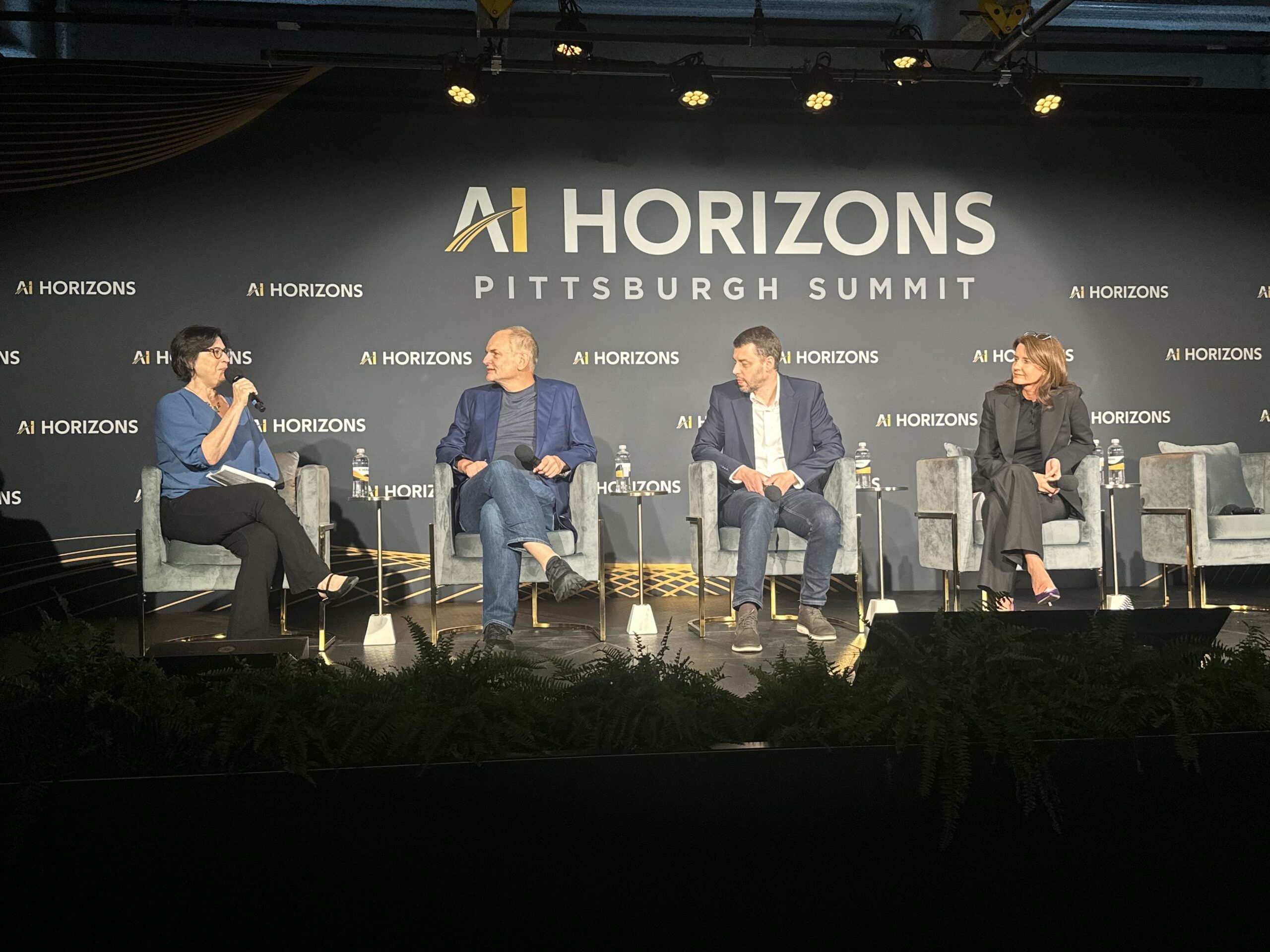
Unequal economic gains from the AI boom could also be the source of public discontent, according to Jake Loosararian, founder of the unicorn startup Gecko Robotics.
While AI and energy CEOs are benefiting from the current tech boom, many Americans are dealing with everyday affordability challenges, Loosararian said on a panel about energy, infrastructure and jobs in the AI economy.
“You have a lot of people who are gaining a lot of wealth right now and people who are still having a hard time filling their tanks at the gas station,” he said.
Loosarian went on to float the idea of wealth redistribution as artificial intelligence and robotics change the world’s economy and more people are needed to build the intelligence industrial complex.
“The government needs to understand that redistribution, which was a very bad word, is something that needs to begin to be on the table,” Loosararian said.
It’s also going to take people seeing the positives of AI in their everyday lives, according to Andrew Moore, cofounder and CEO of Lovelace AI.
“Folks need to see artificial intelligence clearly improving the world for them, and sometimes it’s hard to see that because it happens in backend systems far way from consumers,” Moore said. “I’d like us all to work hard in making sure that we show AI actually being useful, saving lives, making the world a little bit safer for everyone, rather than having this looming threat that we see around it.”
In line with that sentiment, Allegheny County executive Sara Innamorato finished the first day of AI Horizons by announcing a new hackathon happening later this month to develop AI tools for housing.
Teams will compete for $30,000 by demoing AI tools that address major barriers in housing, like permitting or fragmented data. Registration ends Sept. 24.
As it stands, though, there are still two futures on the table when it comes to AI, according to Joanna Doven, lead organizer of the summit and CEO of the AI Strike Team.
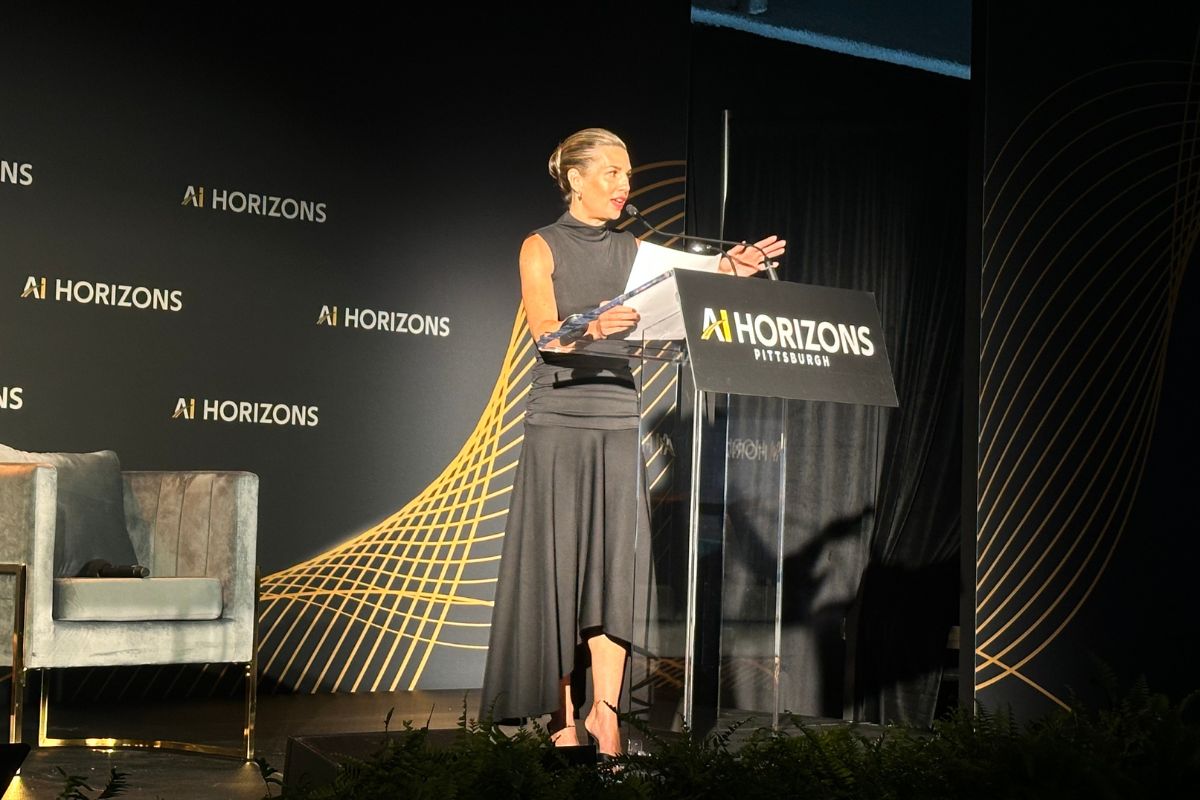
Her opening speech included two alternative versions of the near future: one where “the human with the machine has more time to be human” and another where there’s an AI equivalent of the Three Mile Island disaster.
Both are possible and Pittsburgh stands to influence that future, according to Doven.
“The ultimate throughline of these next two days is that we can’t stand in the room and be outside of this technology, just waiting to see what happens, looking for cues from whomever,” Doven said. “We have to get in the room, ask hard questions and be part of building what’s next.”