A local computer chip manufacturer is raising millions, and Pittsburgh’s funding spree over the last month doesn’t end there.
Major investments from the commonwealth are making tech more accessible for local farmers, and a multimillion-dollar philanthropic donation is bringing together local researchers to develop rare disease therapies.
Keep reading for more details on these investments and other money moves.
Efficient Computer raises $93M
Local computer chip manufacturer Efficient Computer has raised $93 million, according to a Form D filing with the US Securities and Exchange Commission (SEC).
The equity raise includes 28 investors, according to yesterday’s SEC document. The round’s first date of sale was Aug. 7 and it remains open as the company seeks another $10 million of a $103 million offering.
Efficient did not immediately respond to Technical.ly’s request to comment on the raise.
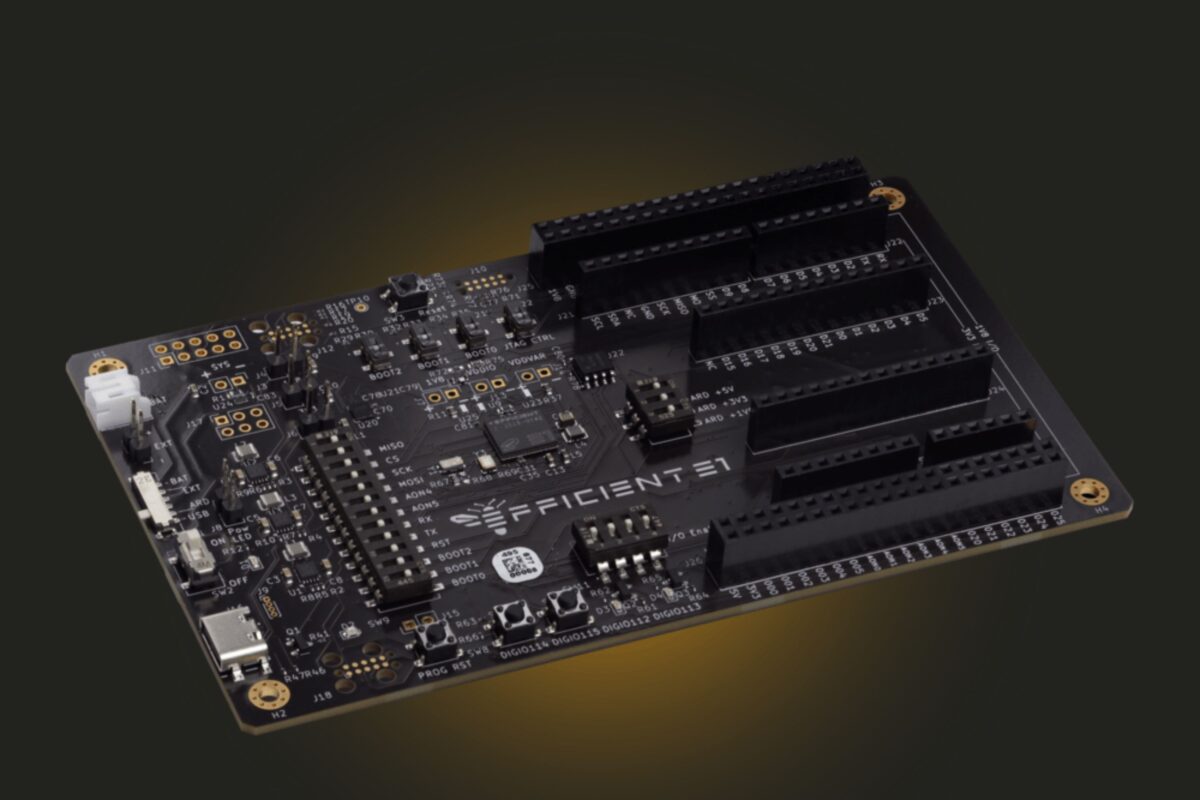
The East Liberty-based company makes a chip called the Electron E1, which it says is about 100 times more energy efficient than comparable products while still being flexible enough to run any kind of software.
Efficient announced it had raised a $60 million Series A in February. At the time, the company said it would use the funds to hire more engineers, speed up development and target new sectors for its chips, including industrial automation, national defense, space tech and consumer wearables.
Founded in 2022 by Carnegie Mellon University researchers, the company has almost 50 employees and an estimated valuation of more than $300 million, according to PitchBook.
$10M and a new alliance for PA agtech
Pennsylvania is pouring more resources into agtech initiatives with the goal of becoming the leading state for innovation that directly benefits farmers.
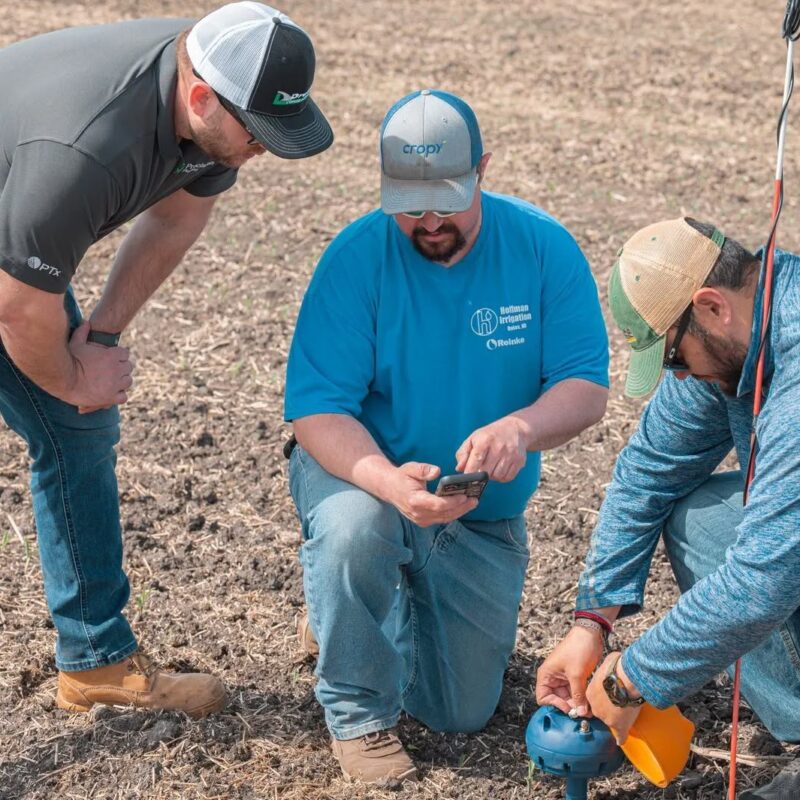
The commonwealth has committed another $10 million to its Agricultural Innovation Grant Program, providing funds for farmers to adopt new tech, with more than $250,000 in funding for farms in the Pittsburgh metro area.
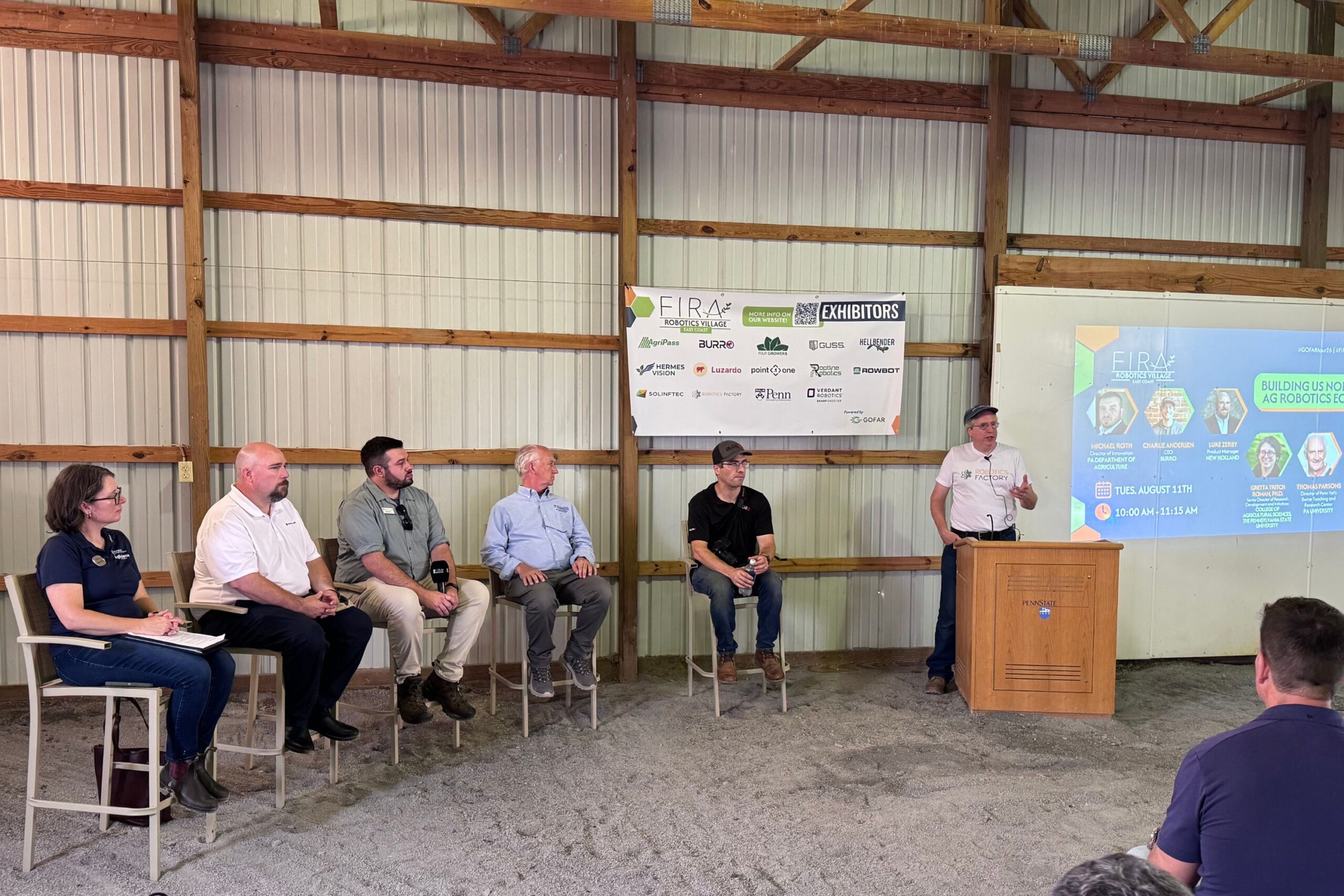
PA also launched the Keystone AgTech Alliance. The initiative brings together expertise from Pittsburgh’s Innovation Works, Penn State University and the econ dev nonprofit Team Pennsylvania to help farmers tackle challenges with robotics.
Agriculture, unlike sectors like defense or construction, has been slow to adopt tech, according to Kevin Dowling, managing director of Innovation Works’ Robotics Factory, but robotics could help farmers with two major challenges they face today: climate change and labor shortages.
Many farmers in PA “actually have day jobs, meaning that farming isn’t enough to earn a living from,” Dowling told Technical.ly.
This makes hiring extra help practically impossible for some farms. Add extreme weather events caused by climate change, and the demand on farmers becomes unsustainable.
Dowling saw this firsthand when he traveled to Westmoreland County to meet a farmer who needed help harvesting hay faster. The farmer was working two other jobs in addition to keeping up his third-generation farm. Torrential rains were hurting his hay crops before he could bale them, but robotics has offered him a path forward.
“Jack, the farmer-slash-inventor, is now onto his, I think, third prototype,” Dowling said, adding, “He wanted a way in which he could air-dry the hay as soon as it was cut, so that he could actually bale it within 24 to 48 hours, and he’s done that.”
The alliance’s goal is to connect farmers with local startup founders, engineers, even big companies, to make tech like this available across the commonwealth.
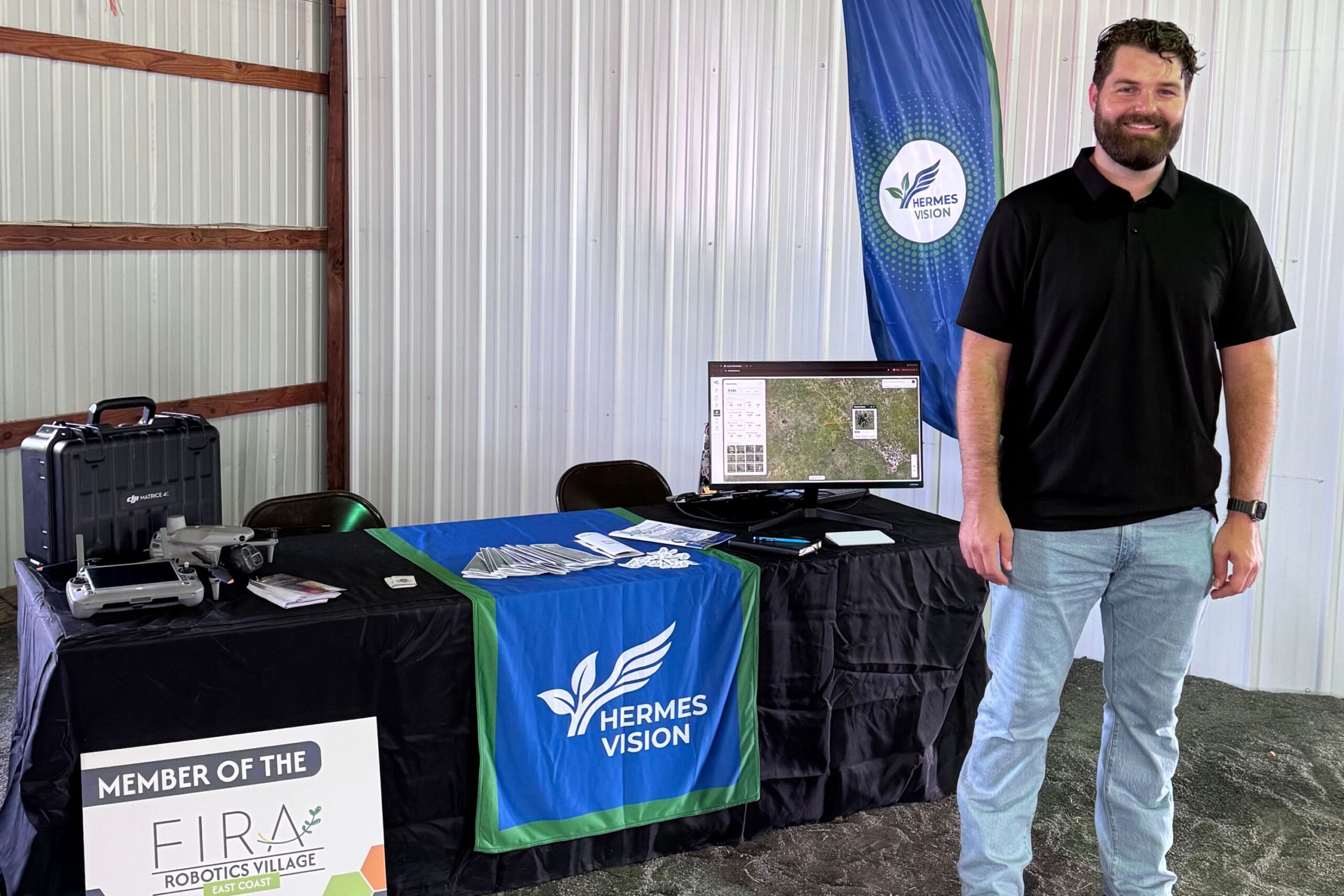
Pittsburgh is home to several agtech startups, like robotic harvesting company Four Growers, which has raised some $16 million to date, or Hermes Vision, an Innovation Works portfolio company developing autonomous drones for precision vegetation management. The new alliance and funding push from the state could be a boon for these companies, according to Dowling.
“The alliance is really about the economic development of agricultural robotics technology,” Dowling said, “as well as making sure the farmer is well represented in there.”


$25M to accelerate therapies for rare diseases
The Richard King Mellon Foundation has committed $25 million to accelerate the development of treatments for rare diseases.
The funding launches Rare Ventures, a platform that will bring together the rare disease research nonprofit EB Research Partnership with Carnegie Mellon University, the University of Pittsburgh’s Health Sciences, UPMC’s Children’s Hospital and Vision Institute, Stanford Medicine and the biotech startup ElevateBio.
Rare Ventures aims to transform how rare disease treatments are discovered and brought to market by integrating AI, patient data, research, clinical development, manufacturing and commercialization into a single coordinated platform, according to the announcement.
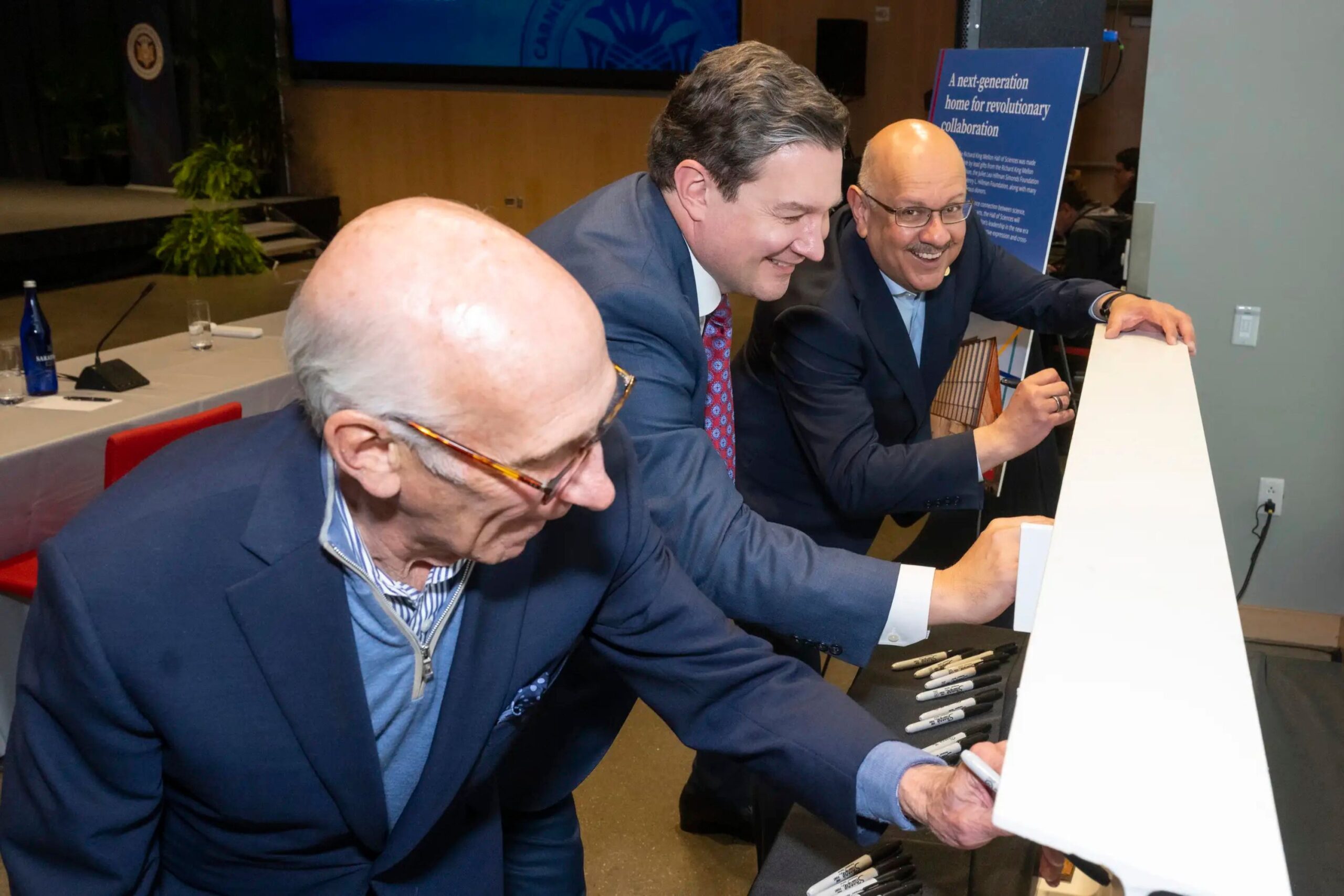
“For too long, families have faced a system where scientific discoveries move too slowly, clinical trials are difficult to access and promising therapies often stall before reaching patients,” Michael Hund, CEO of EB Research Partnership and cofounder of Rare Ventures, said in a prepared statement. “Rare Ventures was created to challenge that reality.”
More than 30 million people in the US live with a rare disease — more than the total number of people diagnosed with cancer — but fewer than 5% of the 10,000 known rare diseases have an approved treatment, according to the National Organization for Rare Disorders.
Pittsburgh was selected as the home for Rare Ventures because of its concentration of AI, life sciences, clinical research, advanced manufacturing and translational medicine, according to the announcement.
More money moves:
- Millions of dollars were committed to the Pittsburgh area during the Defense and Innovation Summit.
- Pennsylvania passed a $50 billion budget with new spending committed to startup growth.
- Pittsburgh-area companies attracted $70 million in venture capital during Q2, with two local startups capturing 75% of the funding.
- The Hillman Foundation granted $25,000 to the TiE Pittsburgh to build an investor network for local hardware and physical AI startups.
- Manufacturing inspection startup Shelfmark raised $3.5 million to scale operations and hire in Pittsburgh.
- Voyager Technologies completed a $300 million acquisition of Pittsburgh aerospace company Astrobotic.
- KaliVir Immunotherapeutics, a clinical-stage life sciences startup, announced the closing of a $14 million extension of its Series A financing — bringing the total raised to $25 million.
- Biotech company Axe Compute, formerly known as Predictive Oncology, secured more than $317 million in prepayment compute contracts.