
After years of plans and proposals, Pennsylvania is finally distributing money to build internet infrastructure across the state.
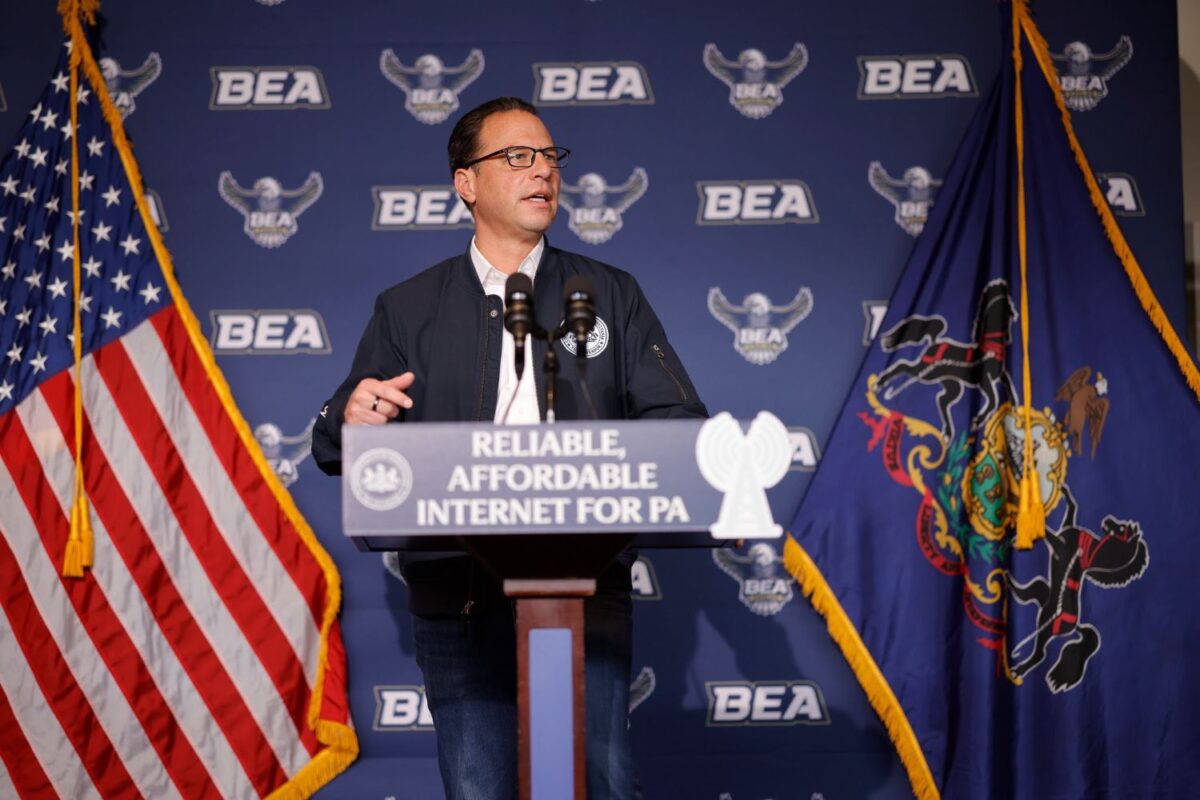
Gov. Josh Shapiro revealed on Friday that the state would distribute $448 million to fund 41 broadband projects across the Commonwealth, connecting an estimated 71,000 homes and businesses.
This funding comes from the federal Broadband Equity Access and Deployment (BEAD) program.
This spring, the National Telecommunications and Information Administration (NTIA) authorized $711 million for Pennsylvania’s BEAD proposal, after the state faced delays in getting its plan approved.
“The dollars go out, the contractors are hired, you can get connected to the internet.”
Gov. Josh Shapiro
“We are now moving full steam ahead after that delay from the federal government to be able to get all of this BEAD money out by the end of this year,” Shapiro said. “That means the dollars go out, the contractors are hired, you can get connected to the internet.”
The plan is to distribute the rest of the $711 million by the end of 2026 with a goal of completing all infrastructure projects by 2030, according to the Shapiro administration.
A new map tool lets you track the progress of the projects, which so far are either fiber or fixed wireless connections.
BEAD, one of two digital access initiatives administered through the federal Infrastructure Investment and Jobs Act (IIJA), is designed to expand broadband access nationwide, specifically to unserved and underserved communities.
The commonwealth was originally allocated $1.16 billion in BEAD funds in 2023 and created a five-year action plan for how the funds would be used. However, the Pennsylvania Broadband Development Authority, the state agency in charge of this work, had to scrap its plans and rewrite its proposal based on new program requirements after the NTIA issued a BEAD restructuring notice last June.
It takes more than just a high-speed connection
As the state moves forward with funding for broadband connections, orgs doing digital equity work across Pennsylvania still struggle to support the other components of getting people connected, like helping them afford high-speed service and learn how to navigate once they’re online.
“The primary barrier for most Pennsylvanians to get internet access really is affordability,” Kate Rivera, executive director of the Technology Learning Collaborative, told Technical.ly.
Over the summer, the Keystone Internet Coalition, a statewide network of orgs doing digital access work, held a hearing with the Pennsylvania House to spread awareness about the digital divide in the state, specifically broadband affordability, Rivera said.
The goal was to show state representatives how this issue impacts their constituents and advocate for ways that the state government could step in, she said. For example, creating an affordable internet subsidy program or providing funding to orgs already doing the work.
The need is even greater since the Digital Equity Act, the other digital access program within the Biden administration’s IIJA, was terminated last year. This program was supposed to support initiatives such as affordable internet, device distribution and adult digital literacy programs. This disruption caused local orgs to pause their plans for digital access work.
BEAD funding is largely directed towards building new infrastructure, but the program also includes what it calls “non-deployment funds”: the money left over after grants are distributed to internet service providers. In Pennsylvania, this would be about $400 million.

This leftover money can theoretically be used toward those additional digital equity efforts, but it’s not clear if states will have access to these funds, Drew Garner, director of policy engagement at the Benton Institute, previously told Technical.ly.
“The deployment portion funds the wires, and it funds the ISPs that are going to build the network,” Garner said. “Non-deployment funds all the other ancillary activities that support that deployment and make sure we get value out of this investment.”
Could Digital Equity Act grants make a comeback?
While orgs continue to advocate for state funding, an update in federal funding provides some hope.
Over the summer, the NTIA revealed plans to bring back some Digital Equity Act funding.
Last year, the US Department of Commerce canceled Digital Equity Act grants, calling the programs within the act unconstitutional because they specify “racial preferences.” This included almost $12 million for the City of Philadelphia.
Recommendations for the Act’s competitive grant program were announced right before the administration change, and most awardees had not received award letters that would’ve allowed them to have legal standing when they were canceled, Rivera from the Technology Learning Collaborative, said.
However, advocacy org the National Digital Inclusion Alliance, which had received a letter, sued the Trump administration last fall. This summer, the court decided that the federal government could not completely cancel the grant program, but that the act had to remove language referring to racial minorities.
The NTIA is seemingly going to reinstate the Digital Equity Act’s competitive grant program, but there are still a lot of unknowns about what that will look like, Rivera said. A new notice of funding opportunity will be issued and orgs will have to reapply based on the new guidelines they put in place.
“I’m cautiously optimistic,” Rivera said. “We know how important this funding is for our communities, and if there is an opportunity to get funding that supports … digital access, that’s an exciting development.”