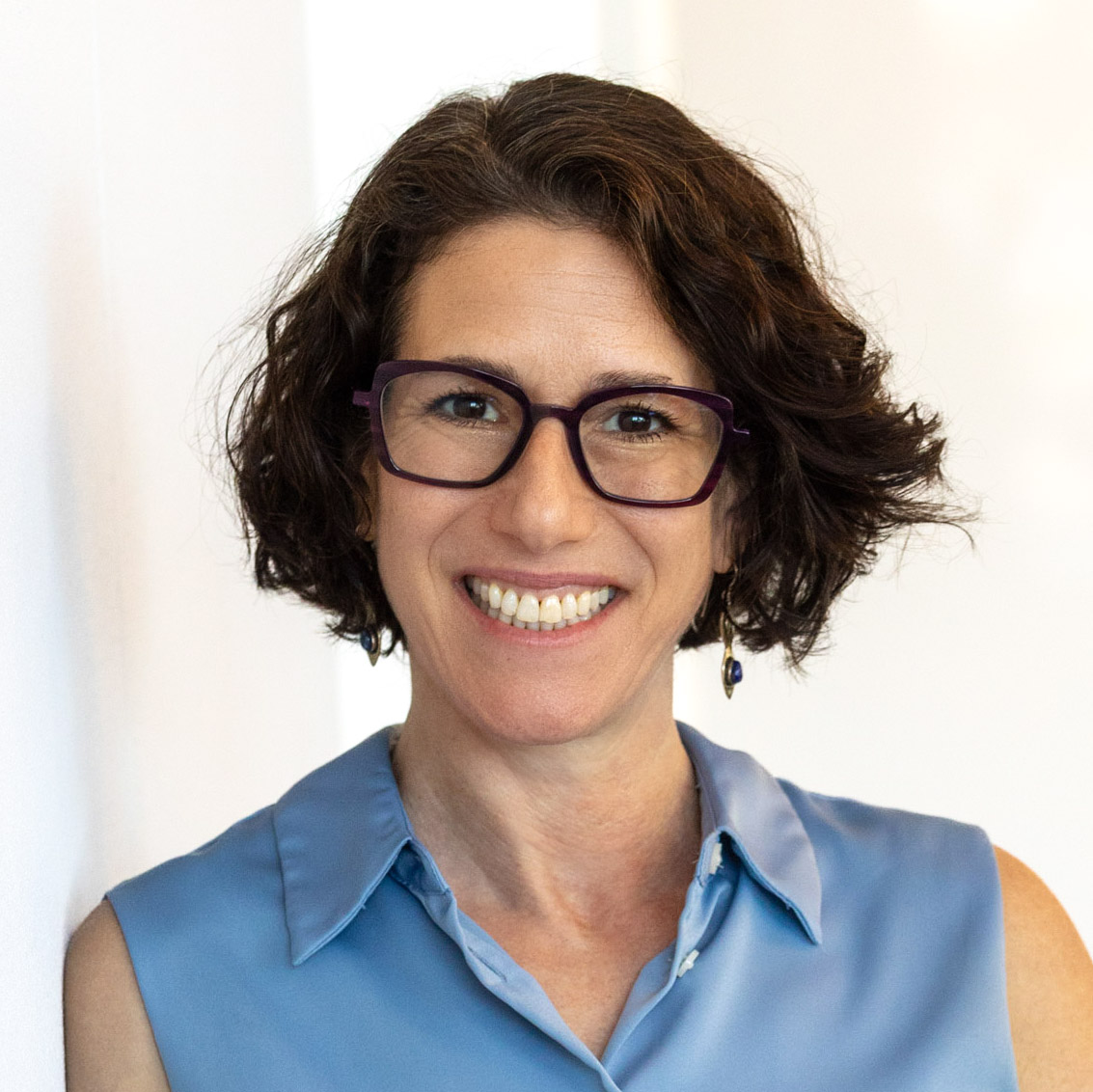
In college, Andrew Albert imagined a career in academia. He’d get global experience, earn a PhD in philosophy, come back to start a think tank in New Orleans and shape public policy in his hometown.
In the end, he did build a career that contributes to New Orleans — but in the city’s startup ecosystem.
He’s now programs director at the Idea Village, where he leads the team responsible for its accelerators, thought leadership and marketing and communications.
“What does it mean to be Black in the South and wrestle with institutions and power?”
Andrew Albert, Idea Village
His path there included working at New Orleans software startup Lucid during its $60 million Series B, before it became New Orleans’ first tech unicorn. He went on to support founders through Venture for America, co-found River Basin Distillery and later launch Exclave Spirits.
In this edition of How I Got Here, Albert talked about trading academia for startups, the job he considers his “working MBA” and what people hoping to build companies should know.
This Q&A has been edited for length and clarity.
You started college as a biology major and ended up studying philosophy. What did you think your career would look like?
Being Black from New Orleans, it was like: Go be a lawyer, go be a doctor. Those are the traditional pathways. So I started my undergrad career at Loyola University New Orleans as a bio major. I was like, “Oh, cool. I guess I’ll go become a doctor.”
But because Loyola is a Jesuit university, all freshmen take Intro to Philosophy. I had a chem lab with no windows and fluorescent lights, and then I went to this philosophy class with these very heady questions. It was incredibly appealing.
I literally dropped everything within that semester and switched to philosophy.
A lot of my undergraduate career was spent studying dynamics of power, specifically racial power. What does it mean to be Black in the South and wrestle with institutions and power? How might you see yourself in the world?
I had every intention of being a full-time academic. I had an amazing mentor who suggested I get a master’s degree first to figure out whether grad school was really what I wanted.
I’d had a Fulbright experience in the UK and fell in love with London. I was also a super nerd. You hear the stories about James Baldwin and the intellectual expat, and I knew I wanted to do something abroad.
So I went to the London School of Economics to study philosophy and public policy.
I immediately got to grad school and was like, “I do not like this at all.”
Before that, my ambition was to get a PhD, make policy recommendations, yada yada yada, solve the world’s problems. That was my very naive educational journey.
How did realizing academia wasn’t for you lead you to Lucid?
I knew fairly quickly that my educational journey was going to stop at the master’s level. In retrospect, that was probably a great thing because it gave me time to reflect on what I actually wanted to do.
A core driver for me was: How might I participate within the city of New Orleans in some productive fashion? Originally, I thought it was policy. I realized I didn’t want to do that.
This was the golden age of startups, and I was living in East London, where there was a lot of buzz and excitement around them.
One option was Venture for America, a fellowship for recent grads who wanted to work at high-growth startups. I applied, got accepted and really put all my eggs in the “I’m working in New Orleans” basket.
Thinking back on it, I had this singular idea: Whatever the best company in the world is, that’s the company I’m going to work for.
Plan B was to do Plan A for me.
I was fortunate enough to land that role at Lucid.
What did working at Lucid teach you, and how did that lead you toward supporting other founders?
My title was executive analyst, but I worked there essentially in a chief of staff role. I did everything from financial planning and analysis and board governance to designing a 35,000-sq.-ft.office space. If there was a job that needed to be done and there wasn’t a full-time hire to do it, it was my role.
My time at Lucid was very much my working MBA. We raised a $60 million Series B, which in New Orleans was a massive amount of capital. I got to work with bankers.
I remember the CEO at the time telling me, “The amount of access that you’re going to get here far surpasses what you’re supposed to have, and it is going to completely warp how you move through your profession.”

Then I pivoted away from operationally working in startups and went back to what I was interested in from school: economic development.
I ended up working for Venture for America. First, I was director of New Orleans, and then I became VP of venture growth, where I spent most of my time building our venture growth department, essentially the entrepreneurship department.
I helped design how we supported fellows and alumni on their entrepreneurial journeys, ran our accelerator and all of our entrepreneurial programming. It really was like 1-800-founder for the better part of six and a half years.
You co-founded River Basin Distillery and later launched Exclave Spirits. What drew you to the spirits business, and how did becoming a founder change the way you work with entrepreneurs?
Around 2017 or 2018, I read the story of Nearest Green and Uncle Nearest Whiskey. I remember thinking, “God damn, why didn’t I come up with this? This is amazing.”
After those emotions went away, the next thing was: This is actually a global Black story that can and should be told. This isn’t just an American Black story.
That seed eventually became part of Exclave Spirits, which tells a broader story of how Black people have contributed to distilled spirits.
Actually building something changed how I work with founders. It’s the difference between theory and practice.
By building something, I was able to cut out the jargon and get to the foundational principles of what it means to build a business.
The hard part is being able to assess risk, anticipate things and make very tight resource decisions. You hear stories of investors pushing, pushing, pushing, and founders losing sight of why they got into it in the first place.
My approach is: I don’t know exactly what you’re going through. This shit is hard. It’s lonely. It’s winding. But I try to be the friendly voice saying, “All right, I know it’s hard, but keep pushing.”
What advice would you give someone who wants to start a company or build a career working with startups?
Being perpetually curious is something you can develop and always work on.
Be comfortable with pivoting, because everything we put on a whiteboard sounds great to ourselves. The minute you take a step forward, you’re going to face something that forces you to change.
There’s the “fail fast” adage. I switch it to: Be able to pivot and rebound fast.
The other thing is to be very diligent with how you question your customers. You can build something great, something technologically ahead of everybody else. Awesome. But what I always go back to is: Will somebody give you money for it repeatedly?
If not, you kind of just have a science project, which is cool. But at the core of it, a business is: You create value that somebody pays you for.
And what’s the worst that could happen?
The cost of building is as low as it’s probably ever been. To the extent that you see a problem, see a challenge, take a shot. What’s the worst thing that’s going to happen?