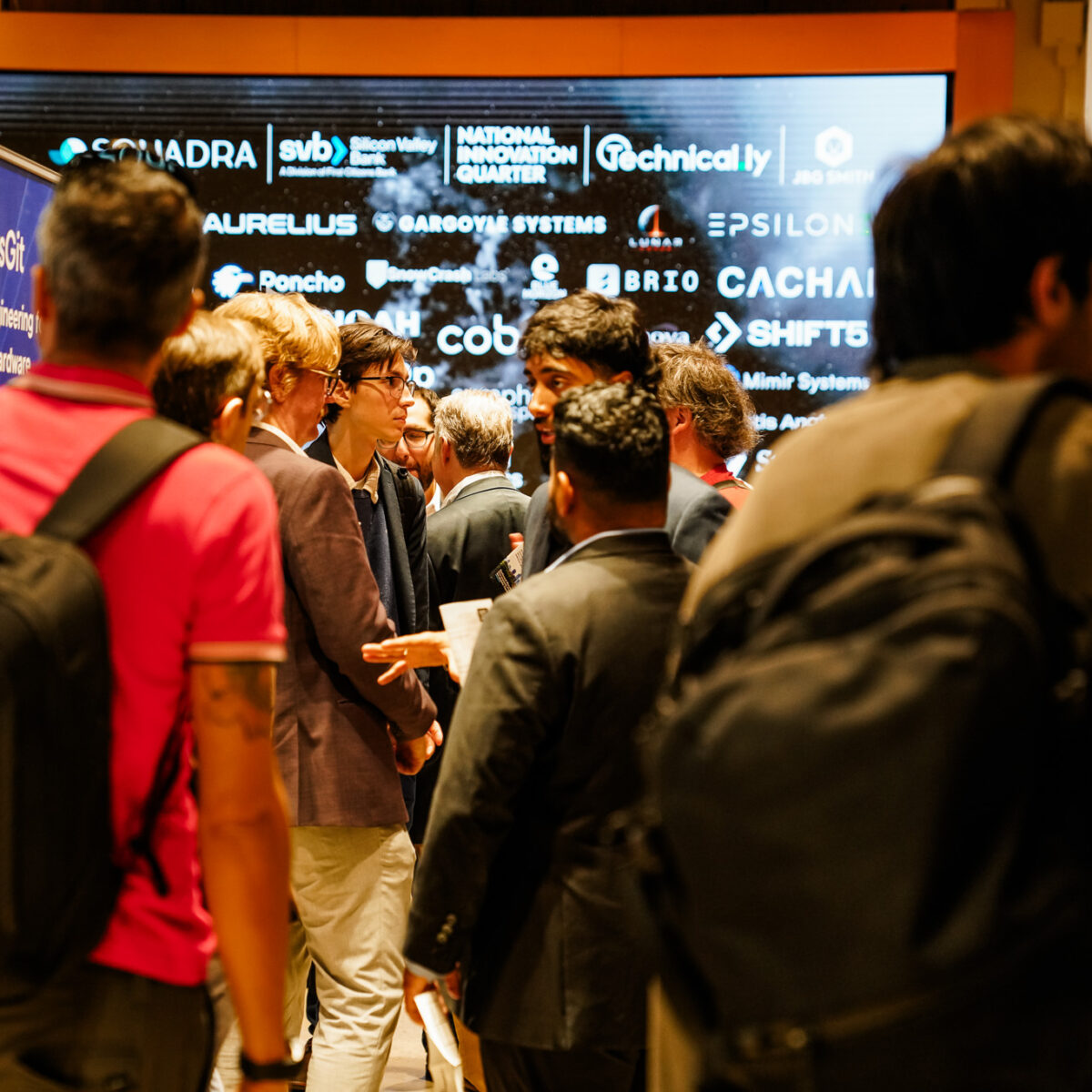

Robotics and AI Discovery Day has become a way for Pittsburgh’s robotics companies to find customers, investors and each other.
Pittsburgh Robotics Network (PRN), which helped build that network, is currently dealing with layoffs amid reduced grant funding. Still, thousands turned out to the event on Wednesday at the David L. Lawrence Convention Center, showing there’s still plenty of interest in Pittsburgh robotics and momentum doesn’t have to slow down.
“When I was a kid, Pittsburgh exported linebackers and college grads. Some industry like this will at least get the college grads to stay.”
Brian Roberts, Discovery Day attendee
“It’s like a family reunion for the robotics ecosystem,” said Brian Kennedy, Pittsburgh Technology Council (PTC) operations and government affairs senior vice president, “but a family reunion where we allow guests, and those guests are investors. They’re customers from people like the Army, the Air Force, the Marines, all here today.”
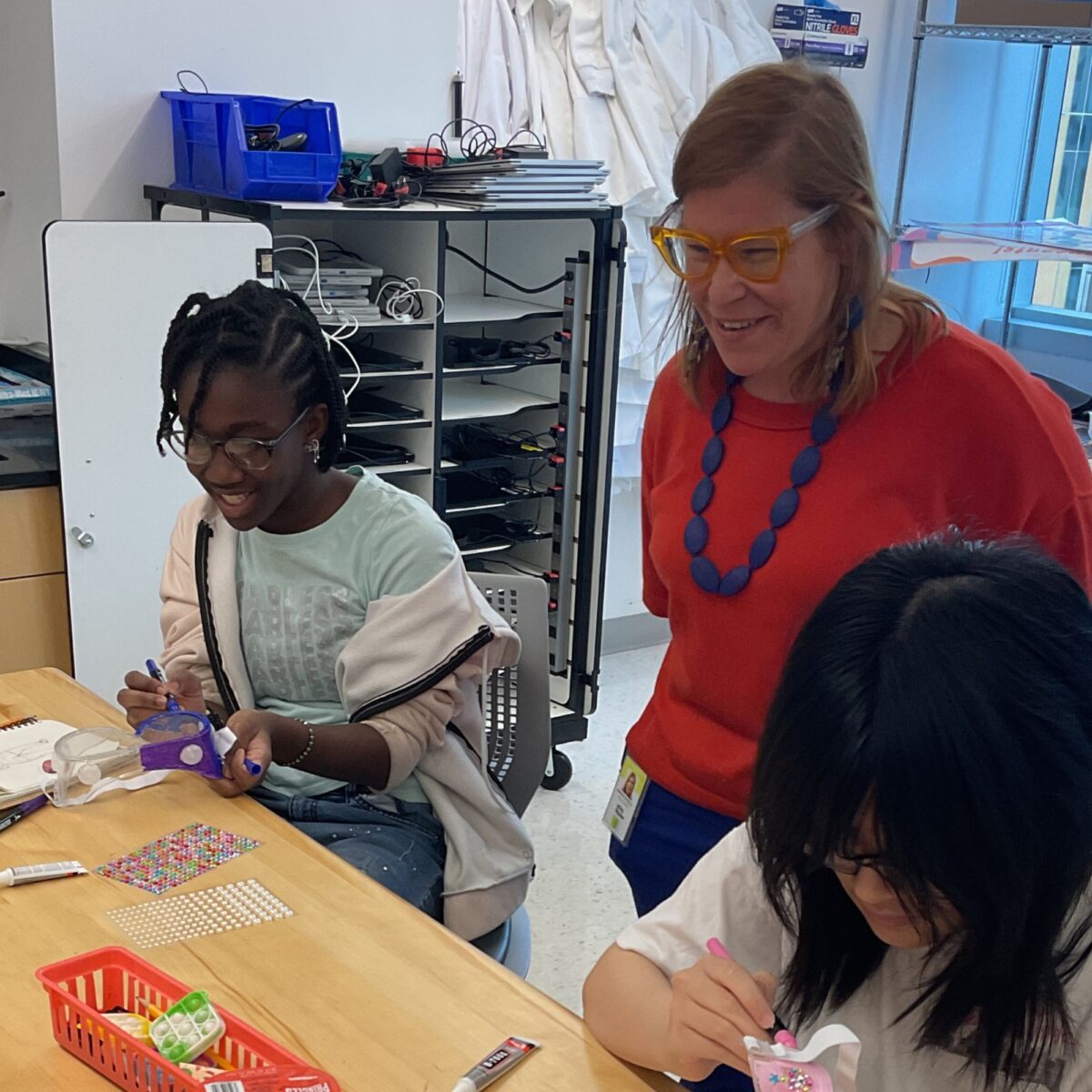
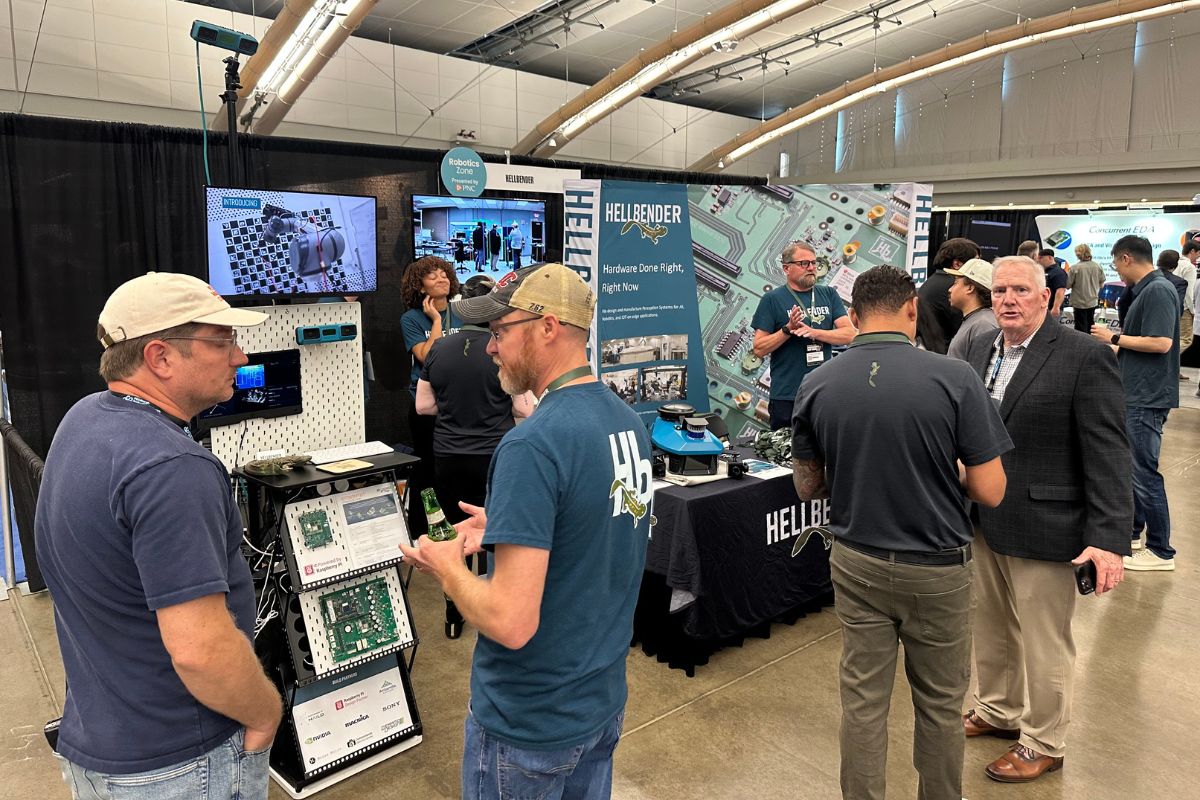
With industry leaders like manufacturing firm Covestro, community outreach programs like Protohaven and leaders in physical AI like Waabi charting a course, this year’s event welcomed more than 250 exhibitors across zones, including defense, robotics, advanced manufacturing, AI and tech, career pathways and community.
The newest addition, a defense pavilion, leaned into pairing physical AI with dual-use defense tech.
Discovery Day strives to build Pittsburgh’s robotics ecosystem by generating new partnerships between industry leaders, investors and those seeking work with employment opportunities.
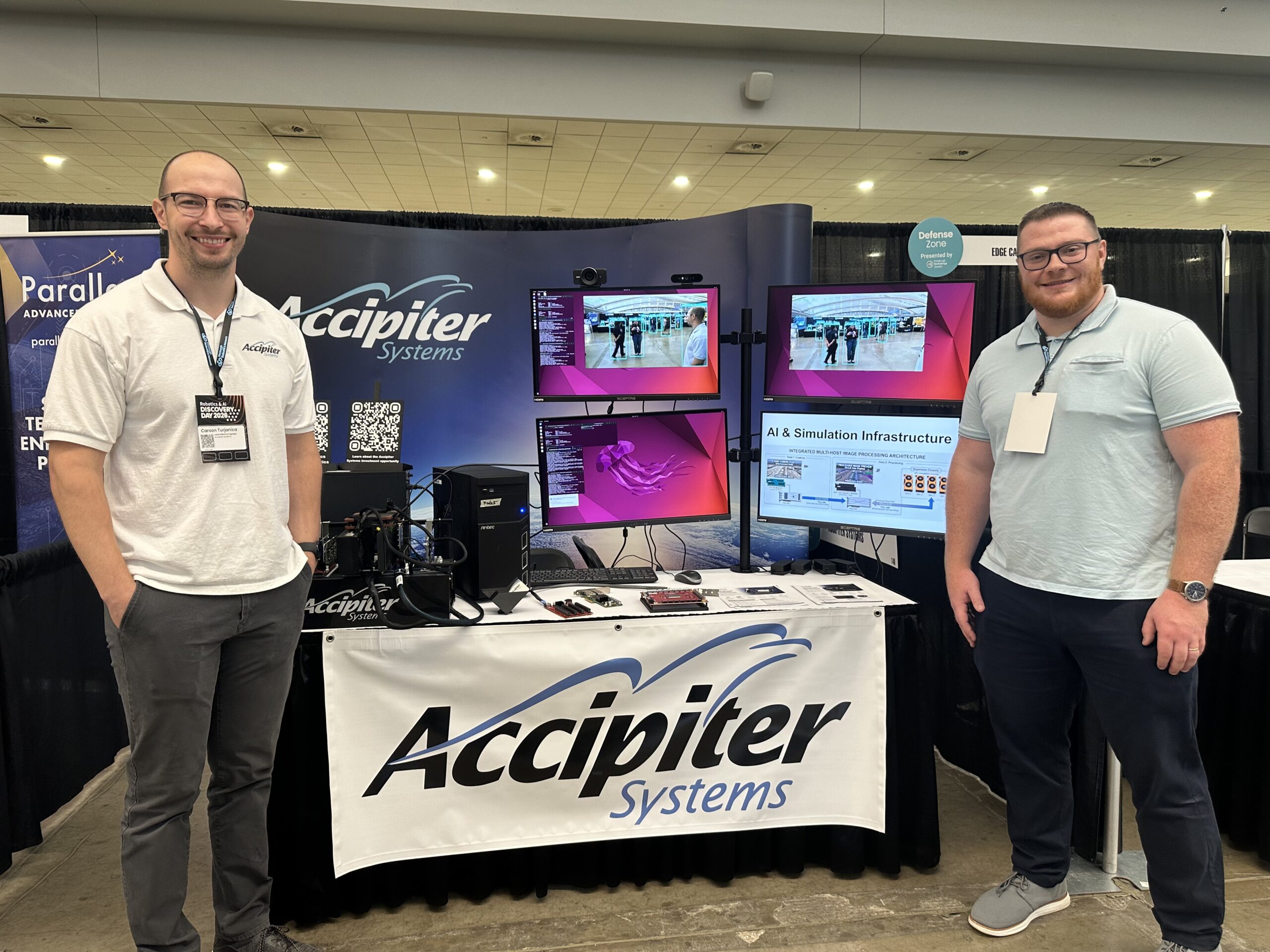
Cranberry Township-based Accipiter Systems, a computer networking company developing technology for longer-distance computer connections, was stationed in the defense zone.
“It’s good to know who is around here because a lot of times you don’t know until you need somebody,” Carson Turjanica, who was at the booth, said. “Like, oh, nice. They were here. Somebody does this around here, and that makes it easier to partner with somebody.”
Ultimately, Accipiter Systems was able to network and secure contacts throughout the day as the crowd cycled by their booth, company reps said.
“Everybody likes to work with a local company,” Scott Young from the firm said.
Partnerships that go beyond the vendor-customer relationship
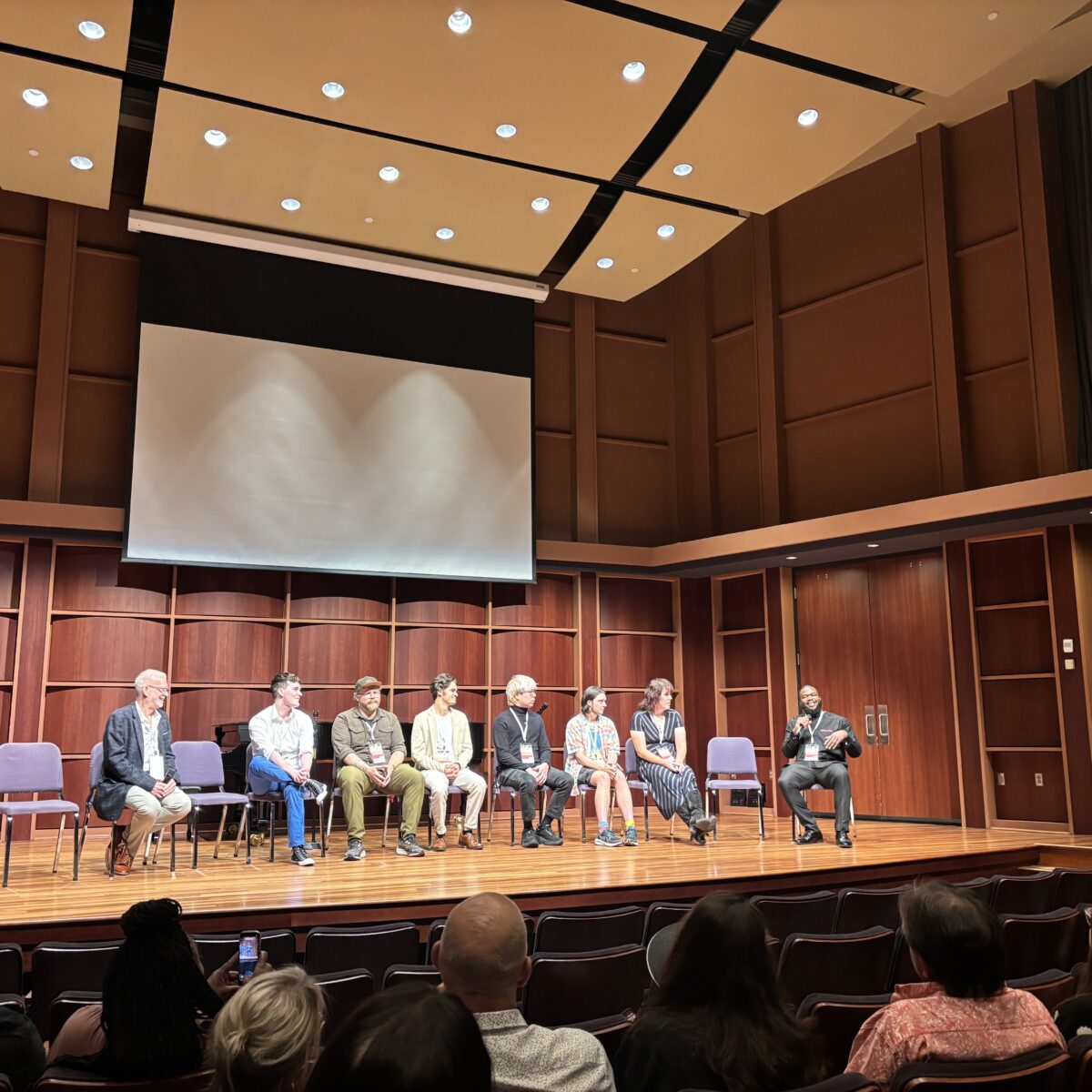
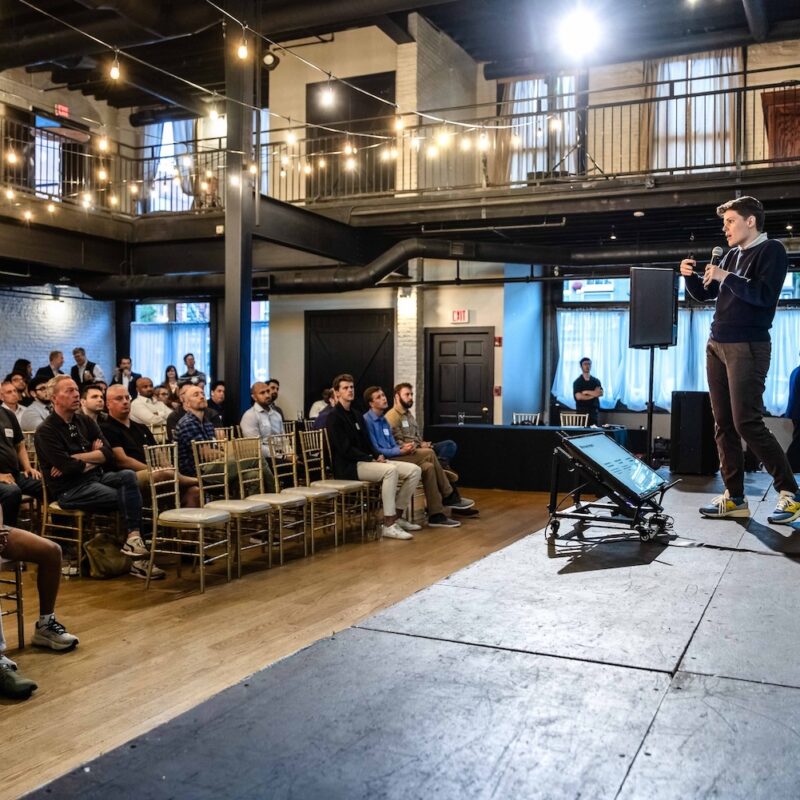
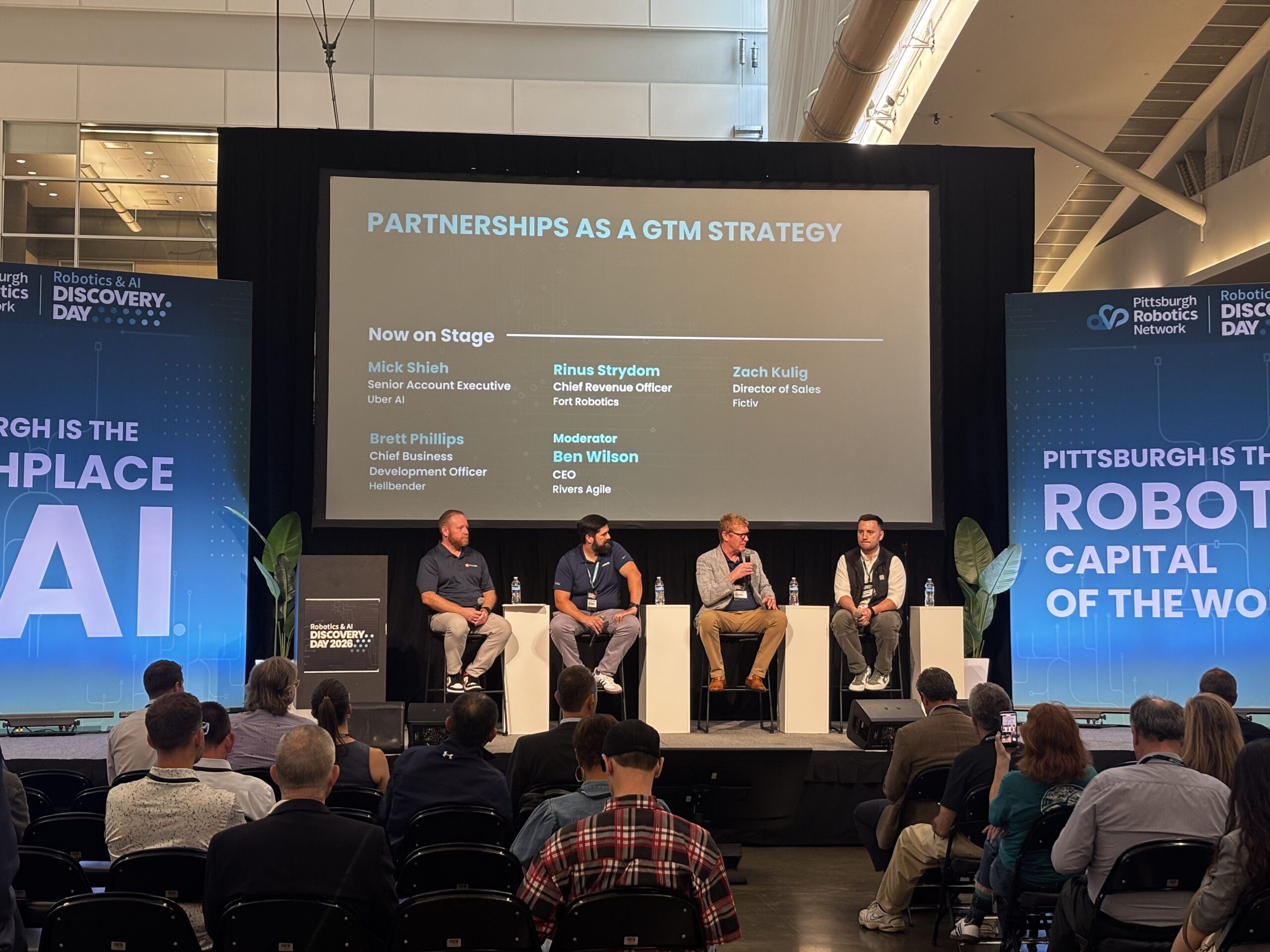
Panelists from Fort Robotics, Hellbender, Rivers Agile and Fictiv talked about creating a potential partnership behind the scenes before they walked onstage for their talk.
“The three of us literally met 10 minutes before this, and we have partnership potential going with all three of us,” Fort Robotics Chief Revenue Officer Rinus Strydom said. “It just came to talking about, ‘What do you do? Who do you target? What are the outcomes you’re looking for? And what are your all-time points?’”
During panel discussions, Strydom, Hellbender’s Chief Business Development Officer Brett Phillips, Rivers Agile CEO Ben Wilson and Fictiv Director of Sales Zach Kulig provided business owners, product manufacturers and other professionals with insights on how to get a strategic partnership to work for businesses.
Follow the rule of one plus one equals three, Strydom said, because partnerships should help your business ten-fold.
“There’s some value added by bringing these two companies together. So, that outcome is important, right?” he said. “There needs to be tangible steps that then leads to an outcome, and that makes it more than a vendor-customer relationship.”
Phillips said using plain language at the beginning of the contract can help clearly define the terms of what each partner is expected to do. He added to quantify the strategic ROI of the partnership early on. Both he and Strydom agreed that it is key to know when it’s time for your company to break up the partnership.
“It’s important to have a very clear off-ramp as well,” Phillips said. “I think oftentimes that’s glossed over because nobody likes bringing up that, especially when you’re at the altar getting ready to get married. But prenups exist for a reason, and I think we should introduce that more in the business world as well.”
Discovery Day faces questions about its future
Discovery Day draws its funding from Innovation Works and the New Economy Collaborative of Southwestern Pennsylvania (NEC), an initiative funded by a $62.7 million Build Back Better Regional Challenge grant from the US Economic Development Administration.
Yet, as the Build Back Better grant comes to an end, PRN let go of an undisclosed number of people this month, according to reporting by the Pittsburgh Business Times.
PRN started its Discovery Day in 2022 with 4,500 attendees and 80 exhibitors as a way to introduce the tech scene to the broader Pittsburgh community. Last year, it welcomed an estimated 10,000 attendees.
“What makes this event special is it focuses on local robotics and AI community,” Kennedy from PTC said. “When you walk away from it with a great experience, it’s because you’ve met customers and you’ve met investors, and that’s an important function that this community desperately needed.”
Now, PRN will brainstorm new ways to diversify its monetization strategies.
“The PRN filled a very important void in building this event,” Kennedy added. “It’d be a shame to see it not continue in at least that capacity.”
That community-building role was on display, as attendees from inside and outside Pittsburgh’s tech scene came to see what local companies are building.
Waabi hardware tools administrator Ed Roberts brought his brother, Brian, to Discovery Day. Ed wanted to see Waabi’s latest developments, what other competitors were up to and to reconnect with past coworkers.
“It’s a good way to just showcase what’s going on in Pittsburgh,” Ed said. “It’s a smaller community. Like I’m sure gonna walk around and see a few people here that I haven’t seen in a while.”
Brian, who is not in the tech sector, came to explore what new innovations local Pittsburgh companies had to offer.
“When I was a kid,” Brian said, “Pittsburgh exported linebackers and college grads. Some industry like this will at least get the college grads to stay.”