
This story was produced with support from the Howard County Economic Development Authority, which operates the Maryland Innovation Center and helps entrepreneurs and businesses of all sizes access the funding, guidance, and connections they need to grow in Howard County, Maryland. All stories are independently reported, with no partner review.
Maryland has long punched above its weight in film, and now, events like the Columbia Film Festival are trying to put a fresh wave of local storytellers on the map.
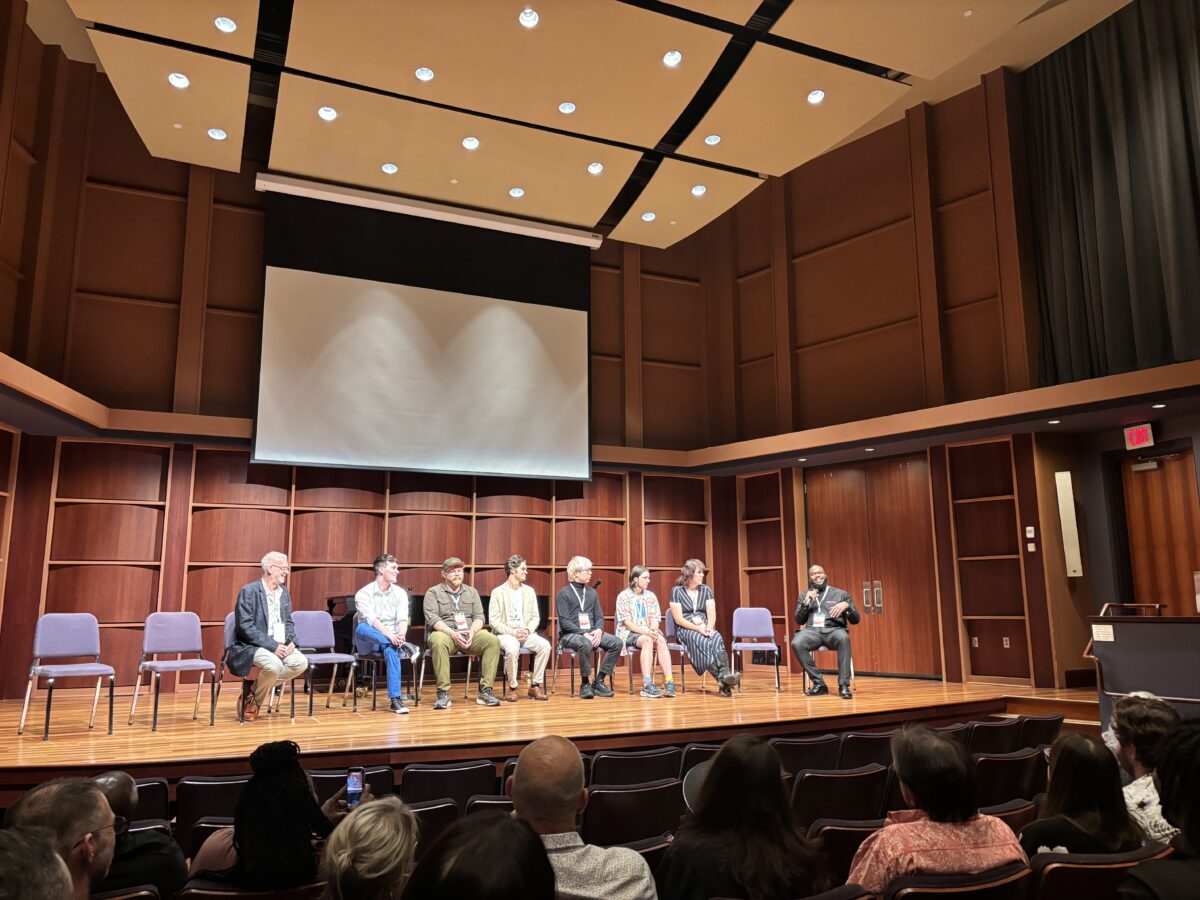
The festival, which ran for a week in early September, presented over 55 films with a focus on uplifting Maryland filmmakers. That emphasis sets it apart from other state events, such as the Maryland Film Festival, which prioritizes an international reach.
“Why am I paying all this money and raising kids [in Los Angeles], when I’d actually rather be in Maryland?”
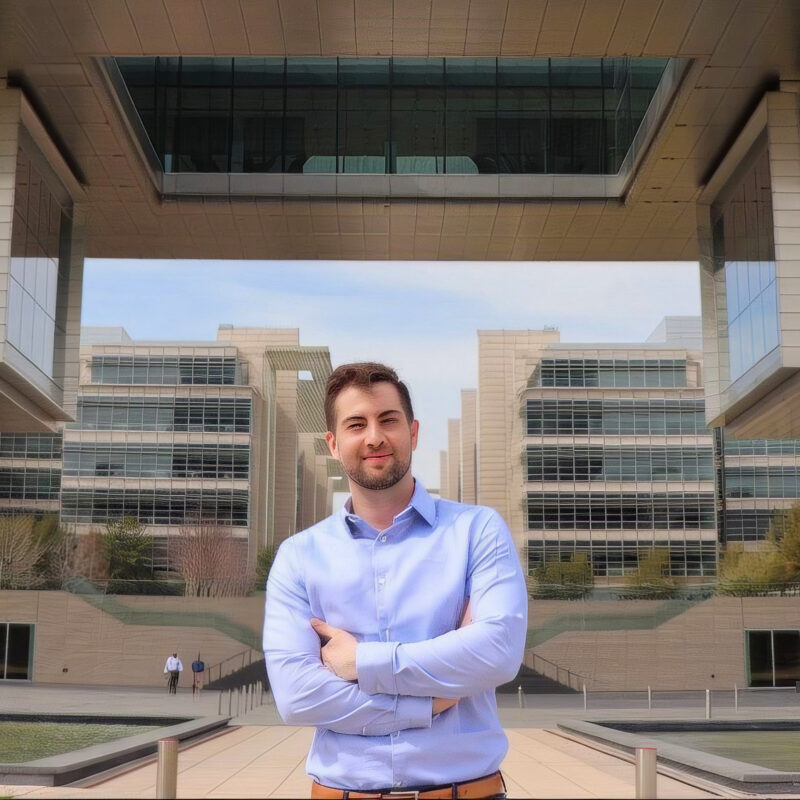
Zachary Guerra, RevolutionaryVP Studios
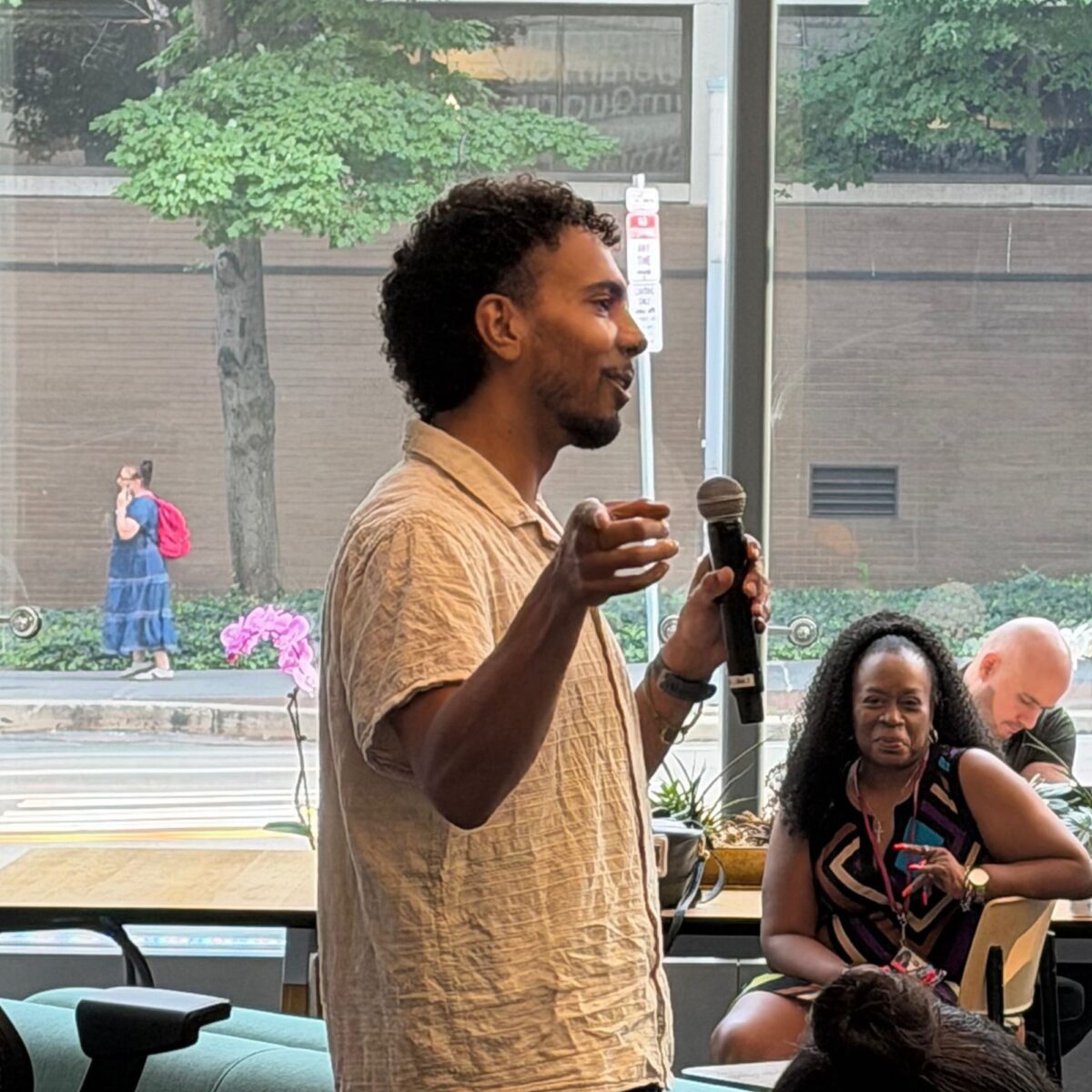
“We’re encouraging our local filmmakers and giving them an opportunity to show their films,” festival organizer Robert Neal Marshall told Technical.ly, “and we’re trying to make Howard County more amenable to film production.”
While Howard County isn’t a standout spot for the film industry yet, local economic development leaders are looking for ways to attract more production. In February, Howard County established a film task force, with Marshall as co-chair.
Overall, Maryland remains far from a film industry heavyweight. Surrounding states, such as Pennsylvania and New Jersey — which ranked eighth and seventh in a recent jobs report — far outpace it in entertainment employment.
Still, Maryland isn’t completely out of the picture, holding the 13th spot nationally, partly because of its storied history.
John Waters and Barry Levinson stand as the crown jewels of Baltimore cinema. Eduardo Sánchez pioneered the found-footage horror genre with The Blair Witch Project, shot in Montgomery County. More recently, the state served as a primary filming location for acclaimed political shows like Veep and House of Cards.
Marshall sees the festival as another opportunity to further strengthen the local film industry. He started the program eight years ago as part of the Columbia Festival of the Arts. Following the success of its virtual programming during the COVID-19 pandemic, it became an independent event.
Why one Hollywood veteran is opening a studio in Maryland
To pull in bigger projects, state and industry leaders are looking toward tax incentives.
“Entertainment is like any other business,” Marshall said. “It needs investment from our state.”
Under the state’s current program, production companies receive tax credits covering a percentage of their qualified local spending, such as hiring local crew and renting equipment.
In January, Gov. Wes Moore proposed eliminating the $10 million cap per production to entice larger projects, which can inject millions into the local economy. The proposal did not pass, though lawmakers did discuss raising the limit to $30 million.
States with major production hubs offer far higher limits. New Jersey, for example, has no per-production limit and caps its overall incentive program at $100 million annually compared to Maryland’s $12 million annual pool.
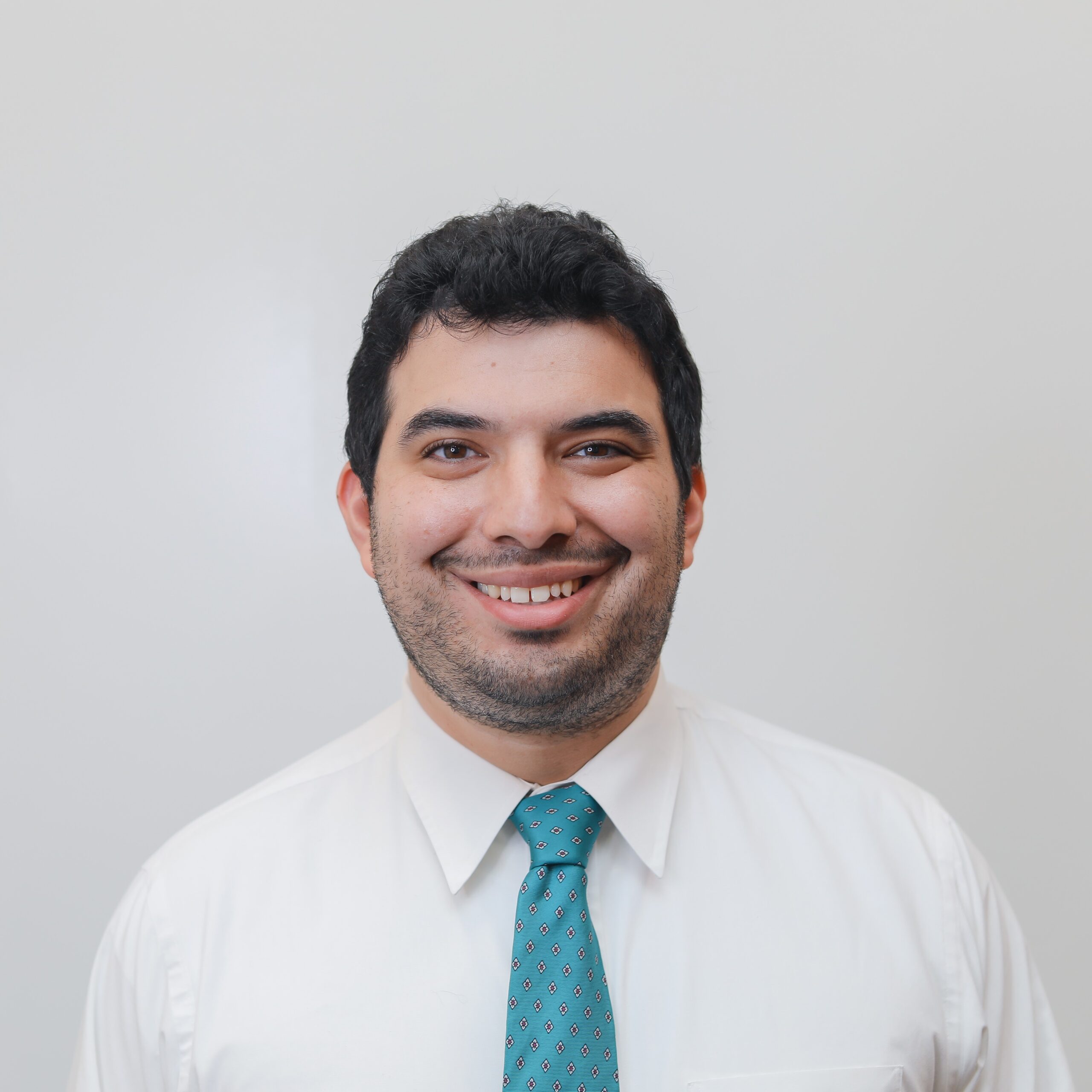
Maryland’s current film incentives aren’t strong enough to pull in major Hollywood players, according to film industry veteran Zachary Guerra. Still, the Maryland native chose to return home anyway, opening film production studio RevolutionaryVP Studios in Prince George’s County in November 2026.
Driven by California’s high production costs, Guerra realized much of his work was already taking place outside Los Angeles. Beyond the familiar territory, he saw potential in Maryland’s proximity to DC and major airports for attracting commercial clients.
“I thought: why am I paying all this money and raising kids [in Los Angeles],” Guerra said, “when I’d actually rather be in Maryland?”