
Students at DC’s public university are getting more opportunities to research quantum and advanced manufacturing, thanks to nearly $16 million in federal funding.
Across three grants, the University of the District of Columbia will fund PhD positions, boost patent and publication filings and build more STEM-focused workforce development programs, per a press release. A $9.9 million award, announced this week, will create a new research project about manufacturing chemistry-enabled quantum devices over the next five years, for example.
“For the first time, UDC students will train on the same industry-grade instrumentation used in leading laboratories nationwide.”
Gulen Ozkula, University of DC
“We are excited about the opportunities this grant creates,” said Devdas Shetty, dean of UDC’s engineering school, “to advance scientific discovery, educate the next generation of researchers and translate breakthrough technologies into real-world applications.”
The historically Black university is leveraging the nearly $10 million award — part of a federal program helping minority-focused institutions expand research capacity — to work toward R2 classification. Reaching that designation for research spending and doctoral student counts helps attract applicants and funding, serving as a stepping stone toward prestigious R1 status. Howard University in DC is the nation’s only R1 HBCU, though a consortium of institutions across the country is working to change that.
Quantum research and development has become a national priority, through establishing task forces and the feds investing $2 billion in private quantum companies, in exchange for minority stakes. States are also getting involved in funding research, though the return on investment for the tech remains unclear.
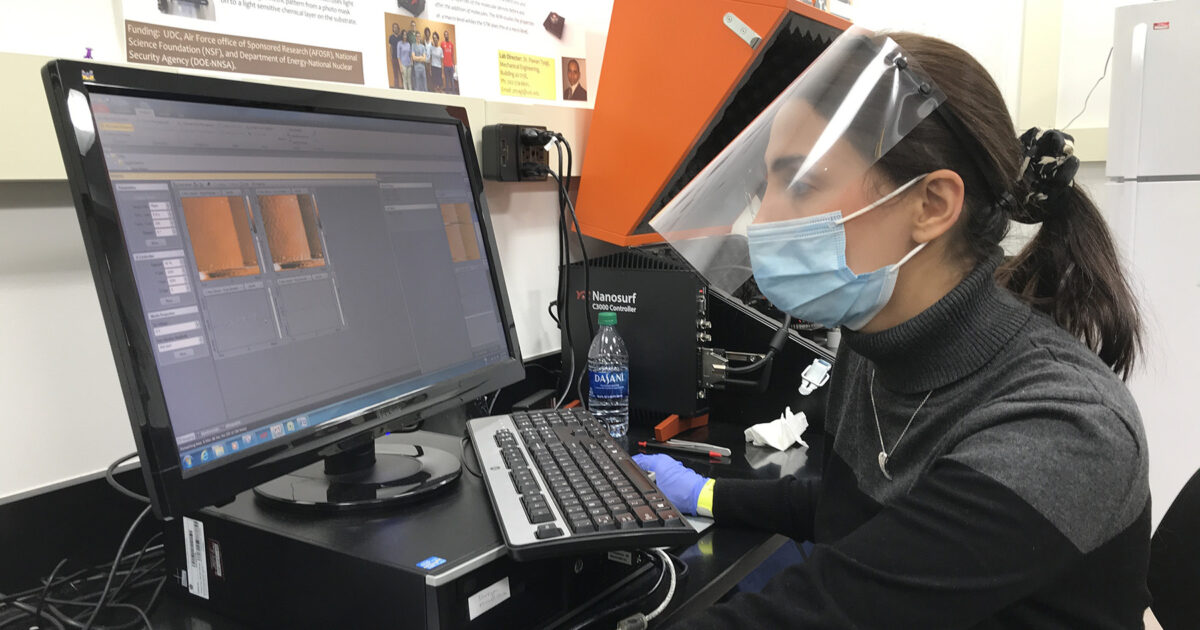
In addition to the quantum hardware grant, a $4.99 million renewal from the National Science Foundation focuses on research and workforce development at UDC’s nanotechnology center. This phase will dive into molecular spintronics and molecular catalysis — fields that explore how different materials behave on the molecular level to inform applications like advanced manufacturing .
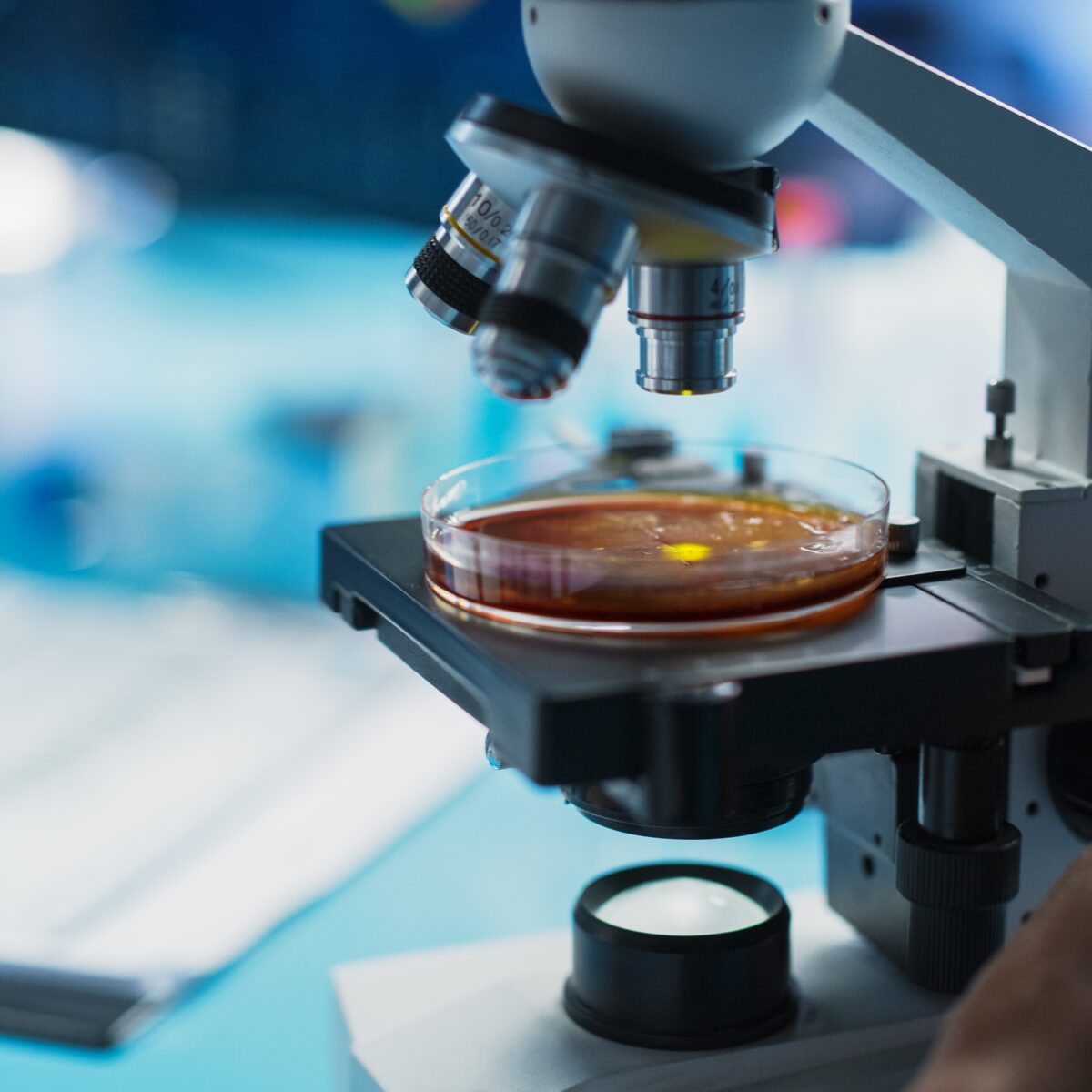
Through the Department of War, UDC received about $1 million to establish a new lab and equipment like high resolution cameras to test how critical infrastructure (like buildings and landscapes) shifts over time without the need to physically pull a sample.
“For the first time,” civil engineering professor and project lead Gulen Ozkula said, “UDC students will train on the same industry-grade instrumentation used in leading laboratories nationwide while contributing to research that strengthens the resilience of the infrastructure communities depend on.”