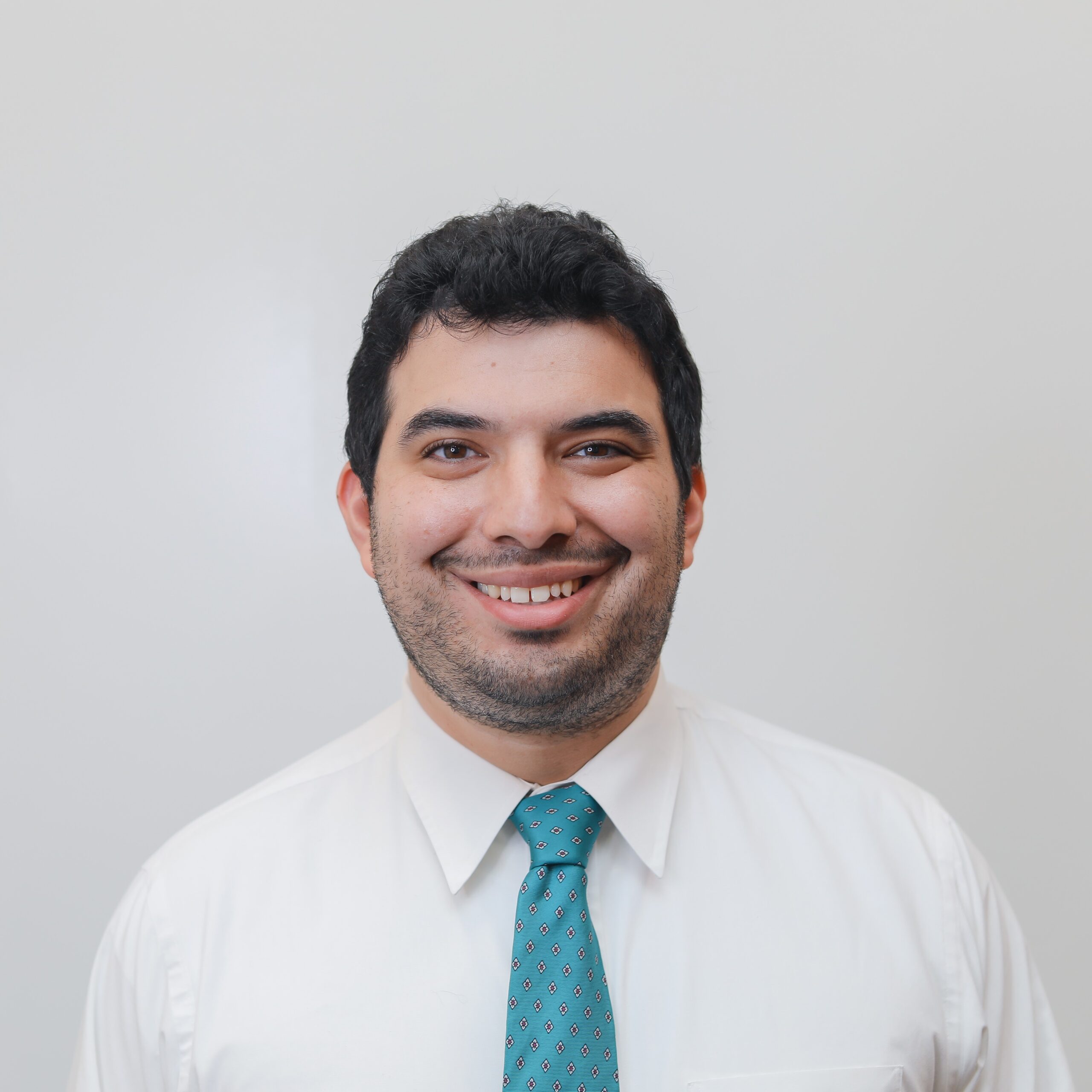
When Lowry Curley helped spin Tulane research into a biotech startup more than a decade ago, there wasn’t much of a roadmap.
The “nerve-on-a-chip” technology he co-invented while earning his biomedical engineering PhD became AxoSim, a New Orleans-based company that grew to 35 employees, raised venture capital and licensed technology from multiple universities.
Tulane supported the company, he said, but it didn’t yet have today’s formal programs for turning research into startups.
“We did the majority of it ourselves,” Curley told Technical.ly.
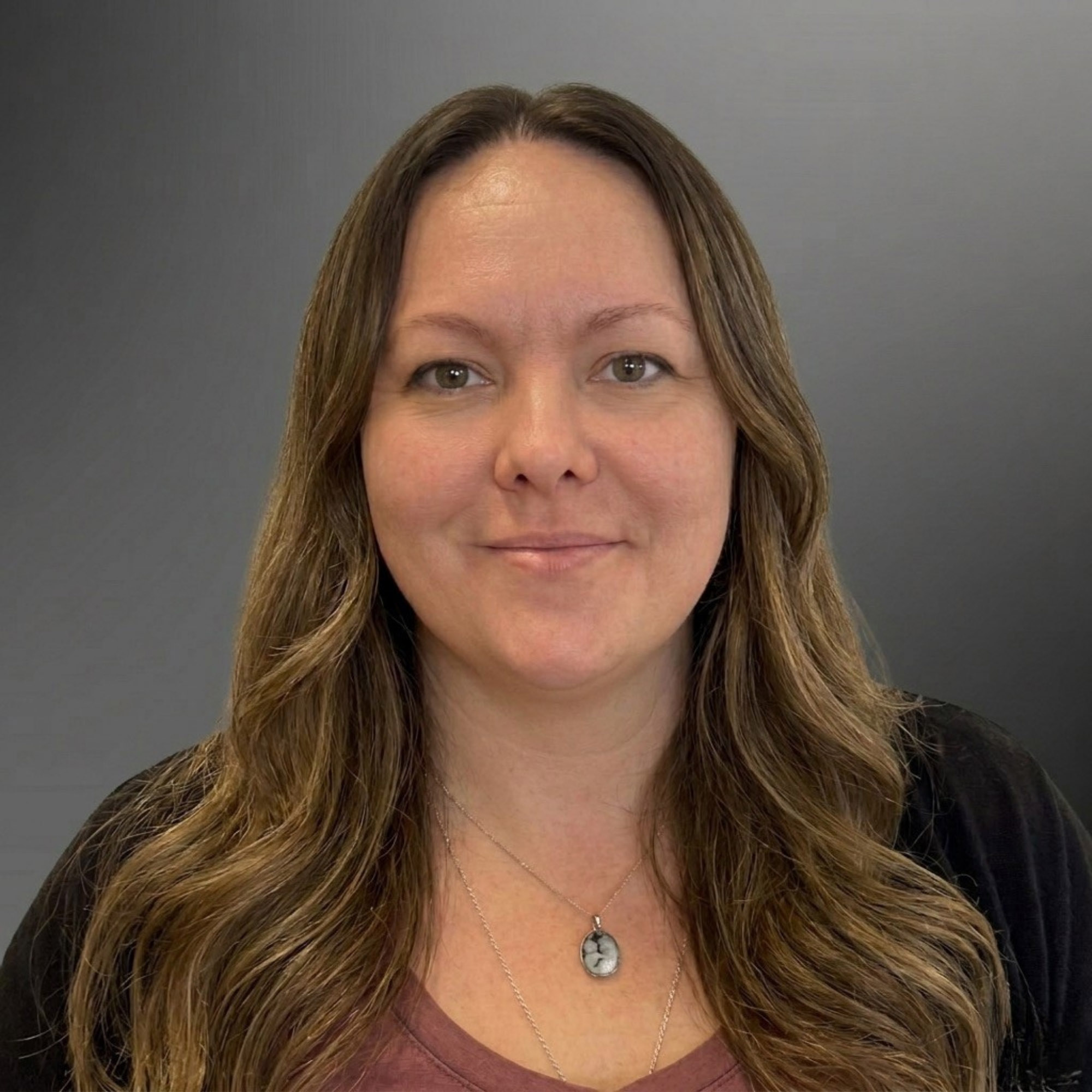
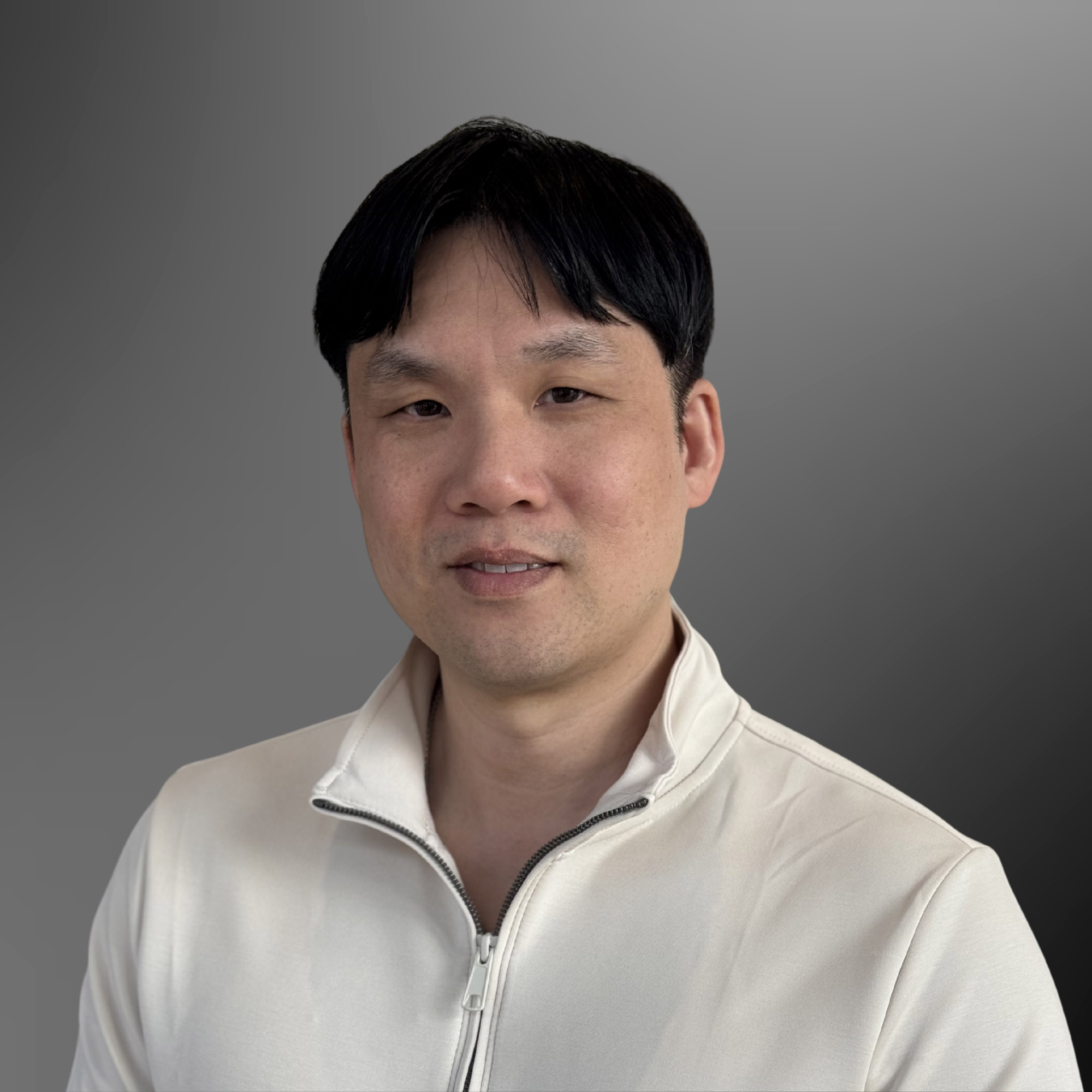
Today, Tulane has a whole program dedicated to turning university research into startups. It’s called the Founder Lab, and it’s just now beginning its second year. Curley and his Luna LifeSci colleague Will Bralower participate as a pair of entrepreneurs-in-residence (EIRs).
Tulane isn’t trying to force every promising technology into a startup: “They listen to us.”
Lowry Curley, Founder Lab EIR
Unlike a traditional accelerator, Founder Lab doesn’t begin with existing startups. Instead, it brings Tulane research together with experienced entrepreneurs who evaluate the technologies, investigate potential markets and help determine which could realistically become companies.
The program is part of the university’s broader push to move more internally created technology into the marketplace, an effort that recently received a boost when Tulane was awarded a four-year, $6 million National Science Foundation grant.
The school also operates Tulane Ventures, a $10 million fund that invests in early-stage Louisiana startups.
Finding the business inside the research
Claiborne Christian, executive director of commercialization at the Tulane University Innovation Institute, which runs Founder Lab, said it was designed to match complementary skill sets.
“Faculty are really, really talented on the research and technical side, but by definition, they aren’t founders themselves,” Christian said.
In the program’s first cohort, which started in August 2025, Tulane paired four EIRs directly with four faculty-developed technologies. One EIR, Ariel Johnson, later went on to work with Bio Protectant Technologies, a Tulane spinout based on a surgical antiseptic technology developed in the lab of School of Medicine faculty member Chad Roy.
That cohort changed how the program was structured. “The feedback that we got was that [the EIRs] wanted to explore more in the portfolio before making a decision,” Christian said.
In response, Tulane added an evaluation stage. In the current round, Curley and Bralower are working as a pair within a larger group of EIRs. They said they reviewed about 18 patents or groups of related patents, individually ranking their potential to become viable products or businesses before discussing them with the full group. After the group narrowed the field, Curley and Bralower took a closer look at two technologies before focusing on one for the final stage.
Some promising technologies may need more time in the university. Others may have scientific value without a strong commercial market.
Curley said Tulane isn’t trying to force every promising technology into a startup: “They listen to us.”
From an invention to a playbook
Two technologies from the latest Founder Lab process advanced to the final stage, according to Christian, of the Innovation Institute.
One is an antimicrobial peptide, a molecule designed to fight infections, that researchers say may help avoid the problem of bacteria developing resistance. The other is a diagnostic tool designed to predict whether certain solid tumors will respond to treatment.
Both began with multiple potential applications. Founder Lab helped narrow each toward an initial market.
For Curley and Bralower, that included interviews with potential customers, conversations with investors and industry experts and developing a plan for bringing the technology to market.
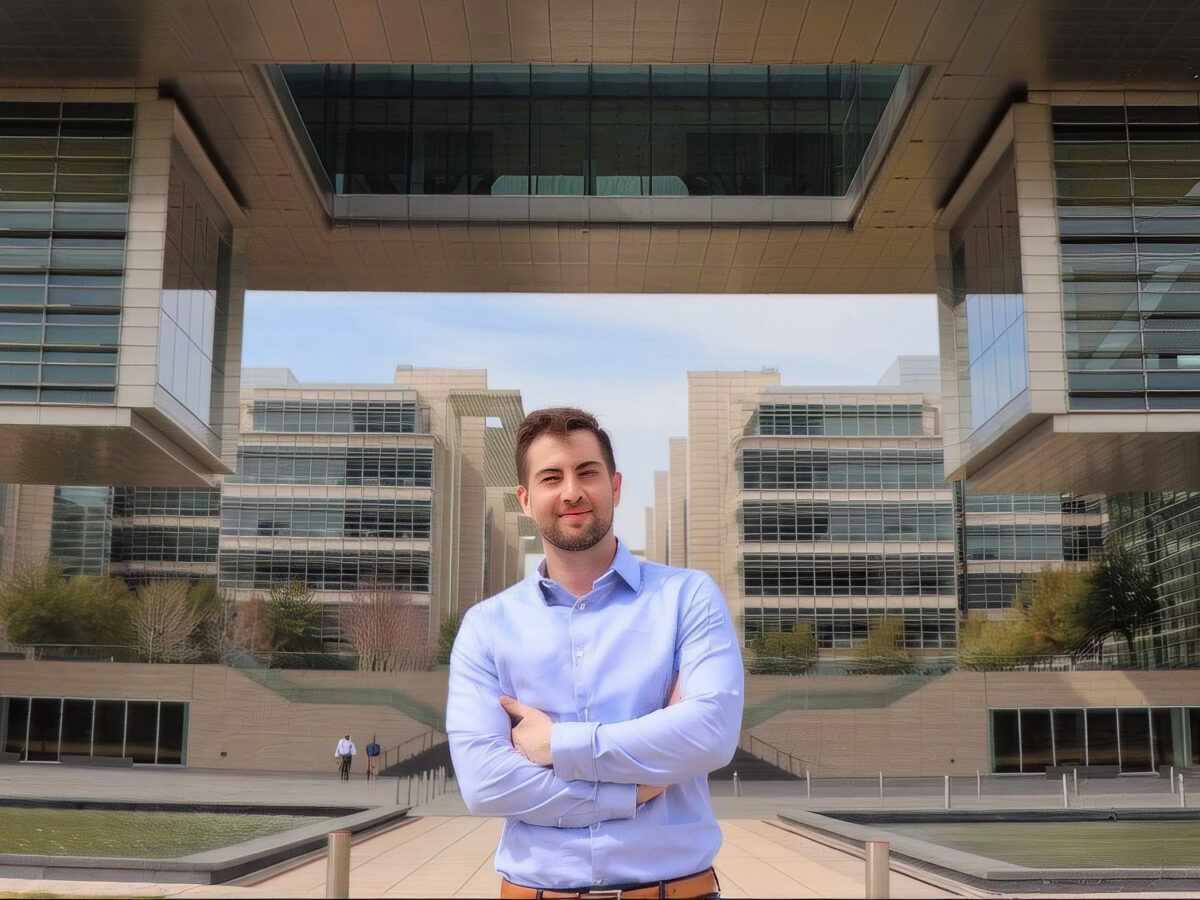
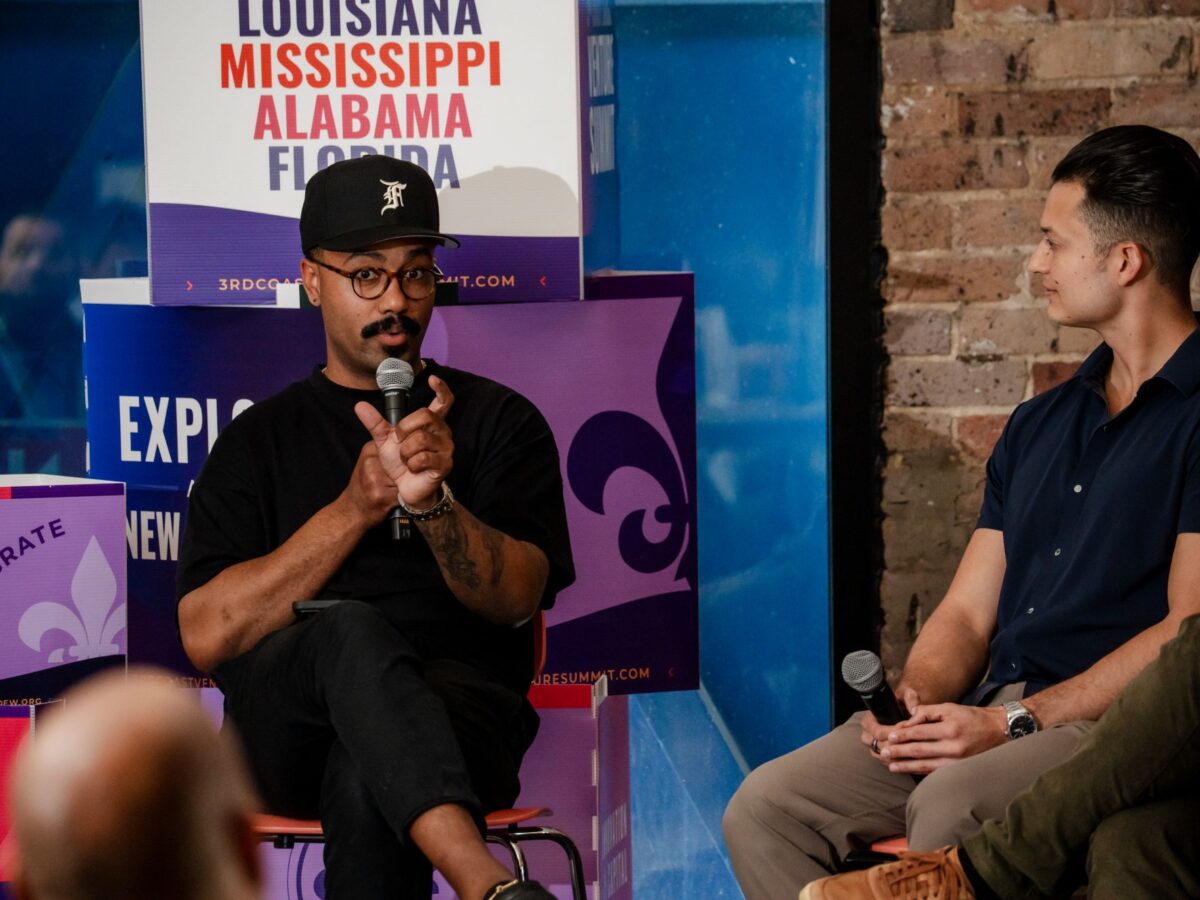
Curley described Founder Lab’s final product as essentially a “mini business plan”: a playbook explaining how a company could take the technology to market. The EIR who develops the plan could choose to help launch and lead the company. If not, Tulane can hand the playbook to another entrepreneur instead of starting over.
Bralower, who studied biomedical engineering at Tulane before moving into the business side, said the model can also help researchers who never expected to become entrepreneurs.
“What I’ve noticed about this program that’s really special,” Bralower said, “is it gives those professors who have really good ideas and inventions the mechanism to work with entrepreneurs who have actually gone through the same system — and helps them get those inventions out of the lab.”
Christian said Tulane expects roughly two to five technologies per Founder Lab cohort to emerge with a business plan and a determination that they are ready to pursue as new companies.
Bralower has watched the shift from another perspective. After graduating from Tulane six years ago, he left Louisiana to pursue biotech opportunities in California. Now he sees jobs and young companies emerging here that weren’t available when he graduated.
“I graduated six years ago, and if it had been what it is now, I might have stayed,” Bralower said. “If this was there six years ago, who knows what my life would have looked like?”