
Thousands of backup generators power Northern Virginia’s massive data center industry, and a single county overwhelmingly bears the brunt.
Loudoun County, considered the data center capital of the world, houses nearly half of the state’s more than 13,500 backup generators, according to 195 air permit applications analyzed by Technical.ly.
Generators, often powered by highly polluting diesel, serve as emergency backup when enough power isn’t available from the grid due to mechanical outages or natural disasters. They ensure the servers stay online, avoiding disruption to things like financial transactions and video streaming services.
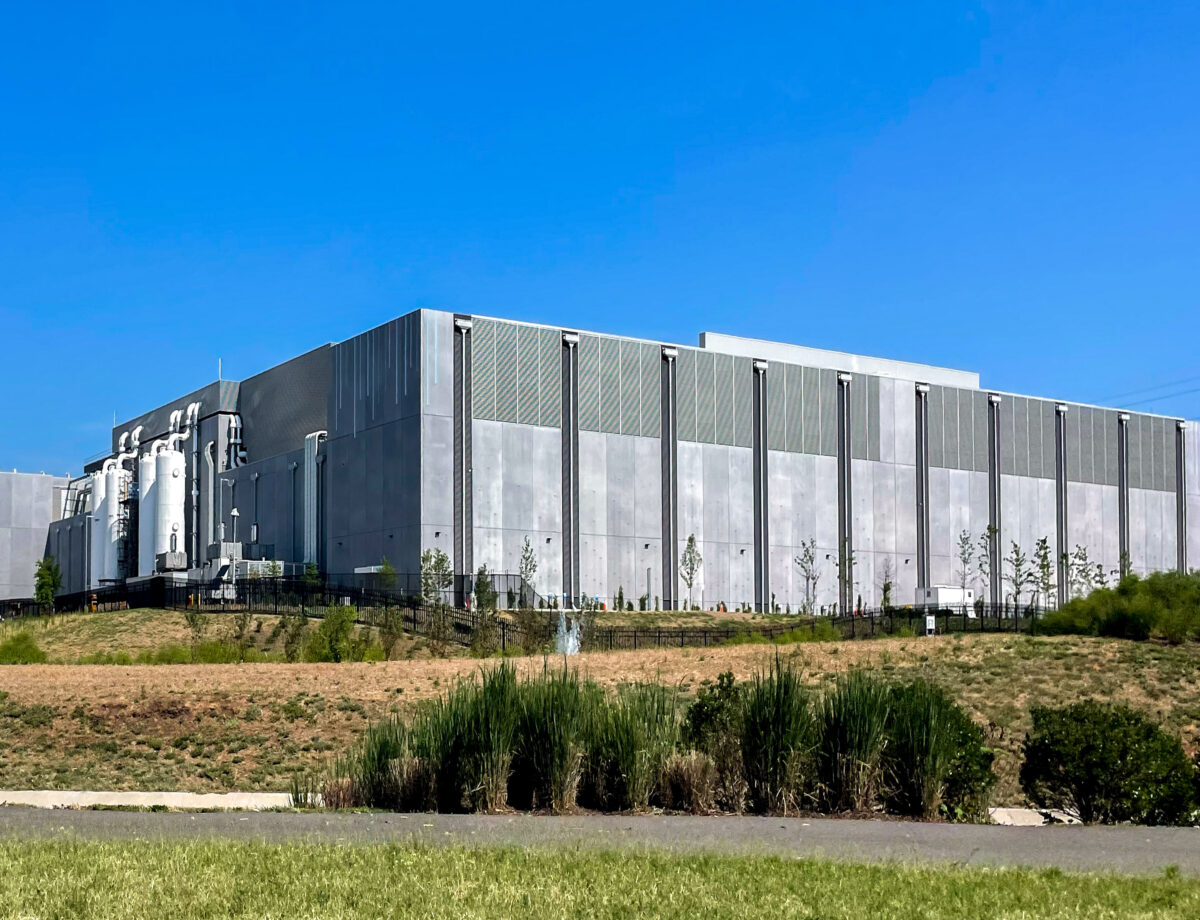
Local residents across the country and in Northern Virginia have increasingly called for reining in rapid data center development, voicing frustration over generator noise in public hearings and online. Loudoun alone contains more than 250 standalone data center buildings and multi-facility campuses, according to industry tracker Data Center Map.
“I am tired of nothing being done,” Lindsay, a Loudoun resident, said at a county meeting this summer. “But most of all, I am tired from the lack of sleep, from the humming of the data centers all night long.”
Startups are working toward solutions in powering data centers, but as energy demands climb across the country, grid outages are becoming more frequent — meaning there’s greater reliance on backup generators.
This comes with more emissions, and restrictions about the amount of substances released in the air is outlined in air permits. Virginia’s environmental quality agency is ordering Microsoft to pay $2.5 million for exceeding set limits during a weeklong 2025 outage.
The majority of those funds, the largest penalty for data centers in the state, will be used to build air monitoring infrastructure.
Relying on backup power is not rare for operators. An Amazon Web Services data center campus outage in Virginia disrupted access to dozens of major online platforms for several hours in 2025.
Amazon accounts for nearly 40% of the generators in Virginia, including its construction subsidiary VADATA. But most tech companies using data centers rent from developers, leaning on expertise in construction and filing permits.
What’s in the permit?
Before construction, most data center operators must file applications for air quality permits, per Virginia state code.
Most filings by data center developers in Virginia fall under minor new source review permits. These apply to mid-tier facilities, like data centers and distribution warehouses, that generate enough pollution to require government oversight, but do not reach the extreme emission levels of heavy industrial plants like coal facilities.
Permits detail generator energy capacity, fuel types (which are mostly diesel) and strict emission limits for pollutants like carbon monoxide and sulfur dioxide. Regulations also include:
- Annual runtime limits: Operators are usually restricted to 500 hours per generator each year, which includes designated time for mandatory testing. That testing process and how much time is needed differs depending on the generator, and operators are instructed to follow guidelines from the manufacturer.
- Detailed usage logs: Facilities must log the exact duration and specific reason for running the generator.
- Mandatory reporting: Summary reports must be submitted to the Virginia Department of Environmental Quality (DEQ) every six months, and raw data logs must be kept on-site for at least five years for state inspection.
When Technical.ly requested these operational records from the DEQ to evaluate generator usage, the agency said compiling the public files would cost $2,239.48.
These permits are living documents — when data center operators want to expand capacity or swap out equipment, they must submit amendments to the state. And beyond diesel generators, air permits also regulate other on-site equipment, including evaporative cooling towers that keep the servers from overheating and fuel storage tanks.
Federal policy shifts
Because there is no central government database requiring data centers to register, tracking the industry relies on patchwork sources. This creates discrepancies between state filings and third-party data: Virginia issues air permits based on specific legal definitions for single buildings and campuses, while tracker Data Center Map relies on voluntary disclosures and crowdsourced info. Plus, not all land zoning applications filed through counties in Virginia have “data center” as a description for those permits.
Air quality permits are designed to enforce compliance with the Clean Air Act, a federal law established in 1975 by the EPA to regulate emissions.
However, public transparency rules may soon change. An EPA proposal circulating this summer would eliminate federal requirements forcing state agencies to notify the public and invite public comments before issuing the minor new source review permits most filed by data centers in Virginia.
While state regulators could still choose to hold public hearings, seeking community input would no longer be required by federal law.