
Leaders in Loudoun County, Virginia — long considered the data center capital of the world — are working on a plan that would force nearly two dozen in-progress data center projects to face new public hearings.
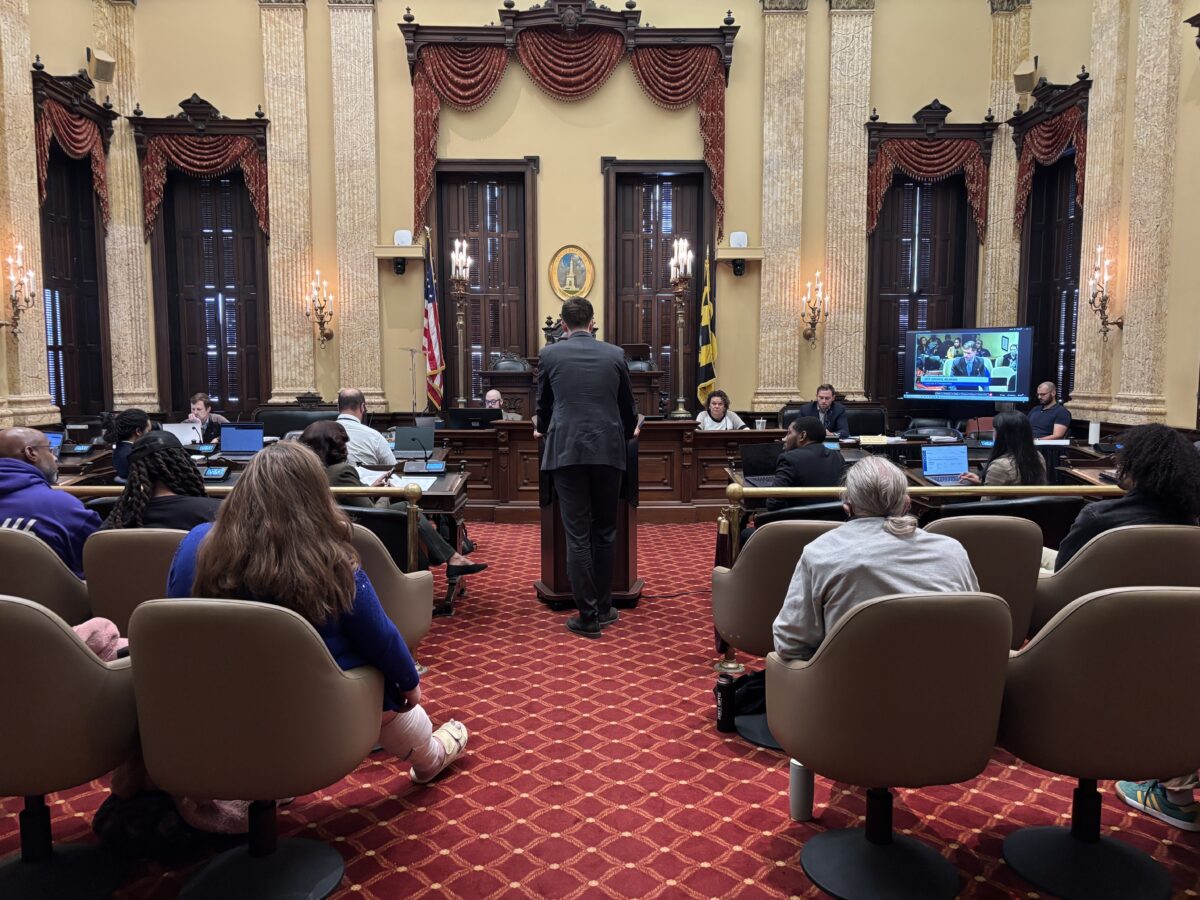
At this week’s 7-hour Board of Supervisors meeting, county officials allowed 90 minutes of public commentary on the initiative. People were eager to speak up.
“It is about public trust, transparent governance and ensuring decisions with significant and lasting impacts on Loudoun County receive the level of public review and scrutiny they deserve,” Michelle, a Loudoun resident, said at the meeting.
“I would love to stop data center growth right here, right now,”
Mark Turner, Loudoun County Board of Supervisors
Across the US, community members are pushing back against nearby data center development, and local governments are looking at various ways to regulate the industry and ensure residents have a voice in the process. This has been happening elsewhere in Virginia, in Pennsylvania, in Louisiana, in New Mexico — and now it’s happening in the county with the globe’s highest concentration of data centers, too.
Loudoun County earned that designation thanks to its (previously) lax zoning laws and competitive electricity prices, along with the fact that it’s geographically located near other major internet infrastructure. The county contains around 250+ standalone buildings and campuses, according to the tracker Data Center Map.
“The community is begging us to use every tool in our toolbox,” Supervisor Juli Briskman said at the meeting, “to make sure that we get control over this industry that’s been running roughshod over our community.”
Pivoting from lax regulation to concern about long-term benefit
Loudoun historically had a “by right” system that streamlined data center approval processes. As long as the project met zoning requirements for office buildings, in most of the county there was no need for public hearings or legislative approval.
Last year, county officials changed these standards, and new data center projects are now required to go through public approvals. When the change went into effect, 22 developments in the midst of approvals were “grandfathered” into the old rules, meaning these developers and the county are legally exempt from having to hold public hearings.
Now Loudoun leaders want to nix those exemptions, which would force projects at various stages of development to collect public feedback and be subject to a board vote. At the meeting, they made the decision to formally get a legal opinion before putting forth an actual proposal to make the change.

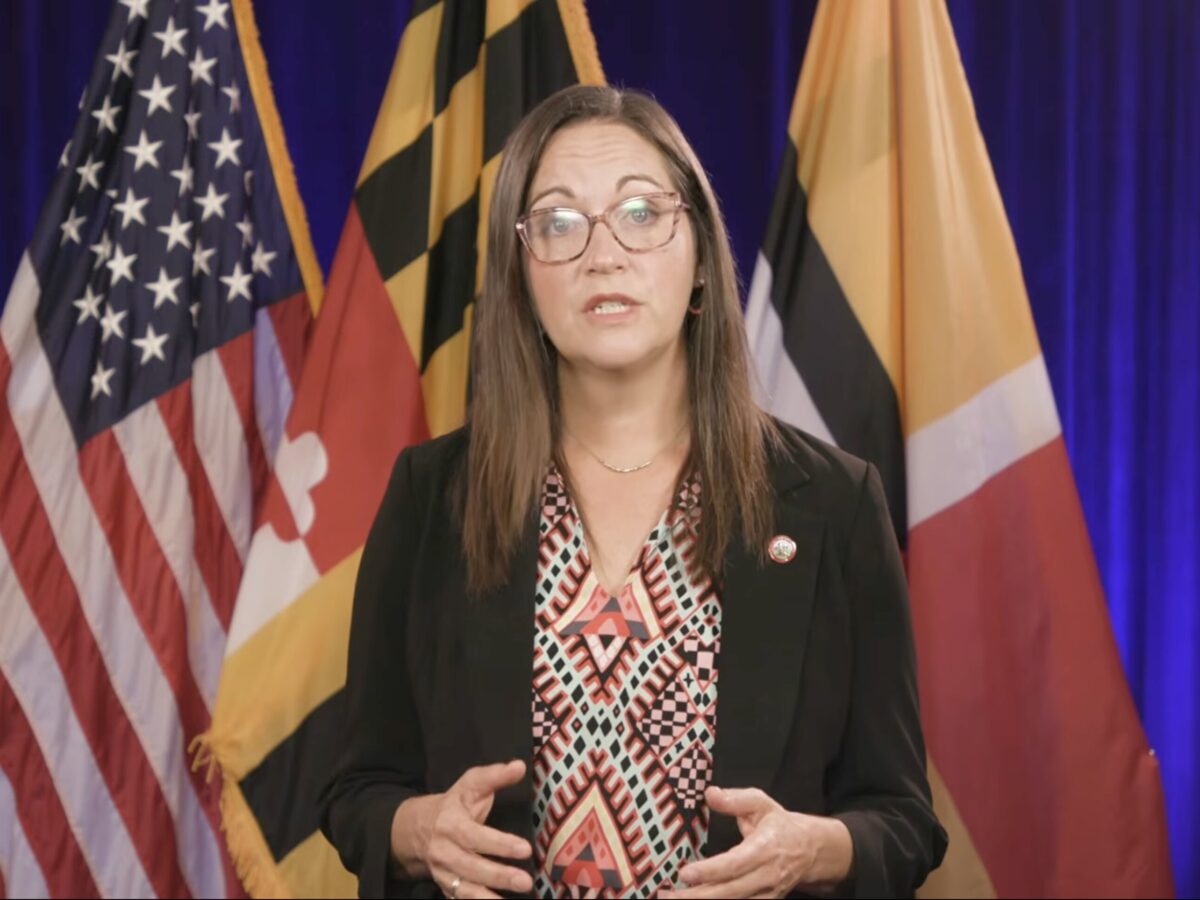
Lindsay, a county resident, expressed concern over how quickly data centers have been built in her neighborhood.
“I am tired of nothing being done,” Lindsay said at the meeting. “But most of all, I am tired from the lack of sleep, from the humming of the data centers all night long. The residents of Loudoun, the people you were elected to represent, are suffering. You have the power to do something about it.”
Loudoun County is sometimes pointed to as an example of data center development working, specifically with property tax funds used for financing schools and community services — including a $102 million recreation center, two new schools and a $22 million conversion of James Monroe’s estate into a park.
But local leaders and residents are growing concerned the county is getting too dependent on that cash, and skeptical of what the long term benefits are. Revenue from taxing data centers is projected to make up 42% of the county’s local tax funding this fiscal year.
The move to end the grandfathering for these in-development projects, and force them to solicit public feedback and be subject to a vote, is legally complex, said Board Vice Chair Mike Turner, who represents the district that’s home to Data Center Alley.
“I would love to stop data center growth right here, right now,” Turner said. “If I could do it legally, and if I could avoid billions of dollars in lawsuits … if we could avoid all of those downsides, I would absolutely favor getting rid of grandfathering.”
Industry boosters ask for ‘certainty, predictability and fairness’
Not everyone who testified was in favor of ending the exemption. Some labor union members spoke in favor of letting the grandfathered developments move forward, citing growth in apprenticeship programs in part thanks to the data center boom.
“I’m asking you all to keep that promise that you made to them and to us as we planned our growth and as we continue to build pathways to the middle class here in Loudoun County,” said David Pala, marketing director at the local International Brotherhood of Electrical Workers chapter.
Mixed messaging that would come with ending the exemption for grandfathered projects is a concern among the data center industry, including the group Data Center Coalition.
“The board’s adoption of the grandfathering framework provided certainty, predictability and fairness,” said coalition representative Nicole Riley. “Reversing course now would create significant regulatory uncertainty and send a troubling message.”
Briskman and fellow Supervisor Laura TeKrony had originally introduced a measure directing staff to draft legislative text for a vote to eliminate these grandfathered cases. That resolution was instead amended to first secure legal opinion from the county attorney and compile details on the exempted projects, such as square footage and development phase. The goal is to determine potential liabilities, exact legal requirements and other possible avenues to limit development.
Board Chair Phyllis Randall called for the county attorney’s legal opinion to be shared with the public at the Oct. 6 meeting, though the official memo will be confidential.
“I think it’s important that the public hears the legal advice we are receiving,” Randall told the board. “We are making decisions from that legal advice.”