When Catherine McMillan enrolled at Duke University, she never thought she’d end up building something of her own.
The path began with a startup-style problem solve. Studying history, McMillan went looking for a position as an undergraduate research assistant. But the only opportunities she could find were in STEM fields. She eventually helped expand the school’s listings platform to include humanities research — and on the way found her calling.
“What I realized I love doing more than anything else,” the Rosslyn resident told Technical.ly, “was solving problems and navigating ambiguity.”
“I really had no idea what I wanted to do after graduating, because my entire college experience changed with the pandemic.”
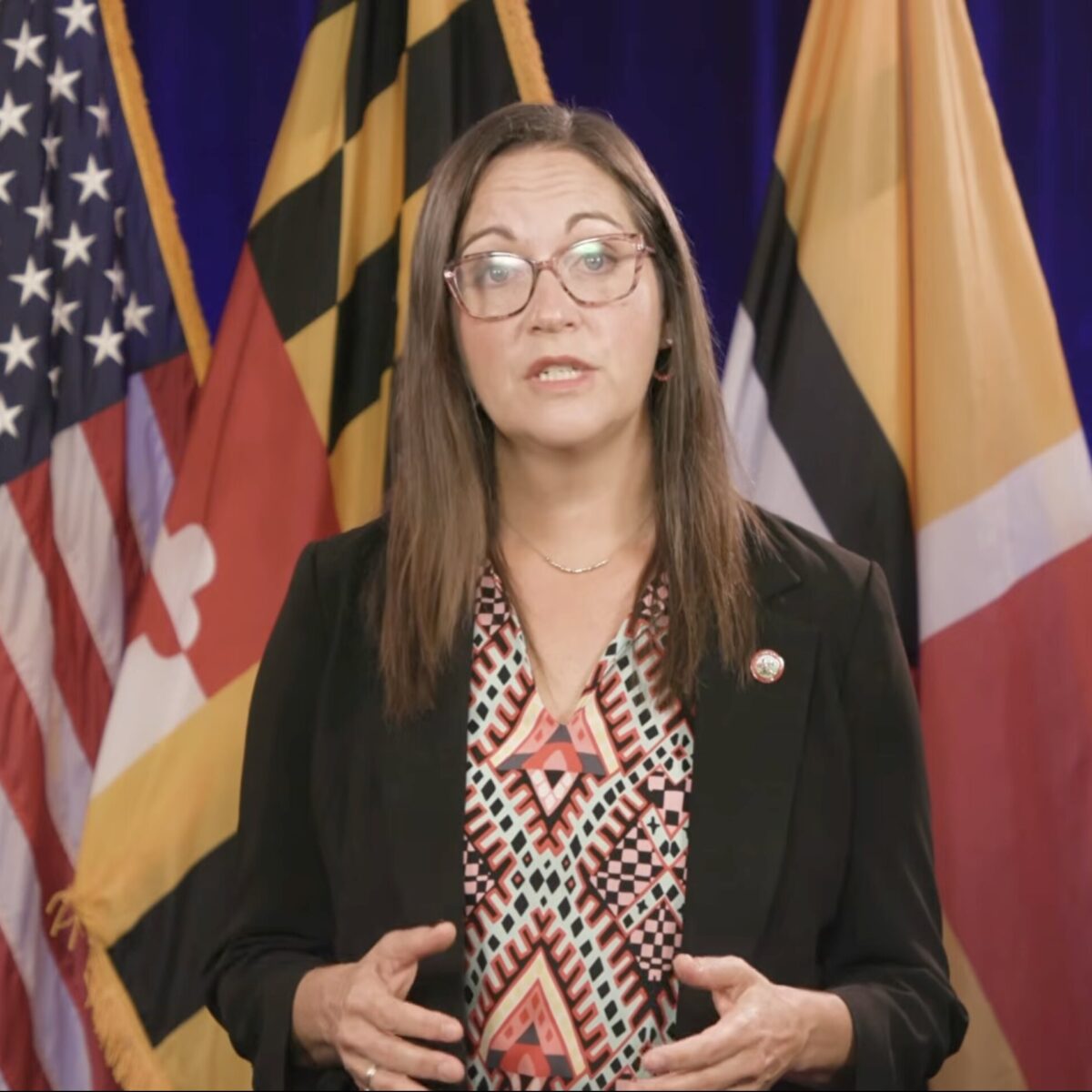
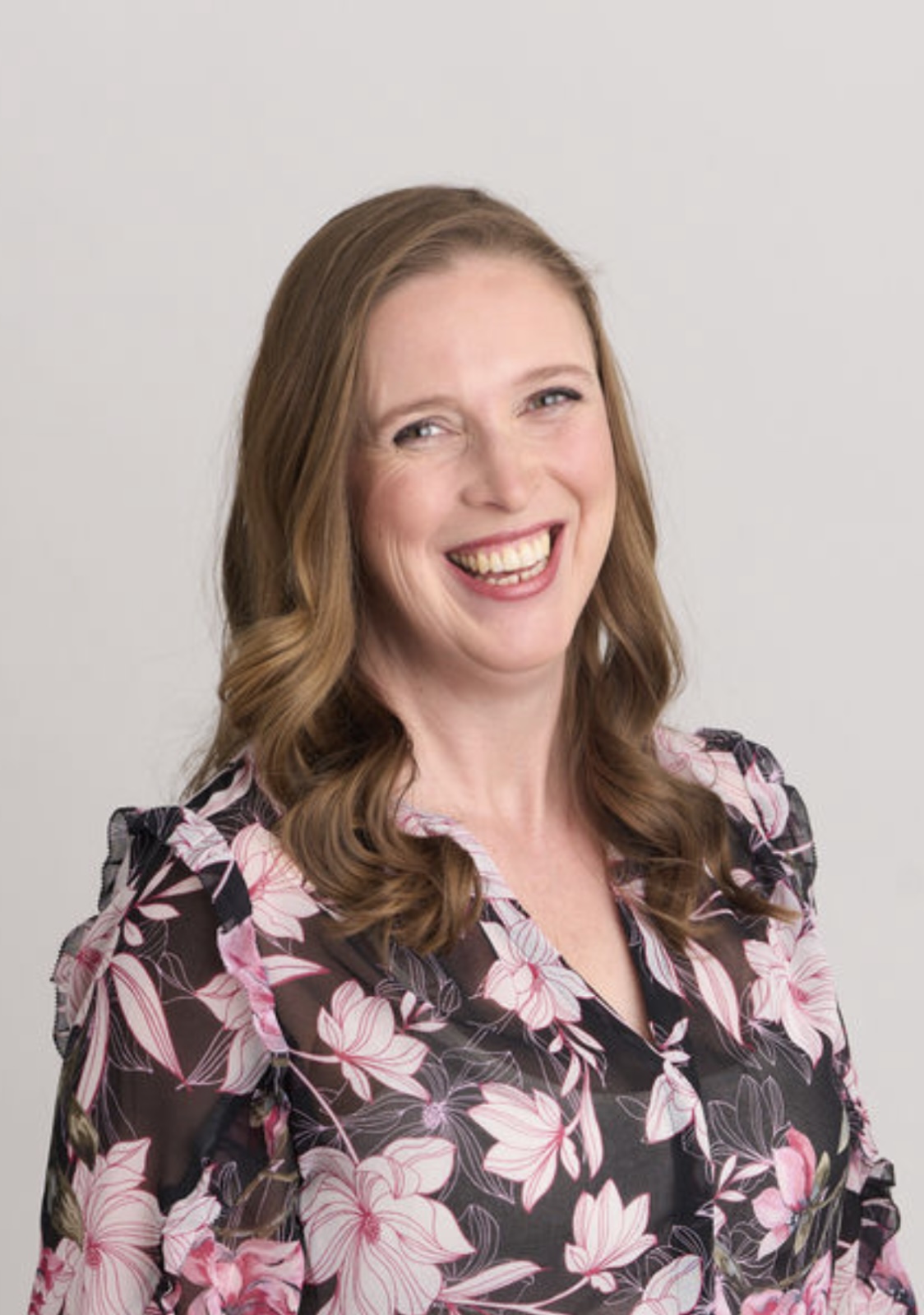
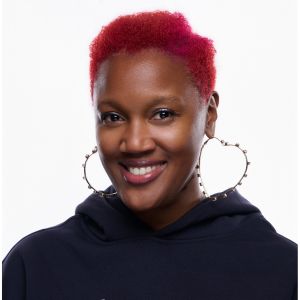
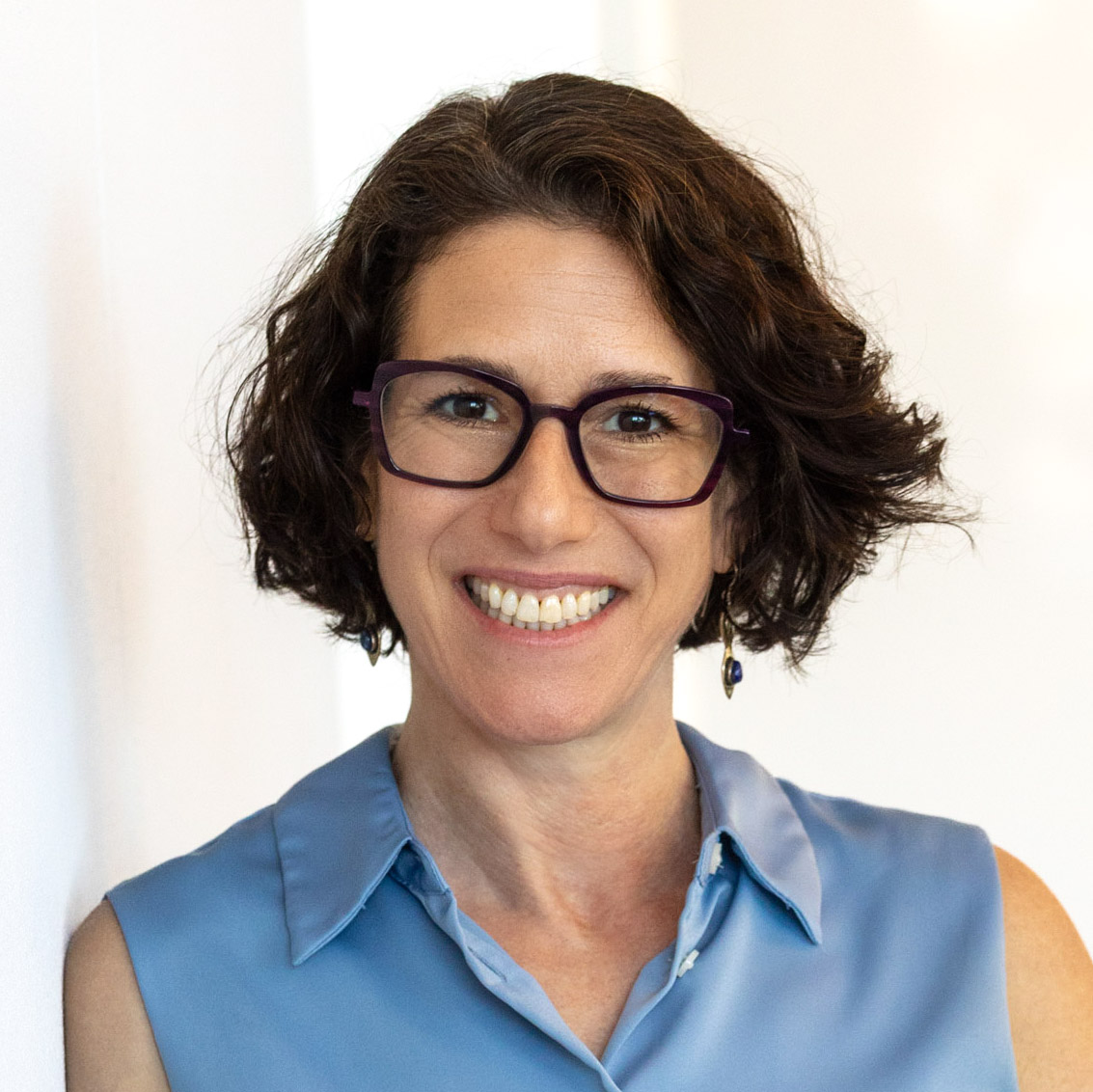
Catherine McMilla, The AI Collective
McMillan is continuing that type of work through the nonprofit The AI Collective, which works to make AI more accessible. It’s a global organization, and McMillan led the launch of the DC chapter. A few years later, she became its first full-time hire, and now focuses on operations and partnerships.
She originally came to DC in 2023 for a Booz Allen consulting gig, which would have bucked her college sensibility. She would often criticize that field through op-eds in the Duke Chronicle.
“It was a painful irony for me … to go down the management consultant path,” she said. “But I realized that it was exciting for me.”
For this edition of How I Got Here, Technical.ly caught up with McMillan about creating a nonprofit in her hometown of Charlotte, volunteering at a startup while living in Seoul and where she thinks the DC ecosystem can improve.
This Q&A has been edited for length and clarity.
How did you first get involved in technology?
It goes back to when I was in college. There was a research matching platform called MUSER, and at the time I was really interested in participating in undergraduate research at Duke. But I couldn’t find, as a humanities major, a way to clearly find opportunities or professors that were interested in providing opportunities for me as a history major.
I wanted to work on these really interesting projects outside of the classroom. I was always a side quest-er, but nobody got back to me, or they said that there wasn’t any opening.
MUSER eventually transitioned and opened up into all disciplines. When it did that, they looked for a new student director to help scale the platform. I really believed in the platform.
I did a lot of “go to market” for it, doing events in-person for students, as well as reaching out to faculty. That was the first type product I worked with. I eventually built out an ambassador program for more people to carry it on and extend it into more and more fields.
What I found, though, is that it wasn’t necessarily the research that ended up being the most interesting to me, but the ability to make an impact on people.
What happened post grad?
When I was a senior in college, I really had no idea what I wanted to do after graduating, because my entire college experience changed with the pandemic.
During the pandemic, when I was sent home, I started a nonprofit organization in my hometown — a crisis response organization to mobilize student and community support to needs within the city.
I gathered some of my high school friends, and we recruited other college students and high school students. It eventually got built out into a nonprofit organization. We sourced PPE for the city. We translated very complex CDC guidelines into very easy and legible explainers for small businesses.
I ended up choosing consulting after graduation. It’s something that I had previously heavily criticized people going into management consulting, because I thought, “Wow, you have such a high talent density of people that are studying all of these amazing topics, and they’re going out and being cogs in the corporate machine.”
I eventually worked at BCG BrightHouse. I joined as a writer to start off with. Concurrently, I also got accepted to the Fulbright scholarship. I moved to South Korea and worked as an English teacher.
In Korea I volunteered my time at a consumer tech startup in Seoul, just using my extra time outside of work to help with go-to-market. I wasn’t allowed to do any additional paid work while I was in Korea because of my visa. It was something that I felt was a really great experience. I was more than happy to do it.
How did you get involved with the AI Collective?
When I moved to DC, for a new job, I did a speed run to find my people. I was attending so many different events, I was networking, but I realized that none of the spaces felt like I truly belonged. Some of them were more policy-heavy, some of them were super technical.
I decided that I wanted to host my own. It started off with hosting very casual happy hours on Partiful and inviting everybody who I knew. Also inviting a lot of people that I didn’t know.
Then I started another community, DC Tech Parties, with folks. It started off in a very similar fashion, just trying to organize specifically builders, regardless of tech or other backgrounds. You could be working on a side project, you could be building a robot in your house.
Right around that time, I also joined the AI Collective as a volunteer. The founder gave the blessing for me to start the DC chapter.
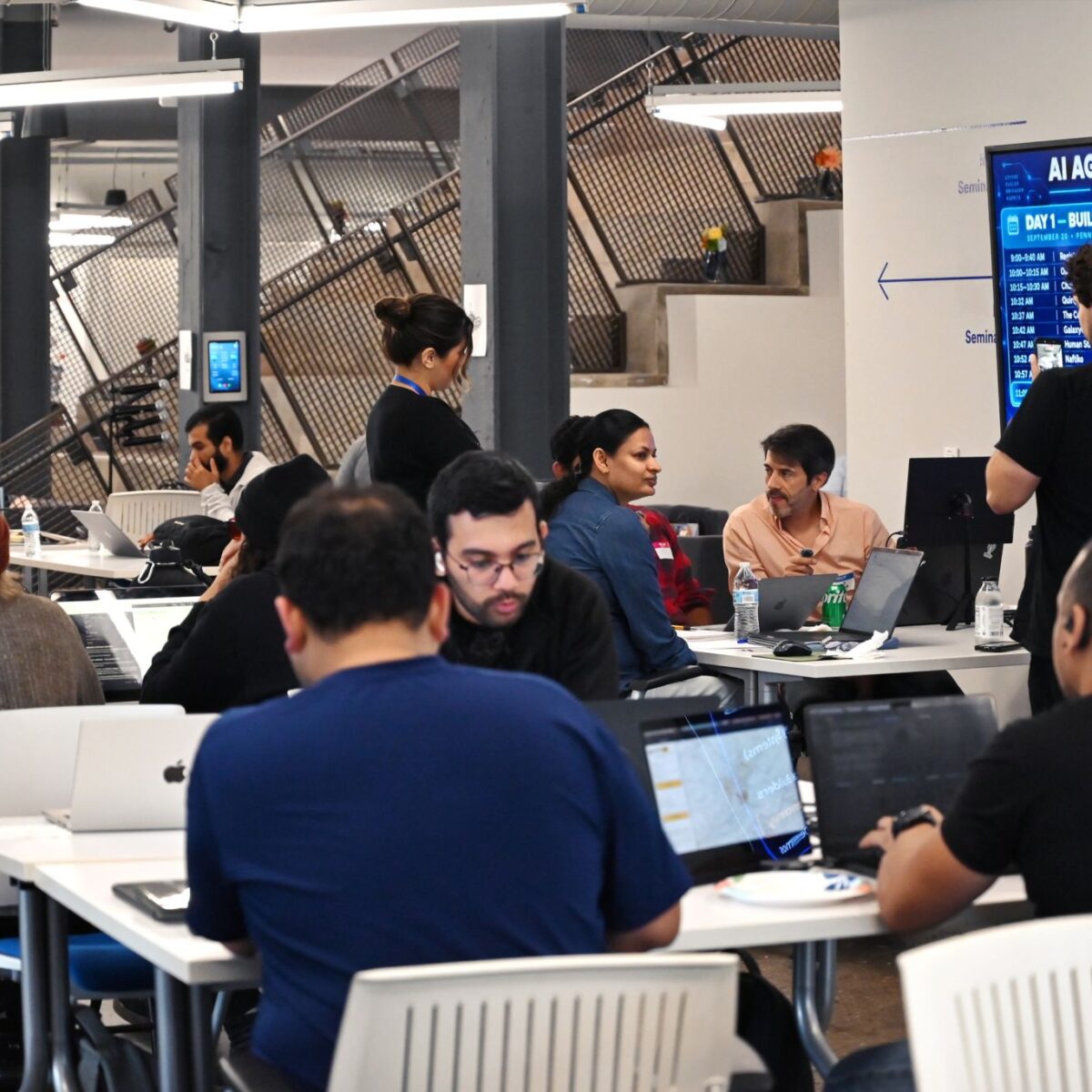
We had a record year in 2025 of probably over 30 events, completely volunteer run. That was mostly while I was still doing my own 9-5 in government contracting.
When I had the opportunity to join full time as their first hire, I jumped at it. From there the scope expanded far beyond DC. My role was to do everything in my power to make the organization as a whole grow super fast, but while staying alive.
What does an average day look like?
I’m traveling a lot. This past month I’ve been in SF, North Carolina, New York multiple times. I enjoy traveling and meeting the community in other areas.
There’s a lot of internal operations that happen, so organizing with the local and regional leadership to figure out what’s going well, what needs work, what support is needed around the ecosystem, and then seeing how we can solve these problems.
My job is very general, it could be anything from partnerships or sponsorships … it could be longer term vision and planning for special projects that we have.
Since moving here, what has stood out to you about the DC tech ecosystem?
I think DC is very hungry, and I love that. The people that do come out and show up to these events, they’re at all of them, like they’re very passionate about the local community. It doesn’t feel transactional.
Where do you think there’s room for improvement?
I think things are going pretty smoothly.
I feel that there’s more to unlock. I don’t think that we’re reaching everybody. More women would be nice to have a lot of these events.
The other thing I’d say is just figuring out where all the resources are. I was very lucky to early on meet incredible organizers and hosts that could provide venues and support with food and refreshments at the event. Those resources are really important to keep a community going.
What advice do you have?
For people who want to start something new, you should probably get to know the people who are already organizing. It speeds up your learning to witness and support existing communities.
If you build really strong relationships with organizers, they will help you grow your community, because you can always collaborate.