
Philadelphia does not lack talent. Across the city, engineers, students, researchers, founders, designers, healthcare professionals and public-sector leaders are already doing ambitious work. What Philadelphia sometimes lacks is a place where that energy can converge around a clear problem — and a deadline.
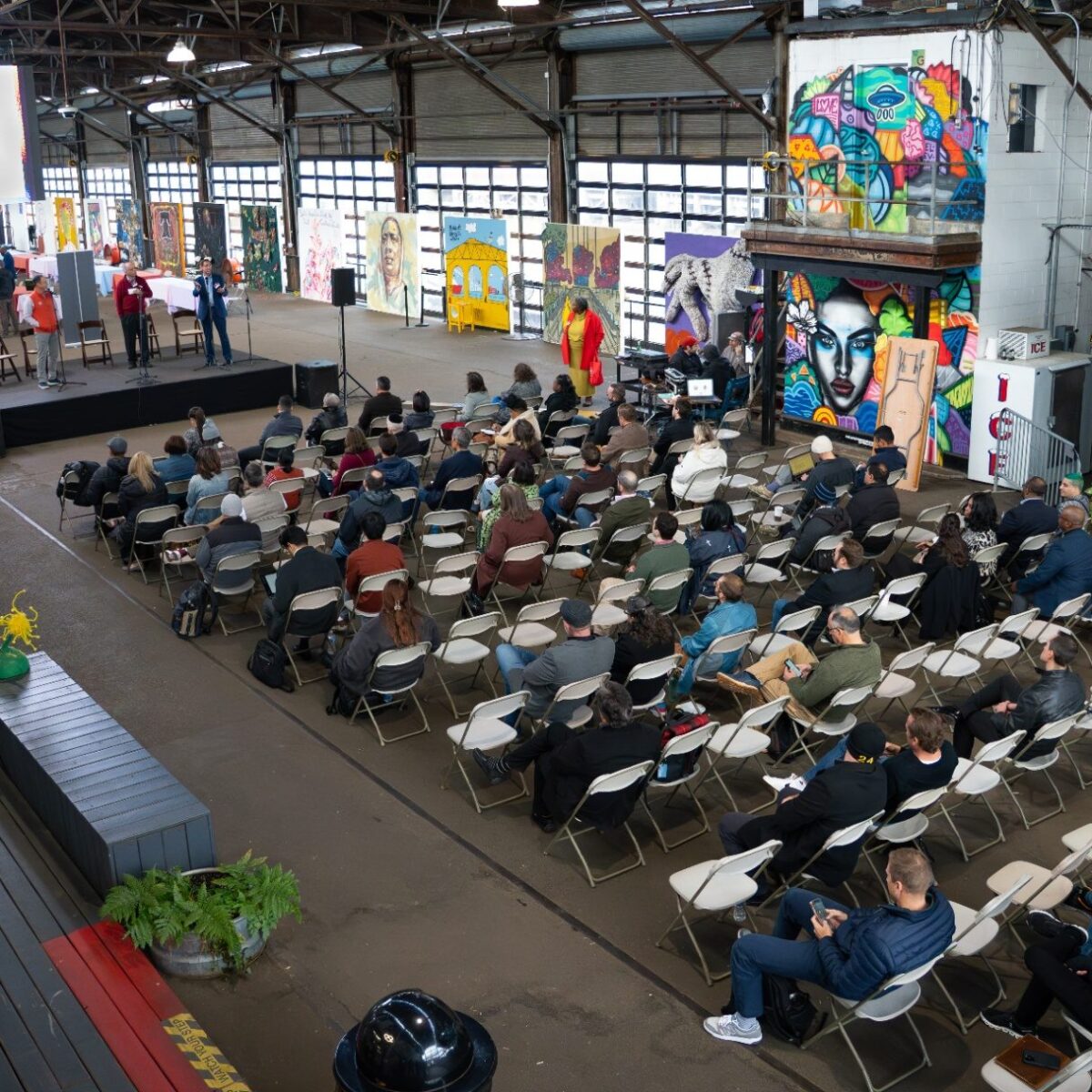
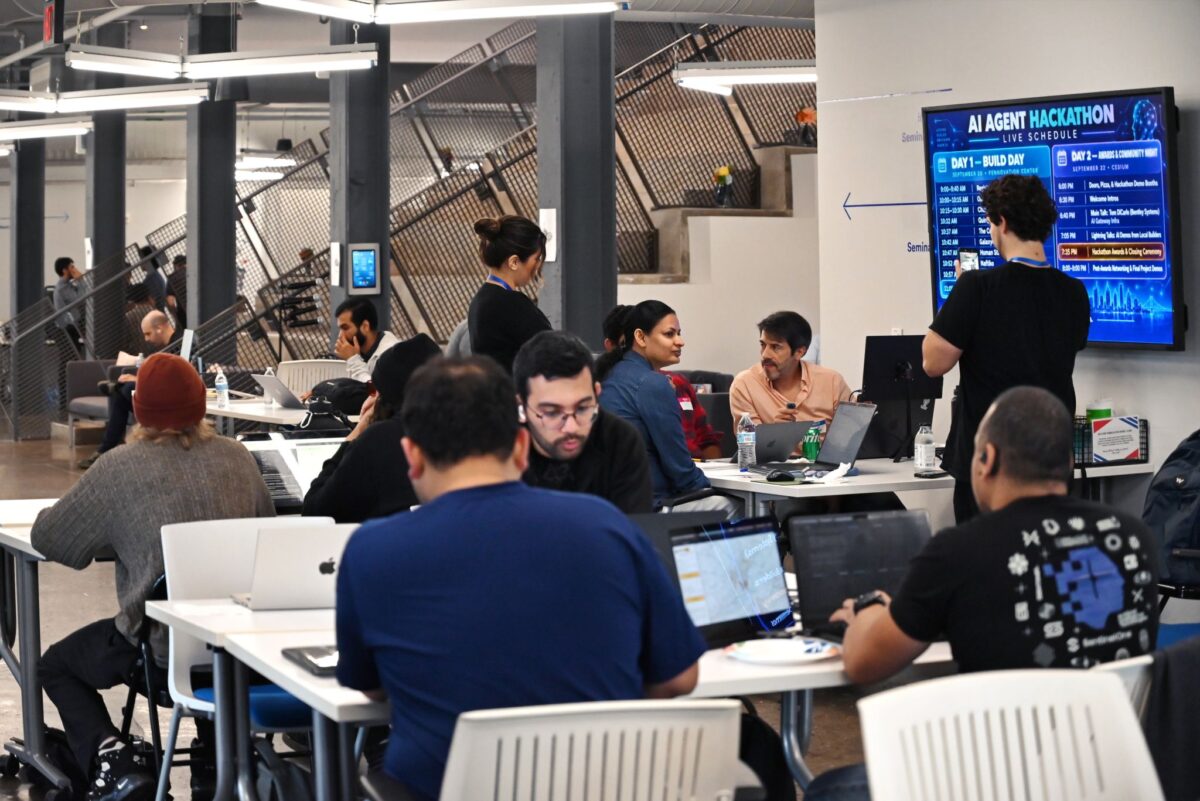
In late September, 19 teams came together at Pennovation Works and built AI agents at the Philadelphia AI Agent Hackathon. The community behind the gathering, previously known as Coffee & Code, now goes by C.O.D.E, short for Community of Developers and Engineers.
Hackathons also make talent visible in ways that resumes and job titles often do not.
The event was designed to showcase what makes hackathons valuable — and we believe it was successful. At their best, hackathons are not marathon coding sessions or showcases for half-finished apps. They are actually temporary pieces of civic and economic infrastructure: focused environments where people who might never otherwise meet can form teams, test ideas and produce something concrete.
That’s what happened in Philly last month. The winning projects were working prototypes titled Catalog Risk Auditor, Custody, A&R Radar and Vault Librarian.
Vault Librarian, for example, is designed to carry a user’s context across AI tools. The idea came from its builders’ own experience, team member Mubashir Moosa Panjwani wrote in a LinkedIn post.
“Vault started because we kept re-explaining our projects to every new chat window in our daily tasks,” Panjwani wrote. His advice to other builders: identify a real problem, write a PRD (product requirements document) before coding and seek feedback from judges.
Building an idea into a working prototype, while making talent visible
A hackathon combines four key ingredients:
- A defined objective
- A short sprint
- Capable people
- A reason to finish
The compressed timeline matters. Give a team several months and it may spend much of that time discussing possibilities. Give it a single day, and the team must decide what matters, divide responsibilities and build enough to test its central assumption.
The goal is not to create a finished company or production-ready product overnight. It is to create evidence.
A working prototype can show whether an idea is technically possible, whether a problem is understood and whether a group of strangers can collaborate effectively. That proof of concept gives founders, employers, universities and civic institutions something more useful than another panel discussion: a result they can evaluate.
Hackathons also make talent visible in ways that resumes and job titles often do not. Traditional systems tend to sort people by credentials, institutions and years of experience. A build sprint asks a simpler question: What can you contribute to the problem in front of you?
That shift can flatten barriers. A student may bring a technical approach an experienced professional has never considered. A designer may identify the reason a technically impressive product would fail its users. A domain expert who does not write code may prevent a team from solving the wrong problem. Participants teach one another through practical, one-on-one collaboration, and people discover abilities they did not know they had.
For companies, hackathons can serve as testing grounds for tools and platforms. For participants, they create mentorship, portfolio work and relationships built through shared effort rather than transactional networking. For the region, they create repeated opportunities for talent, technology and real-world needs to meet.
That convergence is especially important in Philadelphia. The city has world-class universities, major healthcare and life sciences institutions, growing technology communities and deep public-sector needs. Yet much of that activity remains separated by industry, neighborhood or institution. The raw material for a stronger innovation economy already exists; the challenge is giving it direction and creating more points of collaboration.
What happens after the demos is key
The problems chosen for a hackathon matter. Toy exercises can be fun, but real challenges create more lasting value.
A hospital workflow, a public-service bottleneck, a security risk or a small business’s operational constraint gives builders a reason to understand another sector. Even when a prototype doesn’t continue after the event, participants leave with greater knowledge of the problem, the technology — and one another.
The measure of a successful hackathon should extend beyond prizes or the number of demos:
- Did new collaborators meet?
- Did participants gain agency and practical experience?
- Did an organization learn something it can use?
- Did a prototype make a previously abstract possibility visible?
- Did the event create momentum for another experiment?
After the hackathon and the awards ceremony at Cesium’s headquarters, C.O.D.E asked Builders Night attendees whether they had met new collaborators, discovered tools to try or come away with project ideas. (Were you there? Offer feedback.)
To make useful building a recurring part of Philadelphia’s culture. C.O.D.E’s upcoming events include Emerging Research in Cislunar Space, an Oct. 16 workshop at the Pennovation Center introducing lunar research and ways for programmers, engineers and students to get involved. The session will be led by Scott Blender, an aerospace engineering doctoral student at Rensselaer Polytechnic Institute.
No hackathon can transform a regional economy by itself. A sustained series of them, however — connected to real institutions, real problems and pathways for promising work to continue — can create a productive feedback loop. People build, learn, become visible and return with stronger skills and larger ambitions.
Philadelphia already has the people and ideas. Hackathons give them a place to meet, a problem worth solving and a clock that starts… now.