FarmMind is betting that artificial intelligence can ease one of agriculture’s biggest challenges: finding, understanding and acting on the enormous amount of information behind each growing season.
When founder Colin Raby enrolled in a Louisiana State University course on AI and large language models in 2023, the technology was still largely a question mark. Everyone was talking about what AI might change, but fewer knew what to actually build with it.
“It’s amazing how fast you can move when you just connect with the right people.”
Colin Raby, FarmMind
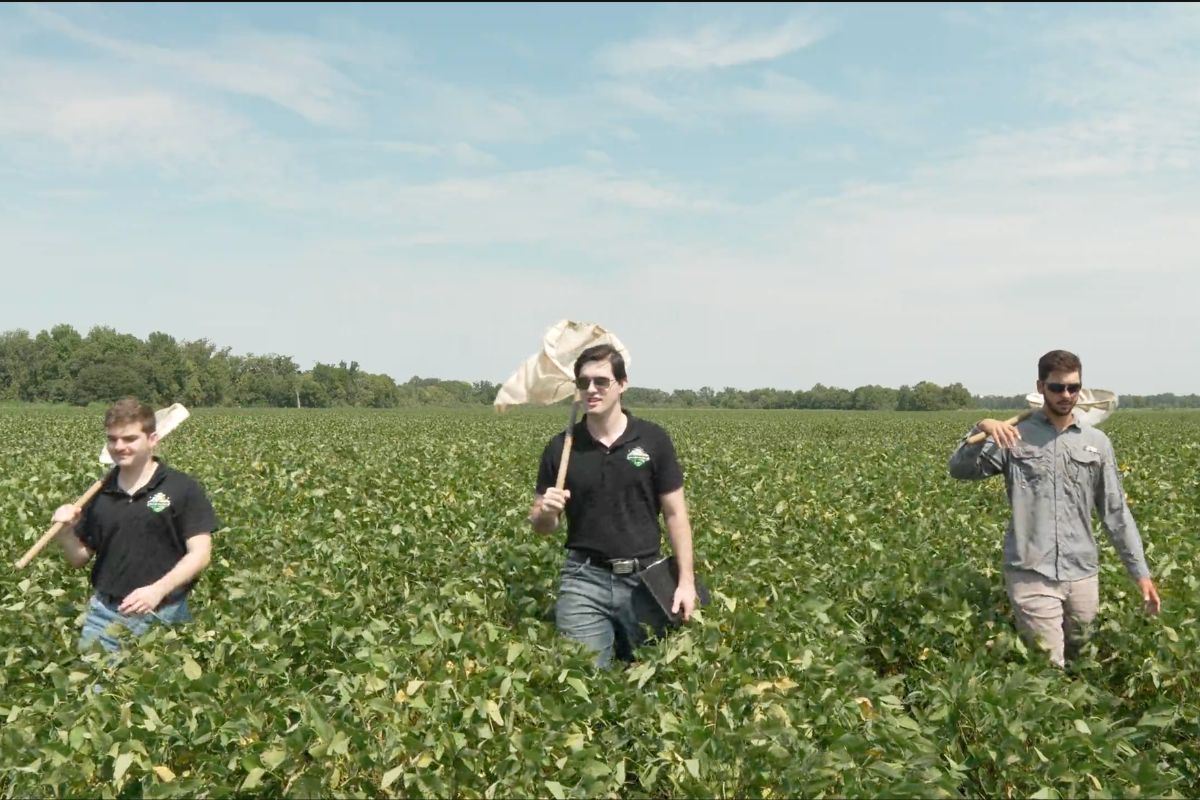
With FarmMind — an LSU spinout based in Baton Rouge, Louisiana, a state where agriculture has a $13 billion economic impact — he’s building an AI-powered platform that brings agricultural research, regulations, field information, documents and other data into one place.
Founded in 2024, its tech is now used across more than 1 million acres, according to the company. It had objectively good timing, launched just as generative AI was taking off.
That timing, however, seems to be less about coincidence and more about Raby’s connections and “just start doing” philosophy. At LSU, he helped create a new AI economic impact course, which connected several of the universities’ schools as they worked on class projects and landed funding to gain momentum.
The path to building that system also took Raby well beyond his engineering background. His experience in student government and as one of Congress’ first AI specialists shaped how he thinks about technology, communication and the incentives that determine whether people actually use the systems they’re given.
“The more you can communicate exactly what your goal is, why that’s valuable and then communicate what the incentive is — why this is good for you, why this is good for humanity, why it’s good for the other person,” Raby told Technical.ly, “the more you can rally people into the cause.”
In this edition of How I Got Here, Raby talks about the people and circumstances that helped turn FarmMind from an idea into a growing company and why he sees the company as a case study in building momentum without traditional venture capital.
This Q&A has been edited for length and clarity.
What do you consider to be the beginning of your tech journey?
I was always interested in building things, and in high school that was mostly science and engineering. At university, I graduated in engineering, but also ended up getting involved in building non-physical things, whether that be student government stuff, building systems or eventually building companies.
FarmMind definitely started in a class at LSU in the fall of 2023. It was one of the first classes teaching students how to develop economically beneficial systems with large language models. At the time, large language models were very nascent. All the tech people are talking about how this is going to change the world, but like, how do we actually put it to work?
We were actually able to recruit someone from Oak Ridge Labs, Professor James Ghawaly, and a local entrepreneur, Henry Hayes, who collaborated with our provost at the time, Roy Haggerty, to put together this first class.
It’s amazing how fast you can move when you just connect with the right people. We were able to get a syllabus, get the class approved, everything like that in about three months.
I think a lot of people dramatically underestimate the amount of progress you can make if you simply have a bias toward action.
Tell me more about starting this class. How did you go about it? What can other people learn from that?
We put out a notice to a lot of local businesses and professors at LSU saying, “Come with your ideas of things you would like large language models to do for you.” Come pitch it, and then the students can choose to do that as a project.
One of the folks who showed up was Professor Daniel Stephenson of our Ag Center. It was clear there was a huge difference between the information that was out there and the information that people were actually acting on in their agricultural practice.
That semester, we worked on this idea of what if we could take all of this LLM technology and make a system specifically for agriculture that thinks like an agricultural professional would think.
We had to stall out a little bit after the class just because we didn’t have the resources needed to do it. But fortunately, the first kind of thing that we won was the LSU Venture Challenge in 2024. That gave us enough money to get a whole AWS server and keep running some experiments.
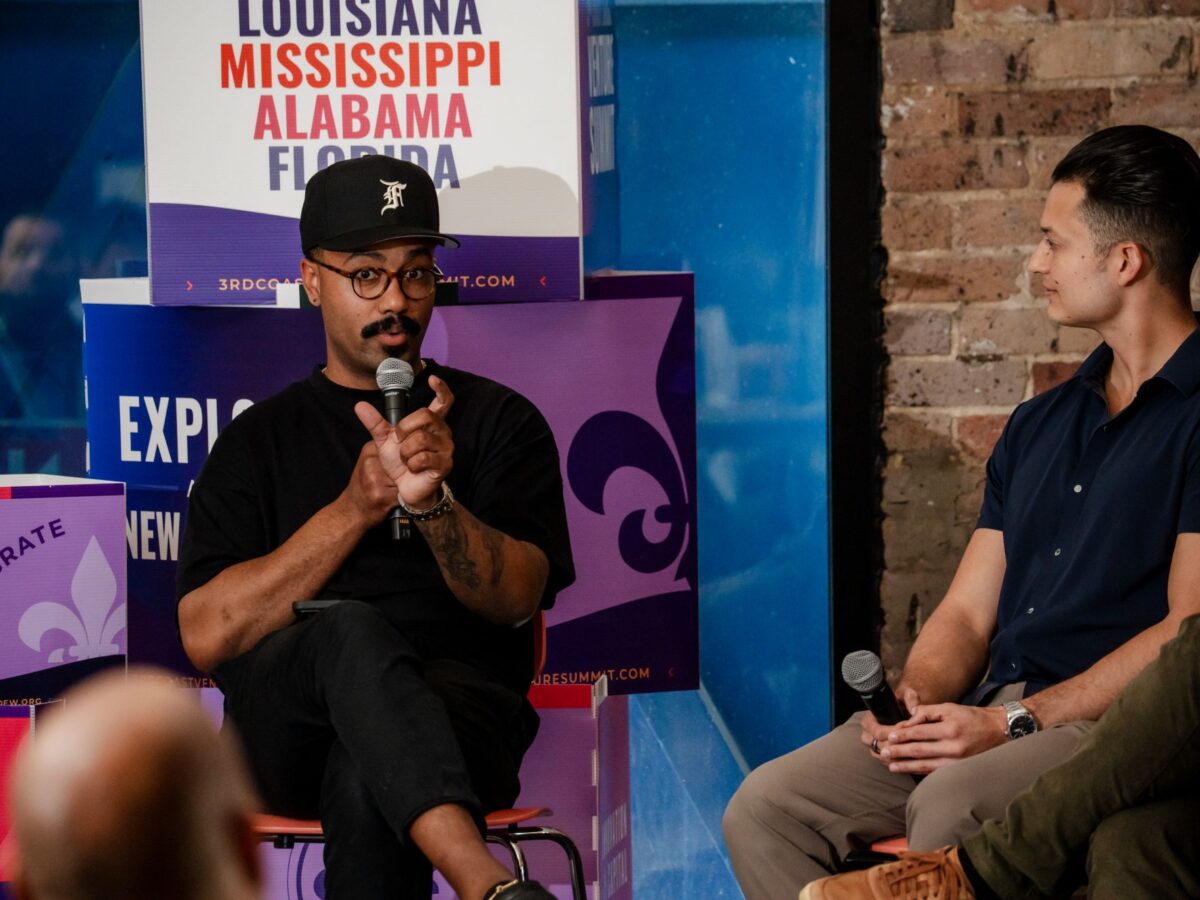

You mentioned the business stalled after a lack of resources. What else helped restart momentum?
Louisiana is unfortunately not known for its venture capital networks, and we found that out the hard way. There are a lot of people who will take meetings. Yet when push comes to shove, that’s less true.
We ended up going to all these different pitch competitions. We probably only got money from maybe half to a third of the pitch competitions that we went to, but one of the lessons you can learn from a lot of the great stories and people of history is that you are not judged by the quantity of your failures, only by the quality of your success.
Nobody ever asks us about the SEC pitch competition that we didn’t even place in. All the focus is on the Louisiana Pelican Cup, the American Farm Bureau Ag Innovation Challenge, and the LSU Venture Challenge wins.
They gave us the capital to pay ourselves a meager salary and cover all the expenses, and we were able to get out enough of a prototype to get people using it.
Five of our initial users became angel investors. They’re literally users of the thing that decided it was so good they wanted to become investors in it. Whatever you’re selling, get it in the hands of 20 people, and then see if one of them is willing to be an investor.
What hurdles did you face, and what’s your advice for others?
The biggest hurdle that a lot of builders have in building a business is going from zero to one. There are a million ideas, but very few people can execute on those ideas. Once we were able to go from zero to one, one of our first 10 users actually ended up becoming an angel investor in the company.
There are a lot of people who get trapped in planning. It’s like, just start doing.
There are way more people who have probably failed with a great plan than people who have just violently executed without a plan and ended up getting really far.