Six companies developing new approaches to Alzheimer’s disease, ALS and other brain and nerve conditions will compete in New Orleans this month for a share of $100,000.
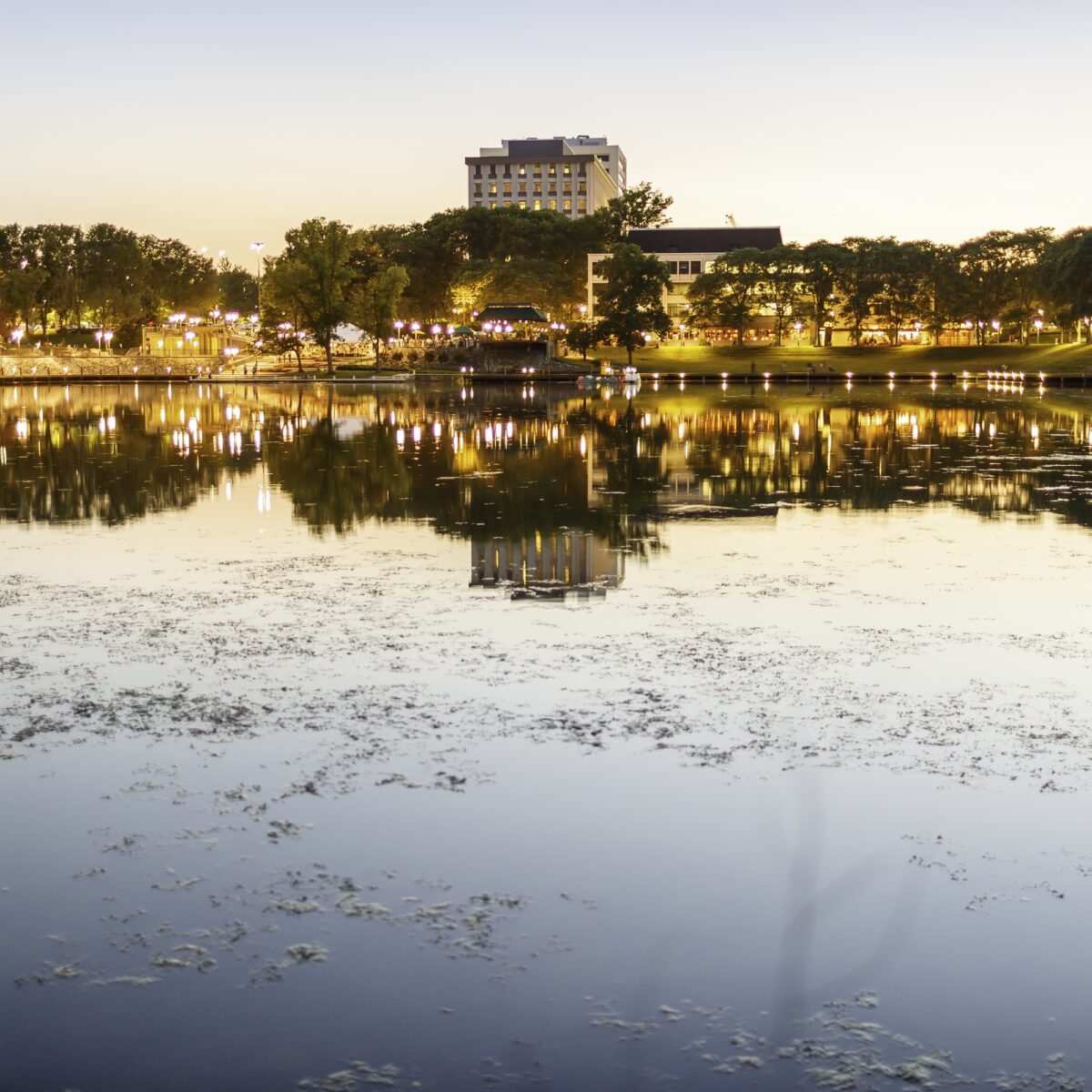
Selected via a rigorous vetting process out of hundreds of applicants, the 2026 BioChallenge finalists will pitch Oct. 29 at NOBIC, the New Orleans BioInnovation Center, at an annual event bringing together entrepreneurs, investors, researchers and healthcare partners.
The competition also gives companies from across the US and abroad a way to connect with Louisiana’s healthcare and research community.
“They want to work with our clinical partners and get their technologies to the patients here who need them,” said Kris Khalil, NOBIC’s executive director.
Last year’s winner, Baltimore-based JuneBrain, offers an example. In September, founder and CEO Samantha Scott told Technical.ly the company was planning a clinic pilot in New Orleans. Its AI software analyzes retinal images to flag signs of eye and neurological diseases, with the pilot intended to provide feedback for its FDA clearance application.
BioChallenge finalists’ work spans experimental drugs, diagnostic tests and noninvasive treatments. Several are already evaluating products in clinical trials.
Registration is open for the watch party to see the pitches live. Read on for a preview of the competitors and the problems they’re working to address.
BioChallenge 2026 finalists
Cenna Biosciences is developing Nubytide, an experimental Alzheimer’s drug designed to reduce production of beta-amyloid, a protein associated with the disease. The company has FDA authorization to proceed with its first human clinical trial. Think of it as trying to turn down the tap on Alzheimer’s-linked proteins.
Cleaved Diagnostics is developing rapid diagnostic tests using CRISPR technology. Its first product targets cytomegalovirus, an infection that can affect brain development and hearing in newborns. The goal is faster answers about infections that can harm newborns.
Moleculera Biosciences offers a blood-testing panel designed to help clinicians assess whether an immune response may contribute to psychiatric, behavioral, cognitive or movement symptoms. It is also researching other conditions involving inflammation. The idea is to look for immune system clues behind brain symptoms.
Nervosave Therapeutics is developing treatments for nerve disorders, starting with Charcot-Marie-Tooth disease, an inherited condition affecting nerves outside the brain and spinal cord. A France-based company, it’s expanding into the US with its treatments for damaged nerve wiring.
Parley Neurotech is developing a noninvasive treatment for people who struggle to understand speech in noisy environments. The University of Colorado spinoff is evaluating its approach in a clinical trial, aiming to make conversations easier for everyone to follow.
PathMaker Neurosystems is developing MyoRegulator, a noninvasive device that uses surface electrodes to stimulate the spinal cord and peripheral nerves. It received FDA Breakthrough Device designation in December 2025 and is in its second clinical trial using electric signals to treat ALS.