

When robots make mistakes, responding with a simple “oops” can make people see them in a more favorable light, according to new research.
Studies presented at IROS 2026 suggest that a range of verbal reactions to failure can make robots seem more competent, socially warm and relatable — a potentially important advantage as roboticists try to move their machines out of the lab and into everyday environments.
Across multiple experiments, people perceived robots more positively when the robots verbally acknowledged their failures, according to Naomi Fitter, an associate professor at Oregon State University, who researches physical human-robot interaction.
Even an expletive or a cartoonish vocalization, like how R2-D2 and WALL-E speak, were better than no response at all.
“We saw significant gains in things like competence, social warmth and relatability of the system from using any of these exclamations in response to failure,” Fitter said.
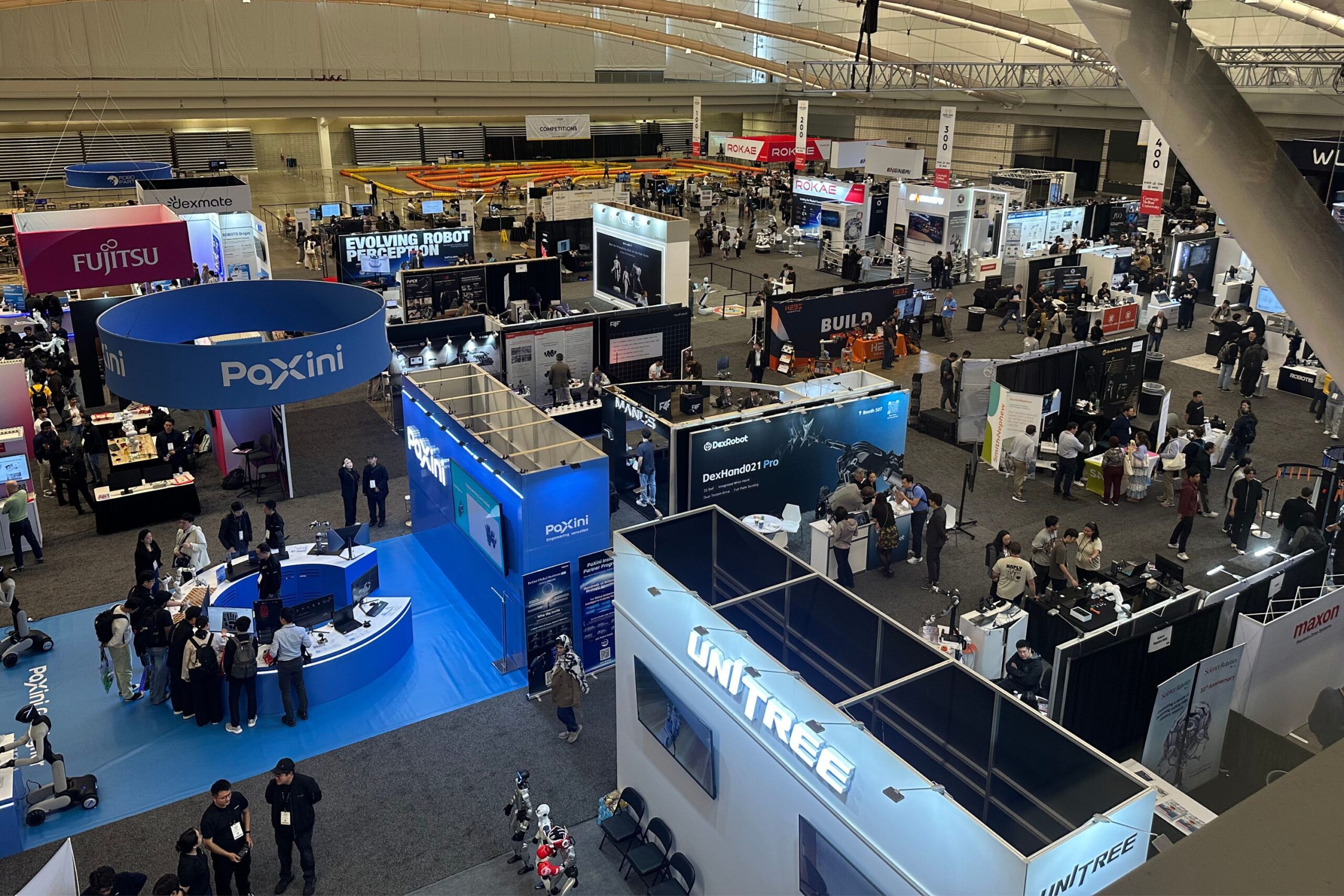
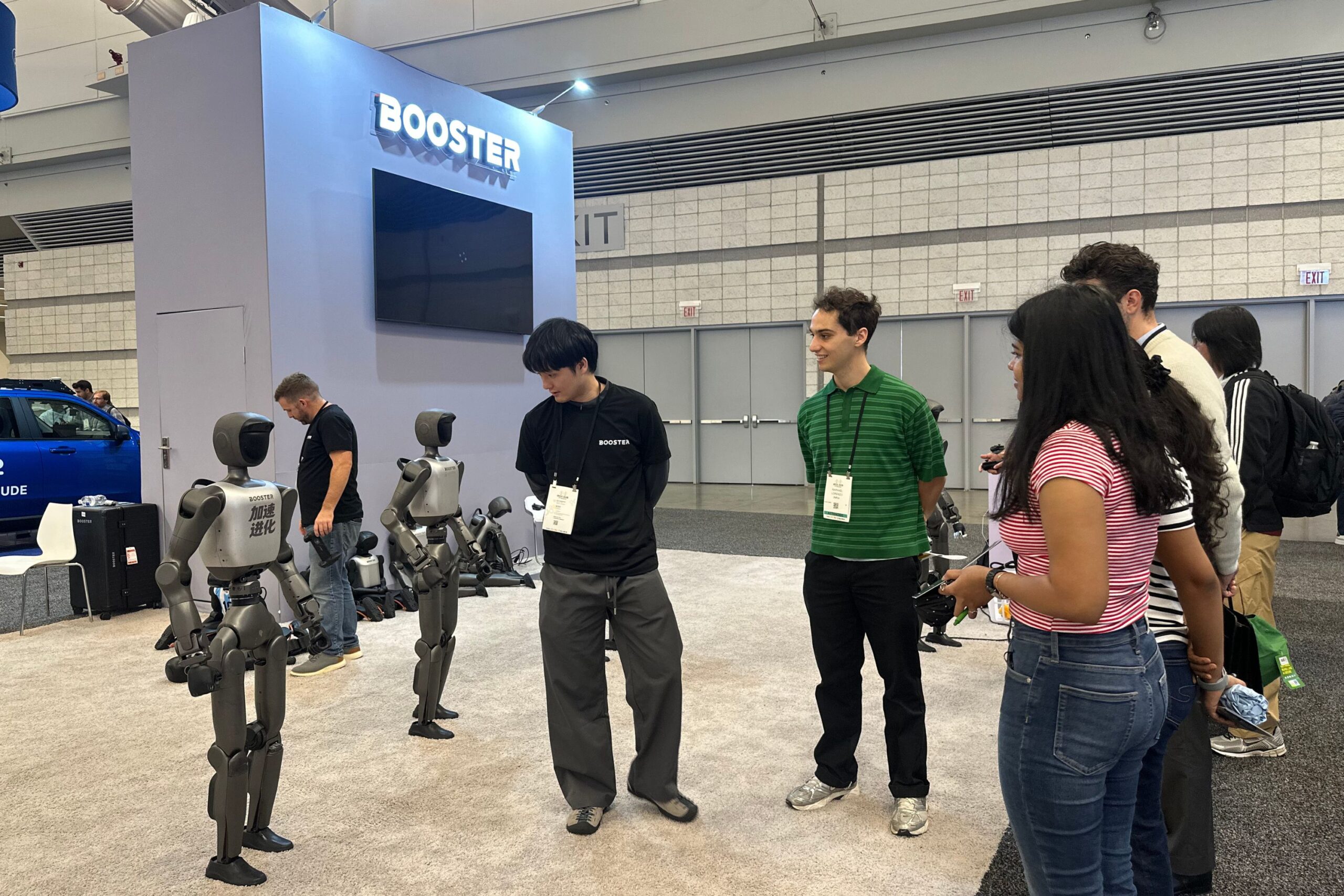
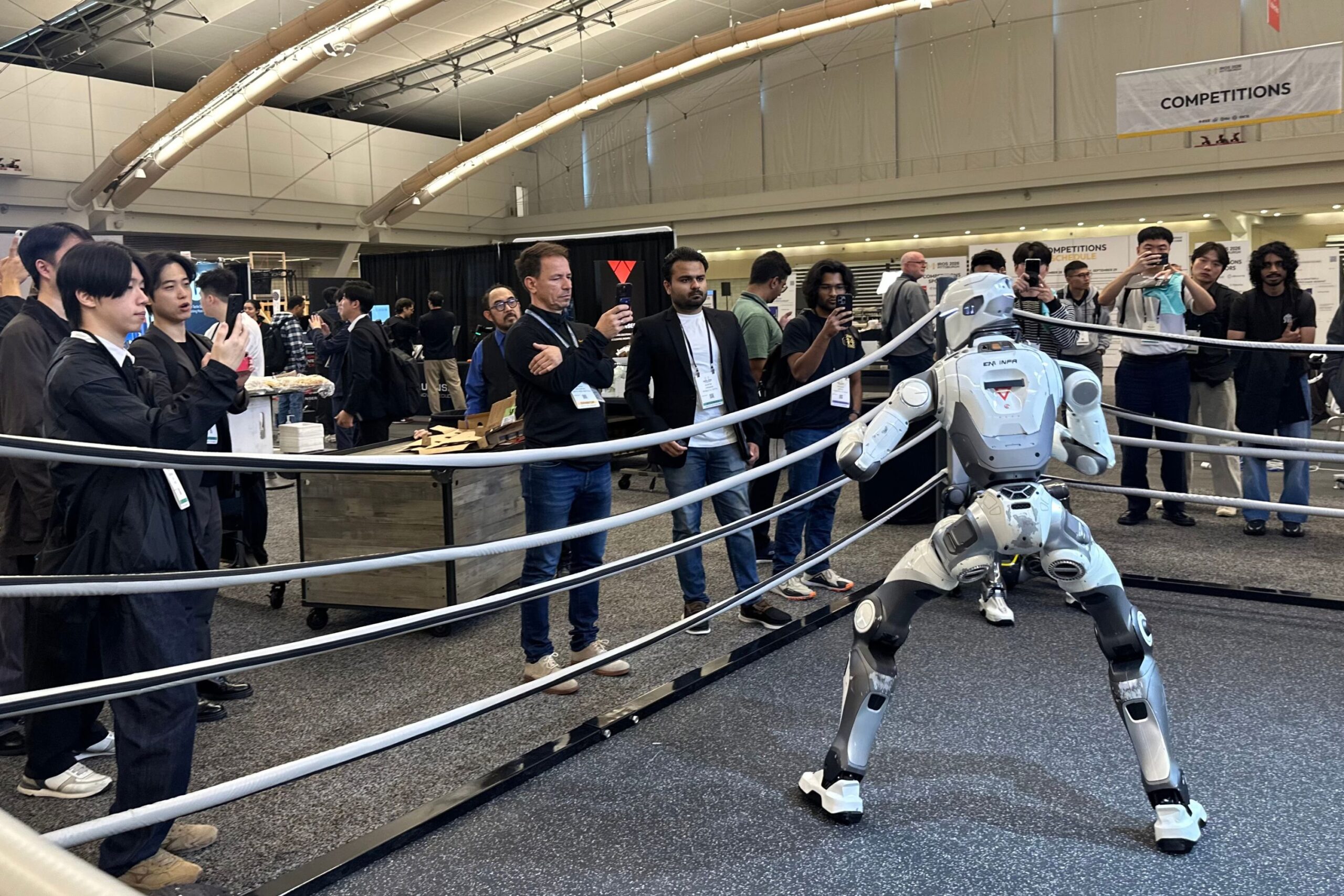
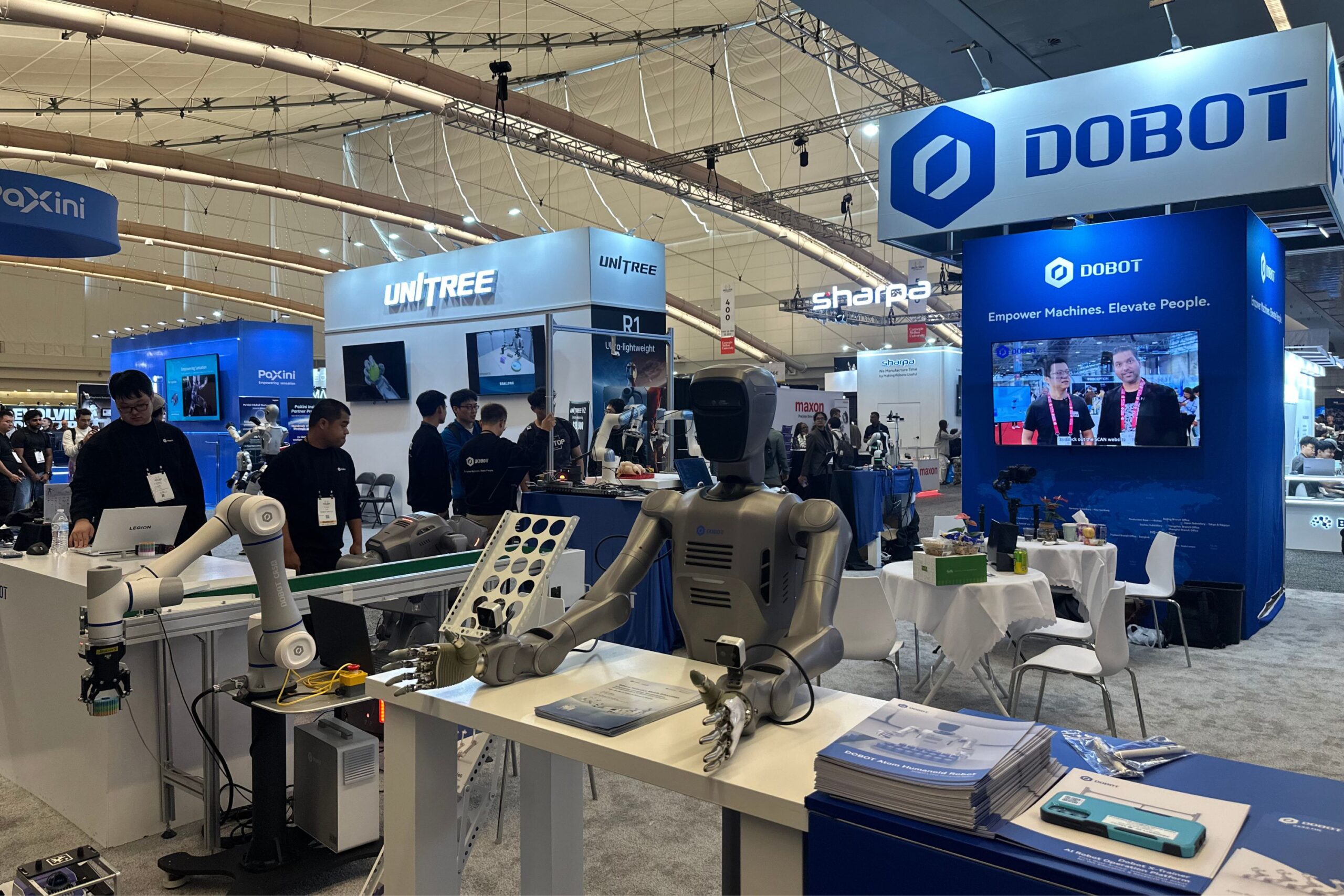
Thousands of people from around the world gathered at the David L. Lawrence Convention Center in downtown Pittsburgh late last month for a multi-day showcase of the latest robotics innovations. On the exhibit floor, dozens of booths demonstrated robotic hands, while humanoids mixed drinks as bartenders and showed off their ability to jump, kick or punch in a boxing ring.
The showroom, however, is a much more controlled environment than the real world. Once deployed, imperfections are to be expected. How robots handle failure can make a significant difference in adoption rates, according to Fitter.
“Even if you’re deploying robotic systems in the wild to collect more data, you’re going to run into challenges if a robotic system is not socially intelligent enough,” Fitter said during her talk at the conference. “In the field of human-robot interaction, there are lots of cases of robots being put in the closet, robots being sabotaged or robots being unplugged.”
Venturing outside the lab
Human hostility to robots is just one challenge roboticists and companies face when deploying their tech in the real world.

Small or limited datasets and unreliable internet access are some early issues roboticists are facing, Fitter said.
Transitioning robotics from the lab to the market requires a fundamental shift in how researchers approach problems, according to Vijay Kumar, dean of Penn Engineering and professor at the University of Pennsylvania.
“Usually, academics, including myself, approach problems backwards,” Kumar said.
Startups frequently stall when founders chase technical novelty instead of market demand — especially since a technology’s best real-world applications often lie far outside the industry or discipline in which it was created, according to Kumar.
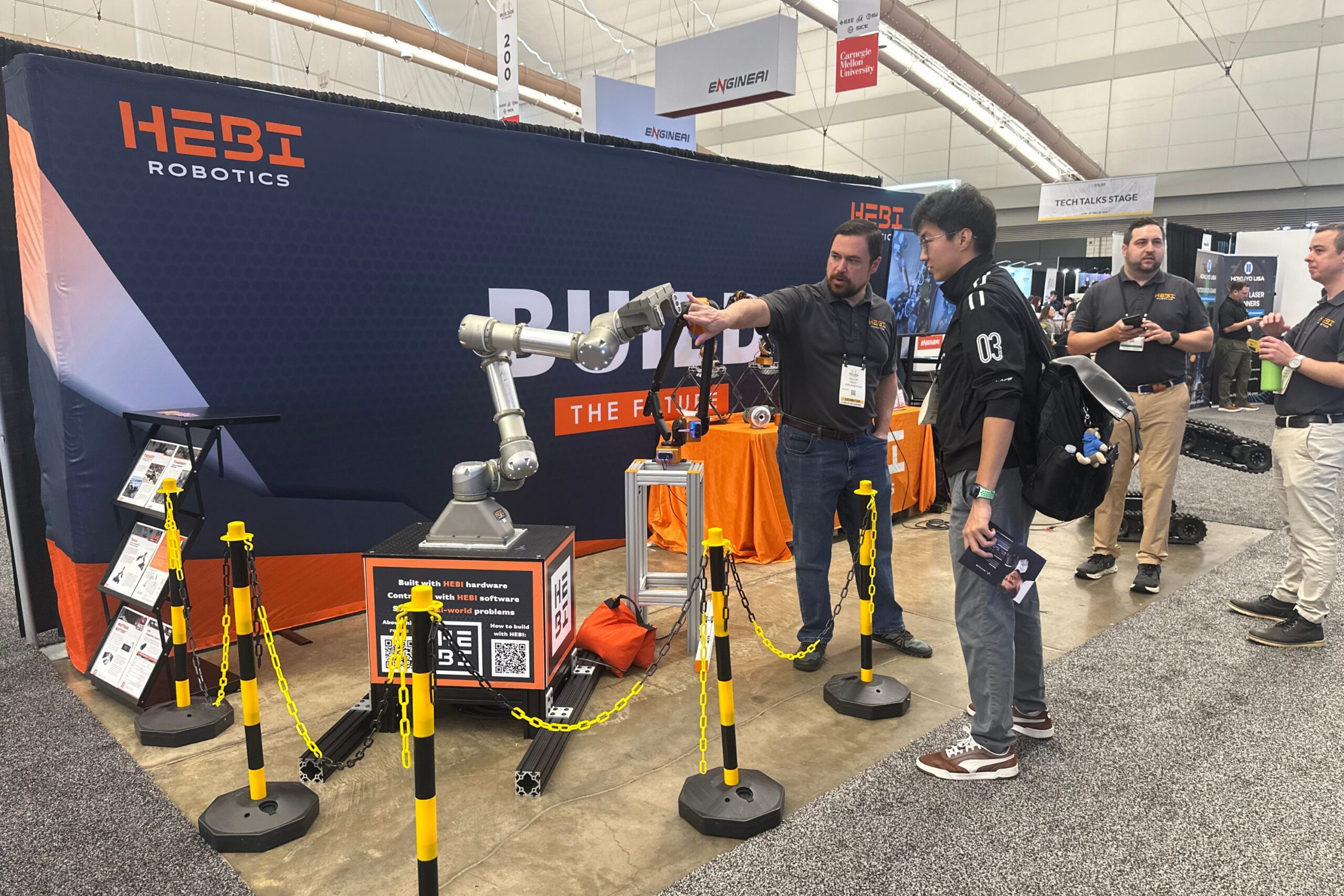
Finding a true product-market fit requires stepping out of the lab to engage directly with users. That means spending time understanding “what they’re willing to pay for and what they’re willing not to wait for,” Kumar said. “I think the second part is very important, and to me, that’s the biggest distinction.”
Beyond customer demand, the underlying business math must also make sense for a robot to succeed outside the lab, according to Sanjiv Singh, cofounder and CEO of the Pittsburgh-based company Near Earth Autonomy.
“It has to be affordable, it has to be reliable, it has to be easy to use, and then it should make money for somebody,” Singh said. Without those factors, “you go from the lab to sort of a lab on steroids with more money and still no application,” he added.
Making the business math work
To get robots to customers, two types of business models have gained traction, according to Lisa Chai, general partner at early-stage investment firm Interwoven Ventures.
The CapEx method has the customer buy the equipment, while robotics-as-a-service (RaaS) entails customers leasing or subscribing to it, Chai said.
The market has really shifted over the last year. The CapEx model used to be more popular, but now most customers prefer the RaaS model, according to Martina Hansen, cofounder and COO of Sudo AI. This can be a burden on startups, though.
“If you’re not very well capitalized, you are deploying a very expensive robot system that sometimes can cost hundreds of thousands of dollars, and you’re maybe making a subscription price of $20,000 a year,” Hansen said. “There’s a big gap between what you spend and what you’re getting. You need to make sure you’re properly capitalized to be able to do that.”
That capital gap is where investors normally come in.

The right amount and timing of investment depends on the company and funding round, Ali Agar, cofounder and CEO of Field AI, said. But founders should always carefully choose their investors.
“Many different things need to come together from hardware to software to deployment to reliability to customer timing … and investors should understand those,” Agar said. “Investors should have patience and be with you along the way. I think that’s another very important piece.”
Reliably connecting with humans
Securing capital or a paid pilot is only half the battle for a founder.
Reliability and maintainability can make the difference between a fun lab demo and a real product, according to Henrik Christensen, a serial entrepreneur and academic at UC San Diego.
“Performance actually has real-world consequences,” Christensen said.
But today’s robots still struggle to recognize when they’ve made a mistake, according to Fitter.
To address this, the field could adopt more tools specifically designed to detect social cues, like audio-based sensing to analyze sounds, or vision-based detection that can monitor facial expressions and body language, Fitter said.
In other words, roboticists should consider designing robots to be more like clowns, Fitter said, because the centuries-old discipline can teach robots a lot about humanity.
“These ideas — being vulnerable, being completely aware both of the self and of responses from people around you, and pursuing joy,” Fitter said, “perhaps can lead us into the next phase of robotic work.”