
You can heat a spa with a server farm. But you might not want to.
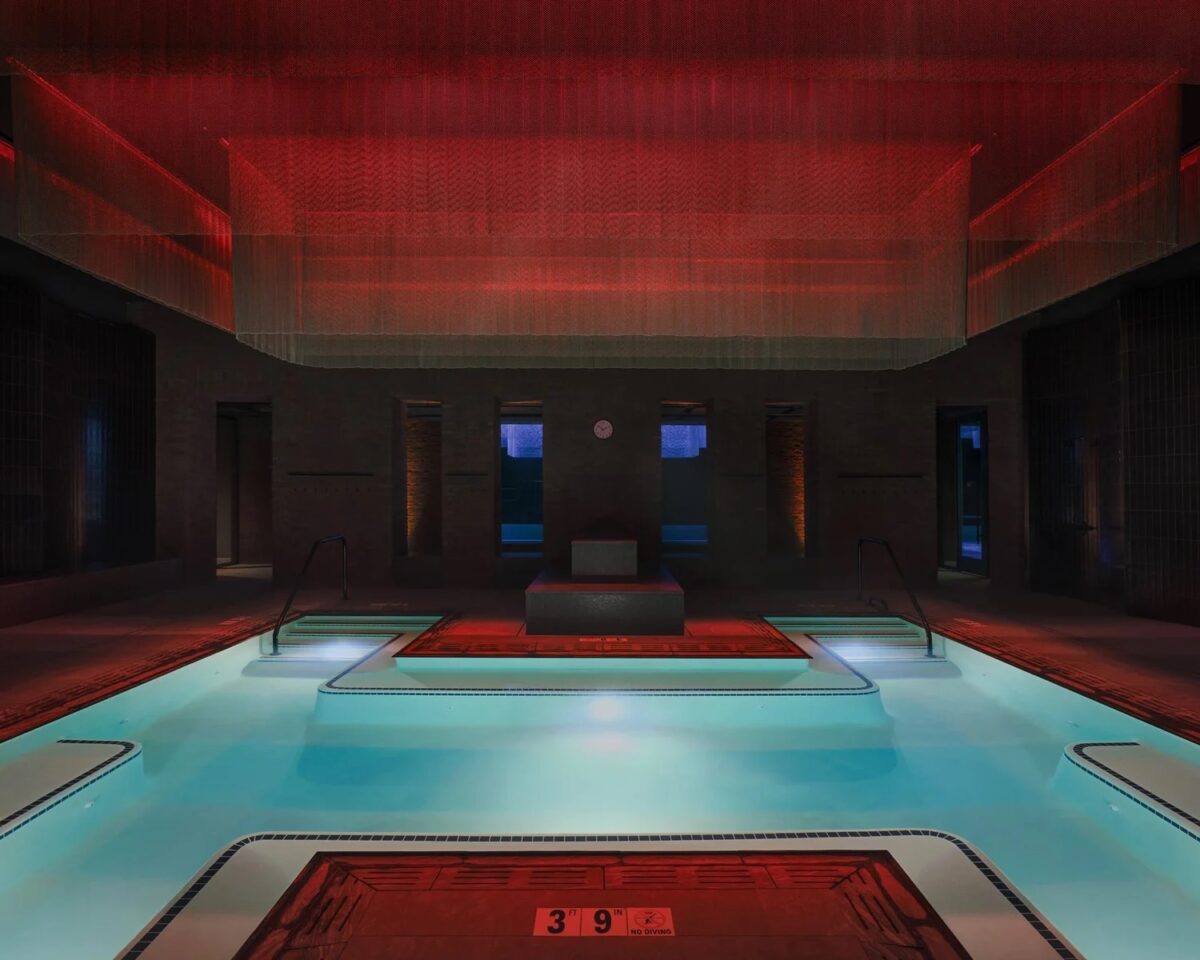
Since 2022, New York startup Bathhouse has used waste heat from its Bitcoin-mining operations to warm saunas, steam rooms and pools. The company just opened an outpost in Philly, and anyone is welcome, with day passes ranging from $30 to $75.
The no-phone zone smells like incense and chlorine, with background music reminiscent of drum-circle meditation. No common cryptomining complaints like buzzing noise pollution or industrial development in sight.
“Our Bitcoin mine is just a different type of pool heater,” reads a Bathhouse FAQ. The company says it uses electricity it would have bought to heat its pools anyway.
But it doesn’t necessarily save money.
In 2024, two years into the project, Bathhouse coowner Jason Goodman told Time Magazine that the bills at its two locations were still roughly the same as before introducing the mining heat. The payoff, he said, was in a more energy-efficient system and that sitting on the coins will vest.
What the company hasn’t shared is just how much it spent to get started. We know that as of 2024, it bought 32 ASIC chips to mine at its Manhattan and Brooklyn locations. Then, it spent resources removing fans and converting the hardware to work for the spa use case. Plus a pump, heat exchanger and other equipment.
Waste heat reuse projects can take from four years to two decades to pay off, so even breaking even this early would be an optimistic take.
How long would it take for Bathhouse to break even? We may not get the chance to find out. I’m hearing the company is pivoting away from using computing as a heat source entirely — even as the idea is taking off elsewhere.
Yes, data centers.
Though still nascent in the US, using the giant (and currently unpopular) clusters of microprocessing racks in this way is gaining some traction. Virginia, home to Data Center Alley, passed legislation to study the issue. The University at Buffalo overhauled systems to recycle heat from its supercomputing center. A San Jose developer is actively seeking approvals for a project that incorporates both data centers and apartment towers, using the former to heat the latter.
And then there are places like Stockholm, Sweden, that have had this process in place for more than a decade. Helsinki, Finland, recently announced a partnership with Microsoft to start reusing data center heat in 2027. The tech giant provides the run of its data center, and energy company Forum captures the waste heat to power up to 40% of annual district-heating demand.
But just because it’s waste heat doesn’t make it free heat.
Getting it to customers takes money and equipment. Pipes take up space, cost money to install and lose some heat along the way. Some networks rely on heat pumps to raise the temperature before the heat enters the city’s district heating network, adding to the cost. The upfront investment can be massive.
Demand can be a problem, too. Apartment buildings need more heat in winter than in summer. When demand drops, data centers still need a way to get rid of excess heat. So you still need the infrastructure for that, too.
Bathhouse’s advantage was that its heat source sat in the same building as the pools that need warming.
Data centers are often built where power and land are available, which may not be where homes and businesses need heat. Moving that heat can be expensive enough to undermine the whole idea.