

Baltimore saw a slight dip in venture capital activity last quarter, but the bigger concern remains a lack of funding for early-stage life sciences startups, according to local experts.
Baltimore raised $62.1 million across 24 deals in Q3 of 2026 – a roughly 9% decrease from the previous quarter, according to the latest Venture Monitor report from PitchBook and the National Venture Capital Association. Two mega-deals gobbled up half of that total, though the region did experience an uptick in deal count from the previous quarter.
That capital concentration follows a nationwide trend. Most regions report just a sprinkle of companies snagging larger funding rounds. The trend signals a split between AI and software startups that can scale with relatively fewer resources — therefore, looking more attractive to investors — and life sciences companies, which require considerable funding for clinical trials. Balance Theory, a Columbia-based cybersecurity firm, landed the largest Baltimore-area deal of Q3 with a $19 million Series A.
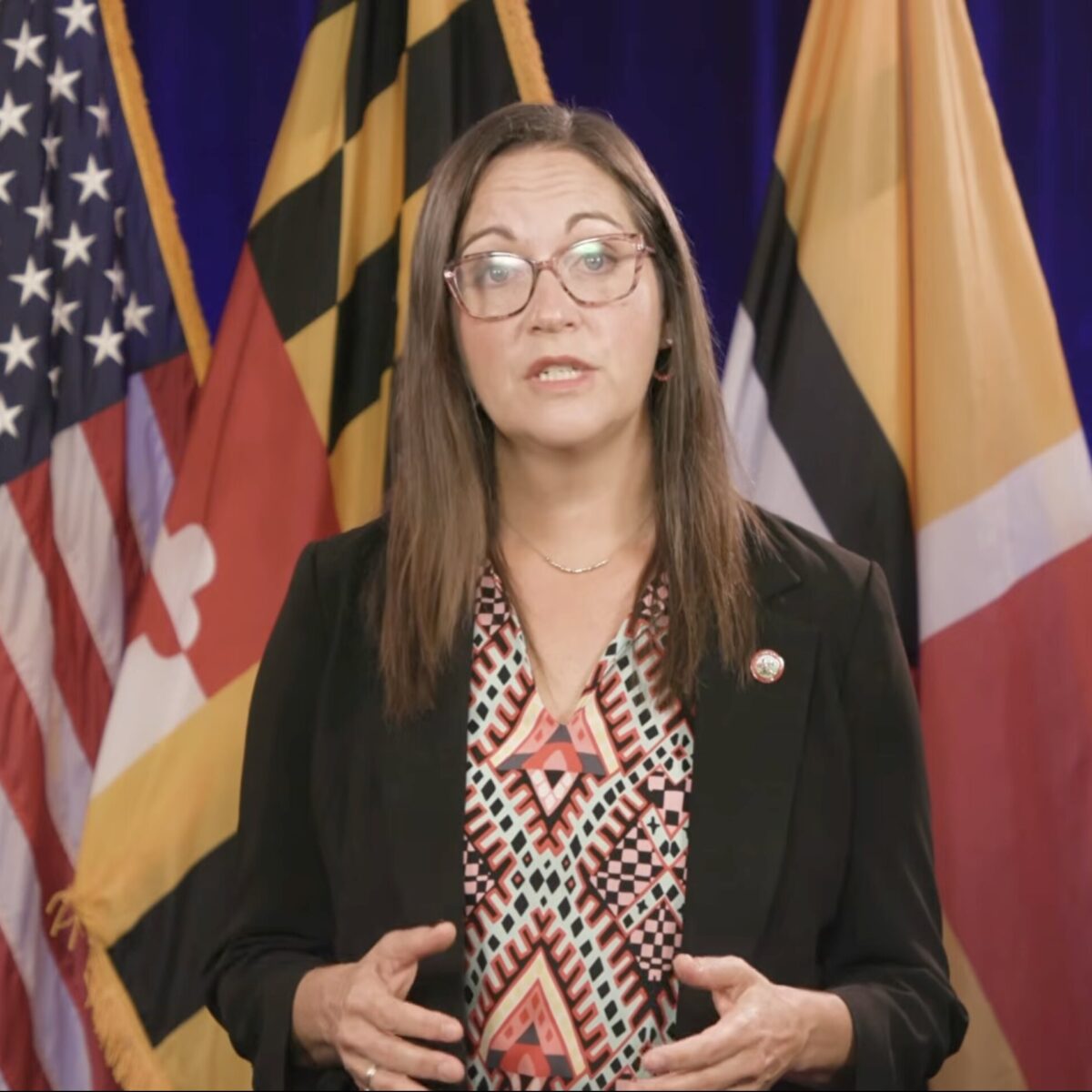
“It’s encouraging to see the activity in the cyber scene,” managing director of the Maryland Momentum Fund Mike Ravenscroft said. But with Baltimore and Maryland anchored heavily in biotech, a stalled pipeline for young startups concerns him.
According to the report, 82% of all VC has gone to AI startups in 2026, with total funding already outpacing the record set in 2021. For founders outside that niche, the reality looks little like the flashy headlines.
“The process can feel prolonged and uncertain,” the report read, “as capital is concentrated within fewer deals than at any point this decade.”
Early-stage life sciences face a tough funding climate
Ravenscroft pointed to the scant deal count for early-stage life sciences companies. That struggle is not unique to Maryland. Even in the biotech pantheon (a.k.a. Massachusetts), a state industry trade group recently reported a sharp decline in seed funding compared to Series A.
“As far as life sciences go,” Ravenscroft said, “frankly, it’s tough.”
At his University System of Maryland–sponsored fund, Ravenscroft has seen several startups delaying raises to gather additional preclinical data for wary investors.
“The onus is on early-stage companies to bring a lot more to the table,” Ravenscroft said.
Luckily, some federal funding pipelines are showing signs of life.
The Small Business Innovation Research program — a nondilutive source for early-stage tech startups — was reauthorized last April after a six-month pause.
While those grants trickle out, Ravenscroft has noticed more startups targeting a newer channel within the Department of Health and Human Services: the Advanced Research Projects Agency for Health. The agency, established in 2022, secured a slight budget bump from the previous fiscal year, according to Washington Post reporting.
Though with much of the life sciences trajectory dependent on federal funding, supporting burgeoning industries such as cybersecurity, which operates strongly across private and public sectors, could be beneficial.
“We should capitalize on this opportunity and inflection point that we’re looking at right now,” Rimjhim Khandelwal, director of venture advancement at the Greater Baltimore Committee, said.
Maryland’s venture rebound still hinges on a handful of big deals
Maryland’s story does not stray too far from its largest city.
PitchBook reassigned the $380 million Blue Energy mega-deal — which pushed Maryland’s Q2 venture totals far above its recent quarterly average — to the third quarter because of the final closing date.
It’s not unusual for deals to switch dates. Venture Monitor figures may vary slightly after publication, as some deals aren’t accounted for until weeks after quarterly VC reports are published, or PitchBook may find errors in its data.
But hefty deals are still central to the narrative across the quarters. And it echoes last year’s mega-deal trend, when nuclear energy company X-energy pushed Maryland’s overall venture total to its highest point in over a decade.
Setting Blue Energy aside, the state raised $247 million across 56 deals in Q3, an almost 200% increase from the previous quarter’s $83 million across 45 deals. Two life sciences companies clinched most of that capital: Georgiamune with $92.7 million and Theradaptive with $36.2 million.
Both startups are in the clinical stage and predate the recent instability in federal funding.
“With life sciences, you’re not going to see anything commercialized until much later,” Khandelwal said. “There’s so much regulatory pathway to navigate.”