
This story was made possible through support from TEDCO, the Maryland Technology Development Corporation, which enhances economic empowerment growth through the fostering of an inclusive entrepreneurial innovation ecosystem. TEDCO identifies, invests in, and helps grow technology and life science-based companies in Maryland. Learn more at tedcomd.com. All stories are independently reported, with no partner review.
Startup profile: JuneBrain
- Founded by: Samantha Scott
- Year founded: 2017
- Headquarters: Baltimore, MD
- Sector: Biotech
- Funding and valuation: Almost $2 million raised, according to PitchBook
- Key ecosystem partners: TEDCO, Emerging Technology Centers, LaunchPort
Baltimore startup JuneBrain is launching a pilot that could help New Orleans eye clinics spot patients who need urgent care sooner, even when a specialist isn’t available.
The company’s AI software analyzes images of the retina to flag signs of serious eye and neurological diseases. The 30-day pilot starting later this month will give JuneBrain real-world feedback as it gears up for an FDA clearance application, founder and CEO Samantha Scott told Technical.ly.
The company is launching a $5 million “pre-FDA clearance round” later this month.
The pilot could also be a step toward bringing the technology to underserved areas. While the initial tests are happening in an urban setting, JuneBrain sees strong potential for rural clinics and is awaiting word on Louisiana state grants that could help fund that next phase.
“Their retina specialist is not in every day,” Scott said. “So they need to know who should be seen as quickly as possible.”
A 2025 study on diabetic retinopathy — a leading cause of vision loss in the US — found higher rates in rural communities, where geographic isolation and provider shortages delay treatment.
Scott hopes JuneBrain’s retinal imaging device and software could help catch the disease early in those resource-scarce areas. Because the technology is portable and user-friendly, it could lessen common barriers to care, she said.
“[Rural communities] typically have access to smaller clinics and those clinics typically don’t have what your university or larger urban health systems have,” Scott said.
JuneBrain’s bet on Louisiana
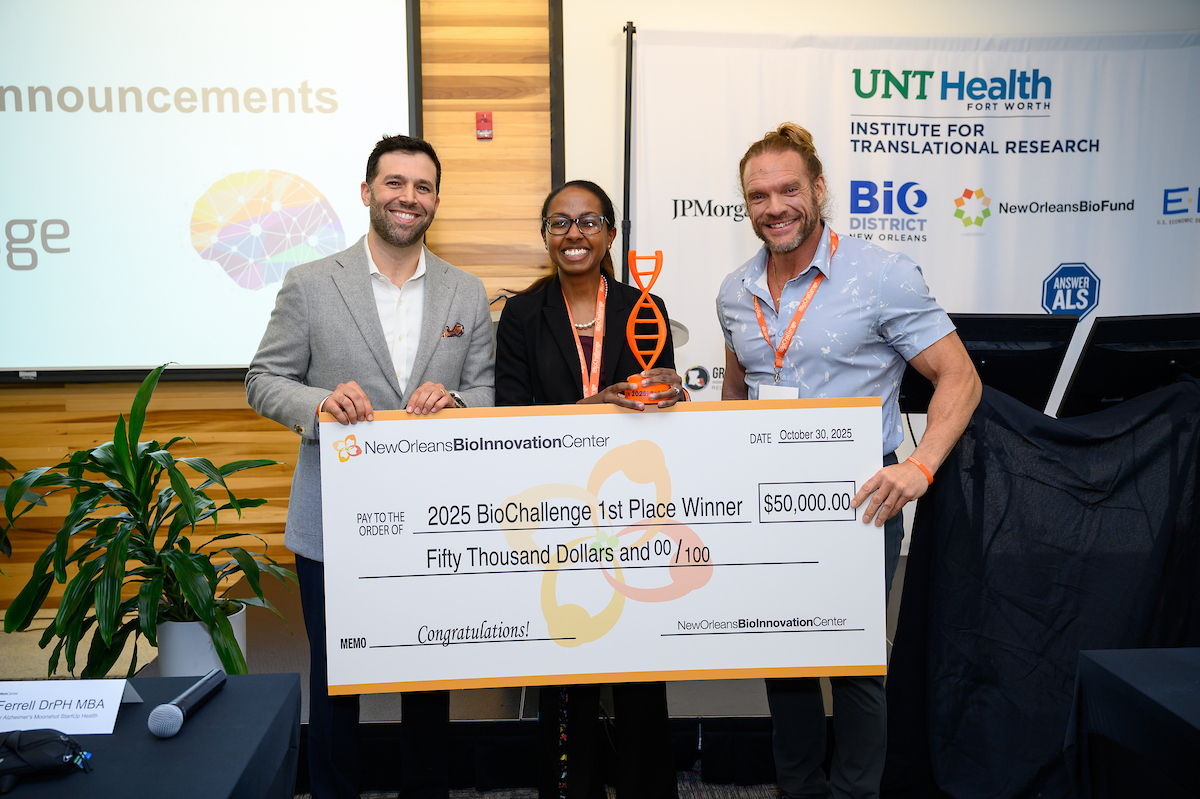
Last October, the New Orleans BioInnovation Center’s global BioChallenge pitch competition brought JuneBrain down south. The company’s first-place win exposed it to opportunities across the state’s healthcare landscape, Scott said.
“It just opened up a lot of awesome doors for us in the Louisiana community,” Scott said.
An expanded market is especially important with the company eyeing an FDA clearance by the end of next year. The company is launching a $5 million “pre-FDA clearance round” later this month to give it that runway. To date, the company has raised almost $2 million, according to PitchBook.
Scott founded JuneBrain the same year after an eye exam led to a long-awaited neurological diagnosis. Traditional retinal imaging equipment is expensive and requires specialized technicians. By contrast, Scott says, JuneBrain’s device and software can be used in local clinics or remotely by patients for continuous monitoring.
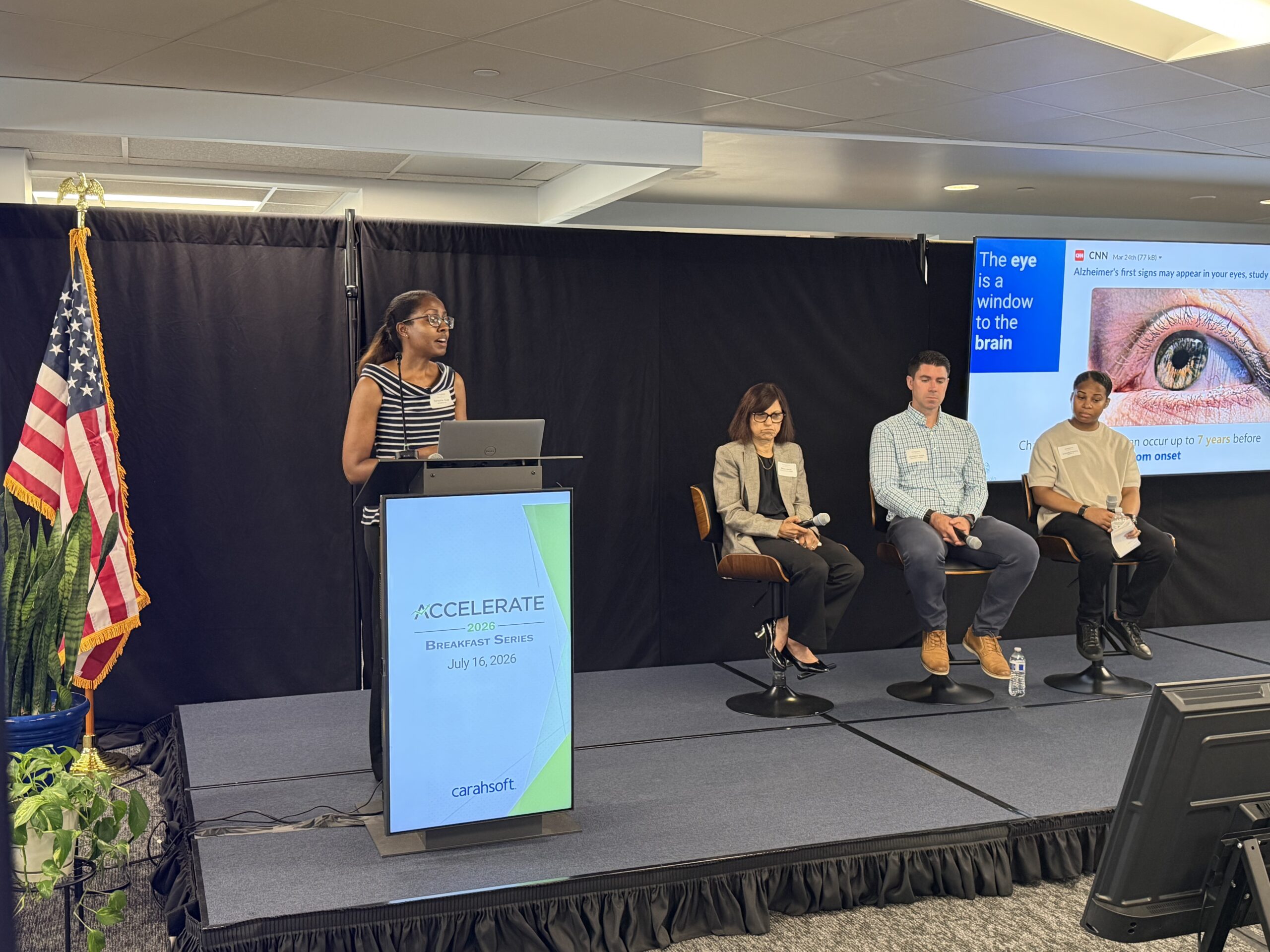
“This was following about five years of neurology hopping and debilitating untreated illness,” Scott said at a July event in Fairfax. “My vision at the time was that the eye would become a common tool to assess not just eye disease but also neurological disorders, and that is now becoming proactive.”