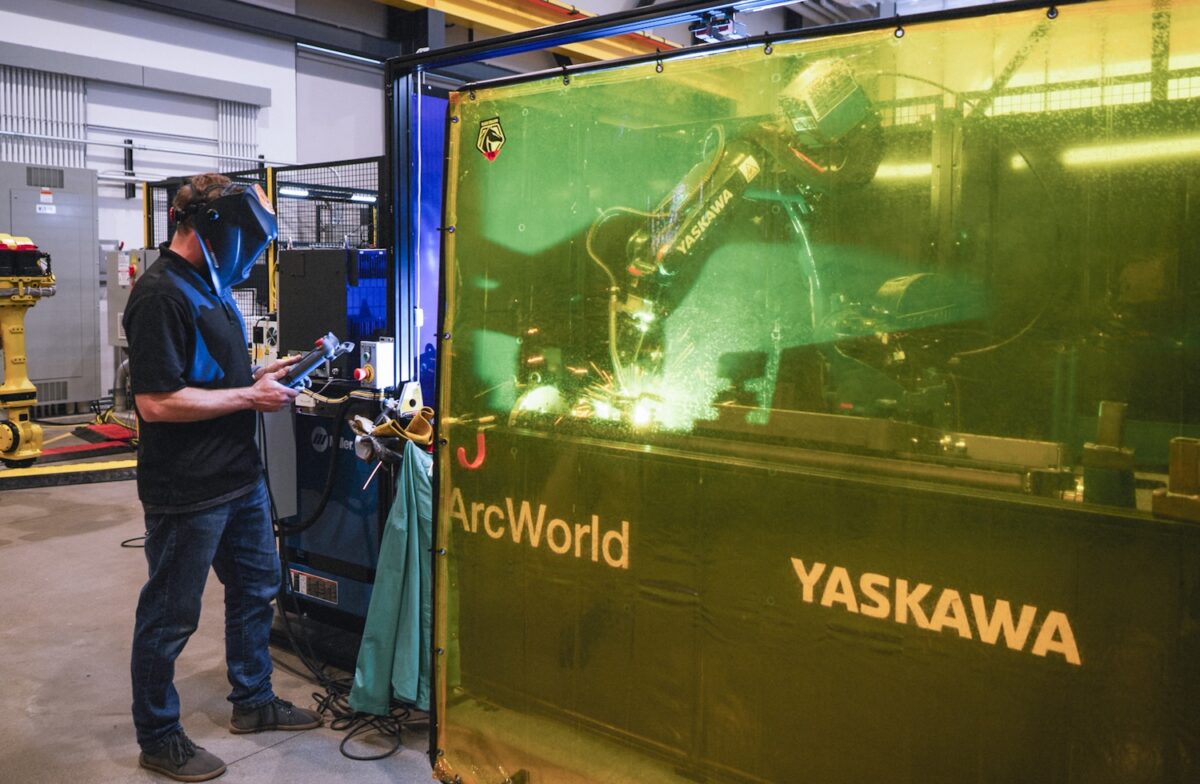
When a Pittsburgh manufacturer was having difficulty finding skilled labor, the ARM Institute stepped in to help increase production with a robotic welding arm.
“Every construction worker is more effective because they have a power drill. A robot should be the same thing for welders,” said Kirby White, ARM’s director of business development, on an episode Adam Conner’s web series Proof Points. “Every welder should have a robot to make their throughput faster and to take the hard work off of their hands.”
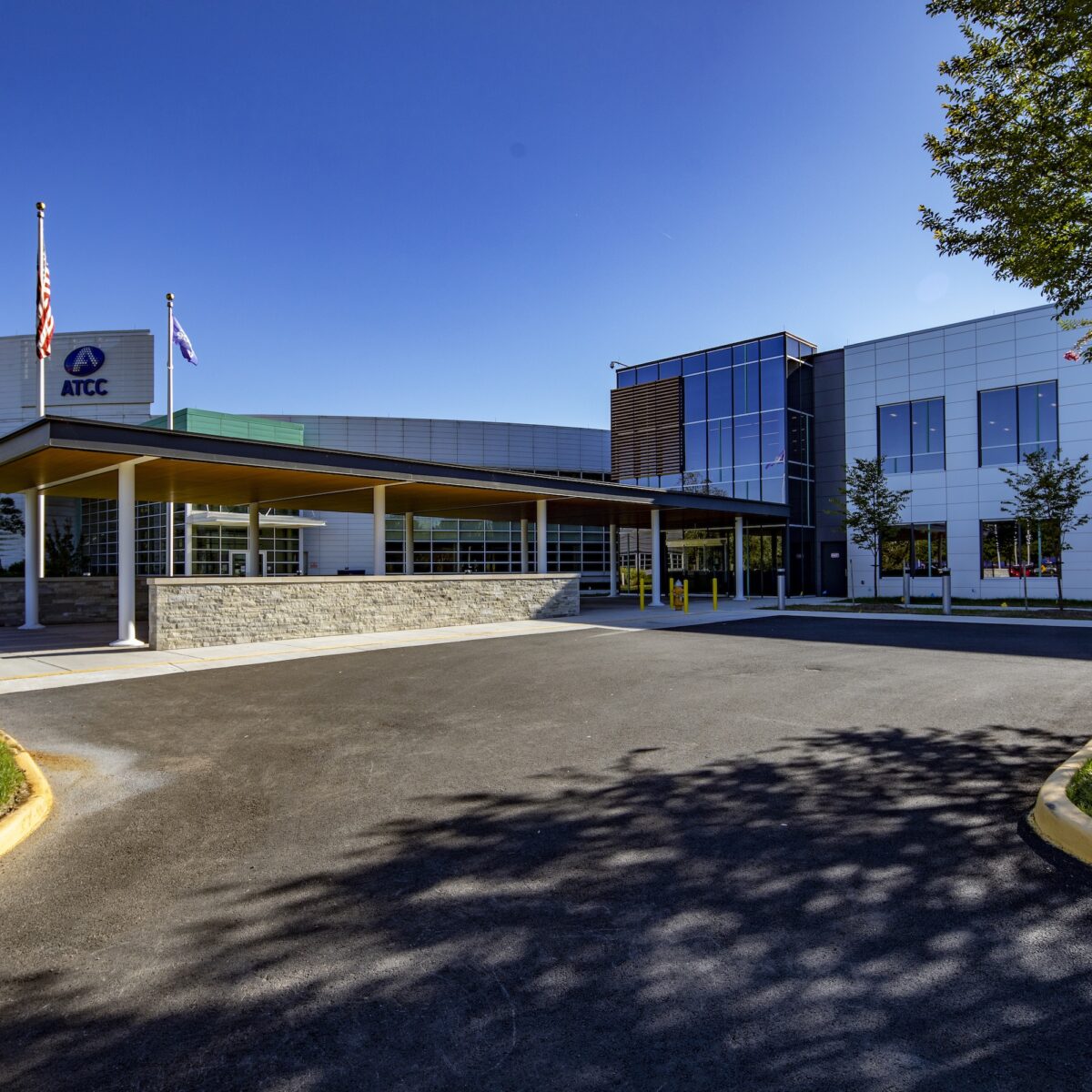
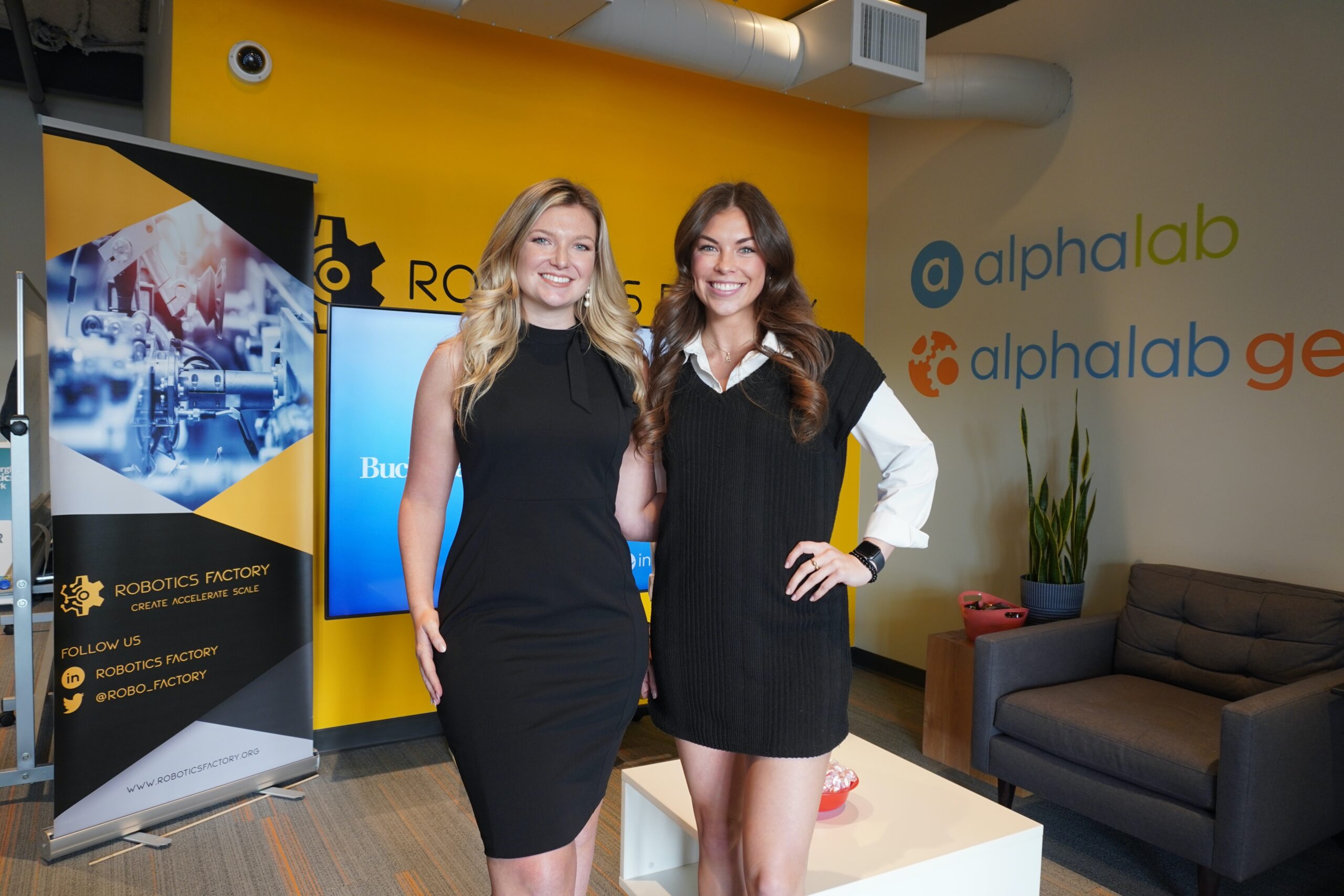
The ARM Institute (Advanced Robotics for Manufacturing), a national nonprofit created by Congress and headquartered at Mill 19 in Pittsburgh, aims to provide a risk-free entry point for regional businesses exploring automation through its Robotics Manufacturing Hub.
“We are the open door to robotics.”
Kirby White, ARM Institute
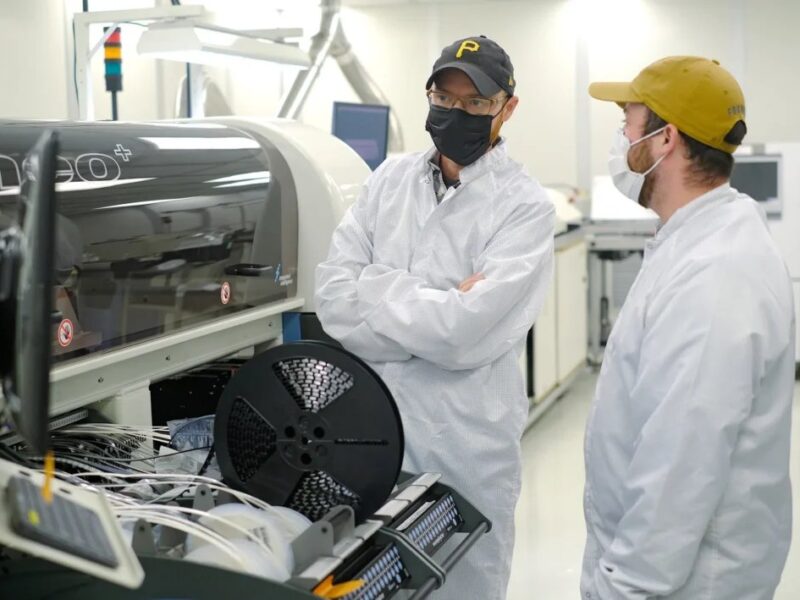
The hub has engaged with more than 70 small businesses across Southwestern Pennsylvania, supported by federal grant funds. Experts at the ARM Institute conduct on-site technical assessments, identify operational bottlenecks and build three-month proof-of-concept demonstrations at no cost to participating companies.
“They don’t know how to even get started,” said White. “And we are the open door to robotics.”
Across the country, programs like the ARM Institute are attempting to address workforce gaps in skilled trades by pairing human workers with robotic automation. In Pittsburgh, regional stakeholders are leveraging existing assets — including the nation’s first robotics institute and leading computer science programs — to establish a resilient, technology-driven manufacturing ecosystem.
The effort is anchored by a $62.7 million federal Department of Commerce grant awarded to the Allegheny Conference on Community Development (now integrated into the Pittsburgh Regional Alliance) to fund projects aimed at strengthening Southwestern Pennsylvania’s manufacturing, robotics and AI industries. The award marked a significant operational shift for the Allegheny Conference, which had never previously pursued federal funding.
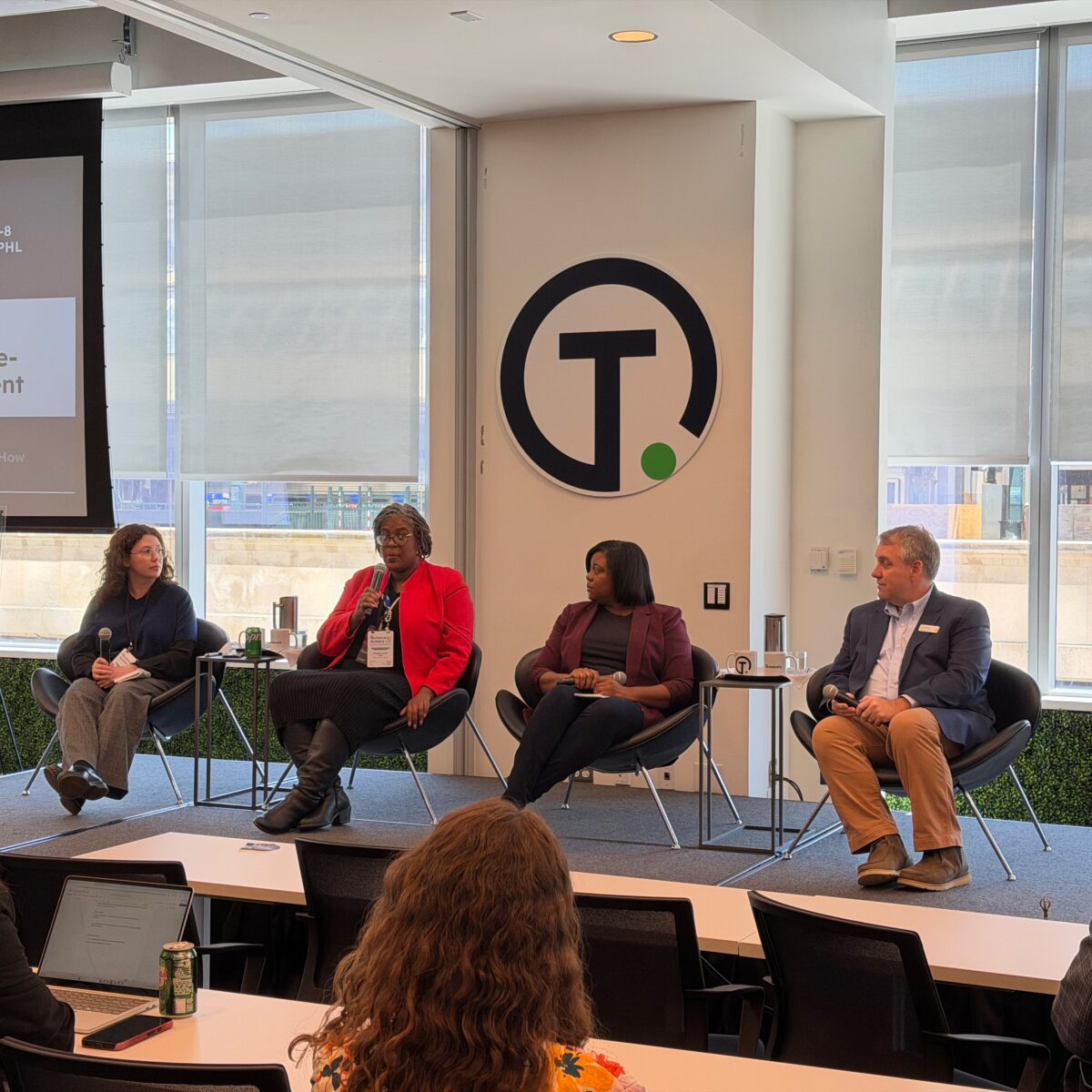
“When this opportunity presented itself, it was basically, do you want to throw your hat in the ring for an opportunity to get federal money into the region?” Stefani Pashman, CEO of the Allegheny Conference, told Conners in the video. “This needs to be an organization that knows how to do collective action, convene public private partnership, work regionally, try and think about bold moves for the region that will really create durable change.”
By aligning public agencies, private corporations, labor unions, philanthropies and research institutions like Carnegie Mellon University, the regional effort aims to convert academic innovation into widespread commercial and industrial strength.
Distributing technical training across the workforce
Technology adoption is only part of the regional strategy. More than half of the $62.7 million grant was allocated directly toward workforce development and upskilling local talent, according to Pashman.
To make these skills more accessible, regional partners translated the computer science curriculum from Carnegie Mellon University into two-year and vocational training programs, currently active across 18 regional entities including community colleges and apprenticeship initiatives.
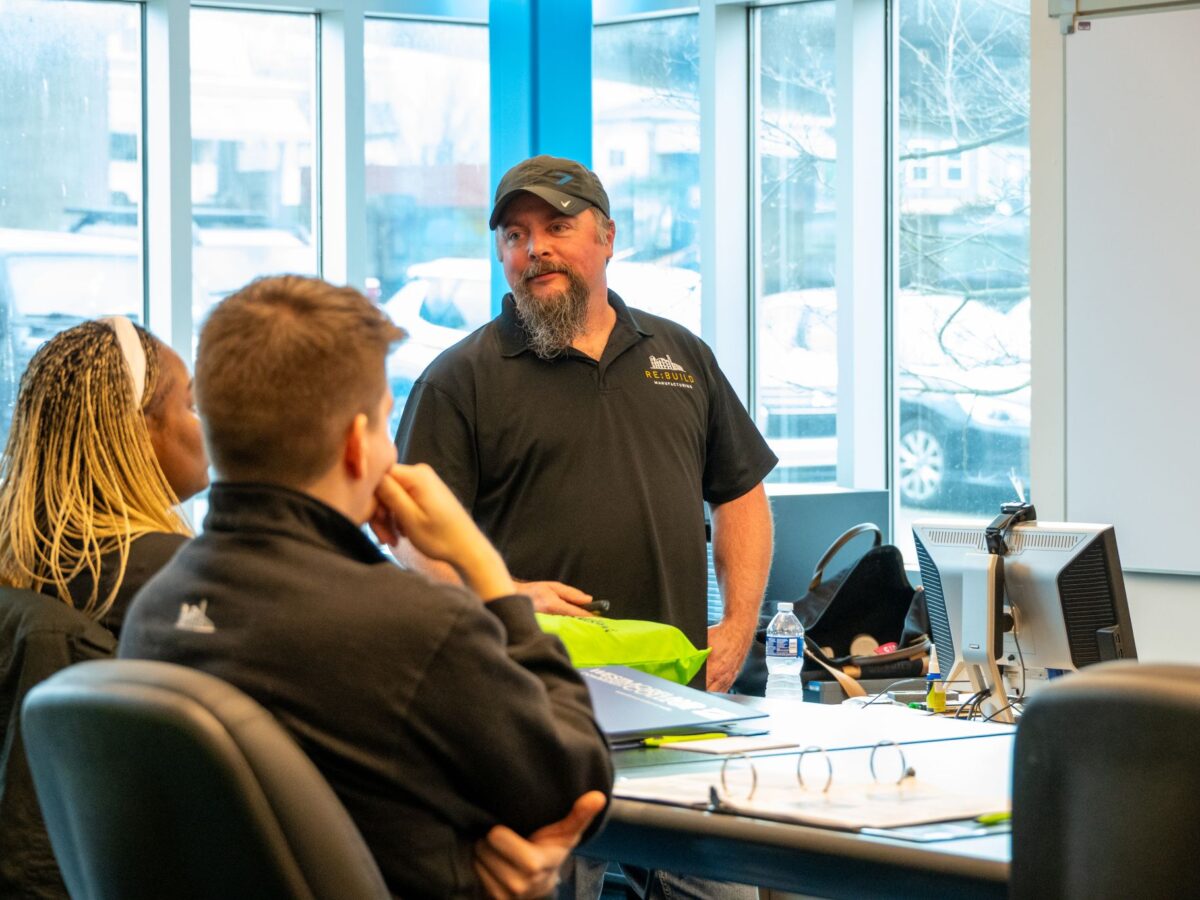
Pashman said the workforce push has already served between 8,000 and 10,000 residents, creating direct hiring pathways into local robotics startups and automated factories.
As the five-year federal grant program enters its final year, regional leaders are making plans to maintain economic momentum.
“For every dollar that we spend in our operations, we’re actually adding a dollar value back into the local economy,” said Chad Hicks, senior program manager for robotics at ARM, “either in wage stabilization and the investment in the actual equipment, and engaging robotics integrators.”
To sustain operations long term, the ARM Institute is transitioning its free advisory services into a low-cost, fee-for-service model for manufacturers nationwide.
“We’ll offer the same services that we developed and offered for free under the Department of Commerce grants for a small fee to American businesses,” said ARM biz dev director White, “and we can help companies build up a road map that they can then follow to ensure that they’re successful with robotics.”