

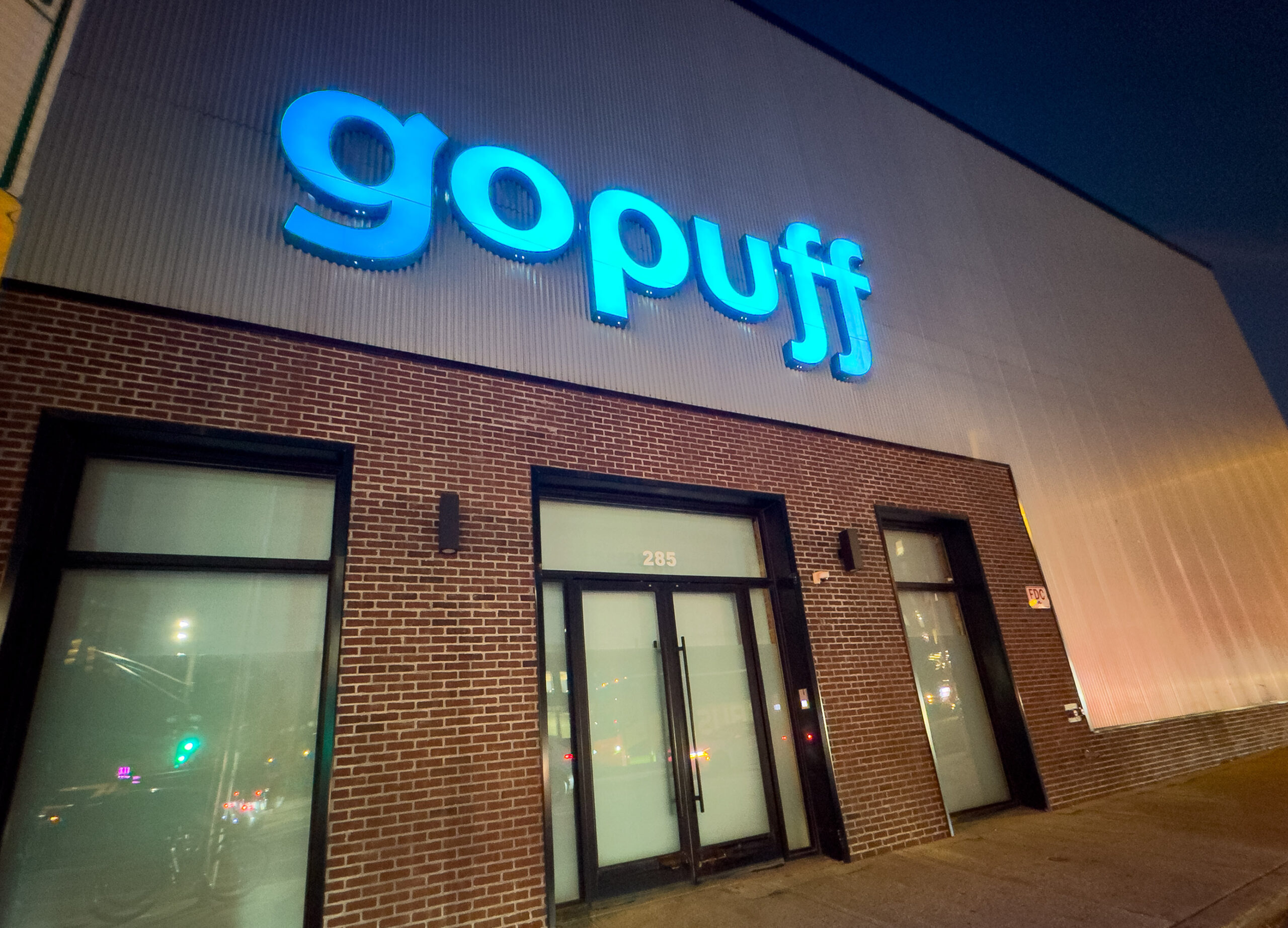
Philly’s quick-delivery tech unicorn Gopuff last week laid off an undisclosed number of workers.
Gopuff explained the layoffs and general company restructuring as a move toward profitability, a former employee said.
On Nov. 19, now-former employees received an email from a CEO followed by a meeting invite where they were informed they were being laid off, an impacted former employee told Technical.ly. Shortly after the call, employees lost access to Slack and other systems.
At least eight former operations and IT workers have confirmed their layoffs in posts on LinkedIn. Several of them confirmed the above timeline in their posts. At least two live in the Philadelphia metro, according to their profiles, while the others are spread across California, Oklahoma, Texas and Washington. A post on the r/Gopuff subreddit also discusses the layoffs with comments about the event, though no user publicly identified themselves.
Gopuff explained the layoffs and general company restructuring as a move toward profitability, the former employee said.
The company did not immediately respond to Technical.ly’s request for comment.


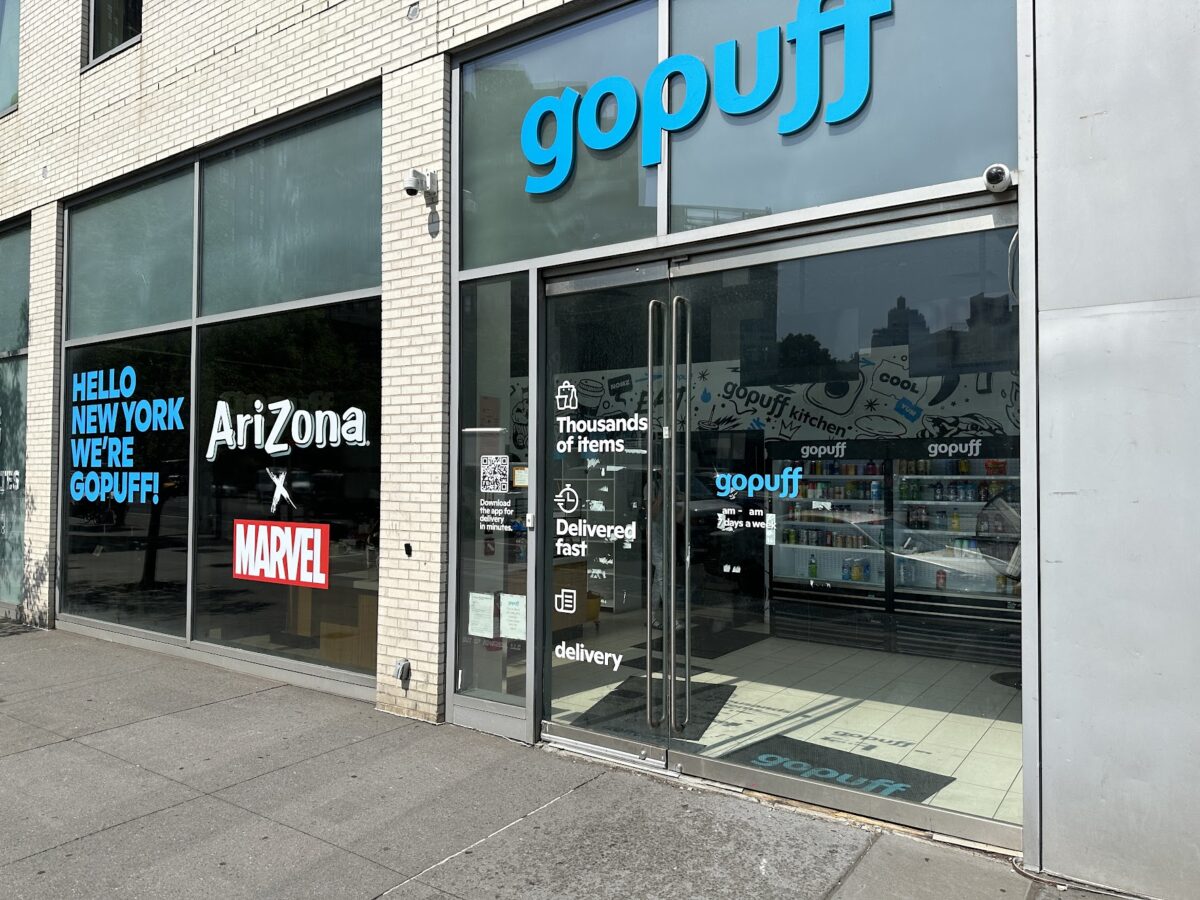
Gopuff raised $250 million in November 2025, with plans to spend the cash on AI implementation, faster fulfilment and an enhanced consumer offering.
“We’re back on offense, and we’re just getting started,” Yakir Gola, co-CEO and cofounder of Gopuff, said in a press release at the time.
The new cash followed a pattern of layoffs. In 2024, Gopuff let go of 6% of its workforce — roughly 600 people — as it prioritized profitability and, a year prior, it cut 2%. The company burned through $400 million in 2023, sources close to the company’s financials told The Information in 2024.
Troubles began around four years ago, when, in the span of about six months, Gopuff went through three rounds of layoffs. It cut about 3% of its global workforce in March 2022, closed warehouses and laid off another 1,500 people in July 2022, and let another 250 people go that fall.
The $15 billion company put off its ambitions to IPO after its pandemic-era hypergrowth came to a halt, and it was time to downsize.