It took just 18 months for Pittsburgh startup HeadStrait Labs to take its smart-sensor neck brace from concept to clinical trial.
That’s a blink of an eye for the medtech field, where the intricacies of working with human bodies can make implementation a slow process. Credit goes to cofounders Mary Squire and Alyssa Theroux — both for their engineering and inventiveness, and their decision to tap into nearly every major economic development resource in the region.
With a recent injection of federal funds, Pittsburgh entrepreneurs have access to a wide range of resources to bolster their growth. More than $60 million from the Build Back Better Regional Challenge has flowed into initiatives administered by the New Economy Collaborative of Southwestern Pennsylvania, creating an interconnected web of support for hardtech founders.
Theroux and Squire were ready for it. After meeting during their first semester at Carnegie Mellon University’s biomedical engineering program, they paired up and won their class final pitch competition. After graduation, they continued the partnership and turned their idea into HeadStrait Labs.
The duo had recognized a pressing problem: When EMS crews have to stabilize trauma victims with potential head or neck injuries for ambulance rides, they use a combination of foam blocks, tape and rigid collars. Designed decades ago, this system doesn’t always work — despite it being used on millions of Americans each year.
“Up to 25% of people who suffer an initial head or neck injury and call an ambulance suffer a secondary injury during the transport process,” Theroux said in a recent interview with podcast Proof Points.
HeadStrait Labs’ smart splint aims to change that. Called EVAC1, it tracks neck movement in real time and alerts paramedics to harmful shifts before additional damage occurs.
To move their idea from an iPad sketch conceived in a squirrel-filled attic to live, real-world clinical testing, Theroux and Squire took advantage of every opportunity.
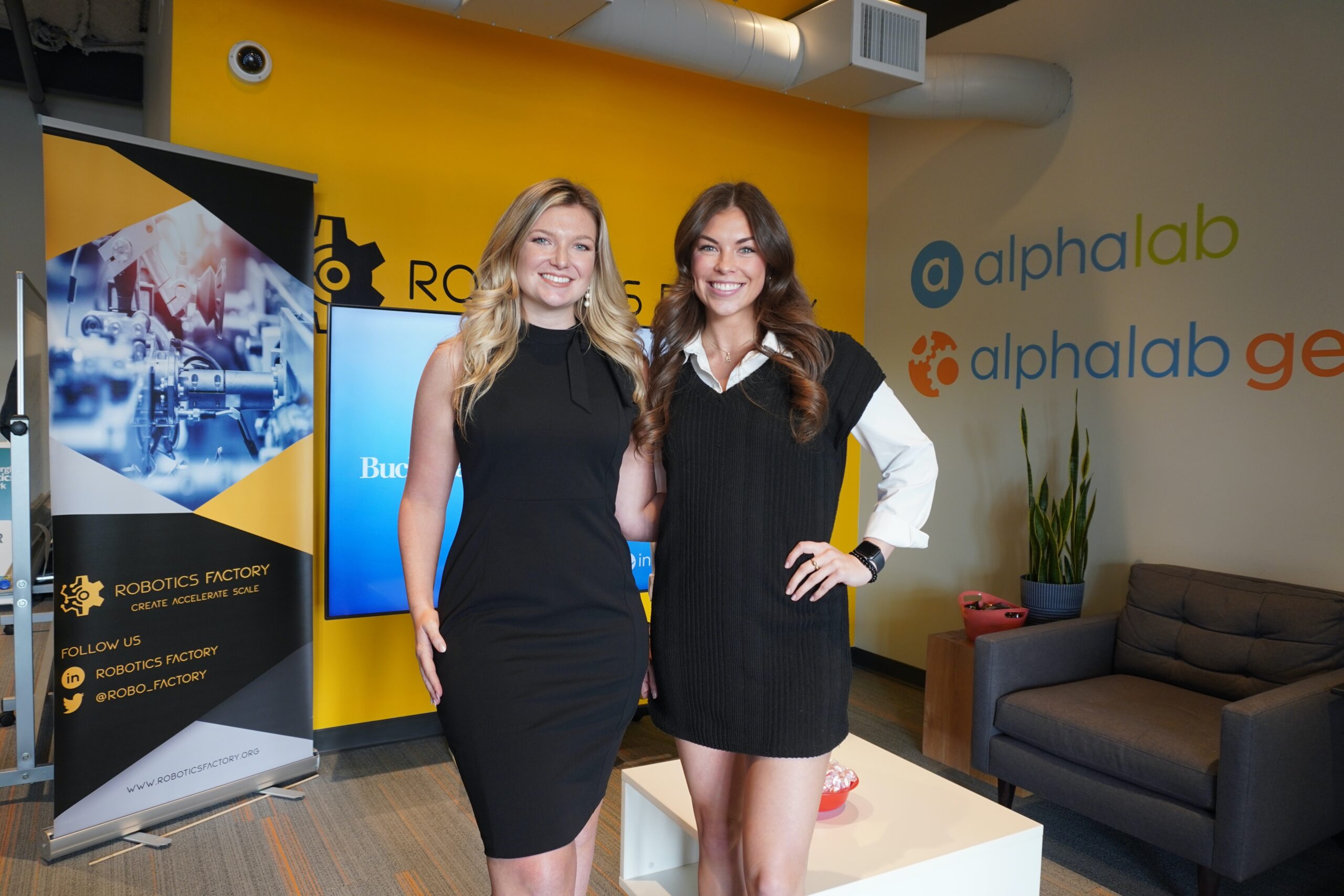
They participated in Innovation Works’ Robotics Factory accelerator program. They did fellowships through the ARM Institute. They sought technical mentorship at the Carnegie Mellon Robotics Institute, built a collaborative project with InnovatePGH, took manufacturing classes through Catalyst Connection and won research grants through CMU’s Manufacturing Futures Institute.
Accessing these specialized programs allowed the founders to build out their prototypes, secure funding and refine their design. In early 2025, the fast-moving company was named to Technical.ly’s RealLIST Startups.
Finding your market with the help of the region
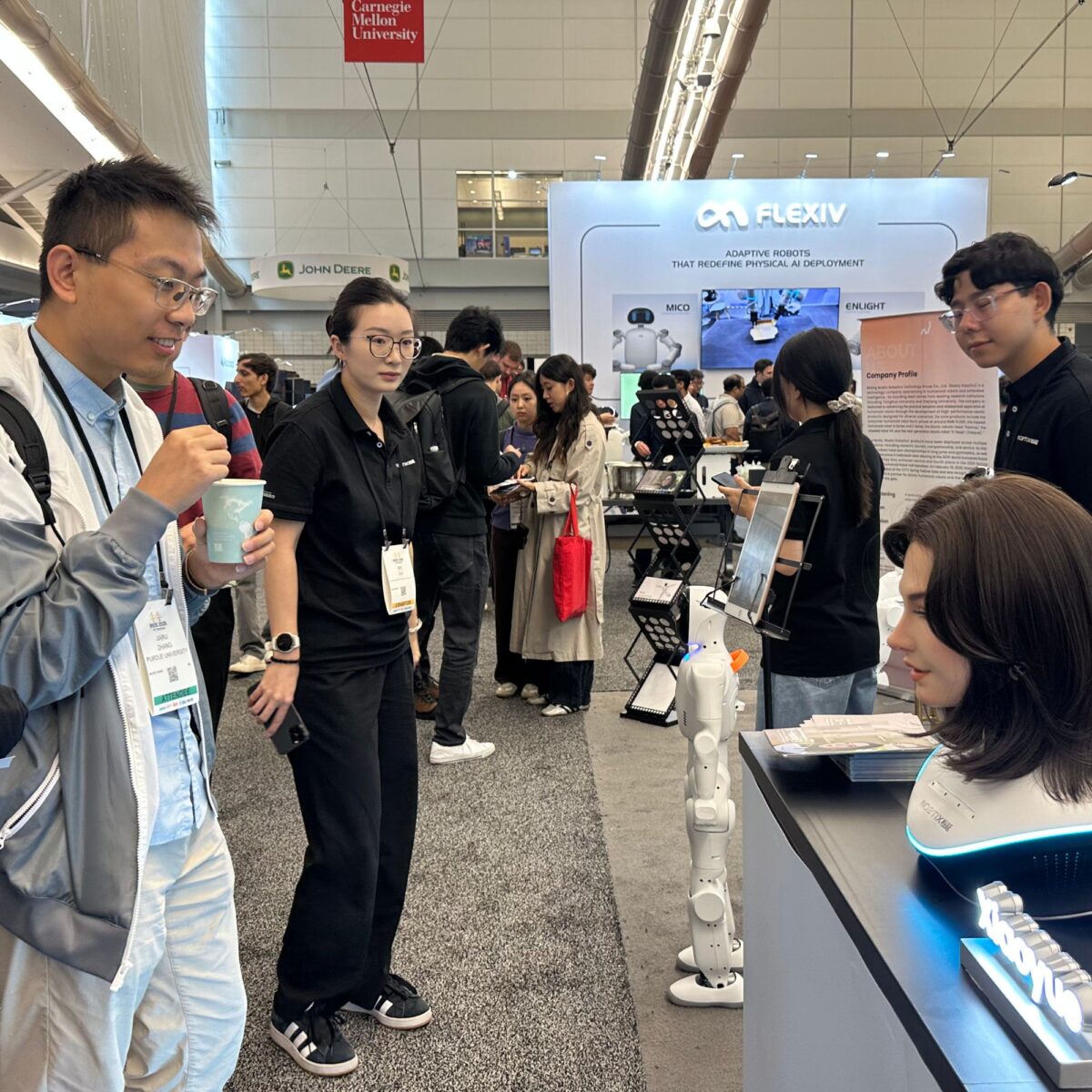
In January of this year, HeadStrait began testing the EVAC1 with human subjects. The team continues to conduct live demonstrations with local emergency departments, including at last week’s Robotics & AI Discovery Day.
A recent $350,000 investment from the Richard King Mellon Foundation brings the startup’s total funding to over $680,000 as it raises toward a $2 million seed, according to the Pittsburgh Business Times.
To get there, Squire and Theroux had to solve a go-to-market hurdle that can stall innovation in prehospital emergency gear: Traditional emergency medical services departments often operate on tight municipal budgets, making technology upgrades difficult to sell directly to ambulance squads.
Gathering feedback through over 100 frontline discovery interviews led the founders to redesign their device and business plan to target hospitals instead. When secondary injuries occur during transportation, that’s where the burden falls, Squire told Thought Liters.
“Those patients have extended stays, and that’s no longer profitable,” she said on the podcast. “So that’s also why we’re able to sell this device to hospitals for it to be stocked on ambulances, where typically devices would need to be sold directly to EMS.”
The startup’s progress after the Innovation Works’ Robotics Factory program demonstrates how specialized hardware incubators can shorten the timeline from initial idea to field testing.
It also highlights a broader shift in local economic development strategies. In contrast to last decade’s concentration on software startups, Pittsburgh organizations are increasingly channeling capital into physical device commercialization and high-growth robotics ventures.
HeadStrait Labs now serves as an example of the type of innovation made possible by a region’s full support.
“Don’t let the statistics get in your head. Shoot for the moon,” Theroux previously told Technical.ly. “You’ll land somewhere in the stars.”
This article is underwritten by the Southwestern Pennsylvania New Economy Collaborative. Technical.ly is a free news resource thanks to financial partners like this one!