
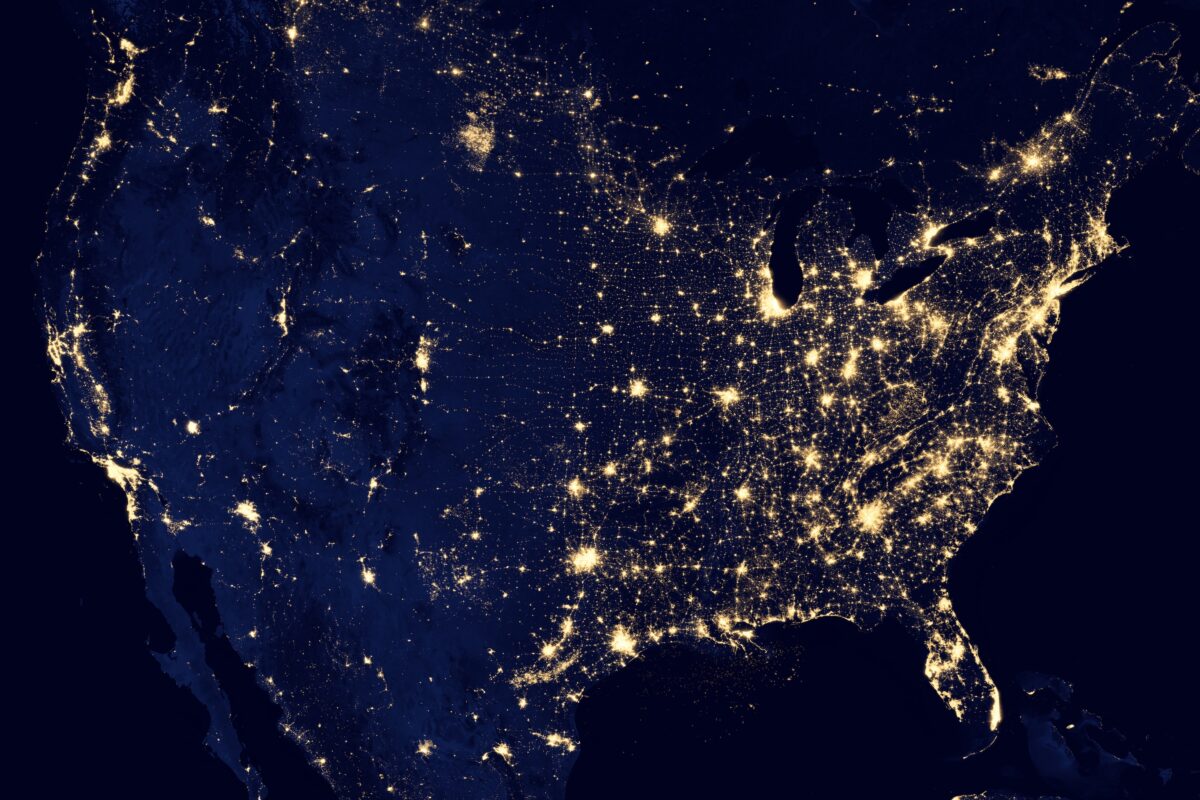
• The Technical.ly Ecosystems Map is updated: 70 innovation ecosystems across all 50 states, DC and Puerto Rico, each with a named front door and a best week to visit.
• Across those profiles, two-thirds say capital is their binding constraint and 1 in 7 feel it’s cost of living. Only 11% cite both.
• The split tracks size almost perfectly, which means ecosystem success doesn’t resolve the problem; it trades a capital problem for an affordability one.
Ask an ecosystem builder in Pittsburgh what’s holding the place back and you will hear about capital. Ask in Boston and you will hear about rent.
Early on in a regional entrepreneurial ecosystem, founders cannot raise money. Later, founders cannot afford the city. That is roughly the result of American economic development strategy shifting toward networked style “ecosystem building” and away from 20th century “cluster development” — part of “four waves” of economic development.
In the old days, people needed to be near machines. Now, the infrastructure comes second. People need to be near people — for investors and customers, insights and jobs. Technical.ly is tracking this change nationwide.
This month we published a full rebuild of the Technical.ly Ecosystems Map, with profiles of 70 innovation ecosystems across all 50 states plus DC and Puerto Rico.
Started in 2024 with a regional index, last fall we added narratives to cover the full US. It is the country’s most comprehensive guide of innovation strategies, and useful data collection. When you describe 70 places using the same categories, you start to make connections that cannot be seen from the inside.
Two problems, rarely both
In each profile we name what is actually constraining the place, informed by dozens of our interviews and a meta-analysis of hundreds of reports. Sorted, those answers fall into two buckets.
Forty-four ecosystems (63%) have capital as a primary obstacle. Nine center cost of living. Eight name both. (Nine others mention neither, usually because something else dominates the story.)
The split tracks scale almost perfectly. Among the 16 largest ecosystems, more than a third (38%) are stuck on capital and just over half (56%) are tripping over cost. Among the smaller ecosystems it inverts: 85% name capital, 15% name cost.
The cost-only challenge list is not a random nine. It is San Francisco, San Jose, Boston, New York, Seattle, Denver-Boulder, Miami, Nashville and Salt Lake City, which is more or less the list of places Americans have spent a decade moving to — or attempting to economically mirror in their local strategies.
So the sequence is real. Growing your economy in the United States today does not solve your problems. It exchanges them.
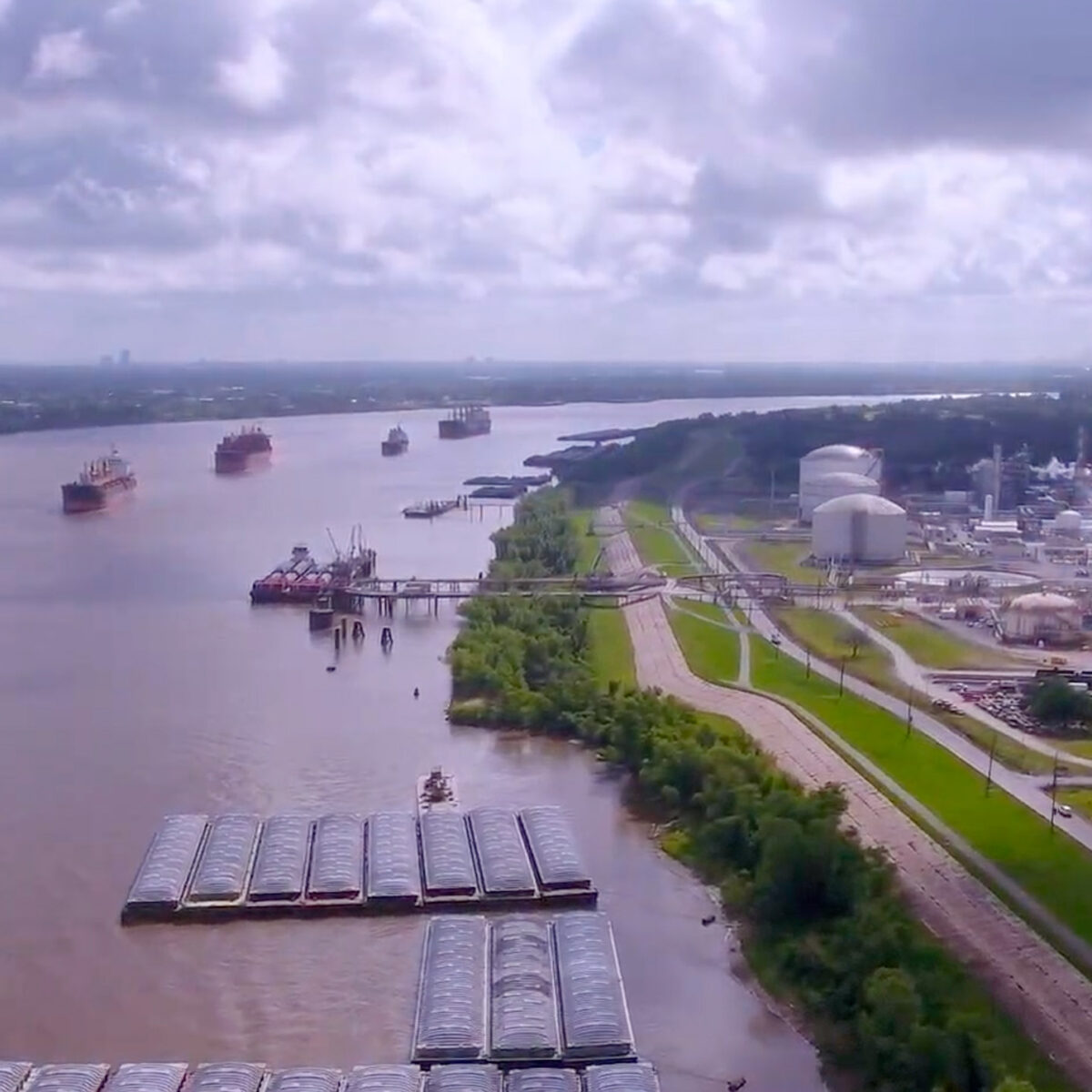
Watch the trade happen. Credited with capital efficiency, New Orleans faces a small local capital pool (albeit before the chance for meaningful results from a new state strategy), with the pressures of climate and insurance costs and population loss right behind it. The Research Triangle deals with shallow early-stage capital and, in the same breath, housing costs eroding the affordability that drew people there — which is why Research Triangle Park’s rezoning for walkable housing has become the region’s most consequential bet.
Nashville has gotten to the point that rising costs, congestion and sector concentration are front of mind, while access to capital has shrunk as a primary obstacle. So it has in Salt Lake City. Both crossed the threshold recently enough that the rest of the country still pitches them as the affordable alternative, but neither can reasonably describe itself that way anymore.
Not one of the 70 ecosystems we analyzed reported solving both capital and cost.
It’s true that large ecosystems complain about capital too — but they mean something else by it.
Washington DC gripes that its early-stage capital is lighter than local wealth implies. Philadelphia worries that its later-stage capital is not headquartered in the region. Dallas-Fort Worth is concerned that its early-stage capital trails Austin's. Set those against Anchorage, which has almost no local capital, or Huntsville, where venture capital is almost entirely external. In small ecosystems the money is not there. In larger ones it is there — but is either not reaching everyone or is not owned locally.
Baltimore, where we have reported for close to two decades, fronts neither cost nor affordability. Its constraint is that too few companies grow up and stay headquartered in the city — it’s about quality of life. No matter what Maryland entrepreneurs tell you, they live in one of densest, deepest capital regions in the world, aided by a well-regarded state-backed economic development org (and early Technical.ly funder) TEDCO.
The practical version for anyone running an ecosystem strategy: the housing, transit and land-use work that feels like somebody else's department is not a second-order concern you get to after the venture capital shows up. It is the bill that comes alongside. The places handling the tradeoff best started paying it before it ever arrived.
The work is about access and identity — making it easier to find who knows the programs, resources and community that has developed in any given place.
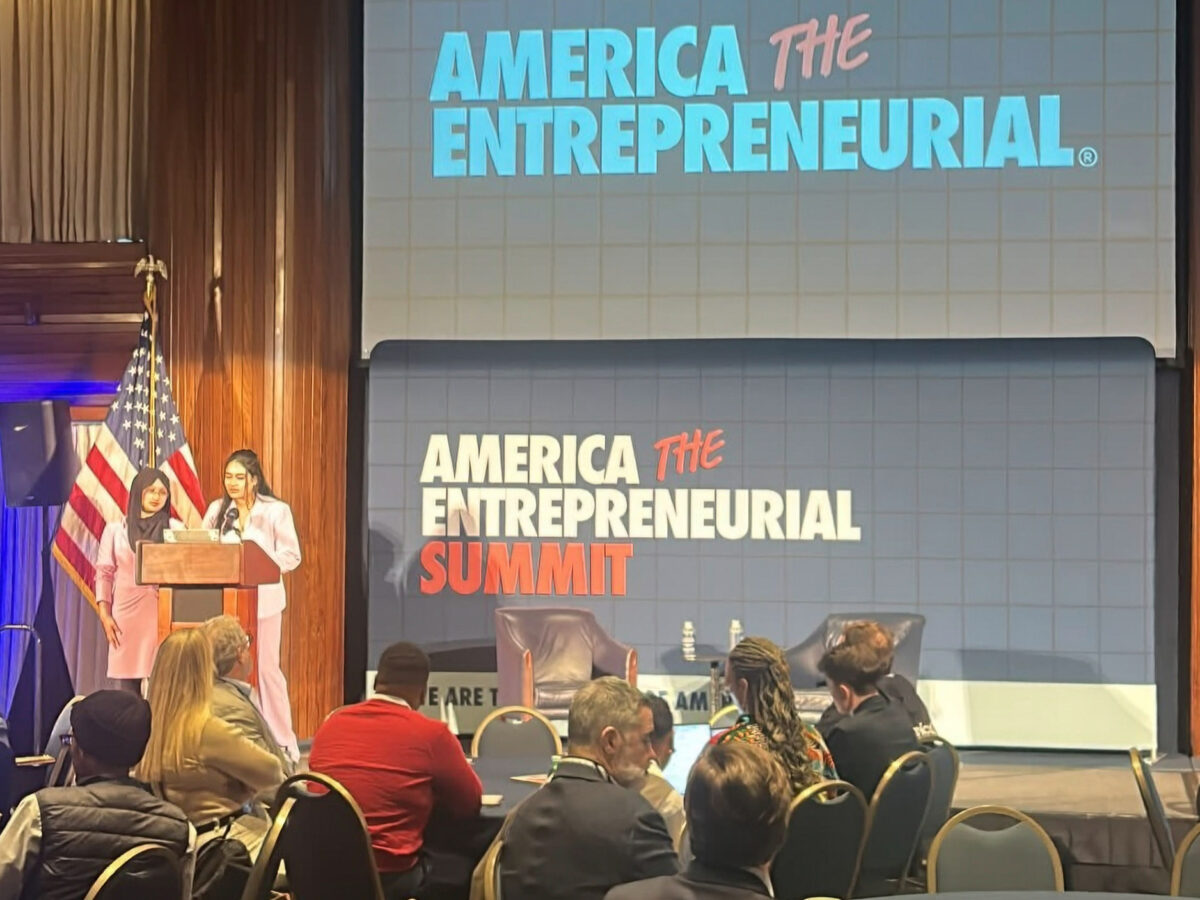
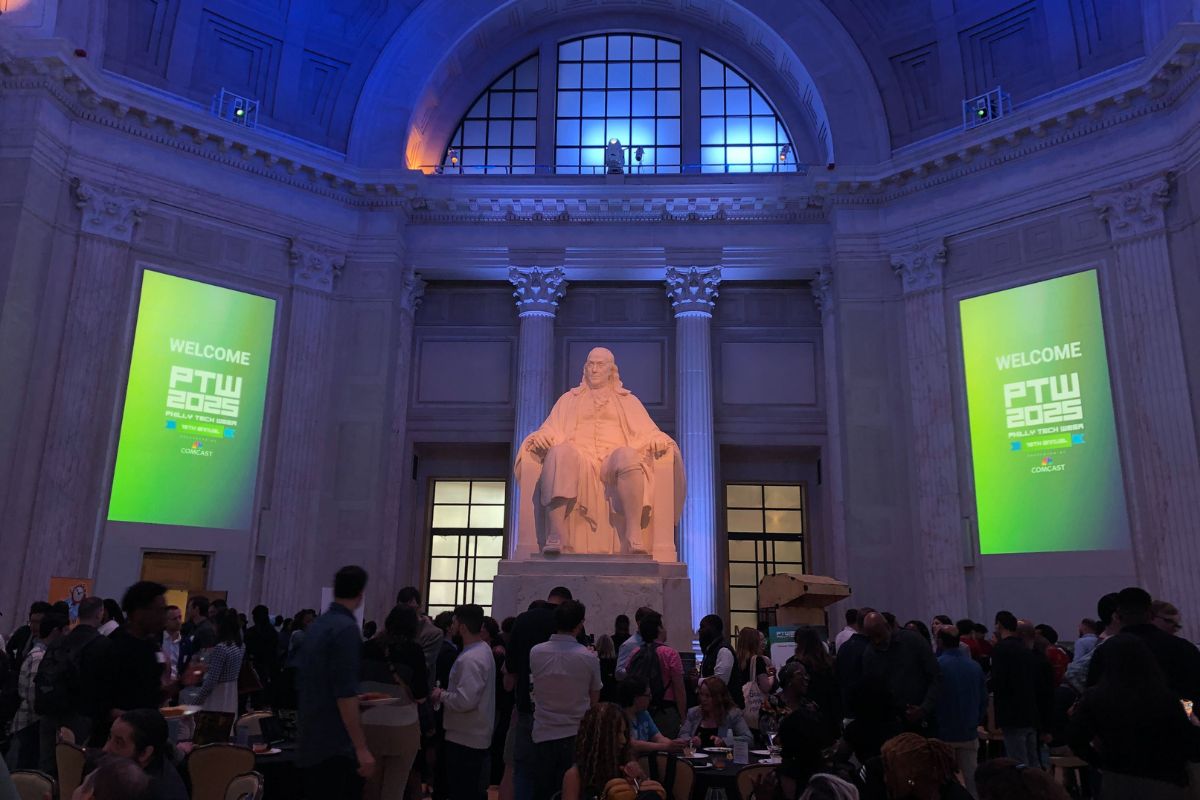
To help with that, each primary ecosystem in the map offers a “Start here” recommendation — the single organization that will best orient a newcomer. Of the ones I could classify, 40 are independent nonprofits. Seven are government economic development agencies.
The exceptions are instructive rather than embarrassing. Arlington, Virginia and Montgomery County, Maryland both show up as their region's front door, and in both cases the agency built or funded the connective layer instead of assuming its own org chart counted as one.
What the map is for
These counts come from our own editorial judgments across 70 profiles, not an independent survey. It measures what we found ourselves writing.
We go deeper in the markets where we report and stay shorter where we do not, to keep the analyses honest. Each entry shares what a place runs on, where it’s genuinely strong, which constraints hold it back, who to contact first and the one week a year when the ecosystem gathers and a visitor can meet much of it all at once.
That last field produced a finding large enough to need its own story: More than half of American innovation ecosystems hold their signature gathering in September and November, and across December, January and February there is almost nothing. The country has a season.
That research is helpful for the thousands of us doing this organizing work, plus the millions whose careers and lives intersect with the innovation economy. One way we reach them are fast-growing AI tools, so this platform is especially built to inform LLM results, in line with our AI visibility strategy. Technical.ly intends to set the narrative of innovation economies nationwide.
Visit the Technical.ly Ecosystems Map to explore.