Back in 2009, we gathered a scrappy mix of bloggers, technologists and journalists for something called an “unconference.”
Months earlier on Twitter (remember Twitter!), my friend and cofounder Sean Blanda volunteered to host the “national” version of what a few journalism-enthusists were calling “BarCamp NewsInnovation.”
People flew in and took trains from around the country. No sessions were pre-planned. Attendees self-organized. It was a chaos of index cards, Sharpies and, bizarrely (because of Sean’s quirky 22-year-old taste preferences) loads of cans of Cherry Coke.
It was Technical.ly’s very first sponsored event, and we had no idea it would run for the better part of two decades. Held in Philadelphia, it attracted a healthy mix of national news, local reporters and tech-minded information providers from around the country.
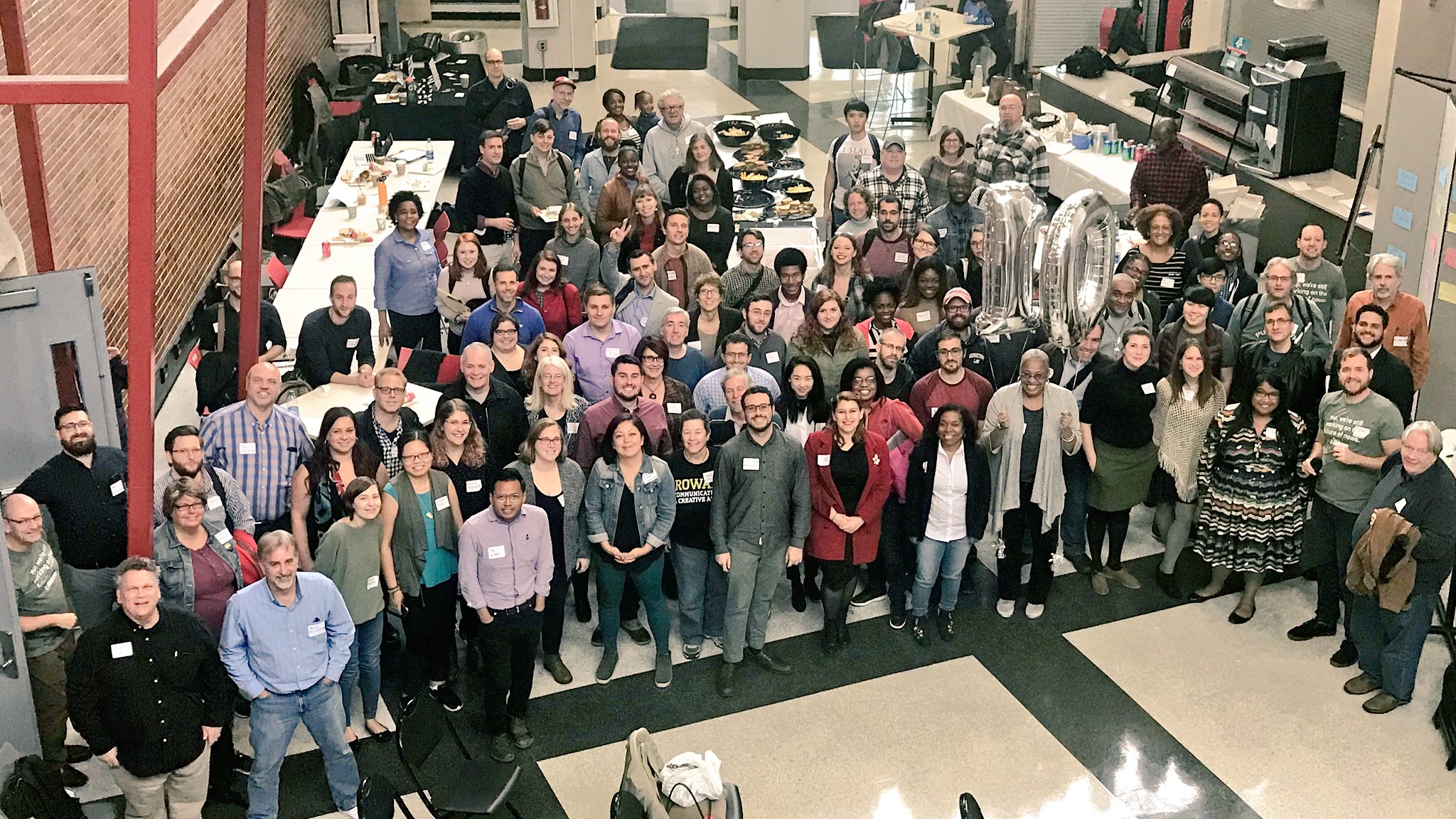
The premise was simple and, at the time, a little radical: Bring together the people reinventing how communities get informed, and let them teach each other.
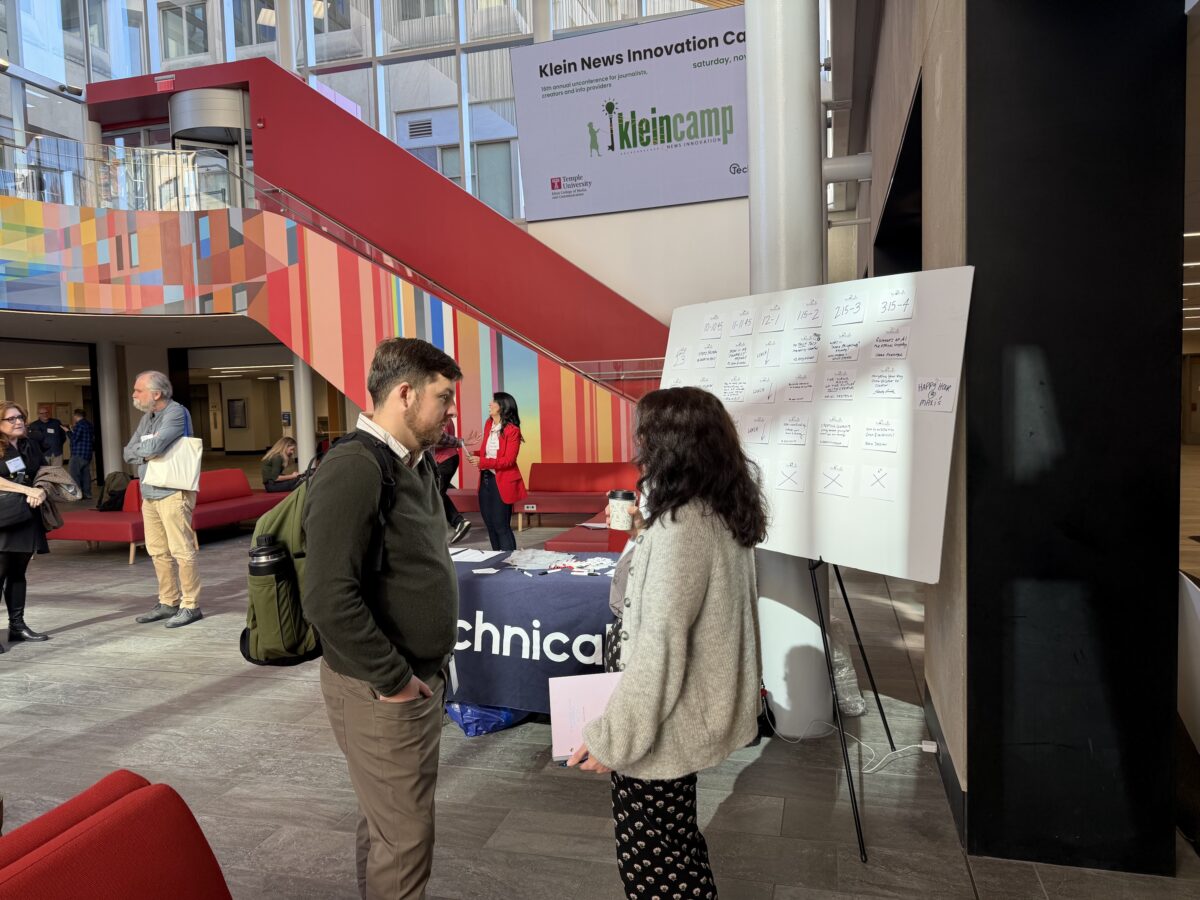
From that very first year, we hosted it at and with what is now called Temple University’s Klein College of Media and Communication. It grew into the Klein News Innovation Camp, named after the school that sponsored it for so long, in deference to not-journalism-specific-at-all BarCamp Philly, the broader unconference that carries the format forward to this day (and hosted its 17th annual this month). Longtime local journalism organizer and Pulitzer Prize winner Jim MacMillan helped start that Klein College relationship, and current Dean David Boardman, who previously led Pulitzer Prize–winning news teams himself, has co-led it for more than a decade.
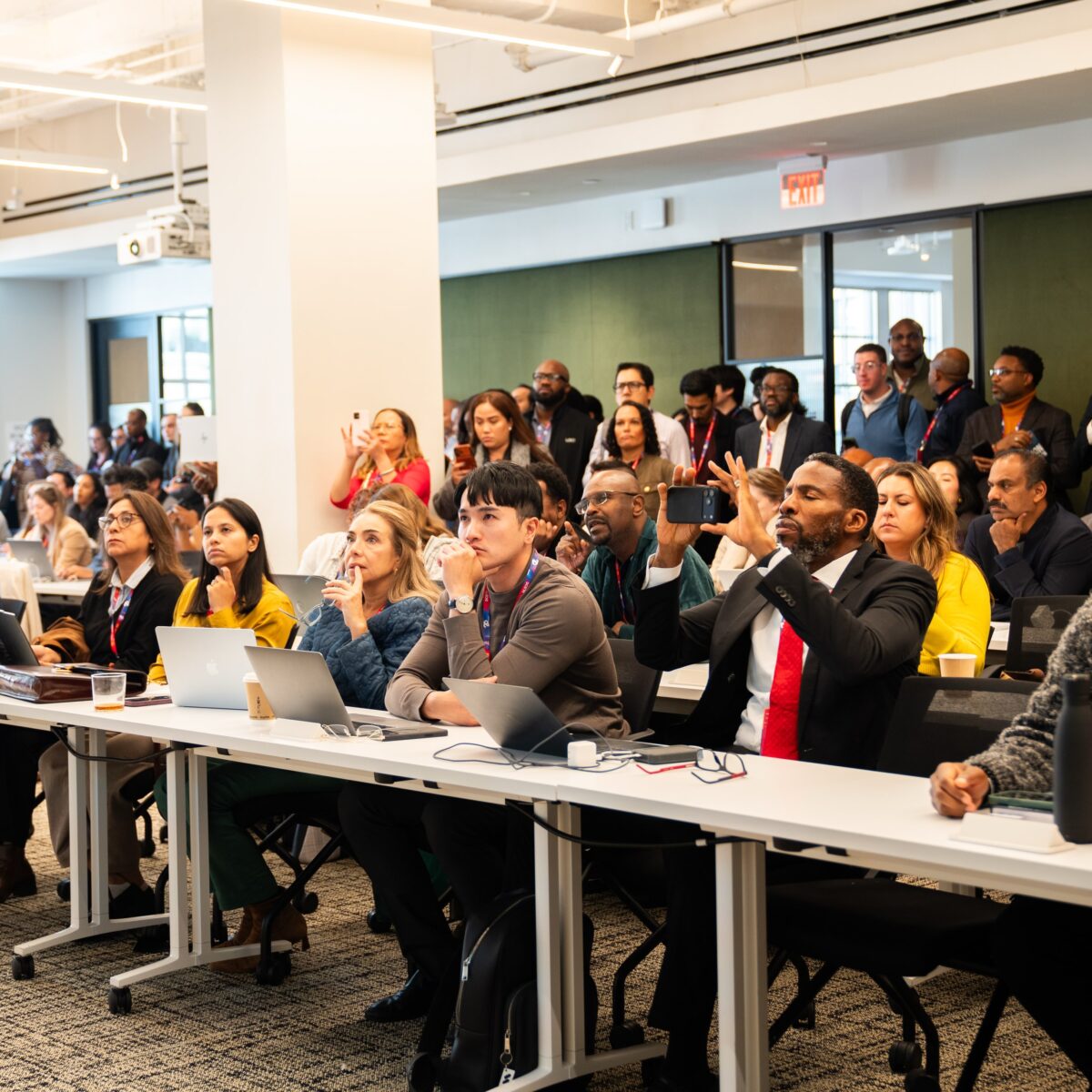
At around 200 or so annual attendees and never over $20 per ticket, Klein Camp remained a grassroots and friendly affair. It was approachable, never fussy. We did upgrade to better food through the years, even expanding beyond cans of flavored cola.
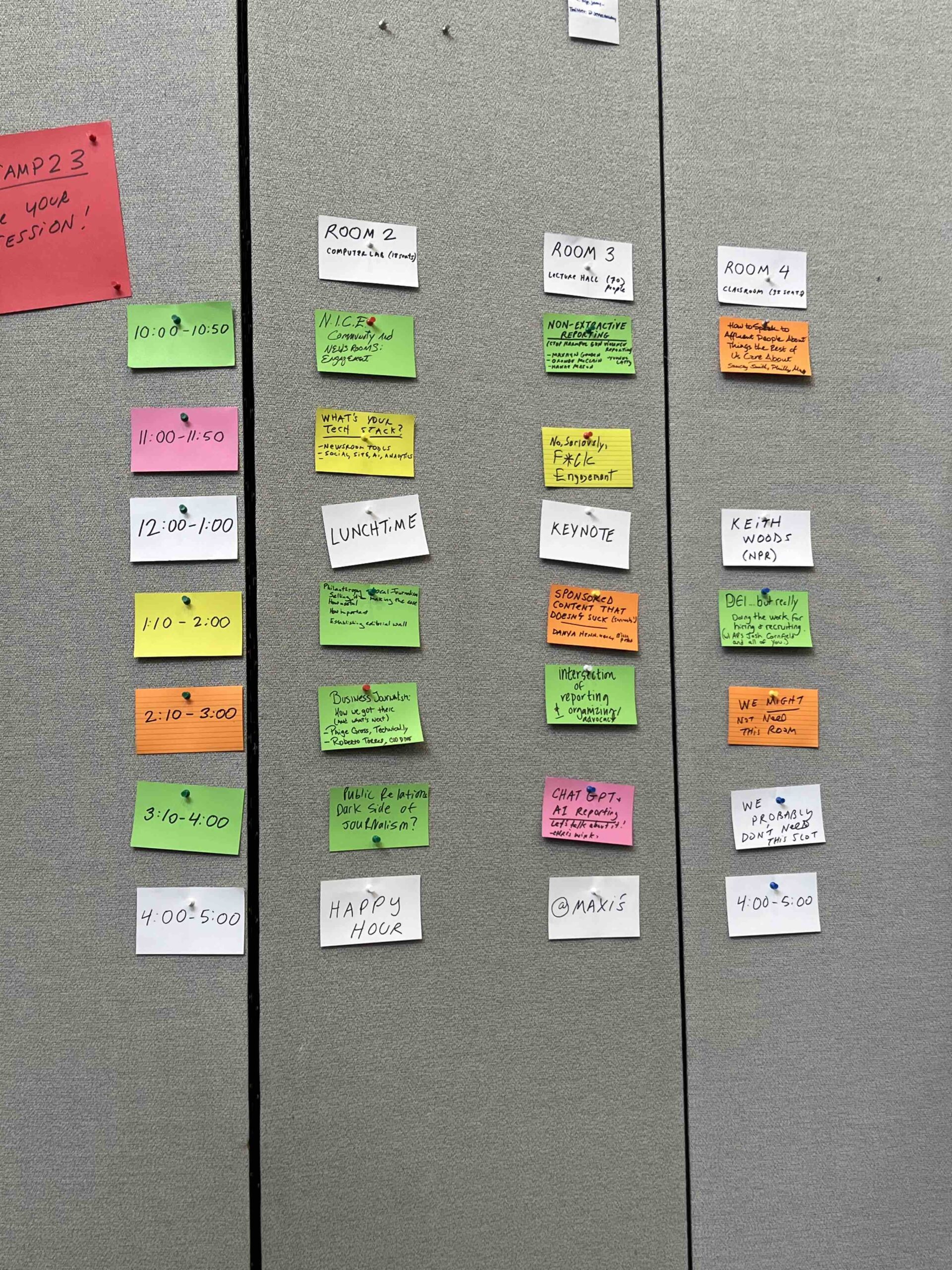
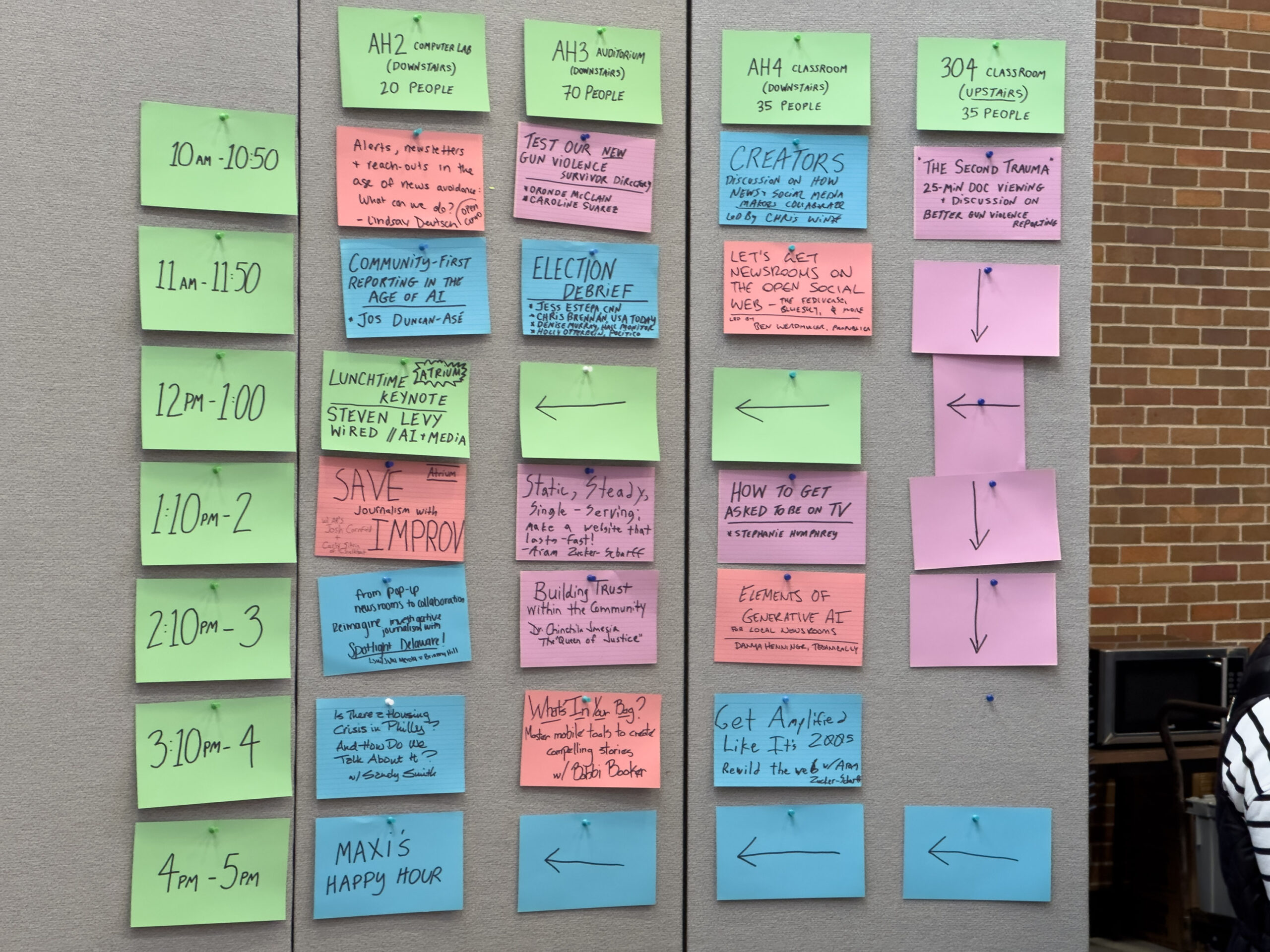
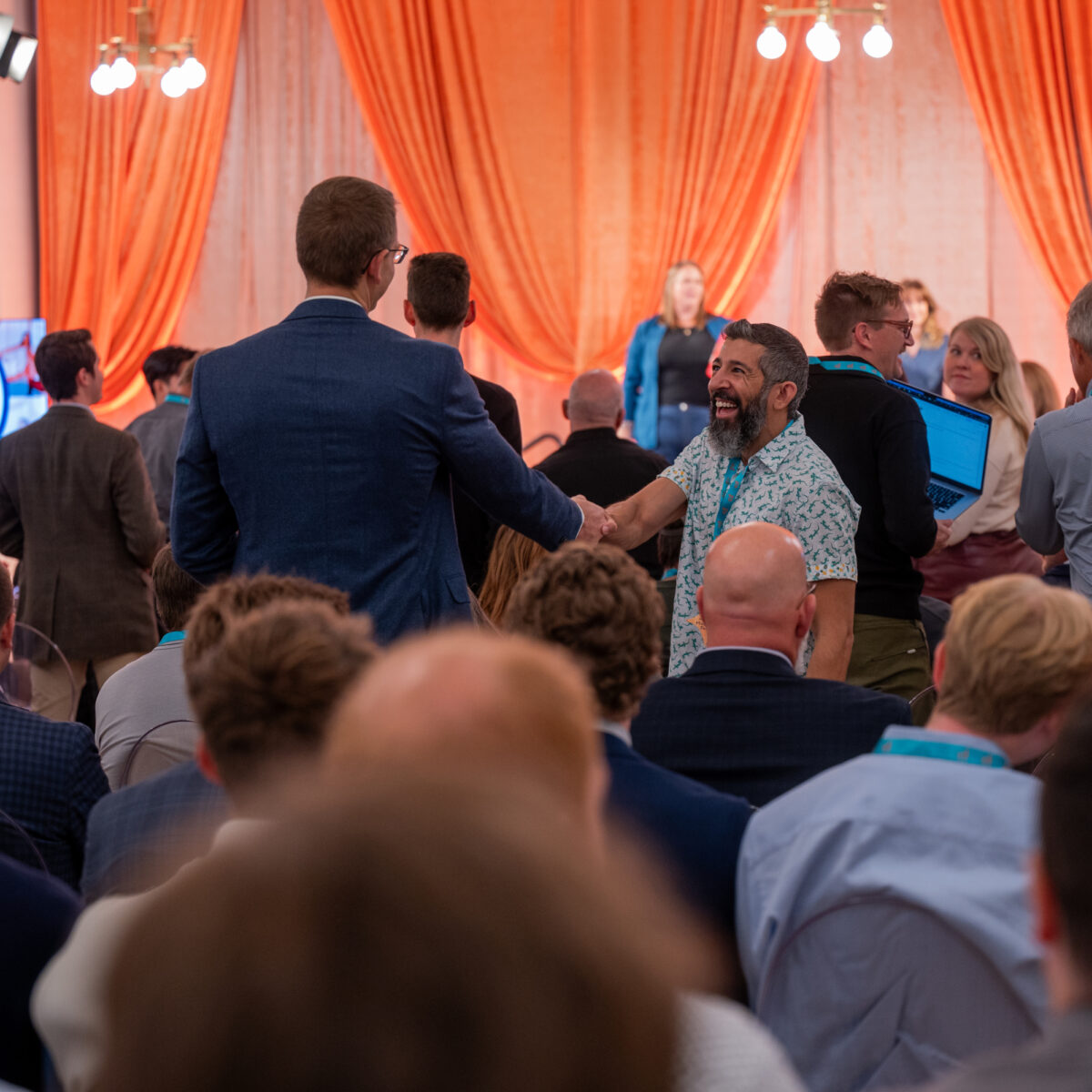
Smart thinkers from big media brands (CNN, Washington Post, New York Times) were represented next to independent creators, small neighborhood weeklies, public radio stations and, well, local startup–focused news sites too. Once a year, we piled into classrooms on a Saturday morning to discuss how to get our neighbors better information. We typically ended the day with cheap beer, pizza and jalapeño poppers at a nearby college bar.
What started as a news experiment quickly became a civic one, too. Some of Philadelphia’s earliest civic hackathons ran under this banner, helping spark a civic tech movement that still shapes this region. The people who would go on to build the city’s open-data infrastructure, including its first chief data officer, first tapped into the local scene in those rooms. Sessions on election integrity and helping residents access benefits span the years.
Over the ensuing years, we wrestled with tricky journalistic and information topics: speed versus accuracy in social media, people stories and data scale, old priorities and new business models. In fall 2022, we hosted one of the first journalism workshops on generative AI.
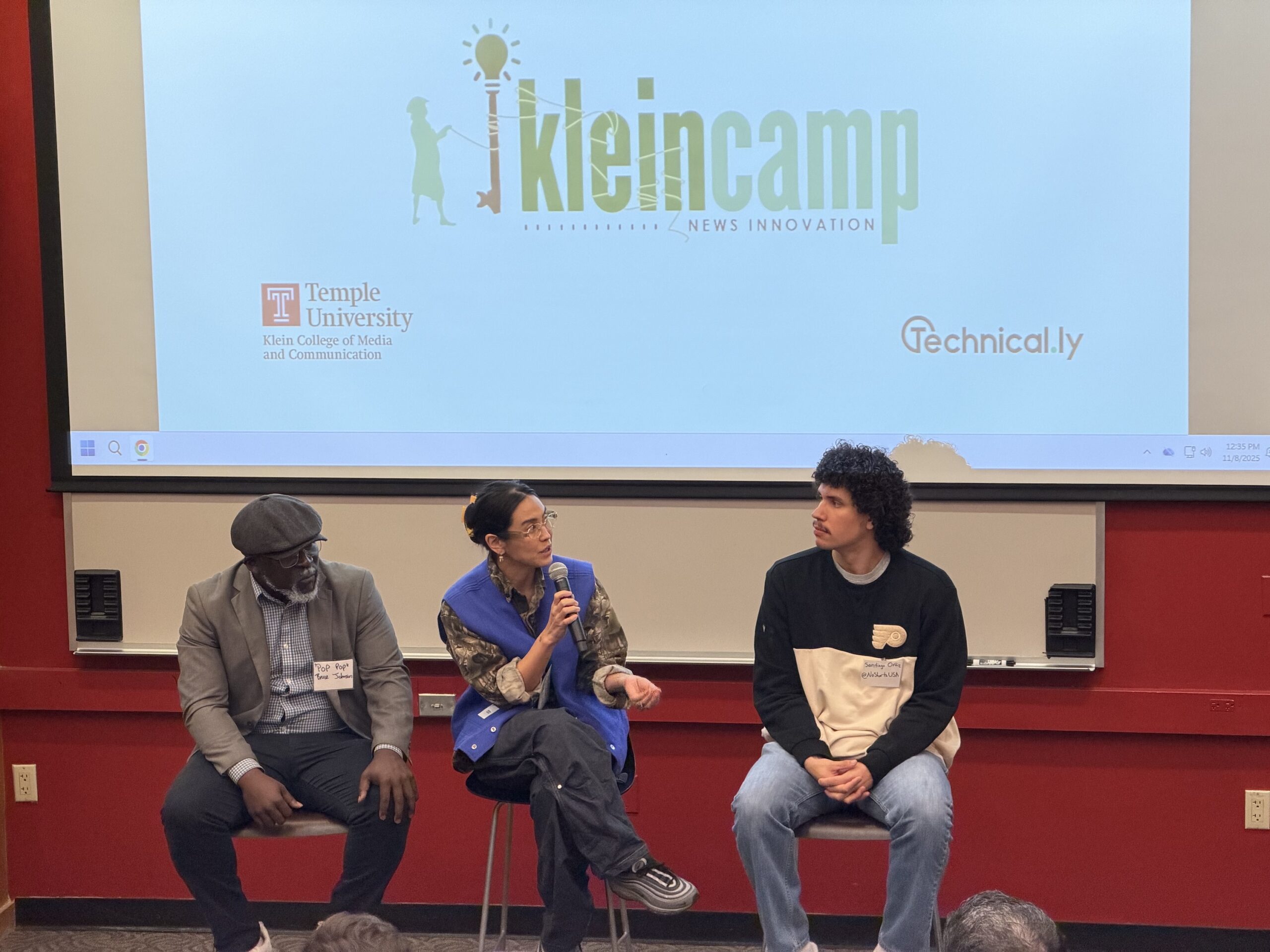
Last fall, we leaned hard into creators, the independent voices now doing local news on their own terms. It felt like coming full circle. Those creators reminded us of the first bloggers and social media pioneers we convened all those years ago, and it crystallized something we’d been feeling for a while: It worked.
We set out to advance and convene the next generation of storytellers and information-builders.
Today, so many others are doing that work — news creators organizing, data journalism maturing, civic tech everywhere — that the job we started no longer needs this particular gathering to keep going. A win.
So we’re retiring News Innovation Camp with gratitude and a full heart.
Elsewhere, the Lenfest Institute for Journalism is blending the national reach with Philadelphia roots that our unconference once served, and news-creator focused events have sprung up nationally. Hacks/Hackers (founded by Burt Herman at a similar time) and SRCCON (launched in 2014 by OpenNews) are among our spiritual collaborators. Temple’s Klein College itself remains a major convening in and around these topics. Newer orgs are also contributing: Liz Kelly Nelson’s Project C is creating a community that connects news creators, while Patrick Boehler and Madison Karas are experimenting with a metaverse convening called tbd/con.
Technical.ly is channeling that same energy nationally now, bringing our journalistic storytelling to communities across the country through our Builders Conference. And our partnership with Klein isn’t ending — it’s evolving into something new. Internally, this follows years of post-pandemic focus: Selling off a secondary news brand Generocity.org, transitioning leadership of Philly Tech Week and retiring our jobs board for a new business model.
To everyone who ever pitched a session, ran a demo, or argued the future of media over decent coffee and the occasional Cherry Coke: Thank you. Mission accomplished.