DC is funding six new startup accelerator cohorts, including an effort to launch five life sciences companies, as it expands support for entrepreneurs building businesses within city limits.
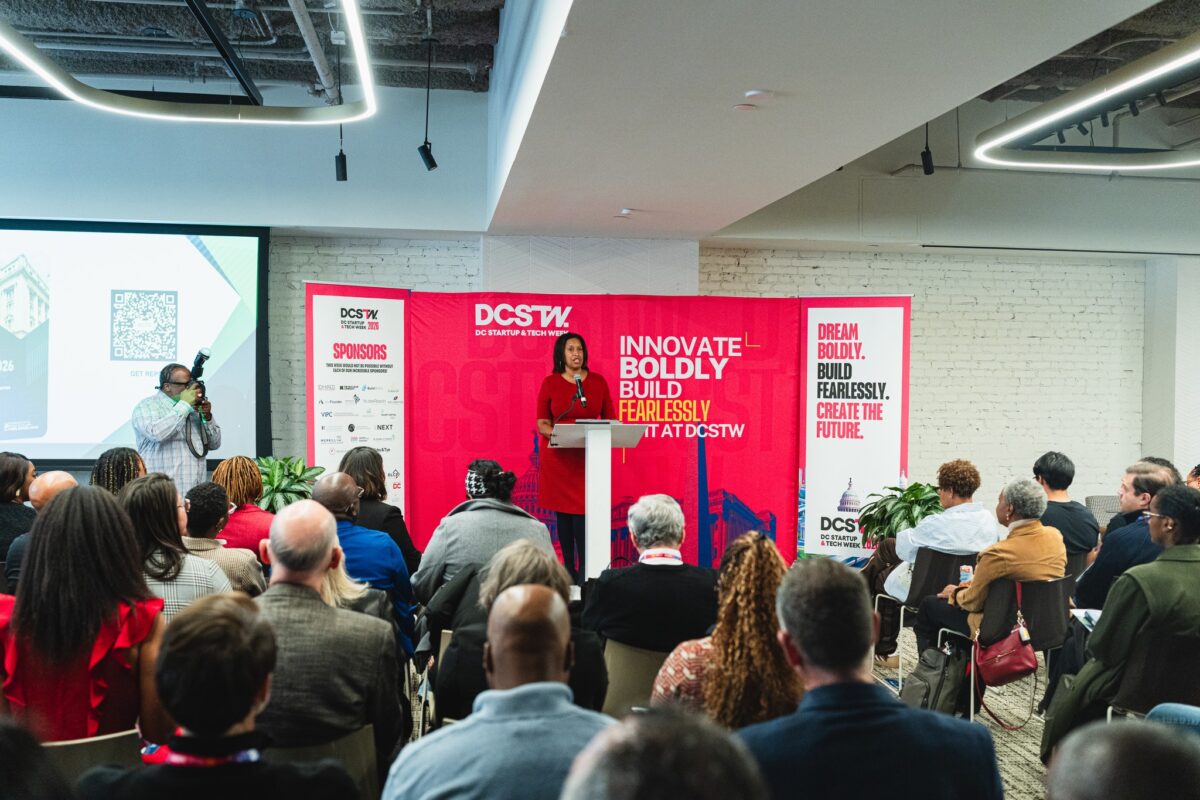
Speaking on the first day of DC Startup and Tech Week, Mayor Muriel Bowser announced $2 million in grants for three support organizations via the city’s new Technology Ecosystem Fund. She additionally detailed seven new direct startup investments totaling $3.15 million through the DC Venture Capital Fund.
“To grow our economy, we must invest in the people and businesses creating good-paying jobs for DC residents.”
DC Mayor Muriel Bowser
“To grow our economy, we must invest in the people and businesses creating good-paying jobs for DC residents,” Bowser said, according to prepared remarks. “Investing in DC’s startup and technology ecosystem will help turn great ideas into successful businesses, attract private investment, and create more opportunities for DC residents.”
Putting these capital awards in context, the mayor also released a report outlining the city’s tech economy, from workforce development to gaps in startup financing.
The announcements advance a strategy city leaders have been pitching for years: Turn DC’s research institutions, talent and federal connections into more companies that grow and stay here.
There’s plenty of investment nearby, but it isn’t spread evenly. Companies across the DC region raised $1.4 billion in the third quarter, according to the latest PitchBook Venture Monitor report. The 10 largest deals captured nearly 80% of that money.
The regional spread is also uneven. Bowser’s new State of DC Tech report highlighted how much regional investment lands outside city limits: DC companies raised $861 million in venture capital in 2025, it said, roughly one-sixth of the DMV’s $5.4 billion total.
Public-private investment at the pre-seed stage
The latest DC Venture Capital Fund investments went to businesses working in AI, cybersecurity, aerospace and energy. Two of the startups are still in stealth, Bowser said, according to the Washington Business Journal, which reports the other five as:
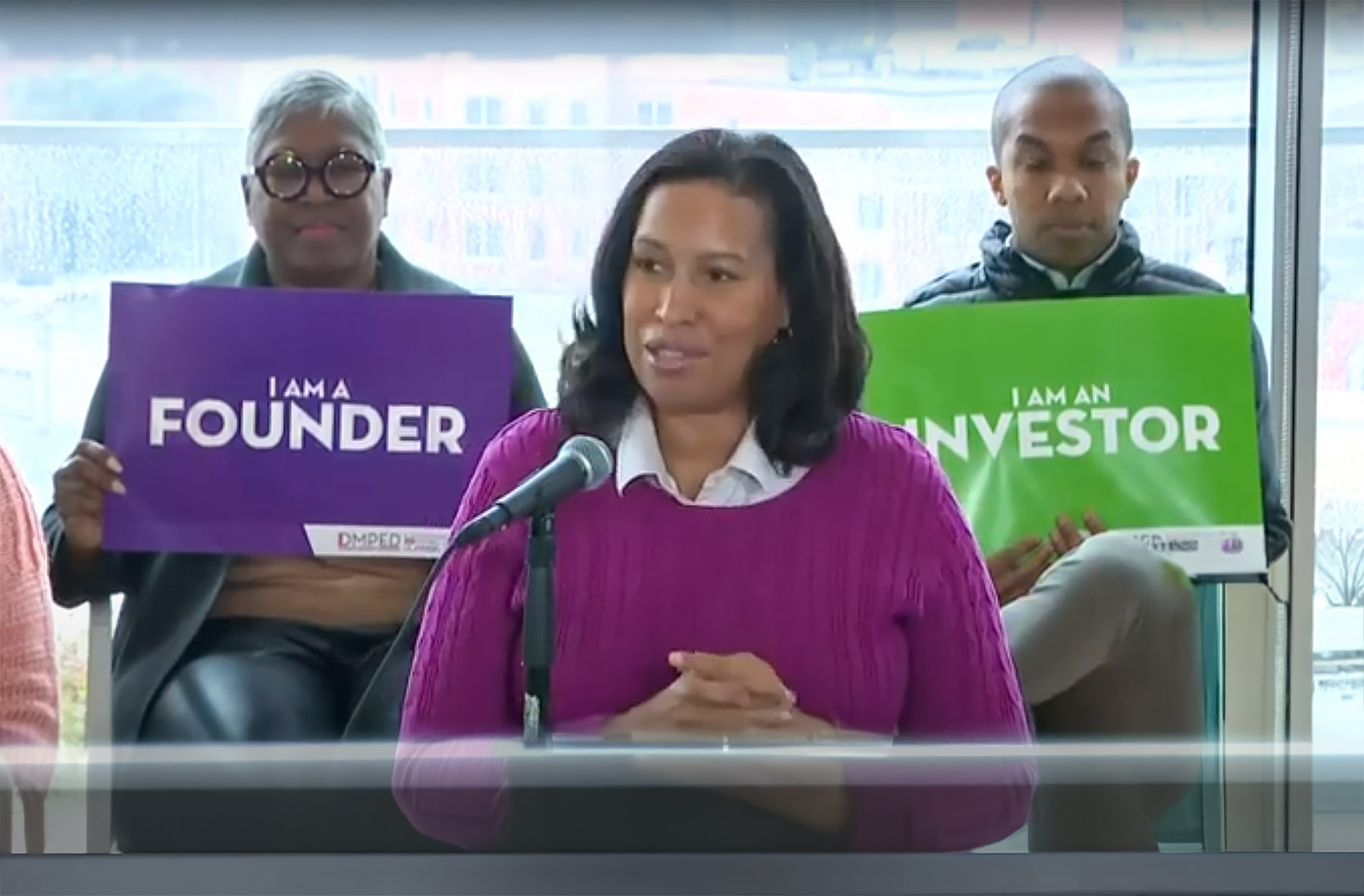
The city launched the $26 million fund in December 2024 with funding from the US Treasury’s State Small Business Credit Initiative. Private investors must match the public investment at least dollar for dollar, bringing the minimum combined pool to $52 million.
The program was designed to prioritize underrepresented founders and generate returns that could be reinvested into future companies. Its geographic focus was explicit from the beginning: attracting capital to DC proper, even though the DMV is often discussed as one startup ecosystem.
“Notice I say DC,” Bowser said at the launch.
DC launches city-backed $26M venture fund for early-stage startups
The program will be facilitated by K Street Capital, which is currently recruiting fund managers and targeting investment before the end of 2025.
A year later, the city selected its first fund managers: San Francisco’s Hustle Fund and New York City’s Lytical Ventures, working with DC-based K Street Capital.
K Street oversees the program, while the two fund managers make investment decisions with final approval from the district.
Where the accelerator and venture studio grants will go
The inaugural Technology Ecosystem Fund awards will support programming led by New Majority Ventures, SOAR Bio and Plug and Play.
City lawmakers approved funding for the program in the fiscal year 2026 budget, setting aside $2.4 million for entrepreneurial programming.
New Majority Ventures, founded by longtime investor and entrepreneur Melissa Bradley, will receive $600,000 for two accelerator cohorts serving 55 DC-based companies. Participants will get mentorship, business development resources and connections to help grow their businesses.
Related
DC accelerators and workforce development orgs eligible for $2M in grants
The Technology Ecosystem Fund hosted by the city is looking for entrepreneurial support groups working in high-growth industries. Complete the eligibility form by Friday.
Bradley’s organization previously operated as 1863 Ventures. In early 2025, the firm shifted toward sharing its entrepreneurial curriculum with other organizations to reach more historically underrepresented founders. That curriculum covers subjects including marketing, finances and fundraising.
Another $600,000 will go to SOAR Bio, which will expand its venture studio at the Children’s National Research and Innovation Campus. Venture studios help build companies, including assembling the people and resources needed to turn research into a business.
The award will support the incubation and launch of five DC-based life sciences companies, along with training for executives and researchers and university partnerships to commercialize emerging technologies.
Plug and Play, a global accelerator operator that launched its DC program in November 2025, will receive the largest award of the round, $800,000, to operate four cohorts over two years. Each will focus on a priority technology sector. Participating companies will receive free office space in the Golden Triangle Business Improvement District and access to the organization’s worldwide network of advisors and investors.
When the fund opened applications in April, Adam Lattimore, director of technology and innovation at DC’s Office of the Deputy Mayor for Planning and Economic Development (DMPED), told Technical.ly that awards could cover expenses like rent and operations. Applicants also needed to demonstrate matching funding and a track record of successful programming.
A regional tech economy, a smaller share for DC
The State of DC Tech report estimates DC’s 2025 tech workforce at roughly 51,000 jobs and projects growth of 7.9% through 2028.
That growth figure is a projection that would reverse a trend. Tech employment across the broader DC region declined between 2024 and 2025 as federal layoffs and other government actions disrupted the local economy, Technical.ly reported last January.
In life sciences, the report calls for closing the gap between institutional research and commercial businesses. SOAR Bio’s planned company launches are one effort to do that.
The report also notes a shortage of Series B and Series C capital, the growth-stage funding businesses seek as they expand.
Bowser has long positioned tech as part of the answer to the city’s dependence on federal employment. At a Georgetown University summit in February 2025, she described entrepreneurship and investment as tools for building a more self-sufficient local economy.
Much of the new programming will unfold under her successor. Bowser is not seeking reelection, and her term ends in January 2027.
The administration has already outlined how it intends to evaluate the ecosystem grants: jobs created and companies establishing themselves in DC, DMPED’s Lattimore told Technical.ly in April.
The goal includes “making sure that they’re here,” Lattimore said, “and they have the ability to scale.”