Philly’s life sciences community is seeing wins this fall, including a major deal for a local startup.
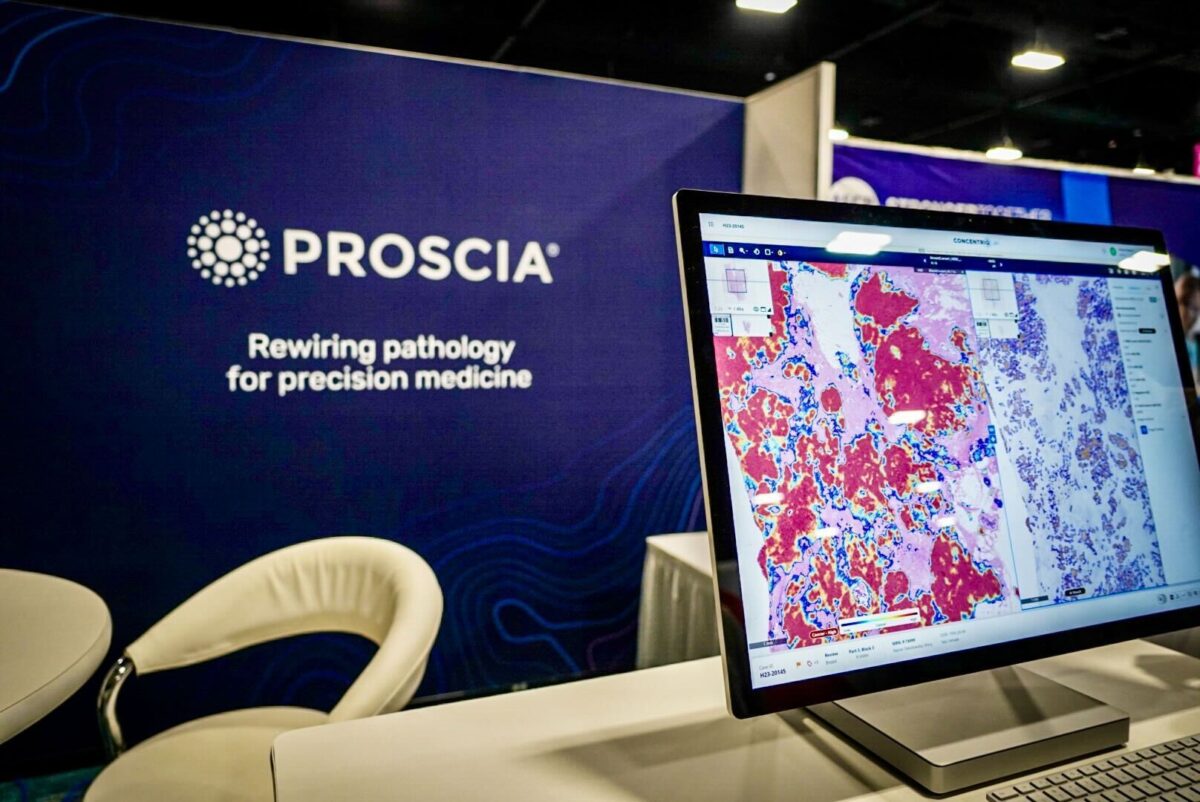
Digital pathology company Proscia agreed to be acquired by Agilent Technologies for $240 million.
Plus, the Small Business Administration selected the Science Center for a $1 million grant to connect biomanufacturing resources in the region.
Other sectors within Philly’s tech community are also seeing financial support. The Pew Center for Arts and Heritage donated $90,000 to a gaming exhibit at Drexel University this fall.
Scroll down for all the details and more Money Moves.
Agilent to acquire Proscia in $240M deal
Local digital pathology company Proscia last week announced that it entered a definitive agreement to be acquired by global lab technology company Agilent Technologies.
The deal is worth $240 million in cash, with the potential for an additional $30 million if certain milestones are met.
Until the deal closes in fiscal year 2027, it’s too early to say exactly how Proscia’s approximately 100-person team will mesh with Agilent, according to David West, cofounder and CEO of Proscia. However, the acquisition is just as much about merging products and market presence as it is about talent.
“We’re going to continue looking for great talent in Philly.”
David West, Proscia
“We’ve got a great nucleus of talent here,” West told Technical.ly. “We’ve also got people all over the world. We’re going to continue looking for great talent in Philly, and creating a culture that is great for our people here.”
Proscia and Agilent had an existing relationship, including a 2022 distribution agreement that combined their products to create a new diagnostic pathology system, West said. Agilent develops lab instruments for diagnostics, while Proscia provides software to support those tools.
“We’re going from this partnership model to [being] a part of the same company,” West said. “That gives us more scale, allows us to execute faster and also brings different capabilities that we don’t have.”
The timing of the move made sense because of both the state of the industry and Proscia’s scale, West said. The company had hit revenue goals that made it attractive to companies like Agilent.
Over the last decade, scientists and healthcare workers have become more open to digital pathology. Advances in AI and drug development make Proscia’s tech more enticing, he added.
West founded Proscia in 2014 as a biomedical engineering student at Johns Hopkins University. The company moved from Baltimore to Philly in 2018 to access more talent, West previously said.
Science Center gets $1M to launch biomanufacturing cluster
The Science Center received $1 million from the US Small Business Administration (SBA) to establish the Mid-Atlantic Biomanufacturing Scale-Up Cluster.
The money will support the Science Center’s programming related to the industry, which uses microorganisms or cells to grow or make products. The effort will connect related resources in Pennsylvania, New Jersey, Delaware, Maryland and DC.
“We’re really looking to navigate the biomanufacturing ecosystem on behalf of businesses to help them more readily access what is already there,” Heath Naquin, senior vice president of innovation and new ventures at the Science Center, told Technical.ly.
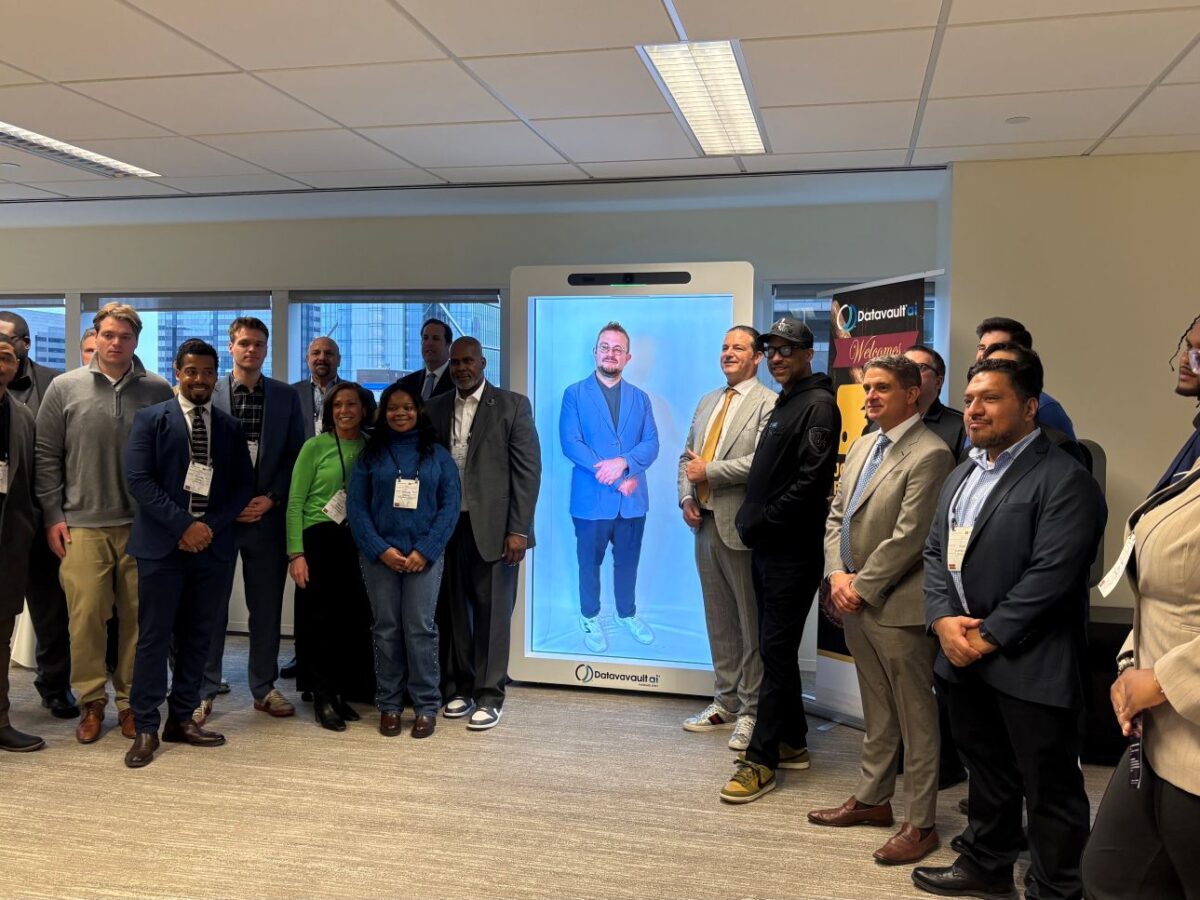


The initiative will be similar to its Capital Readiness Program, which prepares startup founders for fundraising. Funding from the SBA will support the Science Center’s efforts to educate early-stage companies about what they need to do to get ready for manufacturing and connect them with experts in the space.
The cluster will also help midsize companies make connections in the domestic manufacturing sector, according to Naquin.
Programs will be open to companies from across the country. The Science Center is focused on drawing attention to resources in the Greater Philadelphia region and creating lasting economic development opportunities, Naquin said.
“If we’re able to help, in some way, bring a company from wherever to establish their biomanufacturing facilities here,” Naquin said, “that goes to create jobs, that goes to create other things, that’s a win.”
This funding comes from the SBA’s Regional Innovation Clusters program, which selected nine orgs across the country this cycle to receive grants totaling more than $7 million. The sectors range widely from defense to transportation, aiming to connect entrepreneurs with applicable resources.
Drexel opens interactive gaming exhibit with $90k grant
A new video game-focused exhibit opened at Drexel University last week thanks to a $90,000 grant from the Pew Center for Arts and Heritage.
The interactive exhibit features games and displays from artists, historians and designers that explore the culture and community around gaming, co-organizer Christopher Grant told Technical.ly.
“Having a space to enjoy and share in what is often a very isolated hobby or isolated interest,” Grant said, “being able to share that in person with people is just very unusual.”
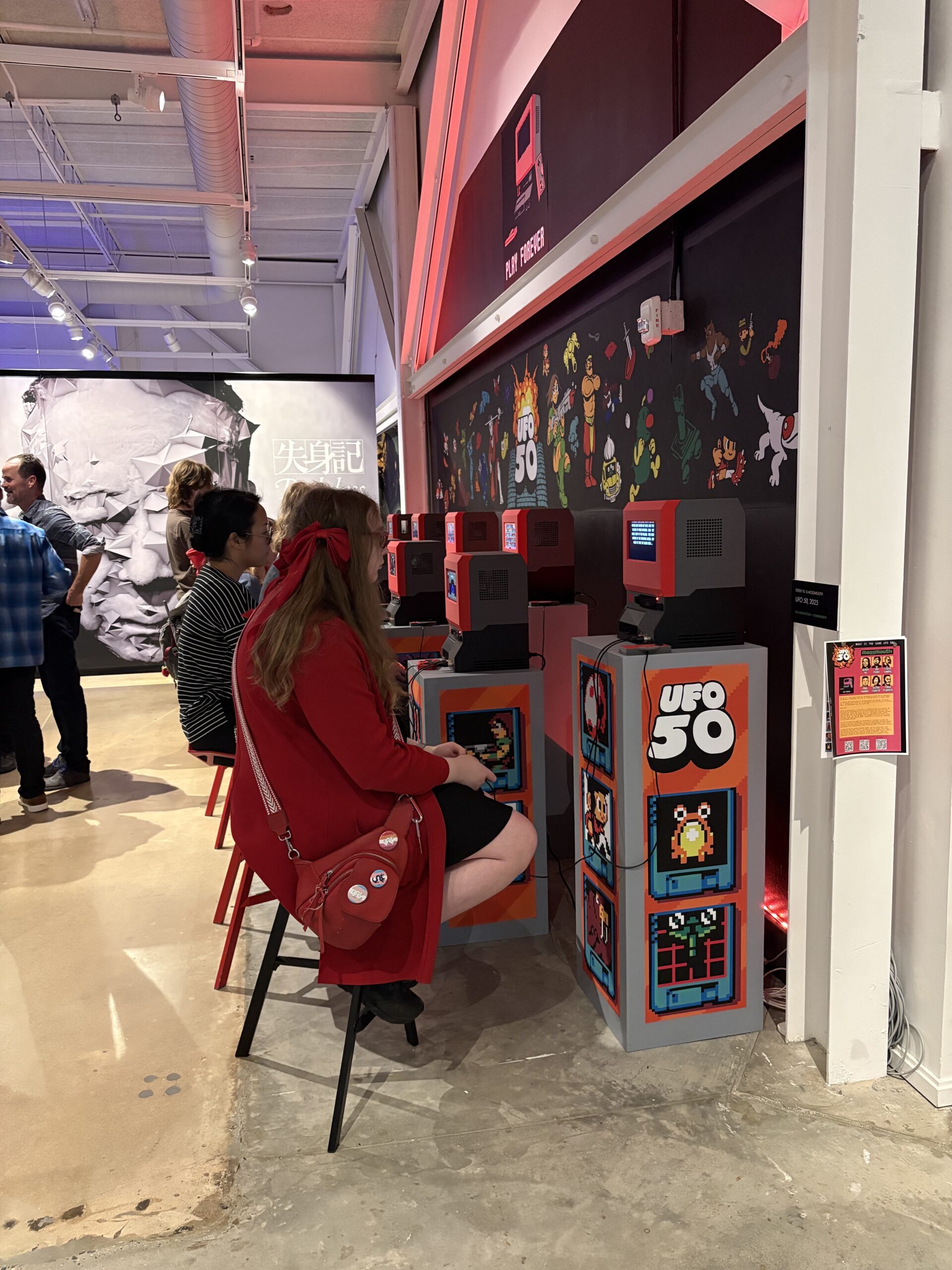
Some of the exhibit’s displays include a timeline of queer gaming history put together by local Temple University and Drexel professors and a virtual reality experience based on Taiwan’s period of martial law.
The group aims to challenge people’s existing ideas about gaming.
“Especially for folks who maybe don’t think of it as something that would fit into a traditional art gallery,” Grant said, “that they might be pressured to reexamine that bias and why they think of it.”
More money moves:
- Two global pharmaceutical companies announced plans to expand operations in Montgomery County. Merck last week pledged a $2.9 billion investment to expand research and development and manufacturing. In early October, GSK revealed plans for an $800 million expansion in Upper Merion Township, which it says would create 300 new jobs over the next five years.
- West Chester-based medical device company Centinel Spine filed for an initial public offering. This would be the first local life sciences IPO in two years, the Philadelphia Business Journal reported.
- Philadelphia Youth Basketball established a new $50 million workforce development project last month. Called the Generator of Career Development and Economic Opportunity, the initiative will connect young adults with opportunities in the skilled trades, construction, technology, healthcare and entrepreneurship.
- The University of Pennsylvania’s Graduate School of Education received a $3 million donation to fund a scholarship for students in its education entrepreneurship program.
- Celsius Companies, an energy startup launched by former University City District president Matt Bergheiser, secured a seed investment from Spring Point Partners. The company did not disclose the funding amount.
- Poppins, an AI platform for parents, raised $2.65 million according to an SEC filing.