Johns Hopkins Health System is piloting a new way to reduce medical waste: recycling used supplies instead of sending them to the landfill.
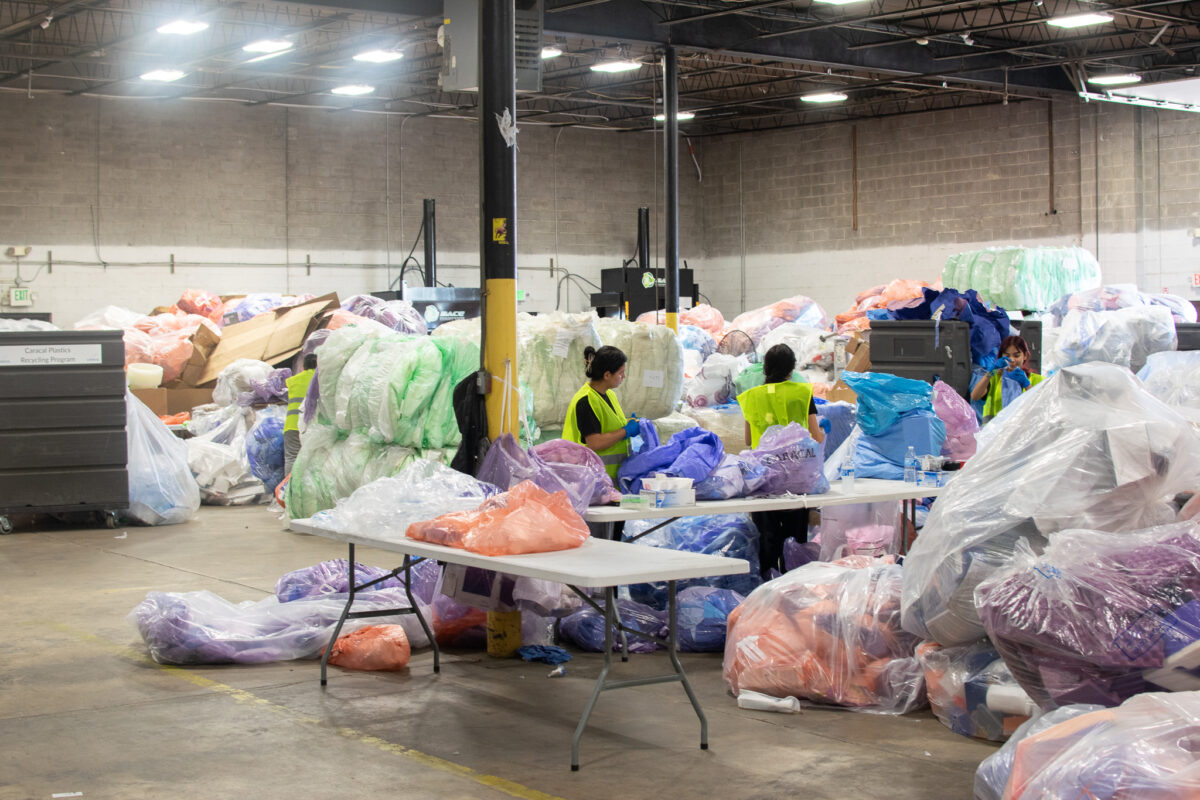
No, that doesn’t mean doctors are reusing gloves, gowns or masks on other patients. In partnership with Detroit-based Caracal, the discarded items will be sorted, processed and sent off to have a second life instead of being thrown away.
“We’re doing our part to take their stuff,” Caracal senior vice president of sales Matt Bajorek said, “and reuse it in the market.”
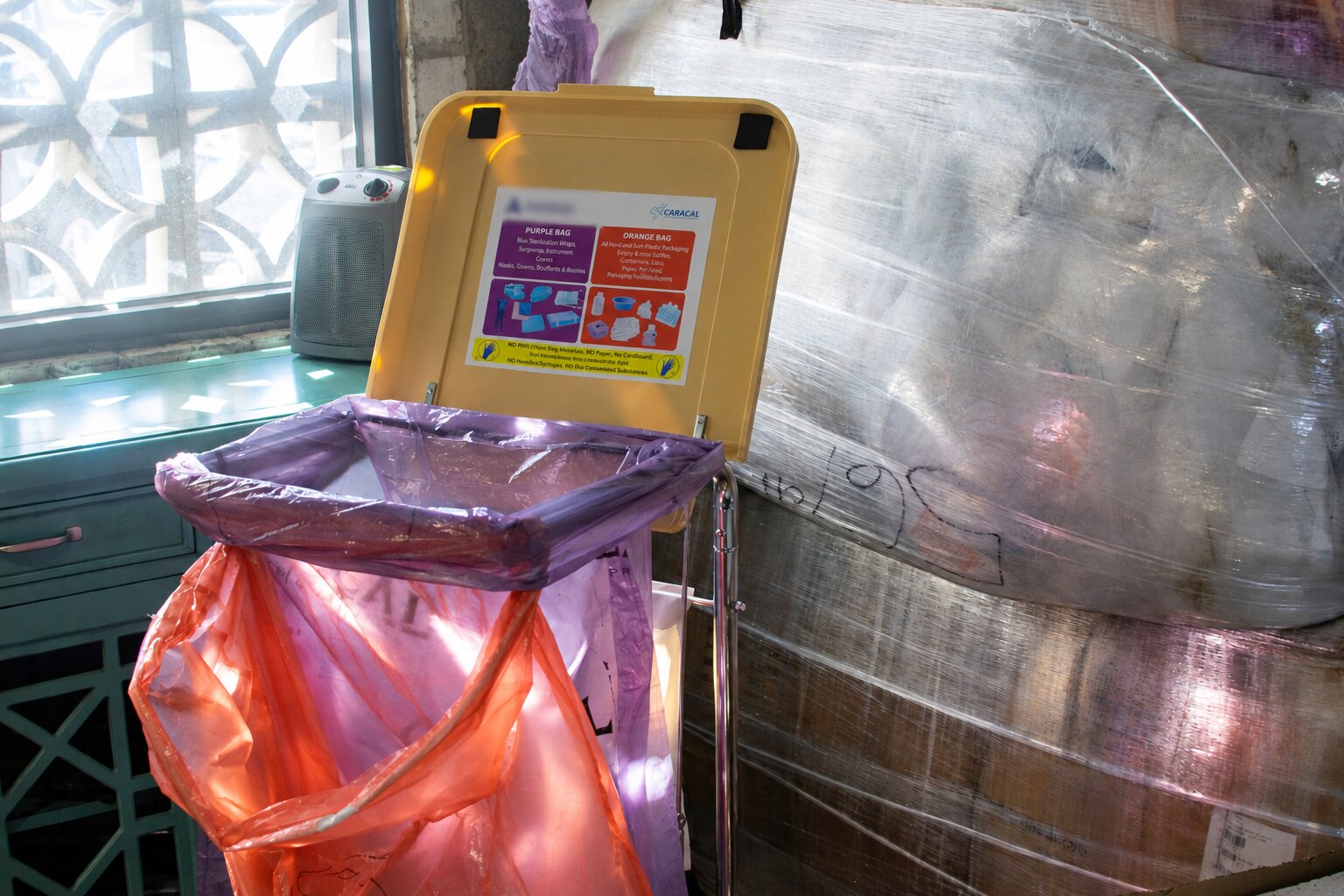
Johns Hopkins healthcare workers will now see two types of discard bags in the operating room. Doctors and nurses will sort protective wear into one bag and supply packaging into the other, and Caracal’s crew will handle sorting at its regional hub, according to Bajorek.
Little public information exists about Hopkins’ previous recycling habits for these types of waste. Recent documented efforts include a 2024 decision to terminate a contract with a controversial medical incinerator company and a 2025 pilot to recycle single-use airway equipment. The university declined to further clarify past practices.
From medical waste to new products, with little left for landfills
At Caracal’s center in Lansdowne, a large machine condenses the material into dense cubes. Truckloads of bales head to another facility to be melted into small plastic pellets, which can be used for new consumer and healthcare products.
Oftentimes, those pellets go back to healthcare manufacturers, creating the same medical products all over again, Bajorek said. Caracal tries to find a home for as much waste as possible, even if it’s out of the hospital setting.
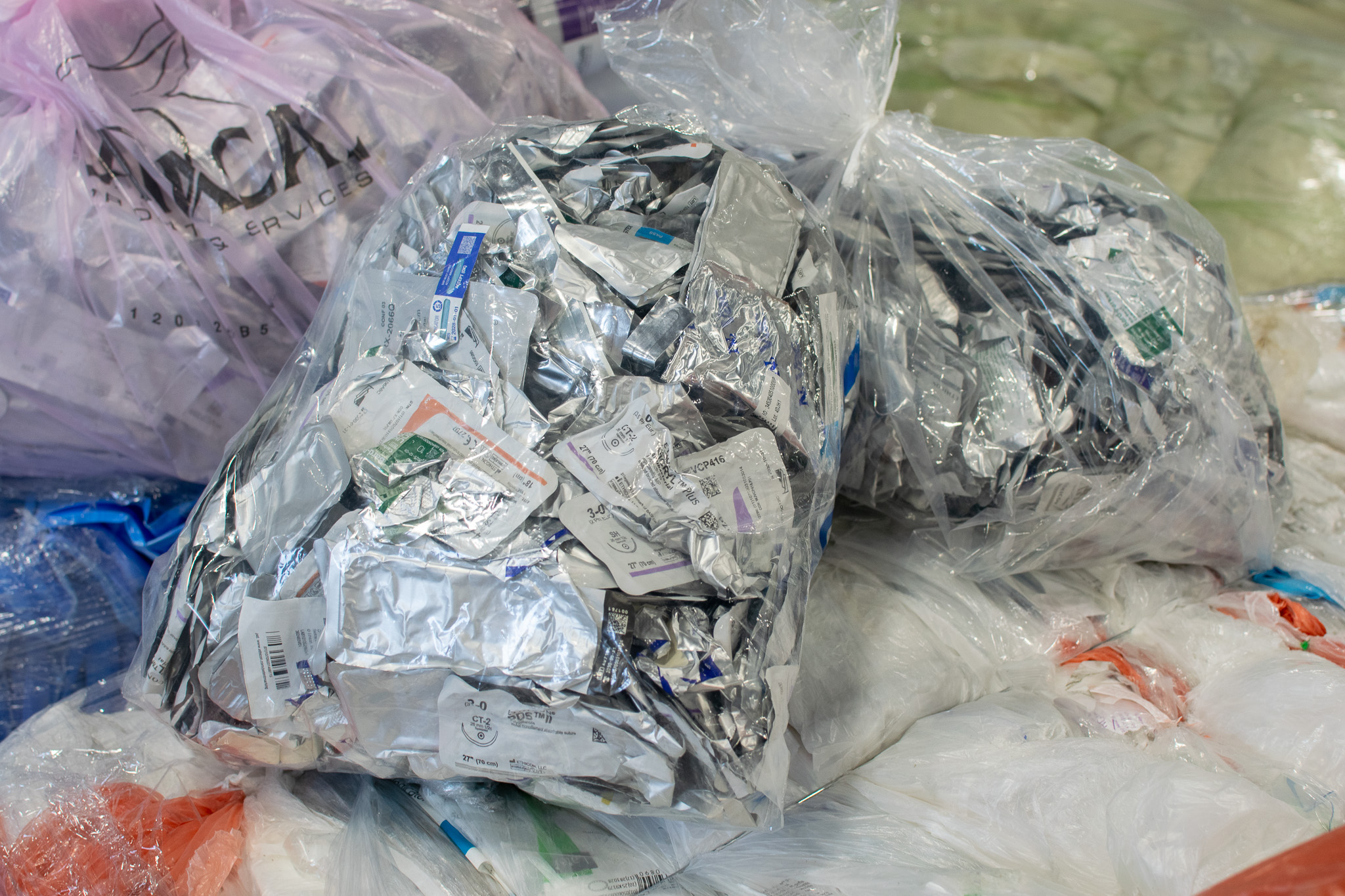
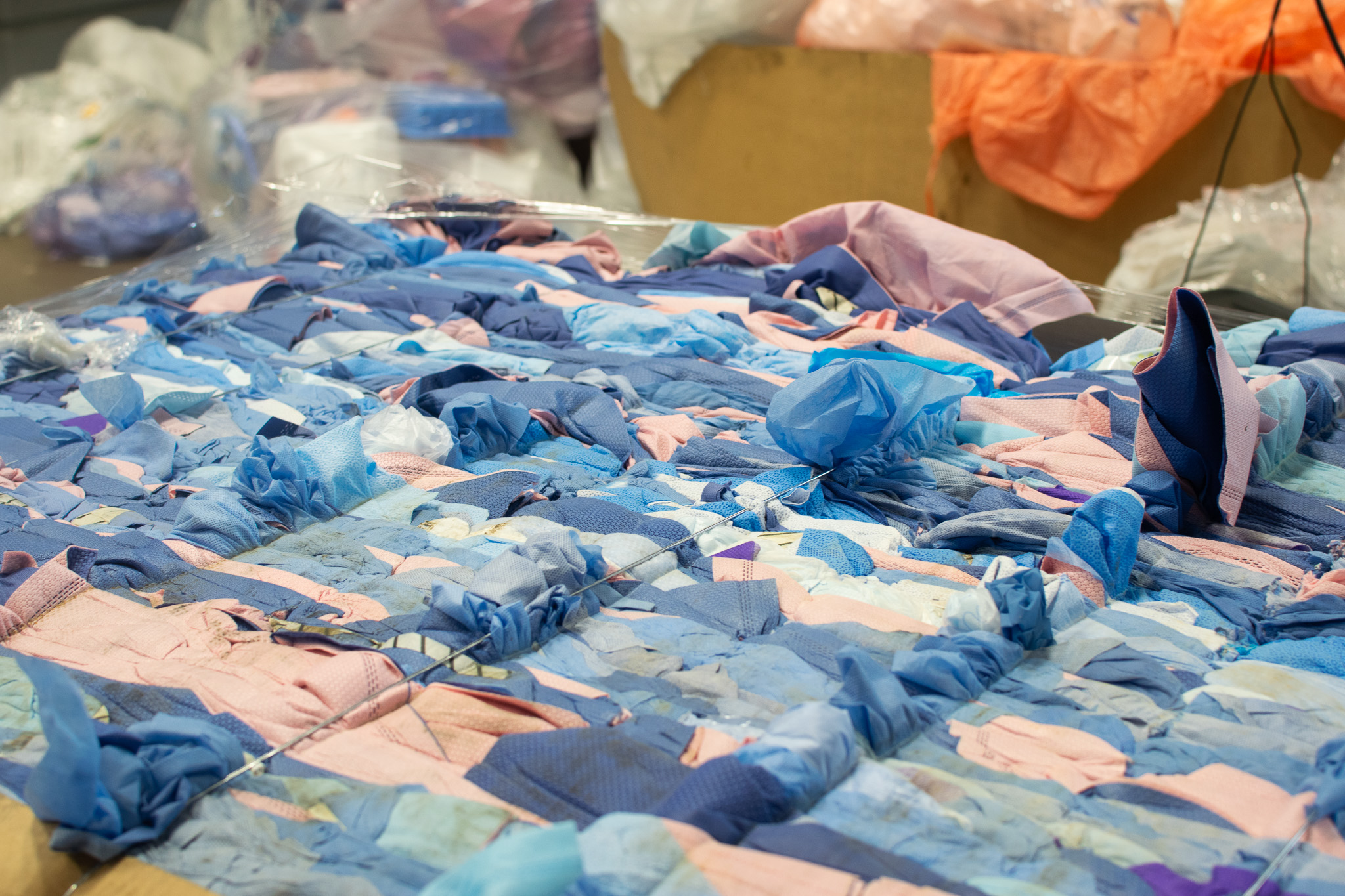
Patient positioning foam can make seat cushions. Some plastic pellets can turn into outdoor deck material. Only about 3% of the plastic Caracal receives ends up in a landfill, according to Bajorek.
Notably, the company does not handle regulated medical waste, such as needles, syringes or other items contaminated by bodily fluids. Companies like Stericycle and Daniels Health follow the strict state and federal guidelines for that biohazardous stuff.
A more targeted approach to recycling hospital plastics
The average US hospital patient generates about 34 pounds of waste per day, according to the American Hospital Association.
Using virgin material comes with a steep environmental cost. Generally, plastic products require extracting raw resources, such as petroleum. By contrast, using recycled plastic cuts total energy consumption by as much as 88%, per a 2019 report from the Association of Plastic Recyclers.
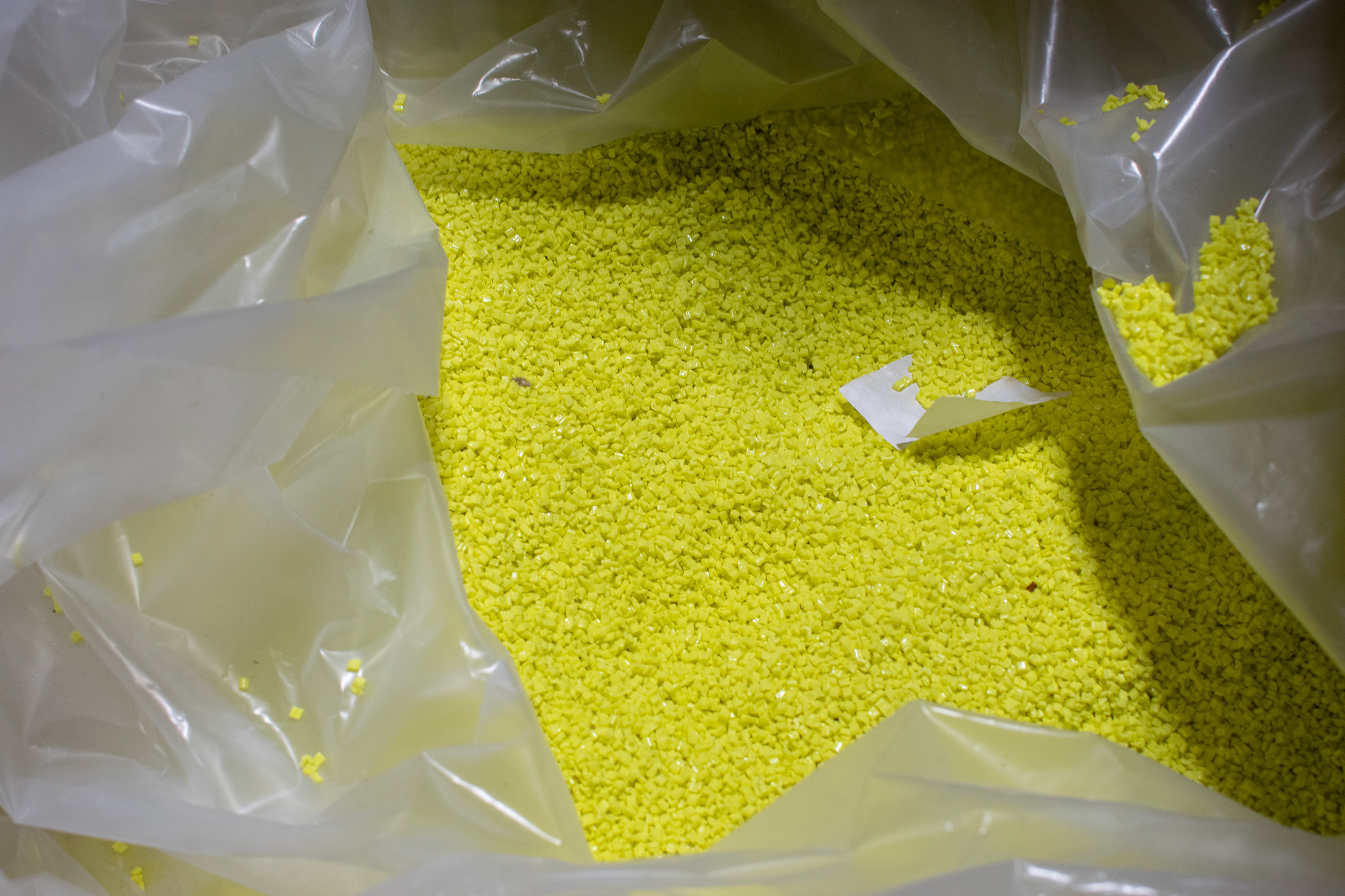
In 2027, Caracal estimates it will collect around 8.1 million pounds of plastic across its recycling efforts, including Johns Hopkins, Duke Health in North Carolina and Northwell Health in New York.
Caracal sees its biggest competition as traditional material recovery facilities, Bajorek said. That’s where your typical curbside recycling ends up. At those plants, machines often sort all types of household and commercial items, instead of Caracal’s industry-specific approach.
For added transparency, Caracal developed a platform where customers can track their waste’s recycling journey. Drivers weigh and photograph the bags on every trip, allowing the system to spit out an annual sustainability report to help facilities break down their waste habits.
“Our stuff’s very controlled,” Bajorek said. “We touch it, we sort it all. It’s a lot of manual labor.”