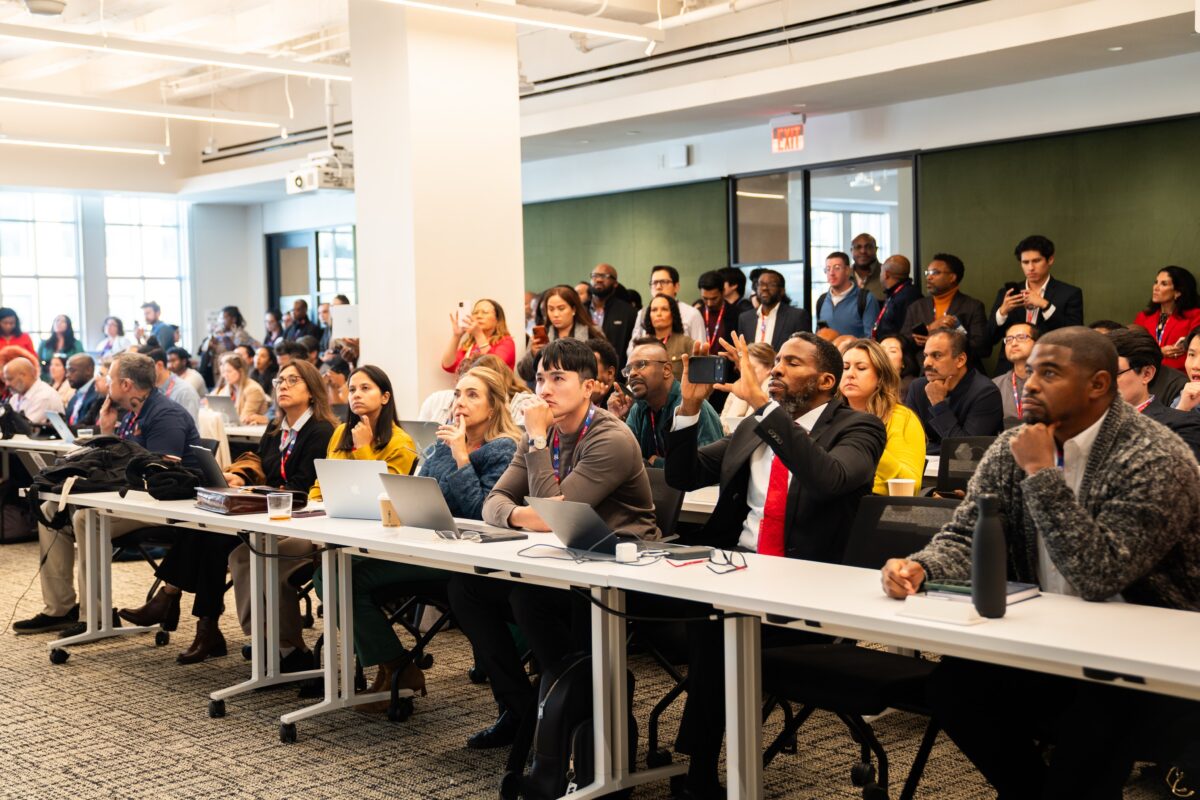
Washington DC is an interesting place to build a business. We are surrounded by federal agencies, universities, investors, corporations — and some of the most talented people you will ever meet.
On paper, opportunity is everywhere, but here is what I have learned:
Proximity is not access, access is not opportunity, and opportunity does not automatically translate into economic mobility. You can live minutes from an institution that could transform your business and still have no idea how to get your foot in the door.
Proximity is not access, access is not opportunity, and opportunity does not automatically translate into economic mobility.
Consider a founder with a promising solution for a government agency or healthcare organization. They may understand the problem, have a working product and know exactly who could benefit. However, understanding procurement requirements, identifying the right decision-maker and navigating a lengthy purchasing process present an entirely different challenge.
Then, there are the networks you do not even know exist until someone invites you in — the introductions that happen over coffee or the opportunities shared in private conversations before they ever reach a public application.
And let’s talk about the cost of participation.
Networking takes time, conferences cost money and building relationships requires consistency — often while founders are balancing jobs, caregiving, and the financial uncertainty of entrepreneurship.
Being told to “get in the room” means very little if no one considers what it costs to stay there.
Technology can help founders research markets, test ideas and build products faster, but a working product is not the same as a working business. AI cannot guarantee a customer, negotiate institutional access or replace the relationships that make opportunities possible.
That’s why I appreciate the vision Rachel Koretsky and Darius Clair are bringing to DC Startup and Tech Week. Creating opportunity requires more than filling a calendar with events; it takes thoughtful programming, intentional connections, and a willingness to build relationships that extend beyond a single week.
An opportunity to put principles into practice
This year, I’m co-leading the Early Stage track alongside Christina Glancy and Natarsha Wright. Our focus is on the practical questions founders face:
How do you prepare to pursue capital? How do you find customers who will actually pay for your solution? How do you navigate institutional relationships and adopt emerging technology without losing sight of your business fundamentals? And perhaps the question we don’t ask often enough: How do you build a business that supports your life instead of consuming it?
These aren’t abstract challenges; they’re the decisions that determine whether an idea becomes a sustainable business or another project a founder can no longer afford to maintain.
A healthy entrepreneurial ecosystem should offer three things: access to opportunity, preparation to pursue it, and support to sustain what comes next. DC Startup and Tech Week (Oct. 19 to 23) is an opportunity to put those principles into practice.
My invitation to founders is simple: Don’t just attend. Come with a question you need answered, a challenge you’re navigating, and an idea of what a useful connection would look like. Ask thoughtful questions, follow up — and share something valuable, too.
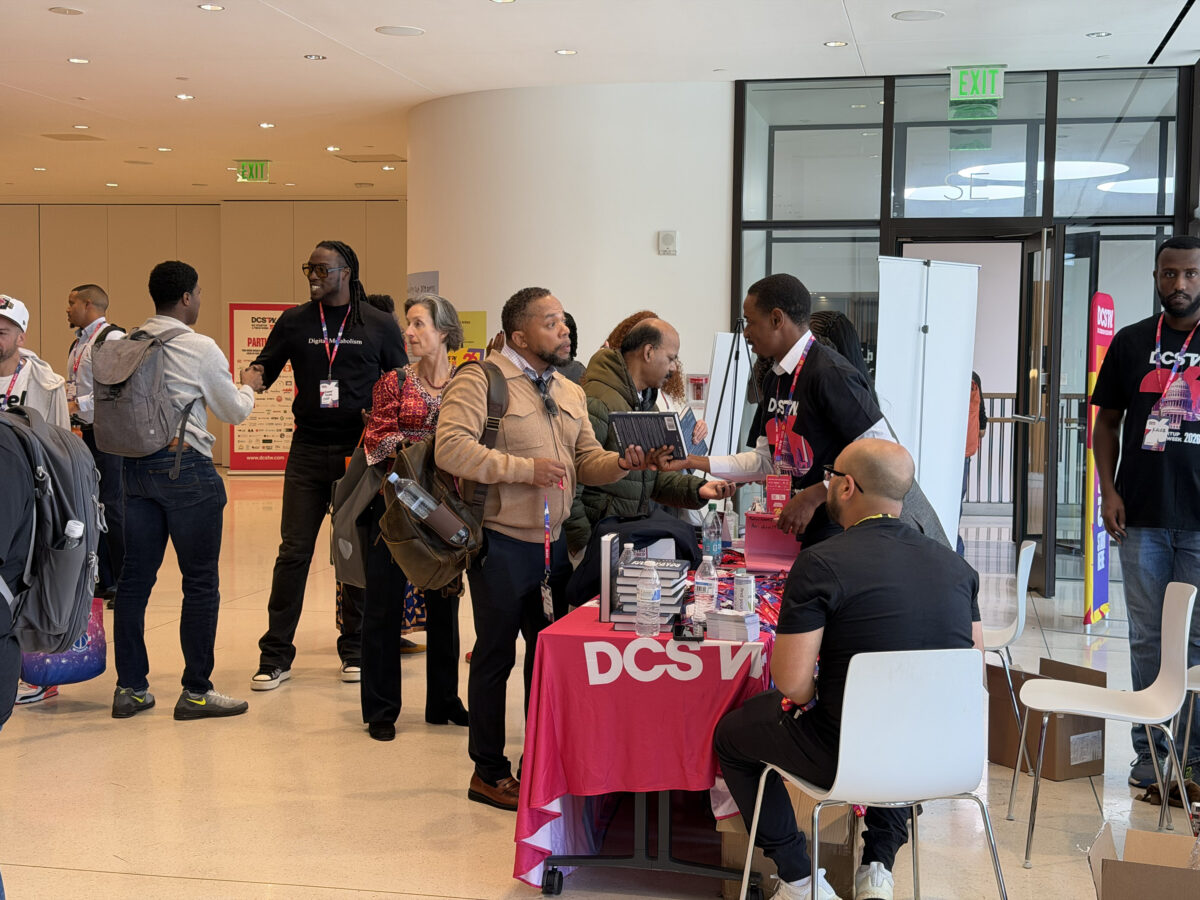
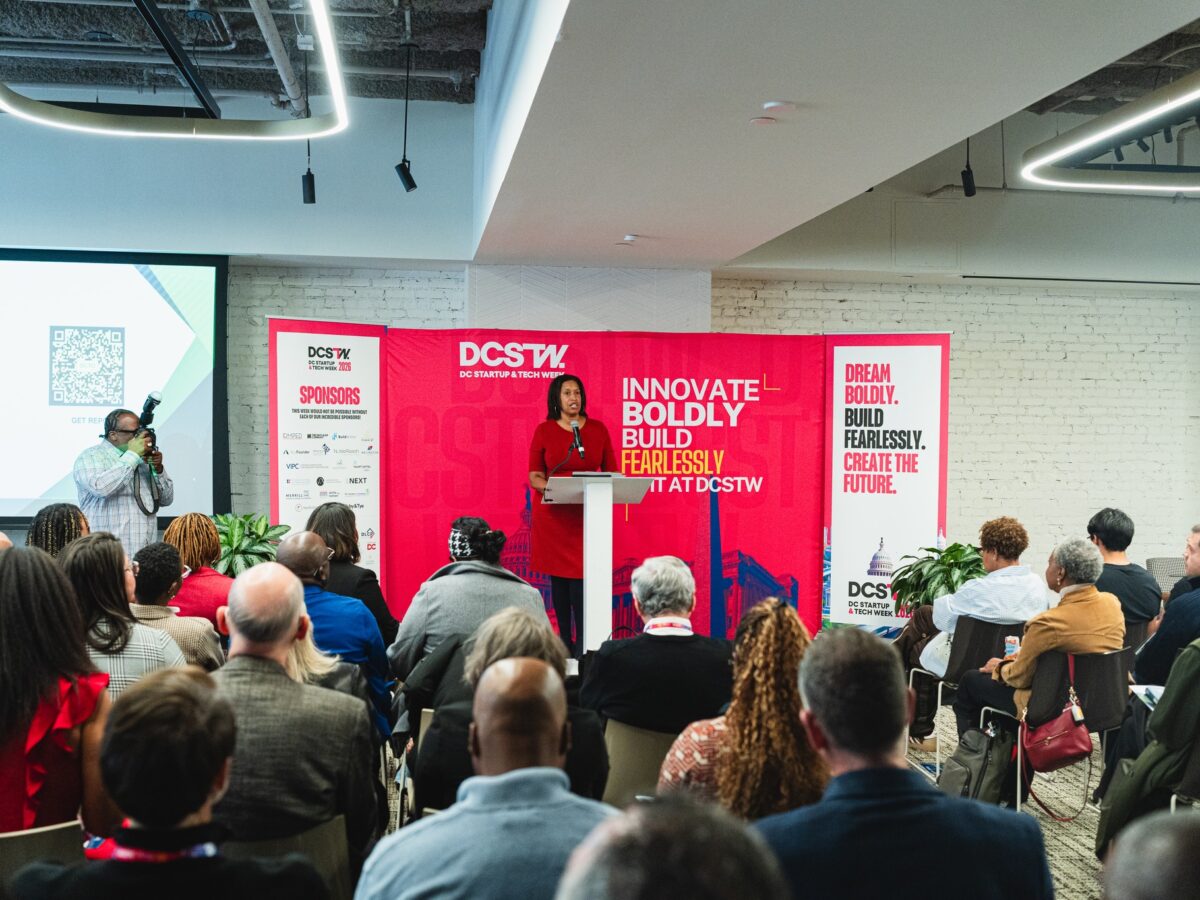
And if you’re an investor, an institutional leader, or an experienced entrepreneur, consider what you can offer beyond advice. An introduction, a pilot opportunity or a candid conversation about how decisions get made can change someone’s trajectory.
We won’t close every opportunity gap in five days, but we can make the week count.
DC doesn’t need to manufacture ambition. We need to get better at building pathways for the ambition that is already here.
And those pathways should lead somewhere long after Oct. 23
DC Startup & Tech Week takes place Oct. 19–23, 2026. Explore the programming and register at dcstw.com.