
As AI begins taking on tasks once reserved for healthcare professionals, a Nov. 19 gathering in Washington DC will explore what this shift means for founders building the next generation of health technology.
As recently as the start of this year, the conversation around AI in healthcare focused on reducing paperwork. Tools that could summarize patient visits, organize medical records or help clinicians spend less time on documentation were already seen as a major step forward.
Now, developers are exploring a different role for AI: systems that can go beyond providing information and carry out certain tasks with less direct human involvement.
That shift changes what healthcare startups need to think about. A tool that helps a physician review patient information is fundamentally different from one that can act on it. The technical challenges may overlap, but the questions around safety, accountability and clinical oversight become much harder to answer.
For founders, these aren’t concerns to address only after a product is built. They influence what the technology should be allowed to do, how it fits into clinical workflows and what it will take for healthcare professionals to trust it.
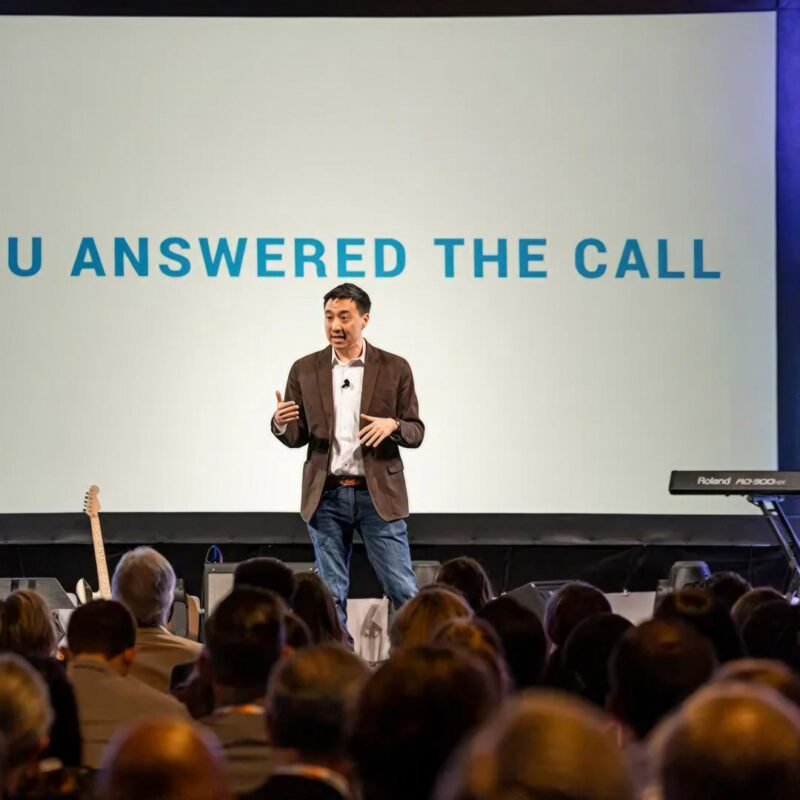
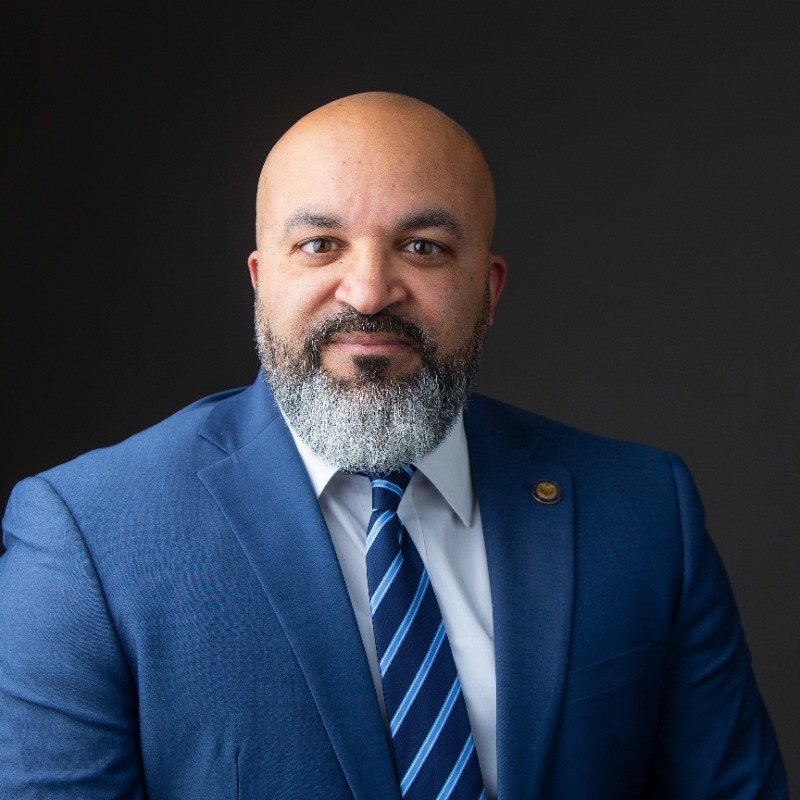
These questions will be part of the conversation at Health2Tech & Founder Institute DC, where Alex Koshykov, co-founder of BeKey and medical device startup YODD, will lead a session titled “From Assistants to Decision-Makers: The Next Phase of AI in Healthcare.”
The gathering will bring together founders, healthcare professionals and investors to discuss where healthcare AI is heading and what it takes to turn promising technology into products people can actually use.
When AI assistance becomes autonomy
For Koshykov, the distinction between AI assistance and autonomous decision-making lies in the level of human involvement. Most AI tools used in healthcare follow a human-in-the-loop approach, where a healthcare professional remains responsible for reviewing the output and making the final decision. Autonomous AI takes this a step further, allowing systems to perform certain tasks independently, without requiring human approval at every stage of the process.
The Doctronic pilot in Utah offers an example of how that distinction is beginning to play out in practice. Rather than simply providing information for a doctor to review, the system is being tested for handling eligible prescription renewals within a defined process.
That doesn’t mean physicians are disappearing from the equation. It means developers and healthcare organizations must decide which tasks can be delegated, what conditions should trigger human intervention and how to respond when a system encounters something outside its intended scope.
Those decisions have consequences well beyond the technology itself. A startup developing an AI tool for clinical use needs to consider how it will fit into existing workflows, what evidence healthcare organizations will require and whether clinicians will trust it enough to use it.
A technically impressive product may still fail if it creates additional work for medical staff or leaves important questions about responsibility unanswered.
For founders, understanding these constraints early can be the difference between building an interesting prototype and developing something that healthcare organizations are willing to adopt.
Why these conversations matter in DC
Washington has many of the ingredients needed to support healthcare innovation: research institutions, healthcare organizations, investors, federal agencies and a growing technology community.
But having those resources in the same region doesn’t automatically mean they work together.
The district’s 2026 State of DC Tech report offers some perspective. The broader DMV region attracted $426 million in life sciences investment, of which only around $2 million went to companies within the district itself.
The figures illustrate a broader challenge for local entrepreneurs: translating technical expertise and research into companies that can attract investment, find customers and grow.
For healthcare startups, the process can be particularly demanding. A founder may understand the technology but have limited experience navigating clinical workflows. A healthcare professional may recognize a problem worth solving but lack the resources or technical expertise to develop a solution. Investors, meanwhile, need to assess whether a product can move beyond early testing and become a viable business.
Getting these people into the same conversation can help close some of those gaps.
That’s the idea behind the Health2Tech & Founder Institute event series.
The Nov. 19 event, hosted by Koshykov and Guc Ozenci, will begin at 5:30 p.m. Koshykov’s presentation is scheduled for 6 p.m., followed by two hours of networking.
For attendees, the evening offers a chance to compare experiences, discuss challenges and meet people who approach healthcare innovation from different perspectives. A founder might find someone who understands a clinical problem they’ve been trying to solve. A healthcare professional might meet a team working on a relevant technology. An investor might discover a company addressing an overlooked need.
As healthcare AI moves from assisting professionals toward performing more tasks independently, those questions are becoming harder to ignore. The technology may be advancing quickly, but figuring out where it belongs in patient care still requires input from the people building, using and evaluating it.
Attendance is limited; request a spot through Luma.