
Power Moves is a recurring series where we chart the comings and goings of talent across the region. Got a new hire, gig or promotion? Email us at [email protected].
Pittsburgh’s tech sector is navigating a season of transition as it moves to tighten its belt.
In the halls of city government, a new CIO has been tasked with keeping the city’s digital services running smoothly while Pittsburgh navigates a challenging fiscal horizon and its startup programming remains in funding limbo.
Meanwhile, local nonprofits and private startups are announcing workforce cuts. At the Pittsburgh Robotics Network, the end of federal funding means an outgoing executive director and new questions for the organization.
Here is a look at the latest power moves across Pittsburgh.
Cybersecurity vet takes the helm as city CIO
A longtime public servant with cybersecurity expertise is now leading the city’s digital services.
Following former CIO Heidi Norman’s departure from the role in January, the city appointed Sylvia Harris as acting director of the Department of Innovation and Performance (I&P) and in October promoted her to the permanent position.
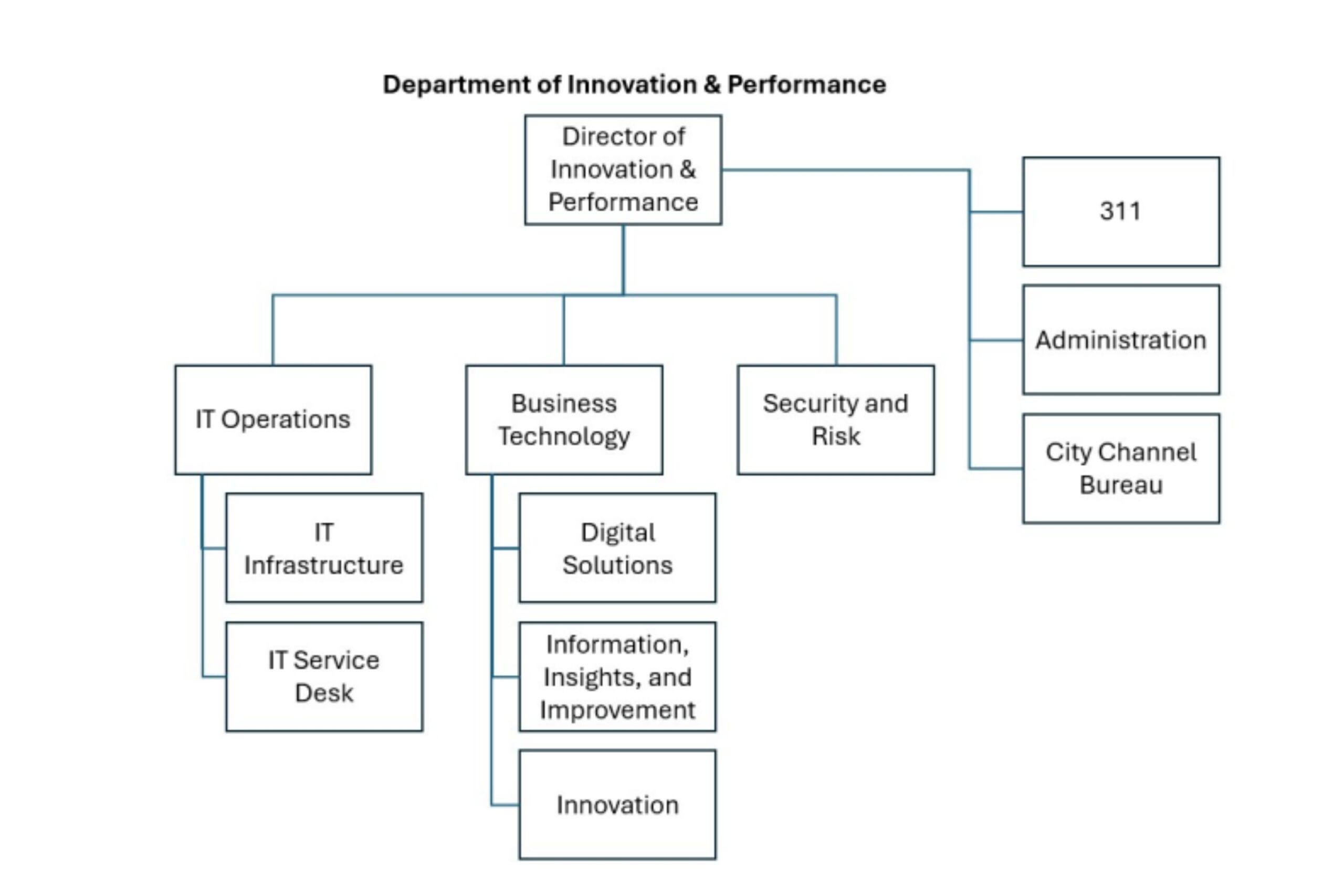
I&P oversees the city’s IT infrastructure, digital services, data governance and innovative improvements to other city departments. Its proposed 2027 budget totals $26 million, a nearly 20% increase from the current year. That annual funding is expected to decline or increase by less than 1% in subsequent years up to 2031.
“My promise to the mayor was that I would right-size our budget,” Harris told Technical.ly, adding, “We were able to save quite a bit and make sure that we can keep core services working — and do some innovation as well — over the next four years.”
Mayor Corey O’Connor asked city employees to “do more with less” in his recent budget address, as the city will pull $28 million from its reserves to make ends meet in 2027. Without significant action, the city will be bankrupt in the next five years, according to City Controller Rachel Heisler.
PGHLab — the I&P department’s six-month, paid program that recruits local startups to solve city problems — is not funded in the 2027 budget, according to Harris.
The city is looking for alternative funding sources and is “hoping to proceed” with a 2027 cohort, Harris said, but she could not provide a timeline.
Due to budget constraints, the previous CIO warned that Pittsburgh has struggled to hire top IT talent. Harris acknowledged she’s seen this challenge firsthand. The city has pivoted its approach to train and promote existing employees, as well as utilize fellowship programs to recruit new workers.
AI training is part of that, too, according to Harris. The city has a generative AI policy for city employees and will soon launch a pilot program to investigate “use cases for AI,” she added.
Harris has played a significant role in building the city’s cybersecurity abilities since she started working as an information security analyst for Pittsburgh in 2008.
As chief information security officer, she expanded the cybersecurity team to two full-time employees and a fellow, with a third full-time position planned in the 2027 budget, she said.
She also developed the city’s cybersecurity incident-response plan and policy. Harris now convenes a weekly group of staff from across city departments to focus on incident response and cybersecurity awareness training.
“I came in with that desire to make a difference,” Harris said, adding, “when you talk about having security roles, that is something that has to be trusted. I believe that over the years, I have earned the trust of a lot of people here.”
PRN faces a transition after federal funding ends
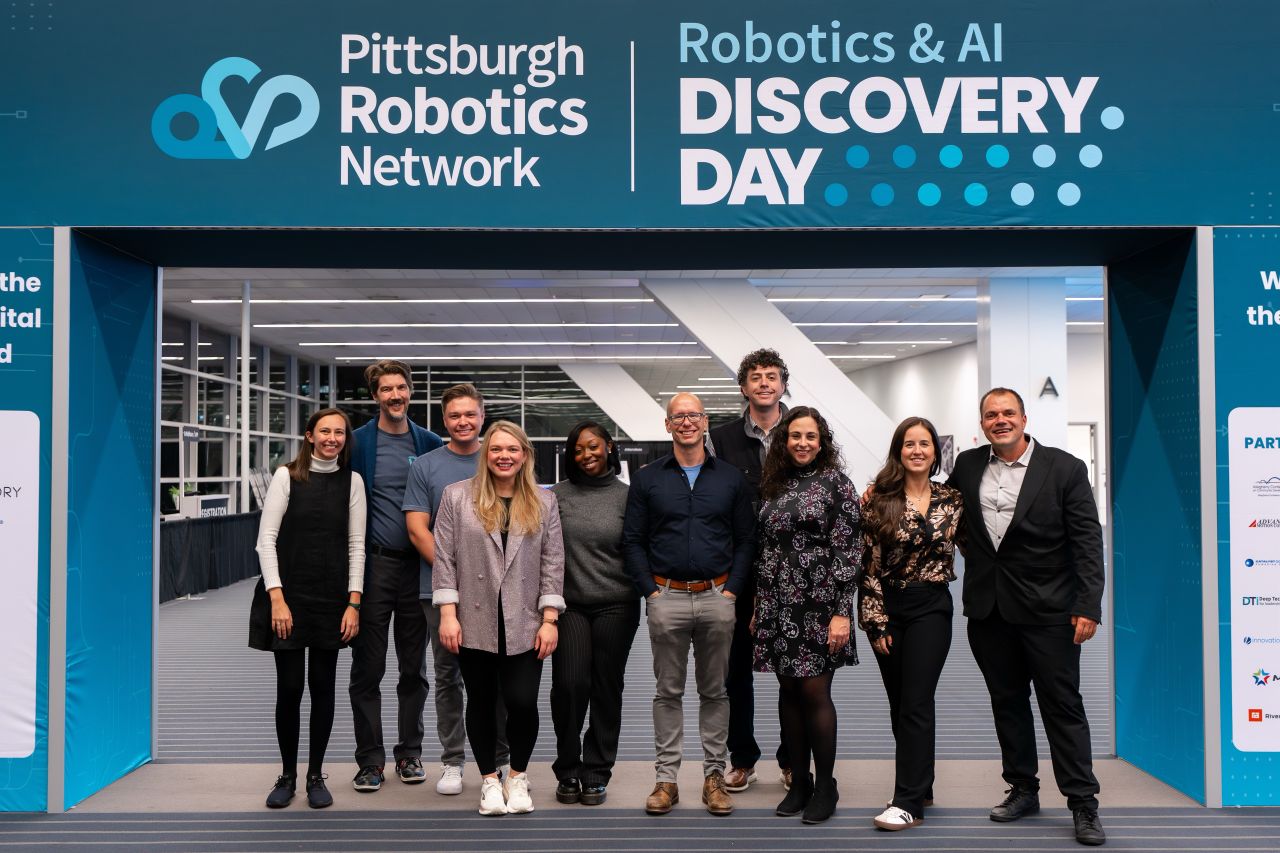
Executive Director Jennifer Apicella announced her upcoming departure from the Pittsburgh Robotics Network via an October LinkedIn post.
She noted that three staff members, Matt Thornton, Ryan Haggerty and Drew Myers, would continue with the organization as it “transitions into its next phase.” The conclusion of federal grant funding prompted Apicella’s departure and the layoffs of an undisclosed number of employees, per reporting from the Pittsburgh Business Times.
Apicella has served as executive director for the nonprofit since 2023, after working as vice president and director of partnerships and programs. She did not respond to Technical.ly’s request to comment on the changes at PRN.
In 2023, PRN received nearly $2.5 million in federal funding to help build Southwestern Pennsylvania’s robotics and AI economy. The effort was part of the New Economy Collaborative, a regional coalition of more than 90 organizations that received $62.7 million of Build Back Better grant funding.
PRN received a subaward, working on NEC’s Projects 3 and 4, which focused on upskilling workers and commercializing new AI and robotics startups. It hosts the annual AI & Robotics Discovery Day showcase and its regular Tech Happy Hour events. In 2025, the organization received another $250,000 to run its workforce development program, the Deep Tech Institute.
Remaining members of the PRN team did not respond to Technical.ly’s request for comment on what the upcoming organizational changes mean for Discovery Day and other programming in 2027. [Disclosure: Technical.ly is an NEC partner.]
More power moves:
- Local 3D printing startup Tronix3D and defense tech startup Air opened new offices with plans to expand their workforces in the coming year.
- Agility Robotics’ chief business officer said the company plans to double its Pittsburgh workforce following its Nasdaq debut.
- Schell Games cut 40% of its workforce in a second round of layoffs this year.
- AI healthtech startup Abridge laid off an undisclosed number of employees.
- Carnegie Mellon University named Jason Brown as director and chief executive officer of its Software Engineering Institute, a Department of War-sponsored, federally funded research and development center operated by the university.
- Forever Human AI, a local consulting firm, expanded its executive leadership team with Kevin Reilly as CSO and Ruby Ervin as COO. It also promoted Mike Ward to CTO.
- The Keystone Space Collaborative announced its newly convened Keystone Space Executive Council, which includes 20 business executives tasked with advancing the region’s space-focused priorities.
- Aethl Bio, a Pittsburgh biomaterials company, designated limb-salvage researchers David Armstrong and Charles Zelen as advisors.
- Local startup Lovelace AI announced RSS co-creator R.V. Guha joined its strategic advisory board.
- Hospitality software firm Aptech named Jeremy James as its new president.
- John Heneghan joined technical workforce provider System One as CEO of government solutions.
- Concurrent Technologies Corporation announced that Vice President and CFO John Klein will retire by the end of the year and be replaced by Jo O’Saben as VP and CFO. Jay Bleehash will become VP and CAO.