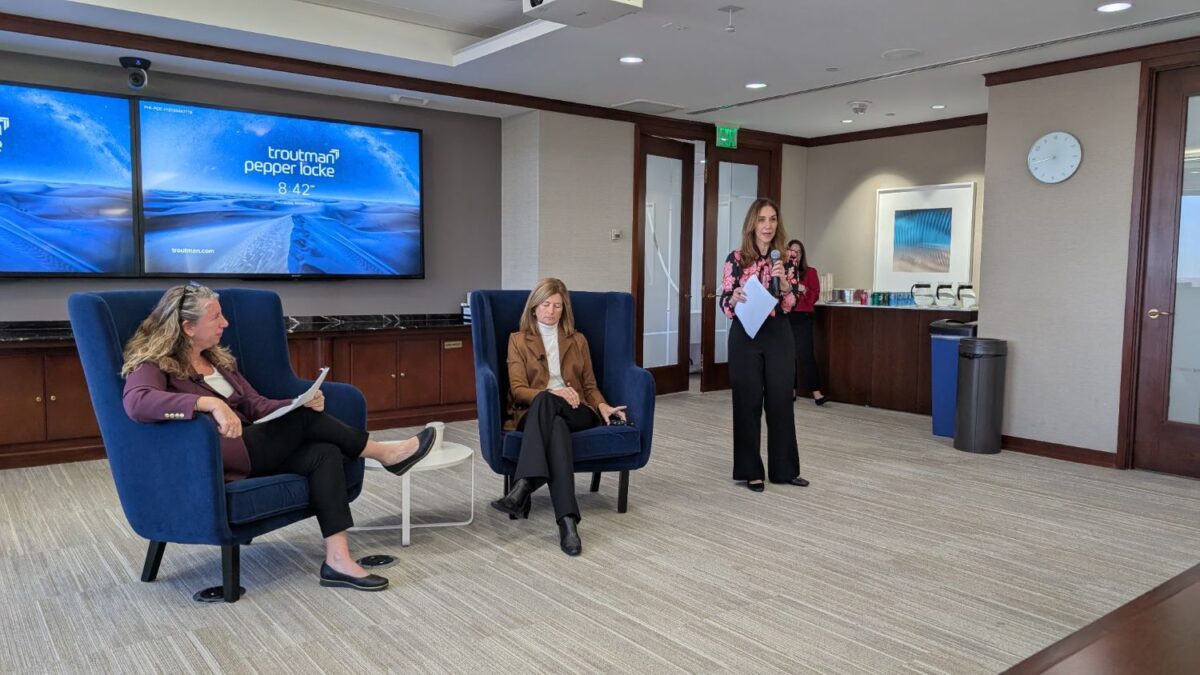
Philly tech leaders today launched a nonprofit to connect companies, investors and institutions working to grow the region’s women’s health innovation sector.
Lumina Women’s Health emerged from stealth after two years of researching the industry’s opportunities and challenges in Philadelphia, founder Tracey Welson-Rossman told Technical.ly. The org’s goal is to connect companies with funding, partnerships, talent, and other growth opportunities, while advancing women’s health as an industry in the region.
“I look at us as the Rolodex.”
Tracey Welson-Rossman, lumina
“I look at us as the Rolodex,” she said. “How are we putting all of those connections into one manageable place?”
In its first 10 years, Lumina aims to bring $500 million in venture capital, grants and research funding into the sector, create more than 1,000 jobs and work with at least 50 companies, according to Welson-Rossman.
“Besides the numbers, it’s really more women’s health companies that are starting here, raising here, staying here,” she said.
Lumina is planning to host at least two events in 2027, specifically hoping to bring stakeholders together and educate them about opportunities in the women’s health sector. More details have not yet been announced.
Startups that want to get involved, however, can take the founder survey to help Lumina better understand what resources they need, Welson-Rossman said. It wants to hear from any company developing solutions for women’s health issues, including biotech, medtech and digital health.
The results will inform the types of programming and conversations needed going forward and help the org track its progress over time, Welson-Rossman added.
Bringing Philly’s women’s health players together
Welson-Rossman’s journey building the digital health company Journal My Health exposed her to the opportunity in women’s health. The market is worth over $400 billion, according to PwC, but receives only about 5% of healthcare research and investment funding.
She started having conversations with other leaders in the ecosystem about the lack of structure around the sector in Philly.
“We’ve got the hospitals, we’ve got the research, we’ve got the pharma companies, we have founders, we have investors,” Welson-Rossman said. “What’s been missing is the connection between them to strengthen that sector.”
For example, World Upstart announced a women’s health accelerator in October. Lumina worked with World Upstart to figure out how the two initiatives could be supportive of each other, rather than competing for attention, she said.
In addition to supporting Philly-based programs and orgs, Lumina is also talking to programs from outside the region about coming here, she said.
“We also want to be thought of within the top five regions,” Welson-Rossman said, “of where you’re going to build a women’s health innovation company.”