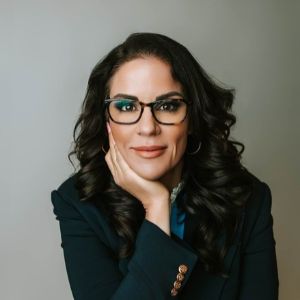
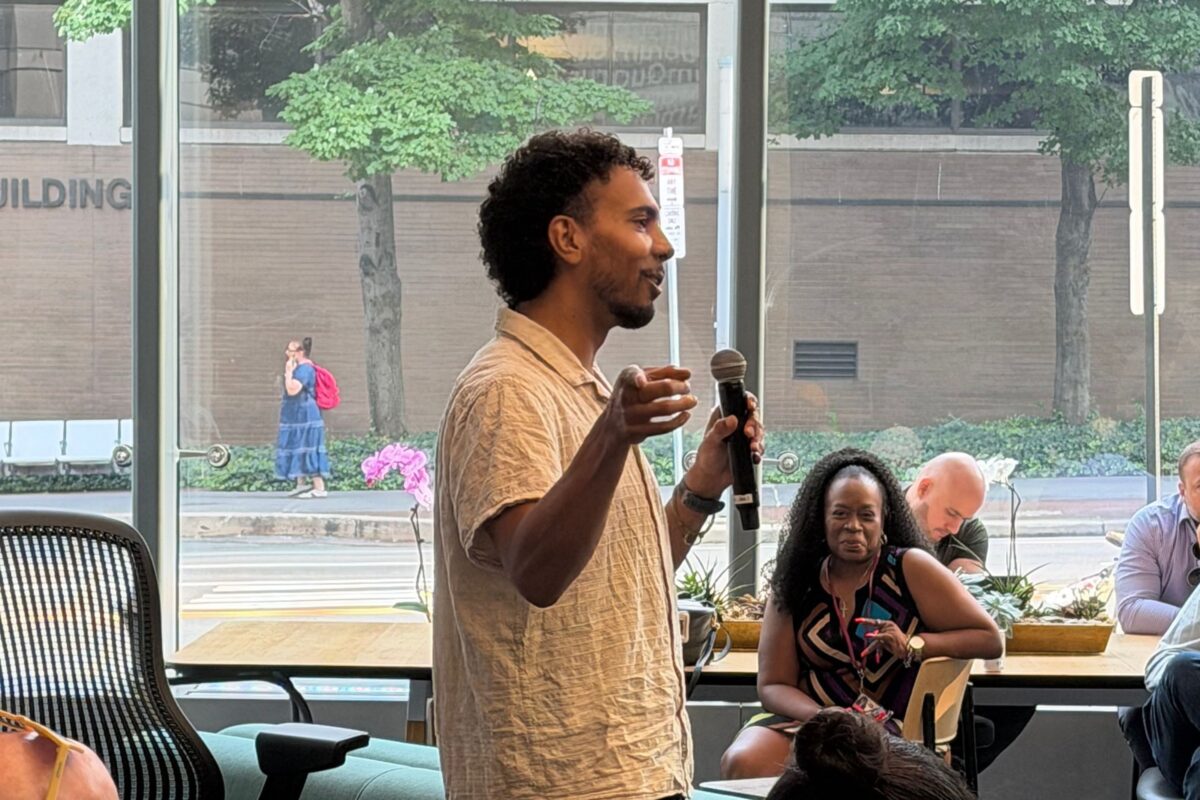
For JT Aaron, building a company isn’t all that different from solving a complex engineering problem.
Aaron, who lives in Philly, founded It Takes the Village, a civic tech startup building tools to help Philadelphians get more involved in their community. It started as a side project, but after realizing that community-focused work is his passion, he recently made the leap to pursue the company full-time.
Before becoming an entrepreneur, Aaron spent six years as an engineer in the Army and then another few years based in Chicago working for the global construction firm Gilbane Building Company.
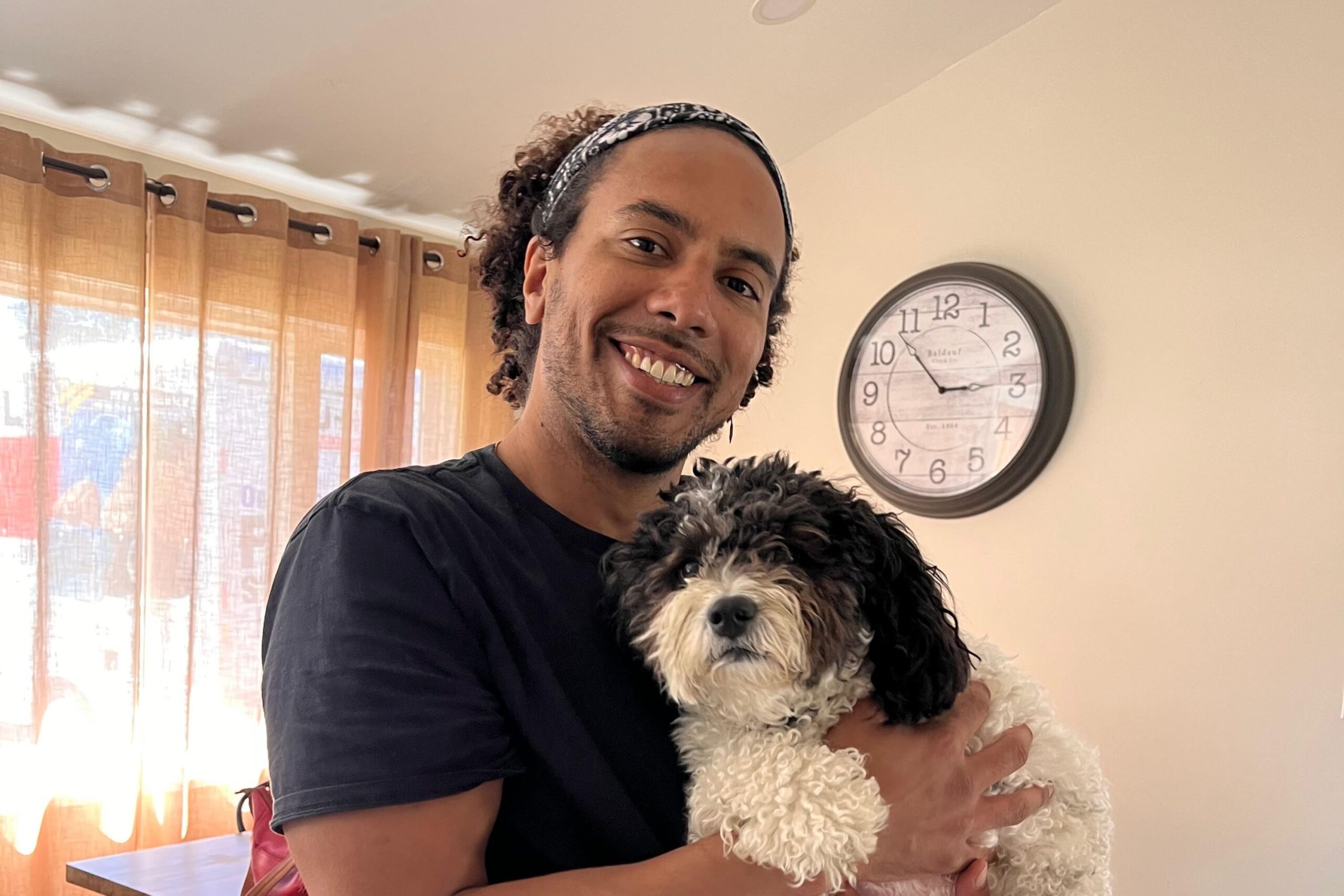
Now on his third career jump, the common thread has been a desire to impact people, he said. Plus, his engineering background prepared him to problem-solve, no matter the context.
“A good engineer is a good engineer at the end of the day,” Aaron said. “The practice of engineering, or the way engineers think about things, that can be applied in a lot of different ways.”
In this edition of How I Got Here, Aaron explains how he approached multiple career pivots and why community-centered tech is his calling.
This Q&A has been edited for length and clarity.
How did your interest in engineering apply to the Army?
I studied chemical engineering in college. I was at the United States Military Academy at West Point, so I had to spend my time in the Army.
Everything from leading a platoon of people when I was fully deployed in Germany to being a logistics officer and trying to coordinate the supply chain — it helped me to apply the process engineering that I learned.
I take pride in being an engineer and that skill set really is problem-solving.
How did you transition your career out of the military?
Coming from the Corps of Engineers, construction made sense, also given my engineering background.
I started out with Gilbane Building Company working on project sites, mostly K-12 education, doing renovation projects, and then the opportunity presented itself to help out in a new sustainability department.
That was the first time I felt like I could truly put all of these disparate parts of my engineering experience, my leadership experience and my mind toward sustainability into practice.
Why were you interested in civic tech?
Once I was back in America from Germany, I was thinking about how I might be able to use the skills I’ve developed through engineering, through leadership, and all those other things to have more impact.
That led me to start building out It Takes the Village and developing a suite of tools as a service to people focused on civic education and engagement.
For example, one of my tools, Village Projects, is built around the idea that we can identify the skill sets that we would need to complete a community project before we look at any capital requirements.
It’s a joke that the government is very old school, but it doesn’t have to be that way. We can do things in a more intelligent way and have a better impact for people at the end of the day.

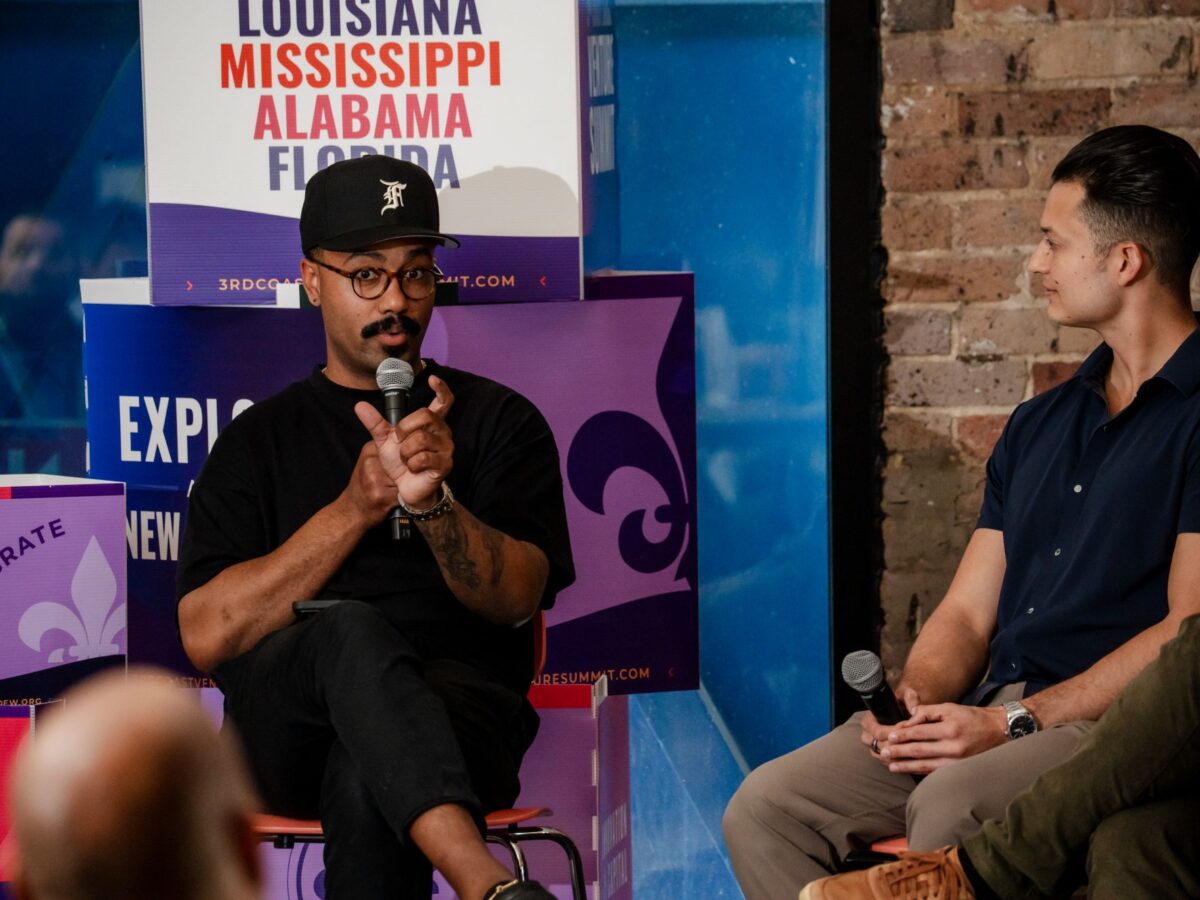
What has the transition into entrepreneurship taught you?
Not being able to do it all on your own is something that I’ve been faced with pretty abruptly — and trying to figure out how you accomplish things early on when there isn’t going to be funding yet.
But being willing to learn is a superpower. Using it strategically and understanding when to be humble and self-aware that you don’t have all the answers is important.
This work is very important to me personally, something I’m very passionate about. But it’s a completely new area for me. So I have to approach all of the conversations I’m having that way.
In doing so, it really does help you learn better and people are more willing to help you out and point you in the right direction.
What common thread runs throughout your career?
Taking care of people has been a throughline throughout my career.
I chose the Army over other branches of the military because I wanted to lead people and not just systems.
As I moved into the civilian world, that was something I still had in mind. That’s why I looked toward project management for the construction industry. It was a way to challenge myself and make sure my skill sets were transferable, but also a way to still be leading people at the end of the day.
Around 2020, I saw a lot of these disconnected silos, and the next challenge I saw was: how can I help lead people to realize a better end for the community?
What advice do you have for people pursuing a career change?
You never know unless you ask.
When I was transitioning out of the military, a lot of people were looking at me sideways because of my background. But I was able to articulate what my experience was and ask if it was the right position for me.
When they stood up this new department within Gilbane, I actually had my resume thrown out by HR. I reached back out again to ask about it and because of that willingness to ask, I got back into the pool and ultimately got the job.
If you ask, if you’re willing to have those conversations, even though they might be tough, you might be surprised by the results.
When it is a tough conversation, don’t be intimidated. Trusting yourself and your experience can take you a long way.