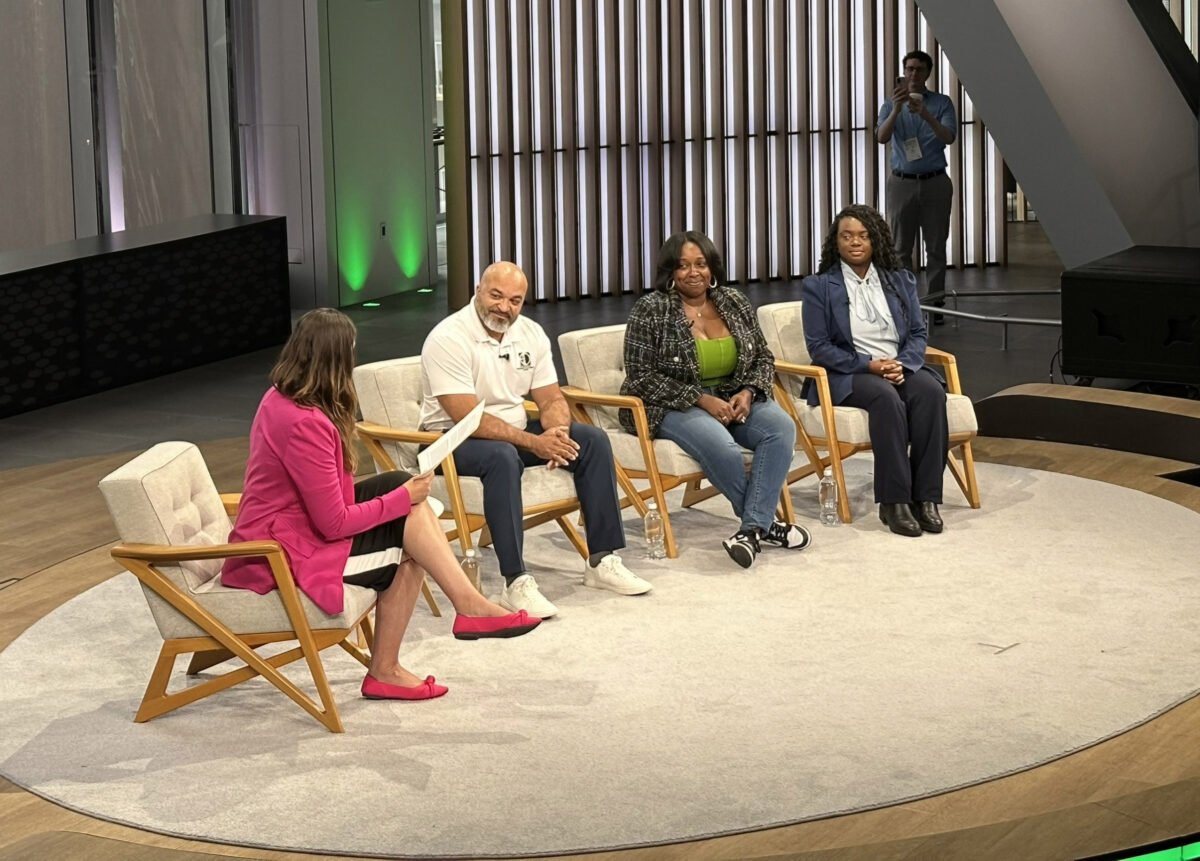
I love ecosystem builders and remain deeply committed to the work. I know why we found one another, why those gatherings mattered, and how much people gave to work that traditional economic development barely recognized.
I believe the field we helped build now has to carry that work into the institutions responsible for our communities’ economic futures. We have to evolve from the outsider identity to complete our mission.
When I joined the Federal Reserve Bank of Kansas City in 2011, I wanted to help people in communities like mine build opportunity through business ownership. I came from one of the poorest Black communities in the country, had worked in small business banking and run an incubator, and understood what a neighborhood business could mean for a family’s income, stability, and future.
We have to stop treating distance from institutions as proof of commitment and judge ourselves by whether we help them serve entrepreneurs better.
I did not yet know the language of ecosystem building, but that purpose drove me to develop Grow Your Own at the Fed. We wanted the full range of local entrepreneurial talent to have a chance, including people and businesses overlooked by a development conversation preoccupied with attracting companies and producing the next Silicon Valley.
In the years that followed, I helped host some of the first national entrepreneurship ecosystem building conferences, helped conceive and design the first entrepreneurship and economic development courses and certification, completed a dissertation on the subject, and spoke in more than 40 states and 90 cities as an evangelist for the cause.
I did this work alongside Maria Meyers of SourceLink, Don Macke of E2 (Energizing Entrepreneurs), Penny Lewandowski of the Edward Lowe Foundation and Steve Radley of Network Kansas — who together with me at the Federal Reserve Bank of Kansas City made up the group we affectionately called the “gang of five” — as well as other members of our organizations. Being outsiders to the historical way economic development was practiced gave us ecosystem builders an identity and community. We found our tribe among people who understood the work and the struggle to get others to take it seriously. An us-versus-them mentality gave us something to rally around as we carried the ecosystem message into economic development and broader society.
The national platforms we helped build depended heavily on institutions and champions. When priorities and leadership changed at these institutions, we discovered how much knowledge and coordination still depended on people. I share responsibility for that. We had built momentum without enough durable infrastructure to carry the practice forward.
After the Fed, when I ran professional development at the International Economic Development Council, I saw that most people enrolling in our ecosystem building and entrepreneurship-led development courses were traditional economic developers. They wanted to bring this work into their organizations. We had spent years arguing for that opening, and now we needed to help them make it real.
That asks something difficult of us. In some ways, we are giving up a shared identity as outsiders and underdogs that sustained our work and energy. I understand why we hold on to it. We now have to build a new shared identity that brings our skills, experience, and history into the broader economic development field, finding purpose and belonging in helping change the institutions we once struggled to reach.
We have to stop treating distance from those institutions as proof of our commitment and judge ourselves by whether we help them serve entrepreneurs better by building durable ecosystems.
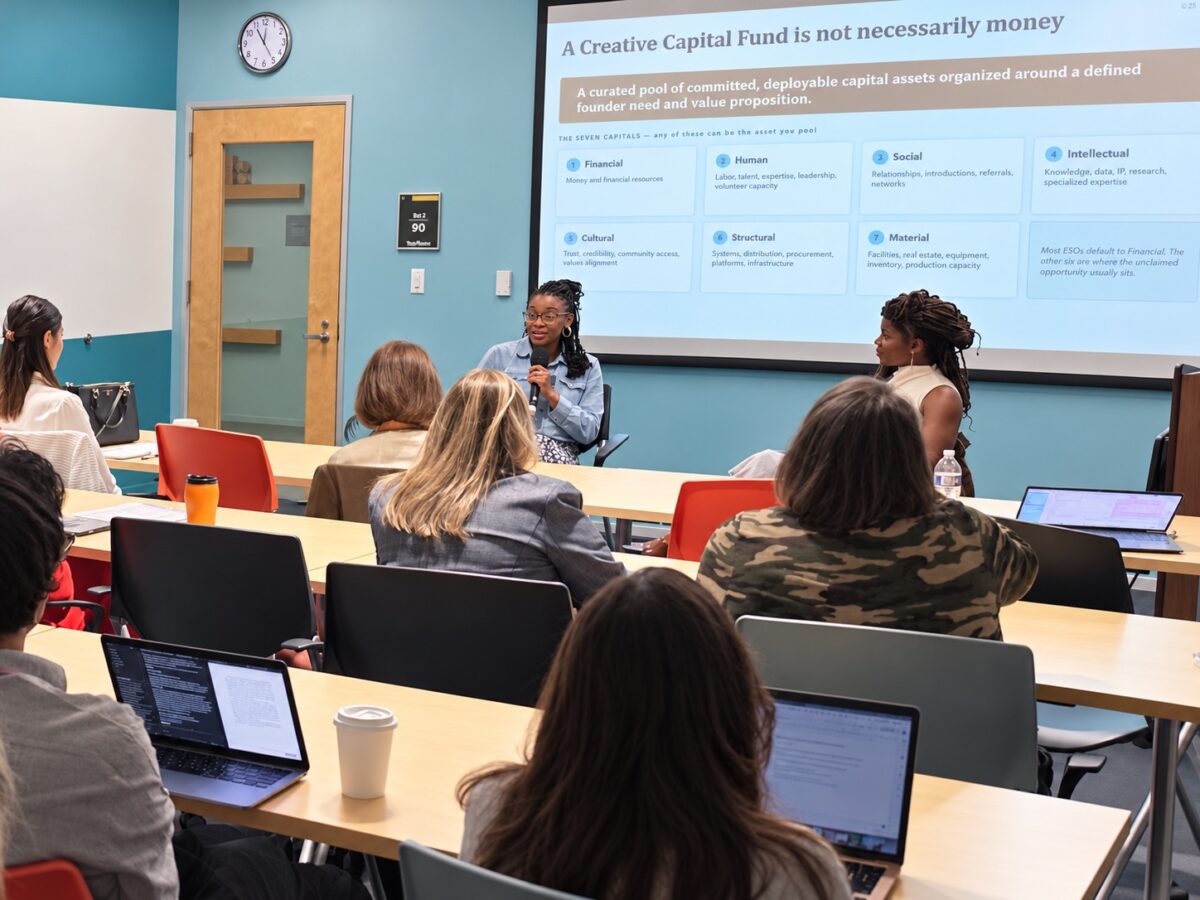
Experienced ecosystem builders have to help institutions learn the work, training their staff, connecting them with trusted community partners and ensuring entrepreneurs help shape decisions about money and strategy. Institutions have to give that work authority, recurring funding and accountability for what entrepreneurs experience. A specialist on a temporary grant cannot carry an entire institution’s responsibility.
If the grant ends or the passionate person leaves, does the institution keep doing the work?
This becomes even more urgent in the AI age. I expect AI to reduce the market value of many specialized skills, making employment a less reliable path to wealth. Ownership becomes increasingly important to how people capture economic value, and communities need the capacity to help their residents participate. Access to powerful tools still leaves an entrepreneur needing customers, capital, trusted relationships and support turning an idea into a sustainable business. Building strong ecosystems will serve as the future of entrepreneurship in the AI era.
Our outsider knowledge now has to be integrated deeply into the everyday work of economic development. The people who carried this work through the outsider years have to lead that change, bringing our experience into institutional decisions, budgets, and daily practice. We have to build ecosystems strong enough to serve our communities long after the grant ends and the champions leave. That is how we complete the mission we started.