Healthcare workers are often asked to adopt new tools without much room for training. This fall, two Baltimore-area workshops are built around one practical question: How can AI help them take their next career step?
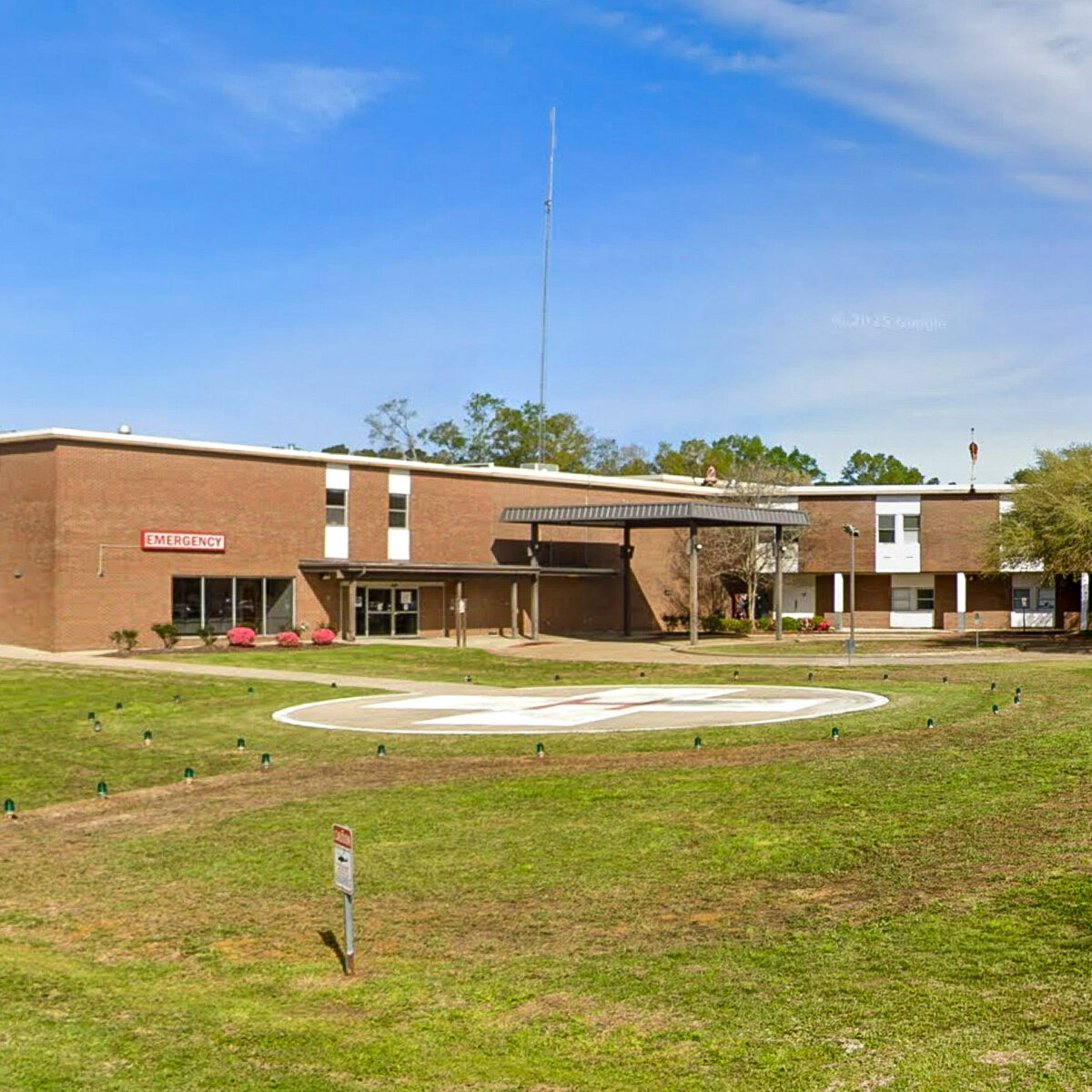
On Nov. 5, early- to mid-career healthcare workers will gather at Kaiser Permanente’s Lutherville-Timonium Medical Center for an evening of career development. Sponsored by Kaiser Permanente and hosted by The Upskilling Labs, it is the first of two workshops this fall. A second will follow in Baltimore City in early December.
Professionals build skills they can use on real work, a network of peers and mentors, and the confidence to use both.
Tatiana Warren, Upskilling Labs
The Upskilling Labs is a civic technology and AI upskilling organization based in the DC region. We chose to focus on healthcare this year because it is one of the largest employment sectors across the DC-Baltimore region. Any serious conversation about AI and work here has to include the people who staff hospitals, clinics and labs.
Income and employment are a top-priority need in the Mid-Atlantic region, according to Kaiser Permanente’s 2025 community health needs assessment, which singles out Baltimore City for its rising costs of living and shortage of well-paying jobs.
Real-world building to help navigate healthcare
I know this model from the inside. In fall 2025, I joined the AI upskilling pilot run by Levy Strategic Design and DC Public Library, where I worked alongside a team of six displaced federal workers to build Trustie, an AI companion app that helps young women ages 18 to 26 navigate healthcare with confidence. A year later, I serve on the Upskilling Labs’ board.
Across the cycles so far, I have watched professionals build three things at once: skills they can use on real work, a network of peers and mentors, and the confidence to use both. After our Energy and Climate program, a participant landed a new job and keynoted our summit.
The Upskilling Labs opened 2026 with a build cycle themed around healthcare and AI: a three-month program where participants, in teams, learn how to apply AI to real, everyday problems.
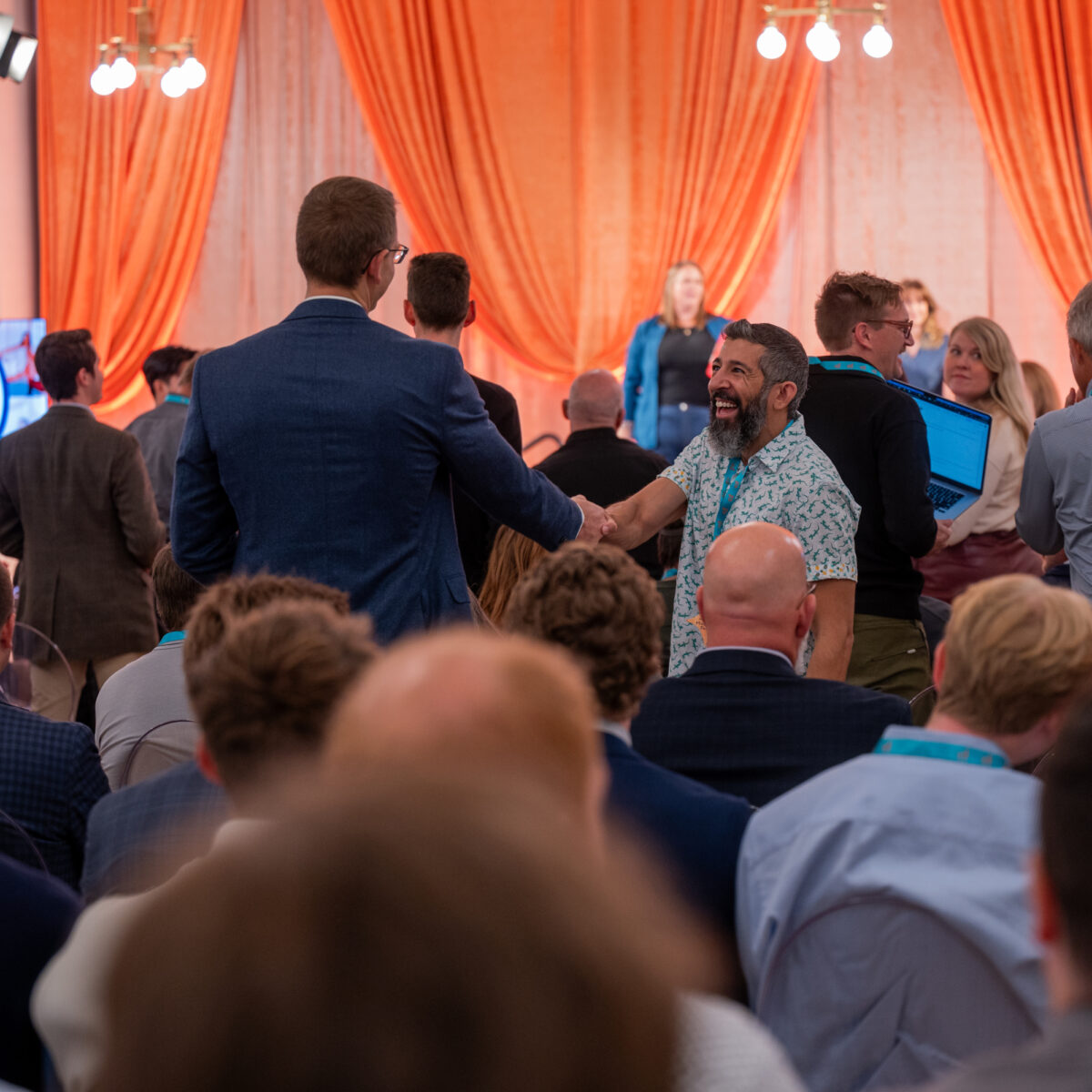
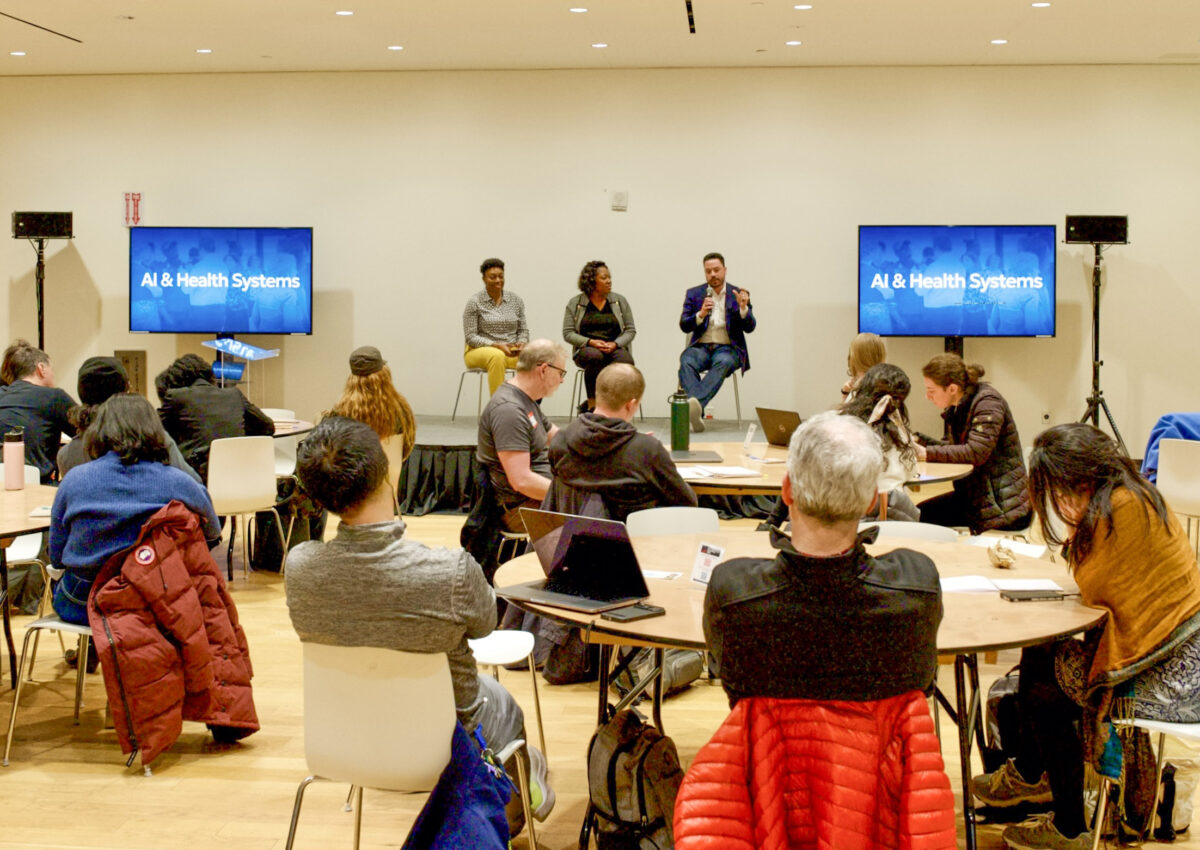
That build cycle took on three projects, each aimed at helping people navigate their own health. Two reached working prototypes, which teams presented at our April 14 summit at the Martin Luther King Jr. Memorial Library in DC.
Care Clarity is an AI-powered translation tool designed for clinical settings, built on the premise that general-purpose translators were not made for medical histories or informed consent. HealthPass keeps a patient’s medical information organized and ready to share with their care team, aiming to cut the paperwork that patients, staff and providers deal with before every appointment.
Since then, we have kept investing in relationships across the healthcare world, and those relationships have steadily pulled our work north toward Baltimore.
Hands-on sessions, plus learning and networking
The Nov. 5 agenda is deliberately about career movement, not AI in the abstract. Participants will practice on their own resumes and interview answers.
The workshop is designed for up to 50 early- to mid-career healthcare workers, including nurses, allied health staff (think pharmacy, radiology, lab and surgical technicians), medical assistants and community health workers. Doors open at 5 p.m. for refreshments and a chance to network with mentors before the program begins.
At 5:45 p.m., Rachael Wooden Wicks, a community health program manager at Kaiser Permanente and a volunteer mentor with The Upskilling Labs, will welcome participants. She has facilitated design-thinking workshops for the Labs, including one you can watch online.
After an overview of the AI tool landscape and core prompting skills, participants move through three career-focused sessions:
- Tailoring a resume and cover letter led by Adrian Erlinger
- Preparing for interviews, including for moves from clinical to nonclinical roles
- Building Out Loud, a LinkedIn storytelling session led by Sunny Avantsa
The evening closes with a session on privacy, security and ethics, including protected health information and HIPAA, and a personal seven-day AI action plan.
Privacy gets its own session because of who is in the room. For someone who handles patient information every day, the first question about any AI tool is what happens to the data they type into it.
The Nov. 5 workshop is free and open to healthcare workers in the Baltimore area. Registration is limited.


More programming to come
The two workshops are the close of our healthcare focus for this year, but not the end of the work.
The Johns Hopkins Center for Health Disparities Solutions recently awarded The Upskilling Labs a Learning from the Community grant, funded by the Bloomberg American Health Initiative.
It supports a 12-week, multisite build cycle in Washington, DC’s Wards 7 and 8, where residents will use AI to build solutions to problems in their own neighborhoods. The cycle will take place in early 2027 and will be hosted in public libraries and, for the first time, at a community health center.
The throughline is simple: AI literacy in healthcare should not be built only in boardrooms or vendor demos. It should be built with the people who deliver care, in the neighborhoods that most need better health navigation and with privacy treated as a starting point.