

Skild AI plans to deploy the newest model of its “robot brain” in real-world scenarios by 2027.
Earlier this month, the company announced it surpassed $100 million in annual recurring revenue.
Last month, the Pittsburgh-based company announced that its latest AI model, the S1, can learn new, complex tasks from a single video, cutting down on training time significantly.
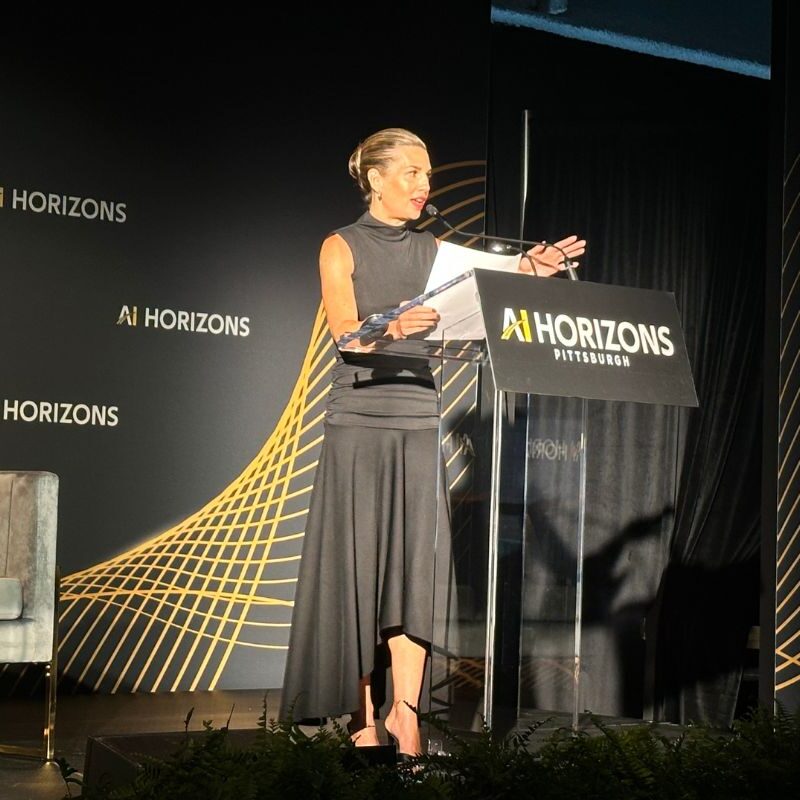
Now, after testing S1 with customers, the upgraded tech should be ready to install next year, Skild cofounder Abhinav Gupta said in response to a question from Technical.ly at the 2026 AI Horizons Summit.
“We definitely have tested it on customers, and the best example is the NVIDIA factory,” Gupta said.
With Skild’s earlier model, it took three days of data collection to reach 95% accuracy, but with S1, “we were able to do it with three hours of data, and today we’re getting 98.9%,” Gupta added.
Skild builds general-purpose AI models to power a wide range of robots and tasks with a single system. Founded in 2023, the company has raised over $2 billion and is now valued at more than $14 billion.
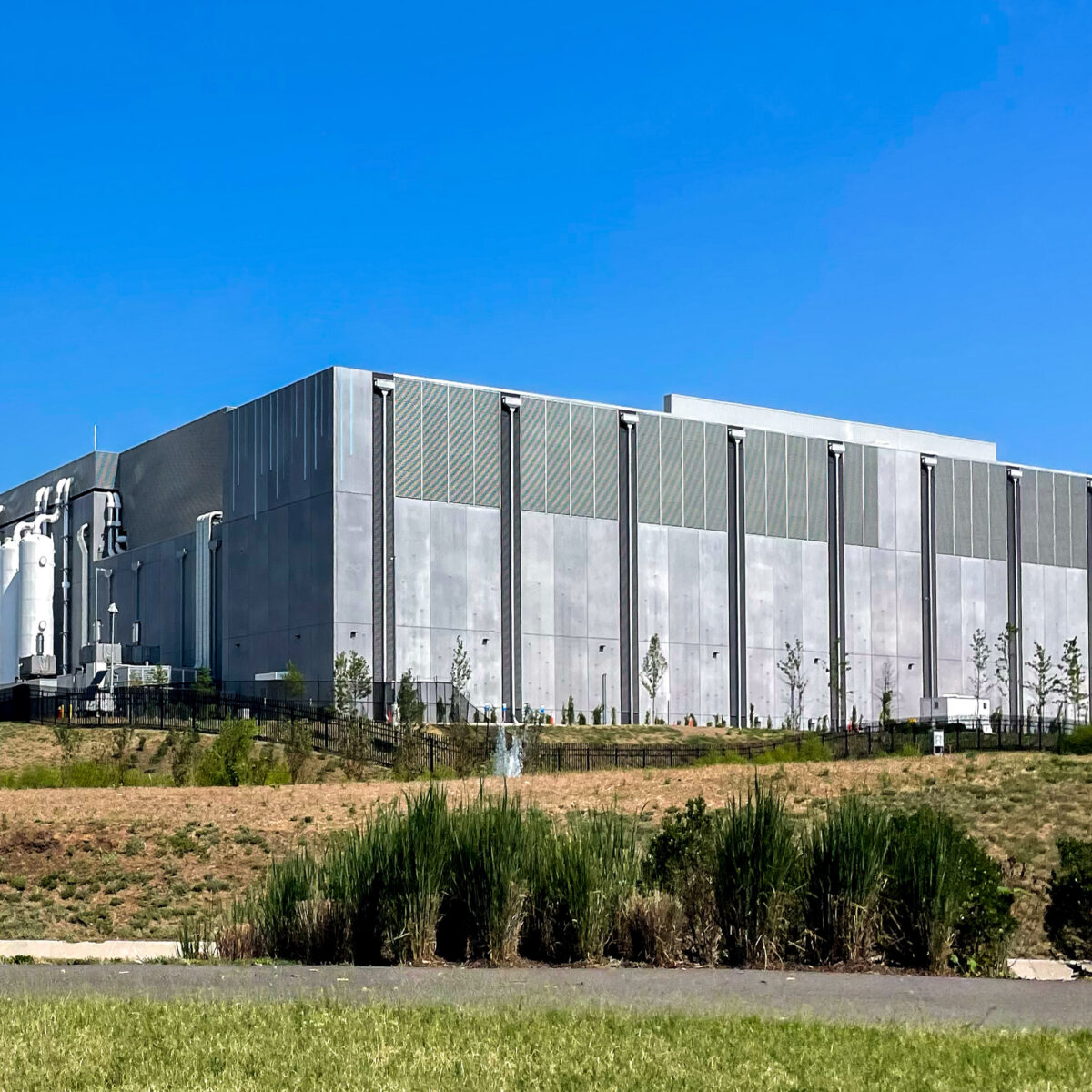
Earlier this month, the company announced it surpassed $100 million in annual recurring revenue. Skild has deployed its software in warehouses and data centers across the country. Its AI tool has also made its way into Tokyo cafes and the Pittsburgh International Airport, Gupta said.
The emergence of physical AI — robotics that use AI models to complete tasks in the real world — has raised questions about the possible displacement of human workers.
Skild is building tech to augment human work, not replace it, according to Gupta, and physical AI could help fuel the latest push to bring manufacturing back to the US.
“Adoption first will help you train your workforce,” Gupta said, “to be ready for the big transformation that is going to happen in the next decade.”