An international union is finding ways to use AI to combine data and write proposals. But many other organized labor groups are staying quiet about how, or even if, they’re using the tech.
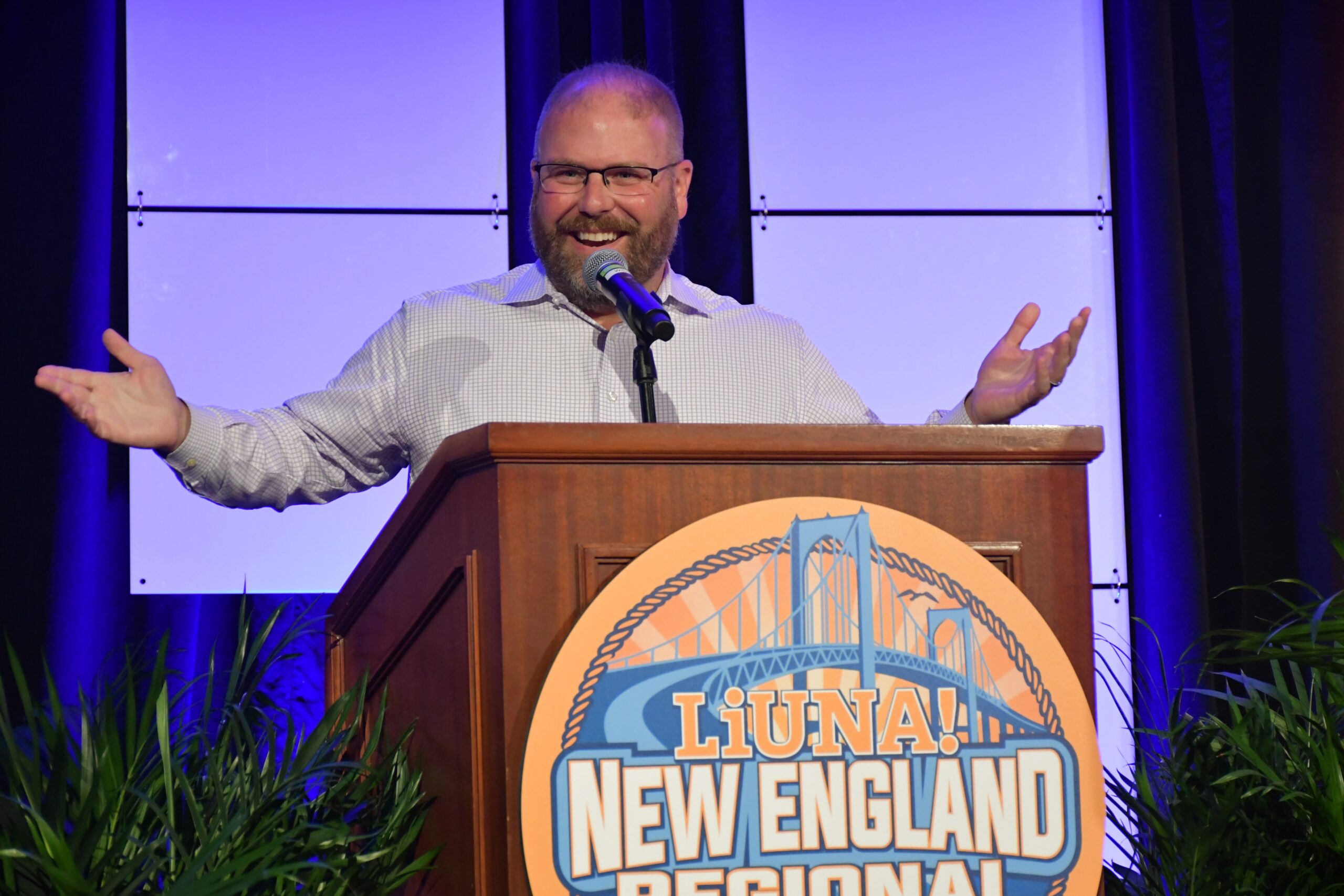
The Laborers’ International Union of North America, known as LIUNA, is using several tools like Gemini to see trends in popular work and contract trends, said the organization’s CIO Matt Richard. Technical.ly reached out to 16 other unions to ask how AI has fit into their work. A few declined to comment, and the majority did not respond to multiple inquiries.
“The goal here is to take the strained and limited resources we have and grow our movement.”
Matt Richard, LIUNA
For LIUNA, the goal in using AI is to boost work in a field where burnout is common — not replace it, Richard said. He has history in the field: both parents are United Steelworkers members in Massachusetts.
“Organized labor isn’t going into this and doing what a Fortune 500 is doing, and just dumping millions of dollars at something and trying to reduce body count,” Richard told Technical.ly. “The goal here is to take the strained and limited resources we have and grow our movement.”
LIUNA represents 500,000 workers in the US and Canada, mostly in construction and energy industries. About 70,000 are public sector employees in roles like sanitation and road maintenance.
Some labor unions have made public statements highlighting their perspective on AI. AFL-CIO, for example, explicitly said it does not oppose AI, while noting that unions play a key role in protecting workers from job displacement.
Most US workers agree. According to a poll conducted by AFL-CIO, 9 out of 10 workers want protections in the workplace when it comes to AI. Respondents also said they believe humans should be the final decision maker in processes at work.
From minutes transcription to vetting political candidates
Richard and his team have travelled to 50 locals over the last few years to show how AI can be helpful, he said. He often tells people about Google AI tools, because those are some of the first ones he explored with LIUNA.
Using AI to generate meeting transcripts is a common first idea he proposes, because it takes over a relatively tedious tax that most people dread. He stresses it’s an opportunity for administrative staff to have more time engaging with members.
“The projects that have been most successful are the times I showed up at a local union,” he said. Pushing software from across the country is “not a comfortable experience for anyone.”
Very few local chapters are using AI so far, he said, but the strategy proved to be fruitful in New Jersey, where LIUNA is working with regional leaders to pull data on local political candidates — including stances on labor organizing. Rather than combing through different websites and news articles, Richard said, AI software is used to compile that information for union members to be more informed at the polls in the upcoming midterms. For example, they’ll prompt the tool to pull “right to work” information for each candidate.
Administrative staff at the union will then take that info and use AI to help draft related flyers and graphics. “We’re able to very quickly understand where these people stand on these issues, who we should support,” he said.
LIUNA also pulls addresses to inform members about zoning meetings in their communities where construction jobs are impacted, per Richard.
Locals in the Northwest are tracking nationwide and Canadian hiring trends and where jobs are taking place. That data is being used to develop interactive chatbots people can use to ask questions about, for example, where certain types of jobs are in demand.
“Data is the name of the game for us,” Richard said. “We need more of it so we know what our members are doing, where they live, how they work, so that we can engage them better.”
Eliminating the ‘junk’ and improving safety
At the international level, LIUNA is streamlining how contractors contribute to worker benefits funds (like healthcare and pensions). Using the cloud-based AI application Appian, the union automated distribution of the $350 million in annual membership benefit payments.
LIUNA also uses different tools like NotebookLM to scan collective bargaining agreements, to build a database of contracts and better understand common protections and terms. There’s also automating tasks like determining appropriate travel stipend amounts and drafting RFPs, Richard said. And there are many more plans, including a possible AI agent to provide details on a person calling based on emails exchanged.
“These are just ways to eliminate some of the ‘junk work,’” Richard said.
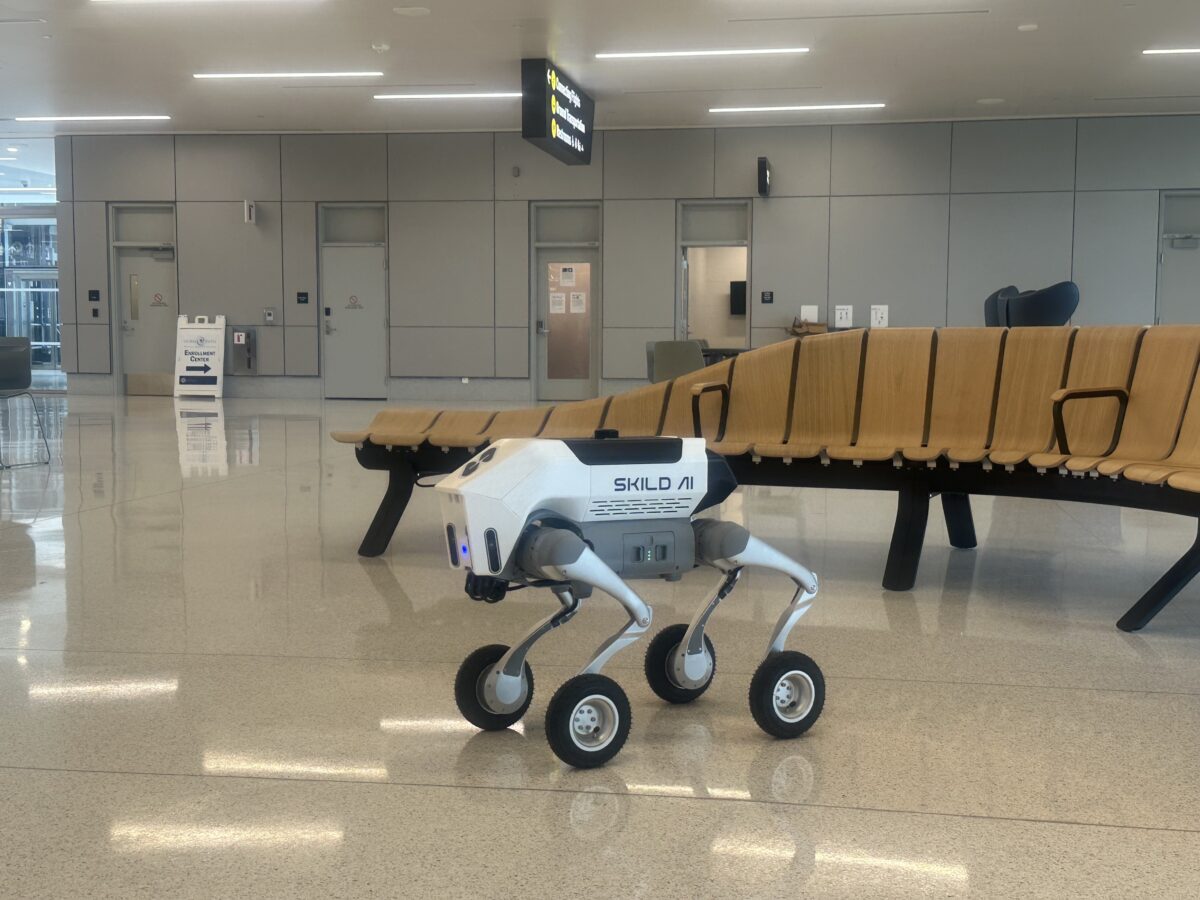
Richard stressed that workers at and represented by LIUNA will not be replaced by a robot. But he’s open to hardware that can improve work. For example, drones could fly over work sites and monitor if people are wearing safety gear, or monitor temperatures to make sure workers are safe.


He’s also working with locals to see how AI can be used to train more construction safety staffing people faster, and better connect members with mental health resources.
He recognizes the job-safety fear generated by things like self-driving cars and food delivery bots. But he believes tasks like compiling data and determining stipends makes work stronger.
“We can’t be marching down this path where the idea is to eliminate work — should be to augment work,” Richard said. “And share the wealth of productivity, instead of … a bunch of billionaires getting all the money while these people are losing their jobs.”