While sifting through the latest US Census data in 2015, Seema Iyer and her colleagues at the Baltimore Neighborhood Indicators Alliance spotted an ironic trend afoot in several dispersed city neighborhoods.
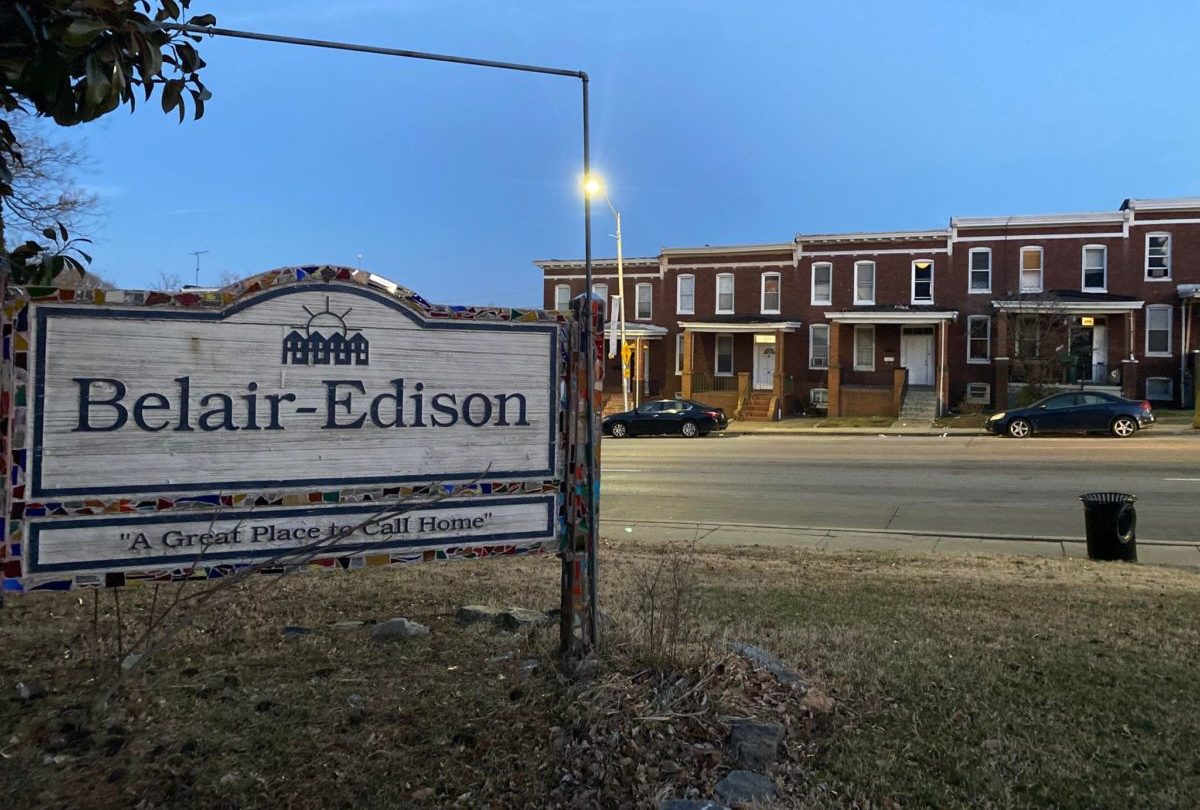
Belair-Edison in Northeast Baltimore, McElderry Park over east and Pigtown in the city’s southwest section had the three highest proportions of residents using Housing Choice Vouchers, a federal program that heavily subsidizes rental costs for very low-income families. But those same three locales had among the largest concentrations of rent-burdened households — those that spend 30% or more of their monthly income to foot the rent — as well as recent declines in homeowner occupancy.
The nexus soon became clear to Iyer, who heads the Baltimore Neighborhood Indicators Alliance (BNIA) within the University of Baltimore’s Jacob France Institute: Owners in each distressed neighborhood were opting not to sell in a housing market still reeling from its late-2000s crash, and instead renting out their dwellings to an ample market of voucher users.
But did community leaders know that this took place in their own neighborhoods, let alone in others across town?
“The way we’re organized politically, geographically, policy-wise, we’re not organized to cross-fertilize ideas,” Iyer said of Baltimore and its nearly 250 neighborhoods. “Imagine if we could build community-based coalitions around similar experiences, and what more of a powerful voice they would have if they band together to try and address their mutual issues.”
Among the other outliers BNIA has spotted (Iyer keeps a running table):
- Upton and Sandtown-Winchester, which border one another in West Baltimore, each had vacancy rates of about one-third in 2010. But Upton’s vacancy rate declined 7% in the last decade, while Sandtown’s increased by 2%.
- Brooklyn/Curtis Bay, East Highlandtown, Greenmount East, Upton and Edmondson Village all had among the city’s highest teen birth rates in 2010. In 2019, Greenmount, Upton and Edmondson Village had each seen their teen birth rates decline to nearly the citywide average (21.5 births per 1,000 females ages 15 to 19). Meanwhile, Brooklyn/Curtis Bay and East Highlandtown were still at the top of the list.
After years of observing these trends and disparities, BNIA is putting the data to use on a coalition-building effort this spring. Through the Baltimore Community Change 2010-2020 project, the research center is putting on a whole schedule of programming beginning in March. The events include a bus tour for community leaders to travel to one another’s neighborhoods — with the bus serving as a mobile roundtable of sorts — as well as trivia nights and, from March 21 to 26, a series of livestreamed “convenings” among association leaders and (hopefully) city officials.

The intention is “community-based empowerment” that can influence policy making and promote solutions whose success in some neighborhoods could be replicated elsewhere, Iyer said. “All of our neighbors are decision makers in what happens to our city, and they need access to this information just as much as any elected official.”
Diante Edwards, board president for Citizens of Pigtown, looks forward to digging into the data with other neighborhood groups from across town. Pigtown, located just west of Martin Luther King Jr. Boulevard, M&T Bank Stadium and Camden Yards, has seen marked changes in recent years, thanks to a boom in home sales, rising household incomes and an increasingly thriving main street. Even so, the neighborhood still struggles with Baltimore’s hallmark issues of crime and population loss.
“I do think that it is always helpful to form partnerships, even if it’s not a geographically co-located community that we’re talking to, especially if we’re experiencing similar trends and problems and issues,” he said, nodding to the voucher usage and rent-burdened trends shared with Belair-Edison and McElderry Park. “No one person or community group is going to have all of the answers, so that kind of communication is to the benefit of all communities involved. It allows for more solution-finding and problem-solving.”

Recently, amid Pigtown’s residential real estate boom and early signs of a development wave — including conversion of a historic bath house into mixed-use apartments, a brand new restaurant and workforce development center in Groundwork Kitchen, and the city’s request for proposals for mixed-use redevelopment of its library branch — Edwards and other Citizens of Pigtown board members have been exploring Census data to see what’s shifting.
Particularly noteworthy to them are the changing demographics, rising homeownership rate and falling vacancies, which can point to who’s moving in and being pushed out. The newcomers are younger and smaller families, Edwards said, which he noted can help explain the 6% population loss over the last decade as older, bigger families moved out. Pigtown’s median household income rose from about $47,000 to nearly $52,000 from 2010 to 2019, and the neighborhood is also becoming more racially diverse, according to BNIA’s Vital Signs database.
The changes are leading to a new set of future concerns, particularly concerning whether financially burdened residents are finding it difficult to remain in place, Edwards said: “Are we gentrifying or are we revitalizing the neighborhood?”
The way we’re organized politically, geographically, policy-wise, we’re not organized to cross-fertilize ideas,
Citizens of Pigtown has started discussing ways to help those neighbors stay put, including by offering assistance with housing costs and helping residents with outstanding tax liens, which put them at risk of seeing their house wind up in Baltimore’s annual tax sale process.
This is where cross-town collaboration could come in handy. Remington, a popular locale in North Baltimore, has experienced similar changes amid swells in development and population over the last decade. Committed neighbors have tried to stay conscious of the inherent displacement of legacy and low-income households that accompanies rising property values and rents.
The Greater Remington Improvement Association (GRIA) launched one solution in 2018: its Safe and Healthy Homes Committee, which received funding from the Central Baltimore Partnership and private developer Seawall to help residents — many of them older and on fixed incomes — pay for roof repairs, window and furnace replacements and more. Going on four years, and after dozens of completed projects and tens of thousands of dollars spent, “it’s been incredibly successful,” said Phong Le, president of GRIA. The committee is now looking to expand its assistance services by branching out into tax sale prevention and sorting out tangled home titles.
“We’re trying to be aggressive about this,” said Le, who works as a mathematics professor at Goucher College and also serves on BNIA’s Neighborhood Change advisory committee. “The best thing we can do is make sure our older residents are able to age in place as they can.”
He sees ample value in getting to share these successes with other communities through BNIA’s programming. It’s also a chance for “ground truth” about what has set Baltimore’s many neighborhoods on divergent paths, he said.
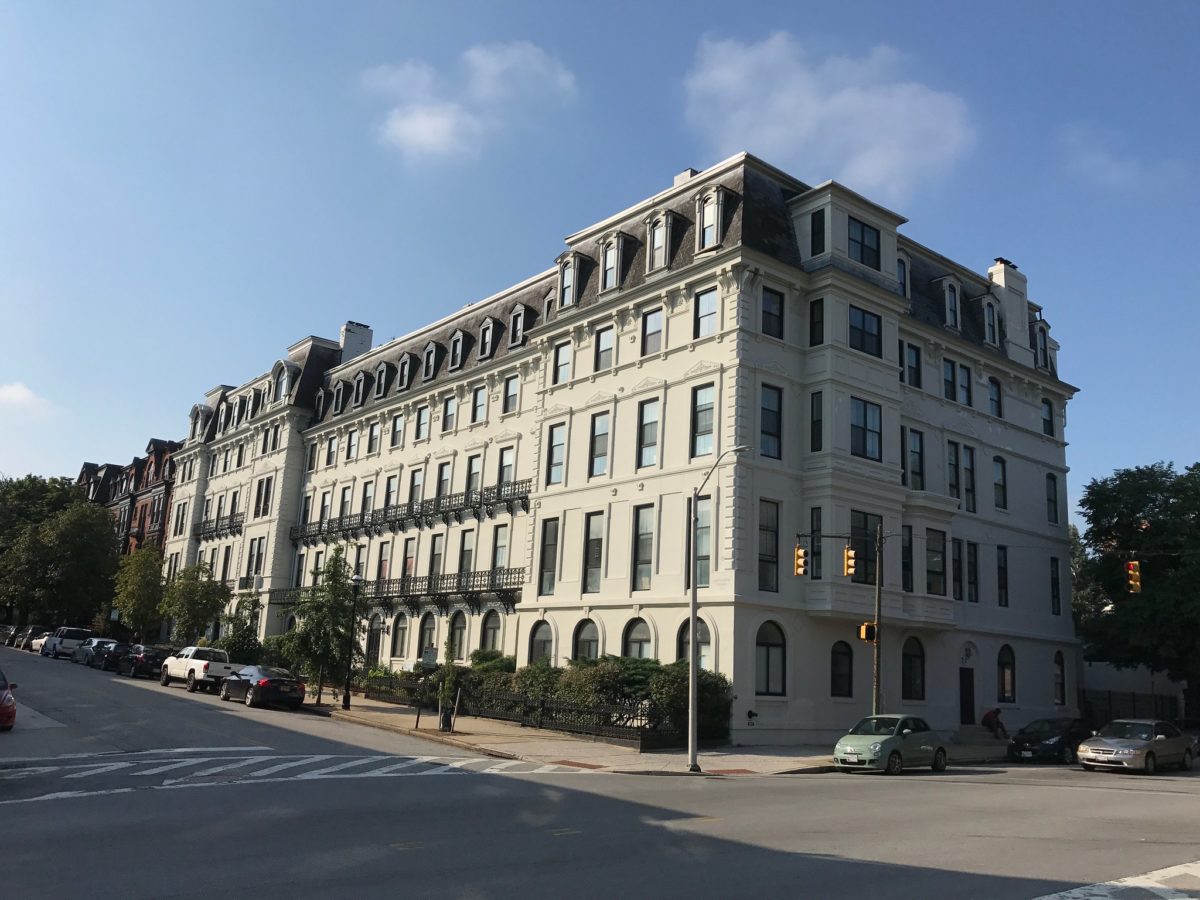
Nowhere is that tension more evident than in central West Baltimore, where disparities between abutting neighborhoods like Bolton Hill, Madison Park and Upton can still be attributed to historic racist practices like exclusionary housing covenants and early 20th-century redlining. Tony Bolton Hill’s median housing value exceeded $390,000 in 2019, which was anywhere from 46% to 370% more than in adjacent census tracts.
The painful reality is that in the short term, no amount of data exploration and conversation can undo that legacy — “I don’t think it can ever address the past,” said Stephan Hanley, a Madison Park homeowner and former Marble Hill Community Association board member.
But he and others agree that looking at the data can make residents pay more attention to the differences and collaborate across neighborhood lines. David Nyweide, president of the Bolton Hill Community Association (BHCA), noted how Iyer presented slides to neighbors at a recent meeting that highlighted modern-day disparities in numbers of vacant homes, jobs, wireline internet access and more. The message resonated among BHCA board members, he said.
“There was a lot of enthusiasm” afterward, he said. The group hasn’t come up with a specific call to action just yet, but neighbors have been called upon to “speak up if you have ideas for how to use the data to really strengthen central West Baltimore more.”
As for how this could lead to tangible changes, Hanley offered the example of Bolton Hill’s wealthier residents reaching across Eutaw Place — the historic dividing red line — and using their voices and political clout to promote higher-quality housing and homeownership opportunities for their neighbors to the south. They can also contribute their human capital — legal knowledge of how to resolve home title issues, for example — to help out.
Exploring data together fosters open dialogue and that’s “definitely a start,” Hanley said. But more important are the next steps: establishing “the trust factor — it has to be a true collaboration” — and setting new, shared goals together.

Justin Elszasz, Baltimore’s chief data officer, called BNIA’s push to forge new bonds between neighborhoods via data “brilliant.”
“I haven’t heard of any other cities, or even academic institutions like Seema’s in other cities, using data to find commonalities and trends that are shared to build broader coalitions of neighborhood patterns,” said Elszasz, who is entrusted with improving data practices and governance across city government. “Data literacy is just so important to a community to be able to build evidence-based approaches for what works and what doesn’t for the city. It should come from all directions.”
But leaders agree sharing numbers is secondary to the human connection they can achieve. Data and numbers “provide a little bit of glue and force behind your information,” said Edwards, of Pigtown, but it’s the personal relationship with those issues — whether rental costs, vacancy, violence or whatever else — that “really gives context to the data that we’re seeing and informs our approach for what we do.”
Practicable solutions don’t come easy. Iyer noted it took multiple generations for market forces and government practices to create the disparities that endure among Baltimore neighborhoods today.
“To undo those systems is going to take a lot of effort,” she said, “and it’s going to take communities to know they want to do this and why they are experiencing something.”