How about a new definition for a tech-scene unicorn?
A company that doesn’t have a beer fridge.
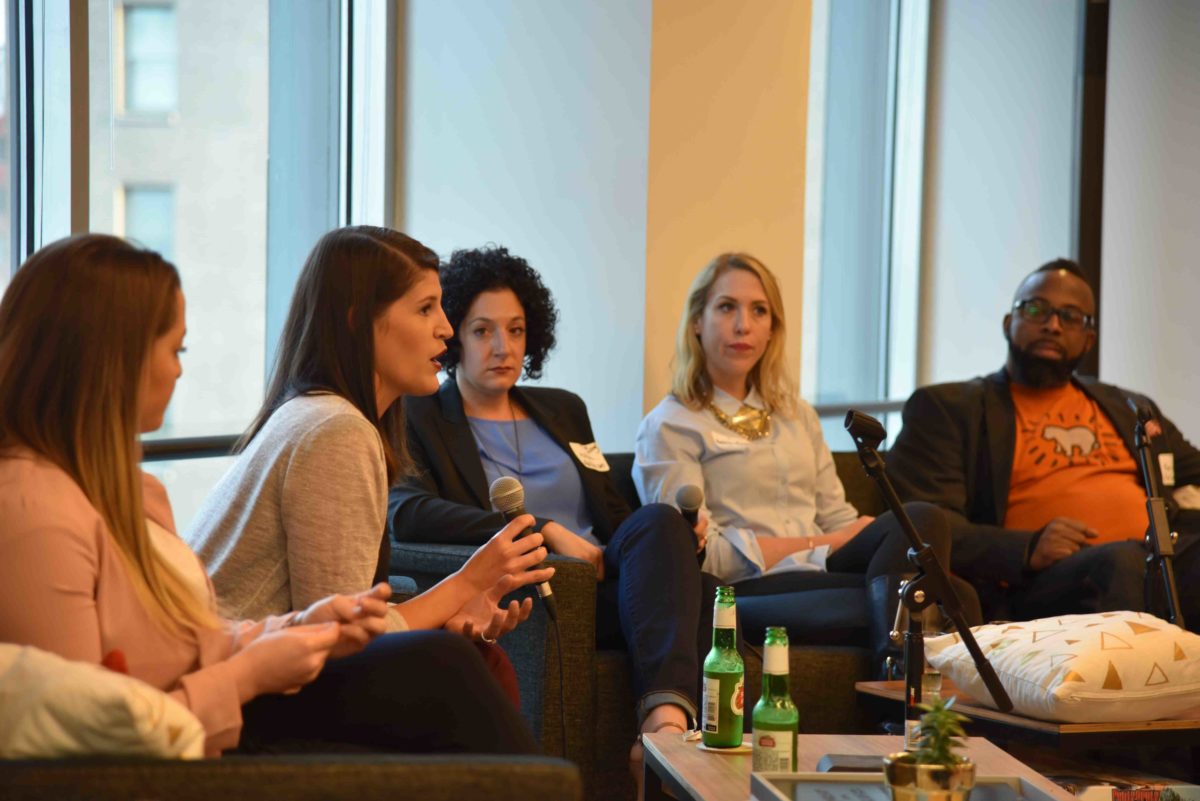
“Does anyone NOT have a beer fridge?” a panelist asked at a Philly Tech Week 2016 presented by Comcast event on company culture organized by social media startup Buffer.
The answer, with the exception of Buffer, a company that is 100 percent remote, was a resounding no.
In the Philly tech startup world (and the tech world at large), perks can range from an office kegerator to full healthcare coverage to in-house ping-pong tables to company restaurant discounts.
But, said Natalie Ledbetter, New York City-based director of talent acquisition at Curalate, “perks aren’t culture.” It’s a refrain we’ve heard more and more in the last few years, a response to the Silicon Valley perks frenzy.
“The focus,” Ledbetter said, “should stay on core values.”
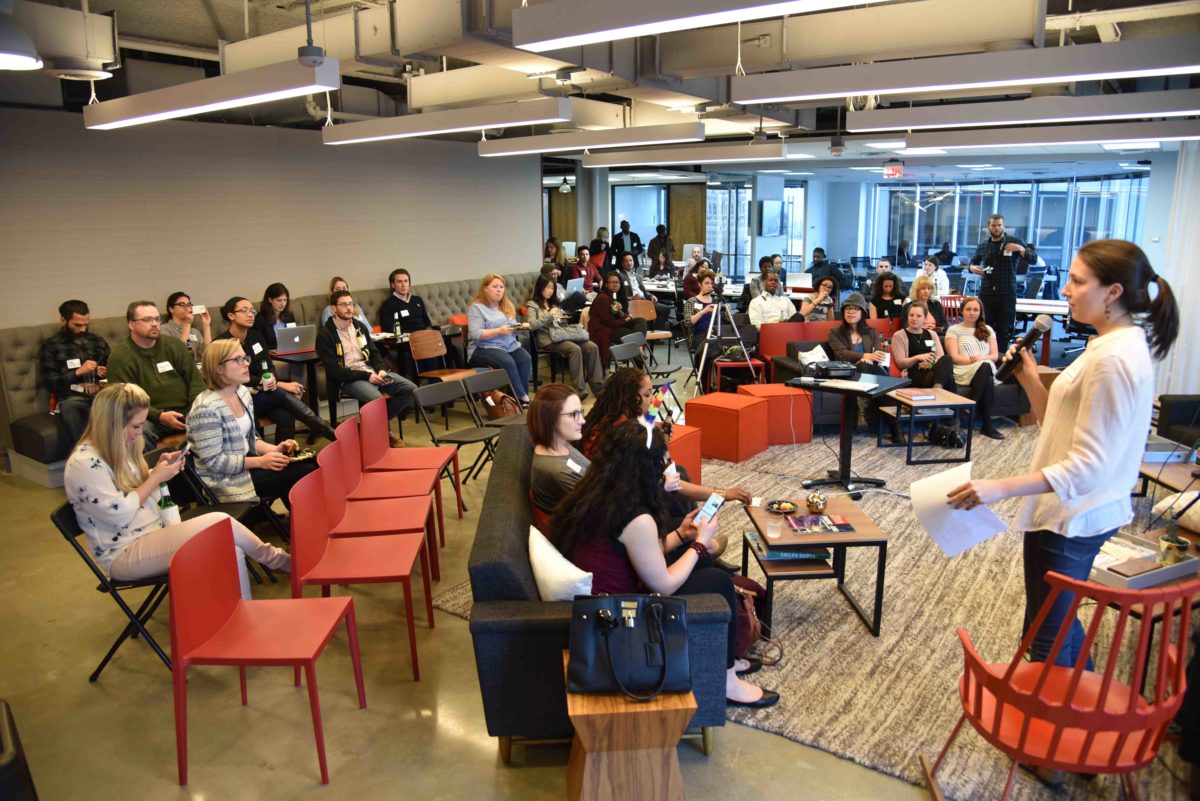
From “choose positivity” to empathy to respect, core values of Philly companies like RevZilla, Curalate, The Tactile Group and RJMetrics revolve around being decent people, said reps from those companies at the event. Several of those companies, like Curalate, RevZilla and RJMetrics, have grown their staffs to more than 100, so they know the ins and outs of sustaining company culture amid growth. Culture is a hot topic: this was one of two events held on the topic during Philly Tech Week. Leadnomics also held one.
Arielle Tannenbaum, the former Venturef0rth community manager who now works for Buffer, hosted the event at Center City’s Pipeline coworking space.
https://twitter.com/makeshiftalisha/status/727288241695645696
Every panelist agreed culture drives everything they do. Here’s a look at the major takeaways from the event:
On Hiring
“No one likes a brilliant jerk,” said Talia Edmundson, RevZilla’s human resources leader.
When hiring, she asks herself how much time she and the team would want to spend with the candidate, also known as the “beer test.”
Samantha Glasberg of RJMetrics compared finding the right team members to being “the conductor of a phenomenal orchestra,” saying she prides herself and her team on being transparent about calling out inherent biases and having difficult conversations when hiring.
“Culture and fit is the hardest thing to get right,” said Marc Coleman, founder and president at The Tactile Group, adding that it is often quite clear if the candidate will not fit in with the company core values.
Takeaway: Line up the interviewing process with company core values and involve multiple members of the team to ensure a good fit.
On Work Environment
Panelists were clear that office happy hours won’t fix an underlying work culture problem. Leaders need to set the company culture.
“The founders should be the arbiters of culture,” Ledbetter said.
Natalie Vittese, who works in human resources at Old City’s WebLinc, agreed, adding that employees do not stay because of the perks. The culture needs to come from the top.
“Expecting employees to do what you don’t do yourself is unrealistic,” she said.
Tannenbaum said Buffer maintains a close-knit community from all over the world through video chat, constant communication and company-wide retreats.
“It’s really amazing that [Buffer] allows people to be at their happiest,” she said. “We feel really connected to each other.”
https://twitter.com/NikoleMarie3/status/727277251453149184
Takeaway: Perks are an expression of the company core values; perks don’t replace culture.
Employee Development
It’s not enough to hire employees and provide a positive work environment. Company culture also includes thinking about employees’ longterm success.
“‘Career pathing’ is essential,” said Ledbetter. “It’s about defining different paths. Growth can come in a lot of shapes and sizes. That’s how you retain people.”
“We invest in our people,” said Coleman, who takes his employees out to coffee frequently, asking them questions like, “What are you passionate about? Do we need to change your job description? Would you want to stay here for five years?”
If the employee isn’t doing well?
“Ask lots of questions,” recommended Edmundson. She strives to find out what’s really going on. If the employee is truly impacting community culture in a negative way, “it’s perfectly acceptable to invite people to find their happiness somewhere else,” she said.
Takeaway: Transparency and constant adjustment is key.