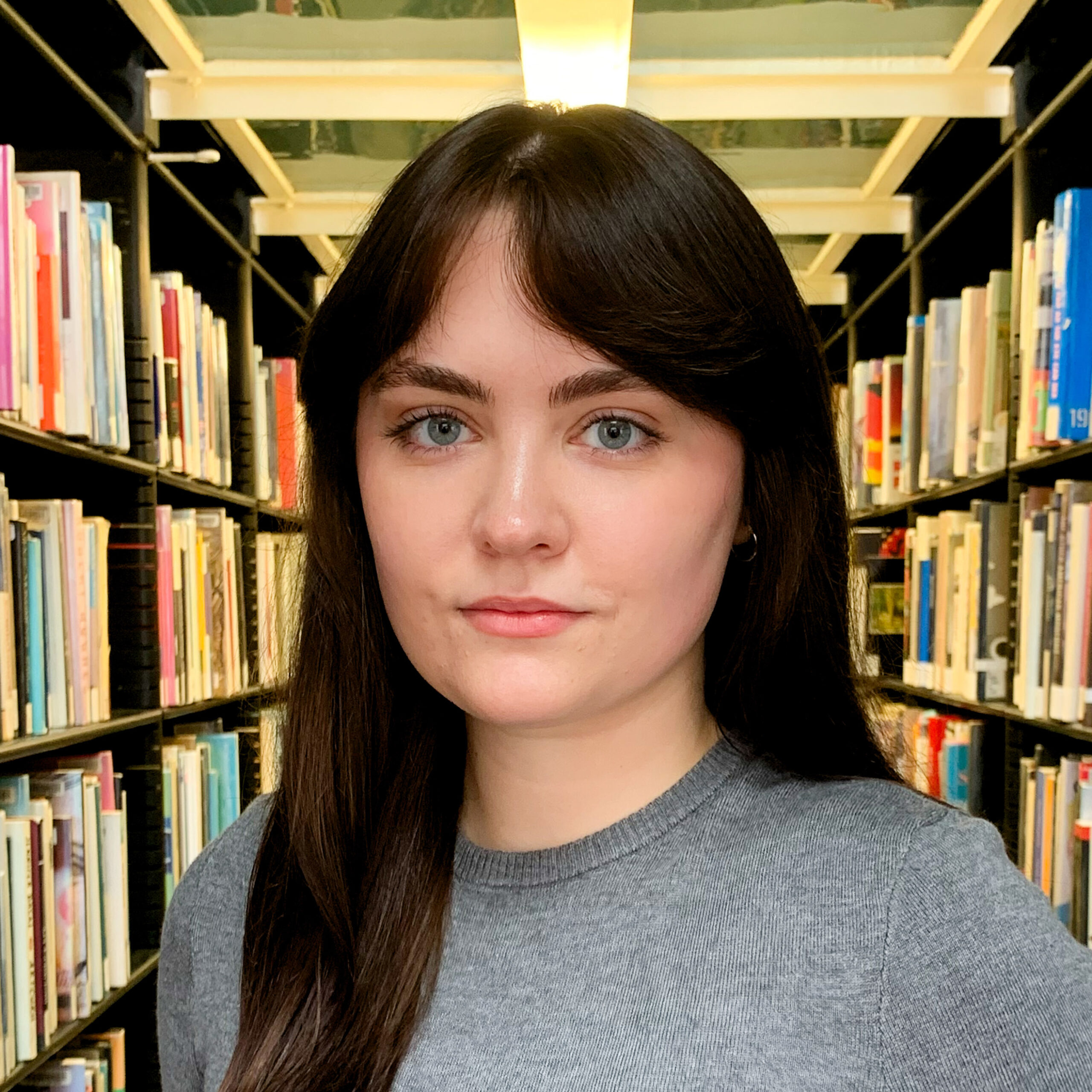
This is How I Got Here, a series where we chart the career journeys of technologists. Want to tell your story? Get in touch.
About a decade ago, Rimjhim Khandelwal had a front-row seat to defining moments in one of the world’s biggest tech markets.
As a recent law school grad in India, she interned at a firm in Bangalore, the country’s premier tech hub. Through that post, she worked on transactional law for unicorn companies such as Swiggy, India’s equivalent of Uber Eats. After just three weeks, she was offered a full-time position and decided to dive headfirst into tech work.
Khandelwal later shifted to consulting startups, a move that eventually led her to launch her own: Eve, a robo-advisory company helping Indian millennial women take control of their finances and build wealth independently.
An MBA program at Georgetown University’s McDonough School of Business brought her to the US in 2021. Today, as program manager at UpSurge Baltimore, she works to grow Baltimore’s tech ecosystem by building relationships with founders and venture capitalists.
The 2025 RealLIST Connector believes Baltimore’s emerging ecosystem offers room for her work to have real influence.
“I like being a big fish in a small pond, because my work can really make an impact here,” Khandelwal told Technical.ly.
In this edition of How I Got Here, Khandelwal shares how her law background and time in Bangalore shaped her approach to economic development in Baltimore — and how her role has evolved since UpSurge merged with the Greater Baltimore Committee (GBC).
This Q&A has been edited for length and clarity.
How did your tech career journey begin?
I started working in the Bangalore startup scene in early 2016, which meant I was part of the real boom happening then. It was the time when the biggest companies were coming out of Bangalore — Swiggy, Dunzo, and many others that were at their early stages, Series A or Series B, and starting to hit growth stages. It was a good time to be in Bangalore, to explore and understand the startup world and how it works. I had a great team that specialized in this work. The partners I worked with had been in the startup scene since the very beginning, and we were always a small, young team, very passionate about what we were doing.
That was my foray into tech, in the sense that I started working in the startup space. I was more of a facilitator, but I interacted with founders, talked to them and helped them figure out their business needs. I also represented venture capital funds, and understanding what they looked at and what mattered to them really helped shape my perspective.
What led you to your role as program manager at UpSurge?
When I was at Georgetown, Maddy Stokes — our ex-COO and now head of strategic programs and performance at GBC — had also gone to the same program as I did. I think she put out feelers in the Georgetown network, saying, “Hey, we’re looking for a program manager.” At that time, I was very involved in the tech startup and VC club and programming side, so I heard about it through different channels and decided to apply. … I wanted to work in the startup scene and with founders, and since I had both investing experience and startup experience, it aligned well.

I was also excited to build something from the ground up, especially because the ecosystem in Baltimore was, and still is, pretty nascent. Apart from life sciences, it’s still developing. For me, the focus was also about making an impact in an ecosystem where it really matters. If I were in San Francisco, I’d be doing the same thing as a billion other people, and the movement would be very small. But even a small movement in Baltimore can have far-reaching impact and outcomes that aren’t possible in a bigger ecosystem.
Can you walk me through what your day-to-day at UpSurge looks like, and how that’s shifted since the merger with GBC?
My role is to represent the startup and venture capital perspective, build relationships with founders and venture capitalists, and gather insights and intel in order to shape our strategy and make an impact. But the shift that has happened is that there’s a new perspective added with the GBC economic development perspective. That makes our ambit wider, because we are now not just looking at the founders themselves, but also the people they employ, the communities they affect, and how building confidence in one founder can build confidence for that sector in this geography. My day-to-day now involves a lot more research than before. Not to say I didn’t do research earlier, but my research focus has shifted toward what actually makes an economic difference in the ecosystem — not just the success of a few, but the success of many.
The new perspective that has been added to my work is building bridges between the corporate community and the startup community. Without private sector participation, growth of the ecosystem cannot happen. We need the private sector to lead with the industry problems they are facing in order for us to build solutions, for them to lean in with the startup community, and to elevate successful startup leaders. The startup perspective has been missing in a lot of economic development work, historically, and adding it is essential.
I like being a big fish in a small pond, because my work can really make an impact here.
Rimjhim Khandelwal
What policies would you like to see to help immigrants working in the startup ecosystem?
I don’t have insight into everyone’s circumstances, but it is difficult. I also think there should be a way for people to extend their visas, or for there to be a carve-out for startup talent. Those individuals should be eligible for the EB-1, the Einstein visa, just as actors, actresses, scientists and others are. There should be a carve-out for startup talent as well, especially considering that over the last decade, so much economic growth has come from tech companies that began in garages or dorm rooms. It’s important for those companies to have the ability to hire that kind of talent.
What’s next for you?
Over the next five years, my focus is on building my own thesis on startup growth. I’ve been studying trends and trying to understand the ecosystem. I don’t come from a strictly tech background, so tech literacy is still something I’m working on. I want to build a solid understanding of some of the important trends in the ecosystem and develop a strategic outlook.
In the next one to two years, I aim to focus on this research and analysis. Over the next five years, I hope to lead my own team to do this kind of work. Right now, I’m essentially a single-person department. I handle everything myself. I would love to build structures that allow more people to contribute, take ownership and work toward an ecosystem-wide strategy that aligns efforts to build Baltimore into a stronger startup hub.

This story, and all of Technical.ly's immigration reporting, is made possible by the WES Mariam Assefa Fund.
The WES Mariam Assefa Fund supports catalytic efforts to create more inclusive economies for immigrants and refugees in the US and Canada. It works closely with organizations and leaders focused on ensuring more equitable access to opportunity and wealth.