Makers love them. Coworking spaces are using them. From auto parts manufacturers to 3D print shops themselves, we’ve done a good amount of reporting on who’s using 3D printers.
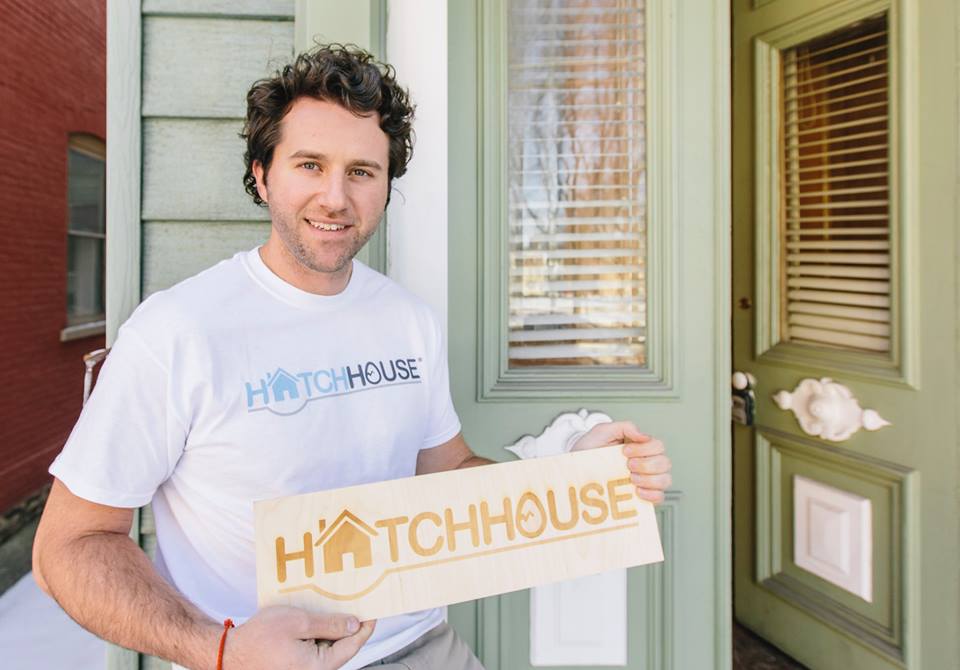
It would make sense, then, that live/work space Hatch House, opening up in Wilmington this fall, would keep one in-house. Founder Steve Boerner said the incubator’s Bethlehem, Pa., location (about a month-and-a-half old now) keeps a 3D printer handy for its product-based startups.
“If we can acquire the grants — which I think we can — in Delaware, we’ll be doing the same thing there,” said Boerner.
That’s because 3D printers save designers and manufacturers boatloads of time and money in rapid prototyping.
“Even five, 10 years ago, before 3D printing really took off, mockups were expensive. It was tough to iterate on ideas,” said Boerner. “If you wanted to tweak one thing on a design, you typically didn’t because you wanted to design many tweaks before you outsourced your next prototype.”
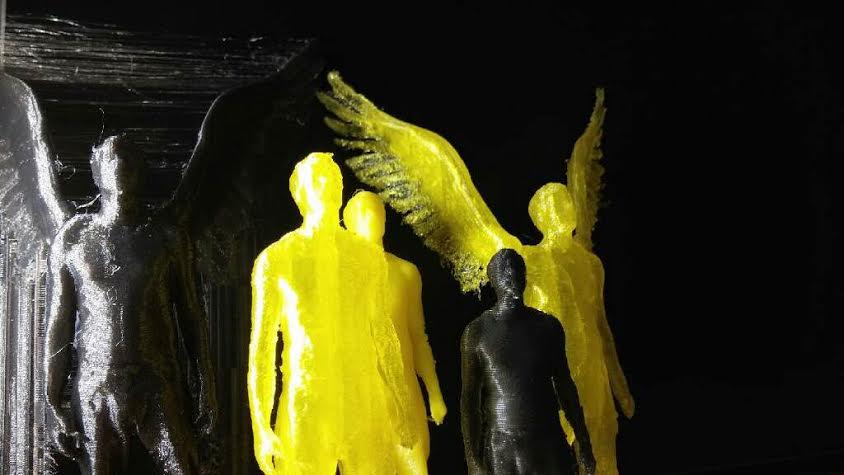
Figurines printed on the Hatch House printer. (Courtesy photo)
For a founder of three service-based companies, Boerner is far from a 3D printing n00b. Instead of buying his first 3D printer pre-assembled like any normal person, he decided to go with a DIY-esque kit from Printrbot.
“You learn a lot about 3D printing by doing that,” he said. “You understand the different motors and axes. You understand the good things about printers and what needs to be improved in printers.”
His very first print was an action figure of himself … Tebowing. You know, just to see if it worked.
“The future of 3D printing is always going to be limited by the materials and how fast the printer can be,” said Boerner. “And the materials are getting stronger and the process is getting stronger every day.”

Join the conversation!
Find news, events, jobs and people who share your interests on Technical.ly's open community Slack

Delaware daily roundup: Vital conditions framework; Seaford center breaks ground; Staff shortage at the beach

Delaware daily roundup: Equity Action Summit video; DE Senate debates wind energy; Hydrogen hub listening sessions

Delaware daily roundup: Early-stage loan help; Jobless rate drops below 4%; $700k grant for industrial park