• New Orleans ranks No. 7 among the 50 largest US cities in YouGov’s second-quarter 2026 popularity data, viewed favorably by 58% of Americans placing it in top-tier company alongside Nashville and Boston.
• After years of decline, Louisiana’s population has returned to modest growth, yet New Orleans continues to shrink.
• Local leaders have a plan to reverse it that will need state support — but the state keeps treating its most beloved city as a problem to manage.
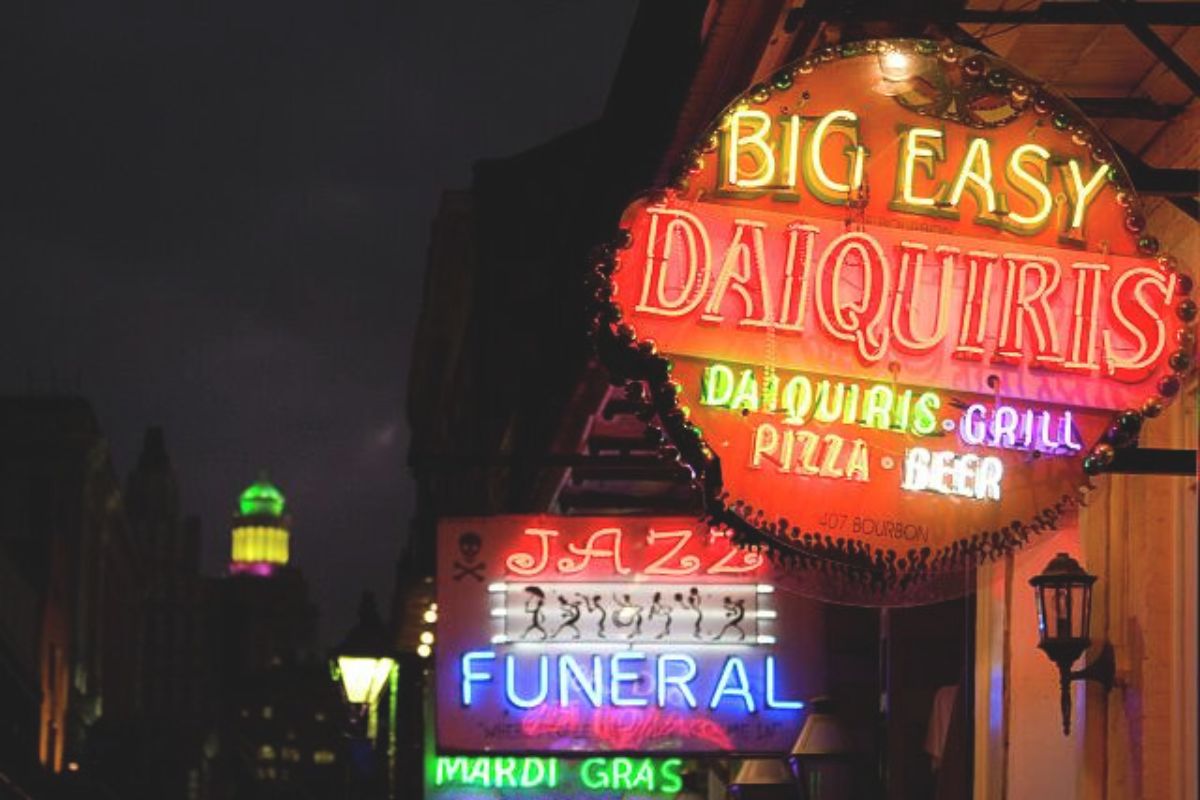
The country keeps falling for New Orleans. Fresh polling ranks it the No. 7 most popular of America’s 50 largest cities, viewed favorably by 58% of Americans — the kind of company usually reserved for San Francisco and Boston.
By YouGov’s net-favorability measure, only a handful of US cities beat it.
Yet the people who know it best keep leaving. New Orleans is now the fastest-shrinking major metro in the country. The city has fallen to about 363,000 residents (roughly 100,000 below its pre-Katrina peak), declining for the fourth time in five years.
America adores a city its own state seems to regard as a problem to be managed.
State politics vs. city potential
Notably, Louisiana has modestly reversed its own population decline, and the city’s population became a key theme in the campaign that made Helena Moreno mayor this January.
“I want to be judged by the fact that people stop leaving New Orleans,” she told Verite News. The city’s economic development org GNO Inc. is prioritizing population reversal too, the group’s chief Michael Hecht told Axios last month.
Given the widespread love for New Orleans, still the state’s biggest city, one might think it would be central to the state’s own strategy. That’s less clear.
Consider how Louisiana’s leaders treat the asset. In September 2025, Gov. Jeff Landry asked the Pentagon for up to 1,000 National Guard troops to help patrol New Orleans and two other cities, citing violent crime. The timing was strange: the city was closing out its safest year in half a century, on pace for its fewest killings in more than five decades.
Louisianans themselves seem to grasp the city’s real value better than that posture suggests.
In the 2025 Louisiana Survey from LSU’s Reilly Center, residents said crime hurts the state’s tourism far more than it threatens their own safety — roughly a third called the impact on tourism “a great deal,” versus about a fifth who said the same of their personal safety.
They’re not saying they feel unsafe. They’re saying they’re worried about their reputation.
So why the friction? Notably, yes, it’s politics.
A city at odds with its home state
New Orleans is Louisiana’s Democratic heart in a state that has moved hard the other way.
Orleans Parish gave 82% of its vote to Kamala Harris in 2024, while Louisiana went about 60% for Donald Trump, one of the country’s largest gaps between a big city and its home state.
That gap shows up in law: Louisiana is a so-called “Dillon’s Rule” state, which means local governments only have power given to them by the state. In turn, the legislature has repeatedly preempted the city’s local authority on matters from firearms to labor standards. It shows up in policing, where Landry stood up a dedicated state police unit for the city before reaching for the Guard.
The distrust isn’t invented. New Orleans has handed the rest of the state real reasons for skepticism. Infamously a mayor went to federal prison for taking more than $500,000 in bribes. A city with that record shouldn’t be shocked when Baton Rouge keeps a hand on the wheel.
But skepticism is not a strategy, and treating your most valuable asset as a liability carries a cost, especially when that asset is losing people.
The states that compound their advantages lean into a marquee city rather than fight it: Nashville and Austin, both all well-liked cities, contribute meaningfully to Tennessee and Texas respectively, despite their own political and cultural differences.
A superpower, not a burden
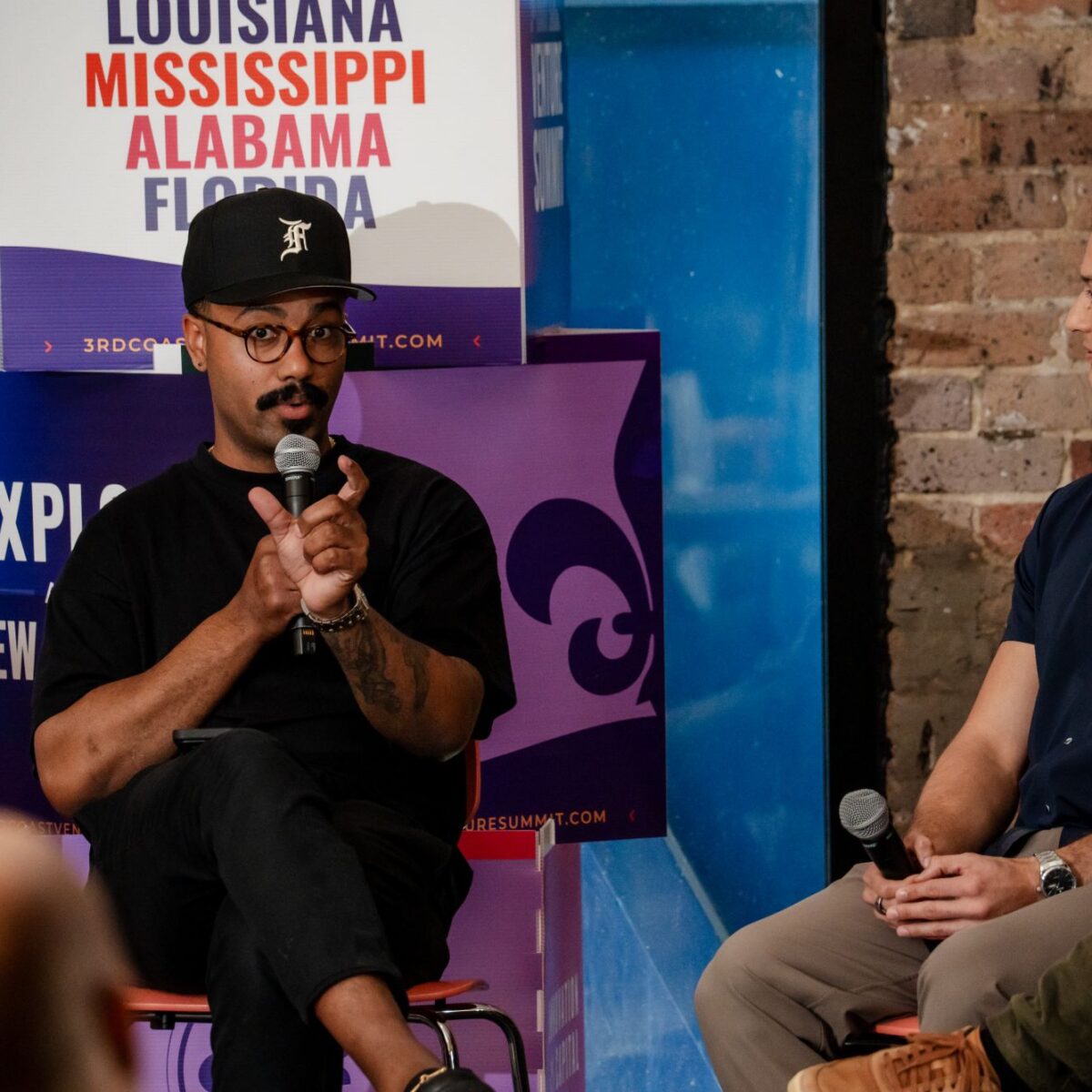
A city the country already loves does work no marketing budget can buy. It pulls in workers, founders, students — exactly the people New Orleans is currently bleeding. This fall, hundreds of economic development leaders from around the world will attend their annual conference in much beloved New Orleans. State leaders say they have a strategy to show off.
“Not one of our markets independently is big enough to turn the tide for Louisiana,” Louisiana’s state economic development CIO Josh Fleig told me this month. The Austin, Dallas and Houston metros next door each rival or exceed the entire state of 4.6 million people. “We have to think of Shreveport, Baton Rouge, Lafayette, New Orleans as one innovation hub, not four.”
Likewise, Mayor Morena is part of a new wave of leaders that intend to overcome old tribal battles to reach new solutions. Population decline is a global issue, but it seems too early for a city so treasured. Instead, New Orleans is an enviable tool for Louisiana.
Last fall, the national Nasdaq Entrepreneurial Center cited New Orleans entrepreneurs as outperformers. But in a state of fewer than 5 million, smaller than the metro population of adjacent Houston, Texas, its analysis advised a statewide coalition was necessary.
New Orleans isn’t a burden the state carries. It’s a superpower only a few states can claim, and its performance is Louisiana’s performance.